
 English EN
 中国 CN
中国 CN
Revolutionizing Quality Control with Advanced Hazelnuts Sorting Machines
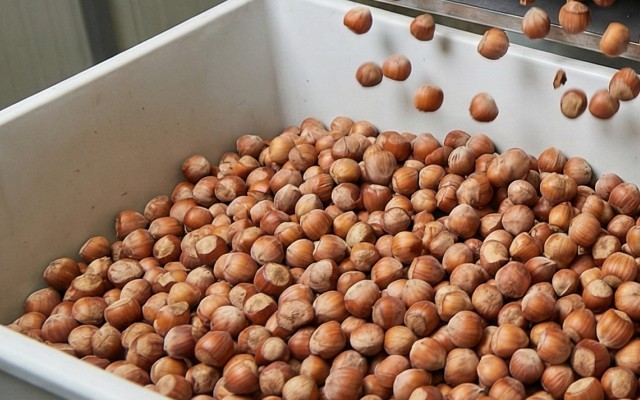
In the competitive world of nut processing, consistency is currency. For hazelnut producers, delivering a pristine product free from shells, stones, and internal defects is not just about aesthetics—it is a critical safety standard. This is where the modern hazelnuts sorting machine becomes an indispensable asset. Whether you are processing in-shell filberts or refined kernels, integrating a commercial hazelnuts sorting machine into your production line ensures that only the highest quality product reaches the market.
Why Automated Inspection is Essential
Manual sorting is no longer sufficient to meet the rigorous demands of global food safety standards. Contaminants such as glass, metal, and subtle biological defects like mold or insect damage can easily slip past the human eye.
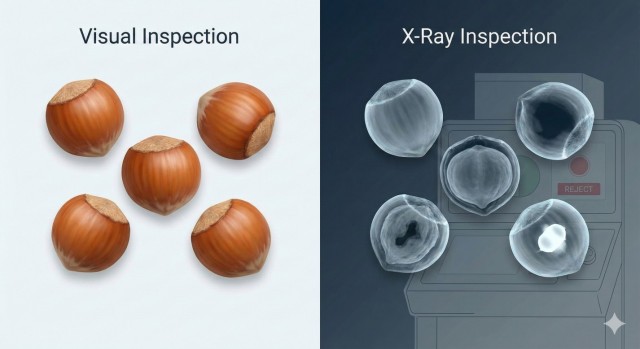
Advanced nut sorting machine technology combines Hazelnuts optical sorters with X-ray inspection systems to provide a "whole chain" solution. These systems don't just look at the product; they analyze its internal density, chemical composition, and surface texture to guarantee purity.
The Two Pillars of Hazelnut Inspection: Optical vs. X-Ray
To achieve 99.9% purity, processors must utilize a combination of technologies. Based on industry best practices and advanced inspection data, here is how the two main technologies function across different hazelnut forms.
1. Optical Sorting Inspection
Hazelnuts optical sorters utilize high-definition cameras and AI deep learning algorithms to analyze surface characteristics. They are the first line of defense against visible defects.
● In-shell Hazelnuts:
The primary goal here is grading. Sorting ensures that only mature, undamaged hazelnuts are selected for sale, weeding out those with cracked shells or obvious growth deformities.
● Shelled Hazelnuts:
The focus shifts to quality control. Optical sorting helps remove broken, discolored, or damaged hazelnuts, ensuring a uniform appearance and maintaining strict quality control standards.
2. Bulk X-Ray Machine Inspection
While optical sorters handle the surface, a Hazelnuts inspection machine equipped with X-ray technology sees through the product. This is crucial for detecting foreign materials that match the nut's color but differ in density.
● In-shell Hazelnuts:
1. Conventional Contaminants: Detects high-density threats like metal, ceramics, glass, and stone.
2. Low-density Contaminants: Advanced AI X-rays can now identify lighter foreign objects such as plastic ties, straws, twigs, and other foreign objects that often accompany the harvest.
3. Quality Control: Perhaps most importantly, X-ray can check for internal issues like fullness, empty shells, shrinkage, and wormholes without cracking the nut.
● Shelled Hazelnuts:
1. Conventional Contaminants: continues to filter out metal, ceramics, glass, and stone.
2. Low-density Contaminants: Removes plastic ties, straws, twigs, and other foreign objects that may have been introduced during cracking or transport.
Advanced Technologies Driving the Market
According to recent search trends and industry developments (such as those seen in RaymanTech's solutions), the market is moving towards AI Deep Learning. Standard optical sorters often struggle with "acceptable" variations versus actual defects. AI-driven machines learn the subtle difference between a naturally textured shell and a wormhole, or between a shell fragment and a kernel, significantly reducing false rejects.
Furthermore, whole chain inspection solutions are becoming standard. This involves deploying inspection machines at every stage—from raw material intake to the final packaged product—ensuring that contaminants introduced during processing (like machine parts or plastic packaging fragments) are caught before shipping.
Frequently Asked Questions (FAQs)
Q1: What is the difference between an optical sorter and an X-ray inspection machine for hazelnuts?
A: An optical sorter uses cameras and sensors to detect surface defects like discoloration, shape irregularities, and broken kernels. An X-ray inspection machine detects internal defects (like empty shells or wormholes) and physical contaminants (like metal, glass, or stone) based on density, regardless of the object's color.
Q2: How does AI improve the sorting process?
A: AI (Artificial Intelligence) allows the machine to "learn" complex defect patterns. Instead of simple color thresholds, AI can distinguish between a harmless scratch on a shell and a critical insect hole, or identify low-density contaminants like plastic ties that traditional machines might miss.
Q3: What is the capacity of a commercial hazelnuts sorting machine?
A: Capacities vary by model, but industrial chute optical sorters and bulk X-ray machines can typically process anywhere from 1 to 10+ tons per hour, depending on the machine size and the contamination level of the input product.
Q4: Do I need both optical and X-ray sorting?
A: For the highest quality export standards, yes. Optical sorting is best for removing cosmetic defects and shell pieces, while X-ray is essential for food safety (removing stones, glass, metal) and internal quality checks (empty nuts).

Related Articles
-
 Dec-09-2025
How Pepper Optical Sorting Machine Elevates Spice Quality
At RaymanTech, we understand these challenges. Our advanced Pepper optical sorting machine solutions utilize cutting-edge AI and Ultra-HD imaging to revolutionize pepper grading, ensuring that your black, white, and green peppers meet the most stringent international standards.learn more -
 Dec-09-2025
The Essential Role of Raisins Optical Sorting Machines
Raisins present a unique set of challenges: they are naturally sticky, vary significantly in moisture content, and often arrive from the vineyard mixed with difficult-to-detect debris. As a cornerstone of the modern production line, a high-quality dried fruit sorting machine does more than just separate good fruit from bad; it protects brand reputation and ensures strict food safety compliance. Whether you are processing sun-dried Thompson Seedless or delicate Golden raisins, implementing an intelligent sorting solution is essential for operational efficiency.learn more -
_1.png) Dec-09-2025
Dec-09-2025Corn Sorting Solution for Modern Processing
In the competitive global grain market, consistency and purity are the currencies of trust. From raw harvesting to final packaging, ensuring that every kernel meets the highest standards is a challenge that manual labor can no longer sustain. This is where advanced corn optical inspection systems step in—transforming how yellow corn, white corn, and popcorn are processed, graded, and valued.learn more




Follow us:


