 English EN
 中国 CN
中国 CN
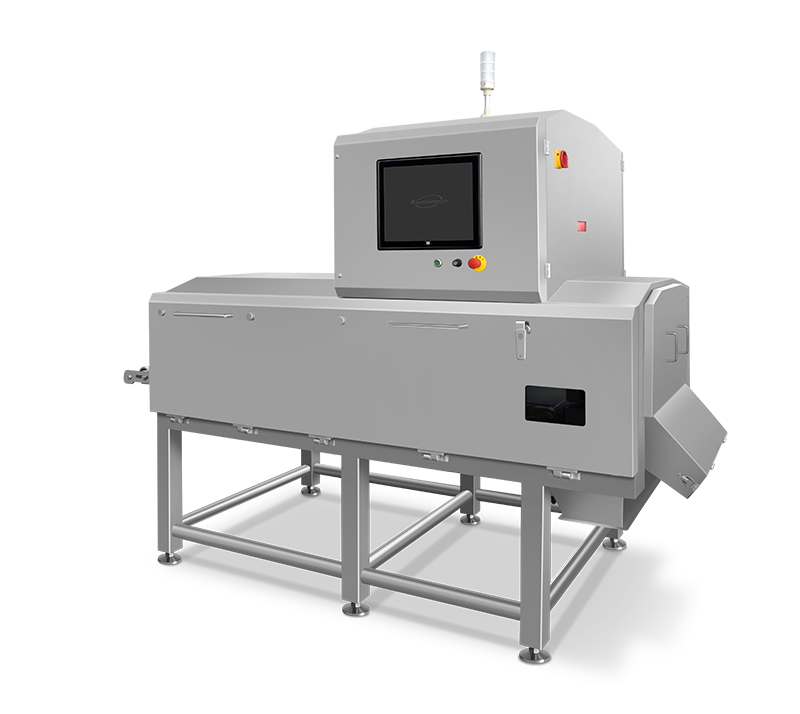

Comprehensive Introduction to IP69K Protection Rating — The Gold Standard for Equipment in Meat and Food Processing Environments
Why do IP65/IP67 fail in food plants? Discover the...
More

Persistent issues like lead contamination in the U.S. food sector demand robust safety protocols. Manufacturers often select metal detectors for cost-effective screening in dry goods with non-metallic packaging. For broader protection, food inline x ray inspection detects non-metals like glass or stone, offering a more comprehensive quality control solution.
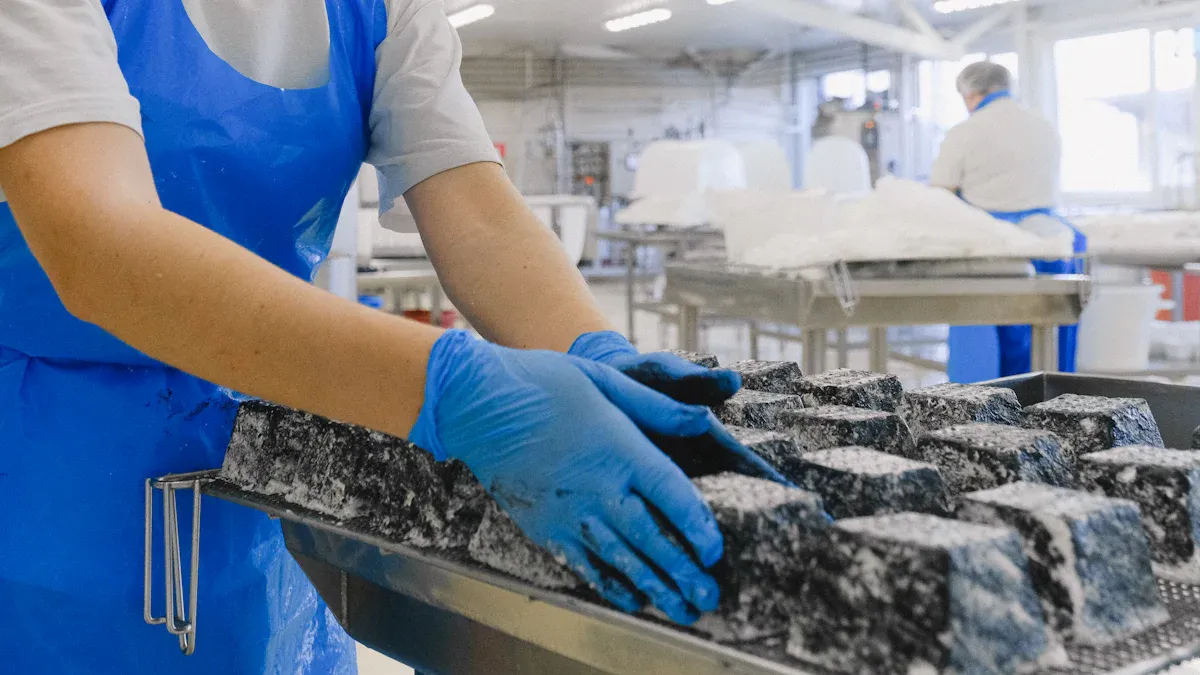
A metal detector is a foundational piece of equipment in many food safety programs. Manufacturers often select this technology for its reliability and cost-effectiveness when dealing with specific types of contaminants and products. Understanding its strengths and weaknesses is the first step toward making an informed decision.
Metal detectors excel at one primary task: identifying metallic foreign bodies. These systems operate by creating a balanced electromagnetic field. When a piece of metal passes through, it disrupts the field, triggering an alarm and rejection mechanism. The system's ability to detect a contaminant depends on the metal's magnetic and conductive properties.
| Metal Type | Magnetic Permeability | Electrical Conductivity | Ease of Detection |
|---|---|---|---|
| Ferrous (iron, steel) | Magnetic | Good | Easy |
| Non-ferrous (copper, lead) | Non-magnetic | Good or excellent | Relatively easy |
| Stainless steel | Usually non-magnetic | Usually poor | Relatively difficult |
Modern detectors can identify incredibly small fragments. A high-quality system can typically find:
Ferrous spheres as small as 0.8 mm.
Non-ferrous spheres down to 1.2 mm.
Stainless steel spheres around 1.5 mm, though this can vary.
Ferrous metals are the easiest to detect due to their magnetic and conductive nature. Stainless steel, which is common in food processing machinery, presents the greatest challenge because it is often non-magnetic and a poor conductor.
Metal detectors perform optimally under specific conditions. They are the perfect choice for inspecting products that are dry and have low conductivity. This minimizes the chance of the product itself interfering with the electromagnetic field.
💡 Tip: Metal detectors are most effective when the product's signal does not mimic a metal contaminant.
Ideal applications include a range of dry, free-flowing goods. Gravity-fed metal detection systems, for example, are purpose-built for vertical processing lines handling products such as:
Flour and sugar
Spices and seasonings
Coffee beans and ground coffee
Nuts and grains
Packaging must also be non-metallic and non-conductive. Materials like plastic bags, cardboard boxes, paper wrappers, and glass jars allow the electromagnetic field to pass through without interference, ensuring accurate inspection of the product inside.
Despite their utility, metal detectors have significant limitations. The primary challenge is a phenomenon known as "product effect." This occurs when the product itself has conductive properties, which is common in items with high moisture or salt content like meat, poultry, dairy, and sauces. The detector can misinterpret the product's conductive signal as a metal contaminant, leading to a high rate of false rejections.
This product effect also makes it much harder to find genuine contaminants. The signal from a wet or salty product can obscure the small disruption caused by a metal fragment, especially low-conductivity stainless steel. This effectively creates a blind spot in the inspection process.
A real-world case highlights this vulnerability:
A leading peanut butter manufacturer suffered recalls after its traditional metal detectors failed to find contaminants. The dense, wet nature of the peanut butter created a strong product effect, masking even metallic particles. The company was forced to adopt other inspection technologies to resolve the issue and protect its brand from further damage.
This example shows that for certain product types, a metal detector alone may not provide sufficient protection against all metallic threats.
An inline X-ray system represents a significant leap in product inspection technology. It moves beyond simple metal detection to offer a comprehensive view of both product and packaging. Manufacturers choose X-ray inspection when they require a higher level of safety assurance, need to inspect complex products, or want to consolidate multiple quality checks into a single process.
X-ray systems operate on the principle of density. The system sends a beam of low-energy X-rays through a product, and a sensor on the other side creates a grayscale image based on how much energy is absorbed. Denser materials, like metal or glass, absorb more X-rays and appear darker in the image, making them easy to identify. This density-based approach allows X-ray systems to detect a much wider range of contaminants than metal detectors.
Advanced systems can reliably find:
Glass shards
Calcified bone fragments
Stones and mineral fragments
High-density plastics and rubber compounds
The detection capability of an X-ray system is impressive. Depending on the product's density and depth, modern equipment can identify foreign bodies as small as 0.2 mm. For specific contaminants, typical detection sizes are highly precise.
| Contaminant | Typical Detectable Size (mm) |
|---|---|
| Metal (in thin products) | 0.5 - 0.7 |
| Glass | 1.3 - 1.5 |
| Stones | Comparable to glass |
This ability to detect non-metallic contaminants is a critical advantage. It addresses risks that metal detectors simply cannot, providing a more robust defense against a wider array of potential physical hazards.
A key strength of X-ray inspection is its versatility with challenging products and packaging. Unlike metal detectors, X-ray systems are unaffected by product effect. The high moisture, salt, or fat content of a product does not interfere with the system's ability to detect contaminants based on density. This makes X-ray the superior choice for inspecting items that cause high false rejection rates with metal detectors.
💡 Note: X-ray inspection excels where metal detectors struggle, particularly with wet, salty, or fatty products and those in metallic packaging.
This technology is also indispensable for products packaged in materials that disrupt electromagnetic fields. X-ray systems can see through aluminum foil, metalized film, and even steel cans, inspecting the contents without issue. For example, pie manufacturers use X-ray systems to overcome the challenges of finding contaminants in pies sold in metal trays. High-speed systems like the Eagle Pack 430 PRO are specifically designed for inspecting products in foil or metalized film at speeds up to 120 meters per minute.
Ideal applications for food inline x ray inspection cover a broad spectrum of the food industry:
Ready Meals: Inspecting multi-component meals in trays.
Dairy Products: Checking yogurts, cheese blocks, and bottles of milk.
Seafood: Finding fine bones in fish fillets, with some systems detecting bones as small as 0.2 mm.
Bakery & Confectionery: Inspecting goods in foil or metalized wrappers.
Beyond contaminant detection, an inline X-ray system functions as a multi-purpose quality control station. By analyzing the product image, the system can perform numerous other checks simultaneously, adding significant value and streamlining production line efficiency. This capability transforms the system from a simple safety device into a comprehensive quality assurance tool.
These additional checks include:
Mass Measurement: Verifying the overall weight of a product and even measuring the mass of individual compartments in a ready meal or box of chocolates.
Component Counting: Ensuring all items are present in a package, such as cookies in a tray or condiments in a meal kit.
Product Integrity: Identifying broken, misshapen, or missing products, like a cracked cookie or a deformed burger patty.
Fill Level Verification: Checking that bottles and jars are filled to the correct level.
Package Integrity: Detecting damaged packaging, such as dented cans, and inspecting seal integrity by finding trapped food particles or wrinkles that could compromise shelf life.
For instance, systems like the Anritsu XR75 can verify package integrity by detecting minute differences in X-ray absorption in the seal area. This allows it to spot defects where the product is caught in the seal, ensuring a perfect closure every time. By consolidating these checks, manufacturers can reduce the need for separate equipment, save factory floor space, and improve overall product quality.

A food inline x ray inspection system offers capabilities that extend far beyond the scope of traditional metal detectors. This technology provides a comprehensive safety net, addressing complex challenges and safeguarding a company's most valuable asset: its brand reputation.
X-ray systems identify contaminants by analyzing density. The system passes low-energy waves through a product, creating a grayscale image based on how different materials absorb the energy. Denser foreign bodies like glass, stone, and bone appear darker, allowing software to flag them instantly. This density-based method enables the detection of many non-metallic hazards that metal detectors cannot see.
A Canadian manufacturer, for example, successfully used an X-ray solution to prevent potential recalls from glass contamination. The system identified glass fragments within glass jars, a "glass-in-glass" scenario that demonstrates the technology's precision and power.
While multi-frequency metal detectors attempt to filter out the "product effect" from wet or salty goods, X-ray systems are naturally immune to it. An X-ray's ability to see contaminants is not affected by a product's moisture, salt, or fat content. Advanced systems use sophisticated algorithms and AI to enhance this capability.
Image processing software learns the product's normal density profile.
It then digitally suppresses the product's image, making any denser contaminants stand out.
AI-driven models continuously refine this process, adapting to variations and drastically reducing false rejections.
This makes food inline x ray inspection the ideal solution for challenging product types.
A single product recall can have devastating financial consequences. Studies show the median loss in corporate value after a recall can reach $243 million, stemming from lost revenue, brand damage, and litigation. Implementing a robust food inline x ray inspection program is a powerful defense. This technology helps manufacturers meet stringent global food safety standards required by retailers and regulators.
BRC Global Standard for Food Safety
Safe Quality Food (SQF)
International Featured Standard for Food (IFS)
Using an X-ray system serves as a documented control point within a Food Safety Management System (FSMS), demonstrating a proactive commitment to consumer safety and protecting brand integrity.
Choosing the right inspection system requires a direct comparison of key operational factors. Each technology offers distinct advantages depending on the specific application and production environment.
Metal Detector: Detects ferrous, non-ferrous, and stainless steel contaminants. It is a single-purpose device focused exclusively on metal.
X-Ray System: Detects metal, glass, stone, bone, and high-density plastics. It provides comprehensive foreign body detection.
Metal detectors cannot inspect products packaged in aluminum foil or metalized film. The packaging disrupts the electromagnetic field, making inspection impossible. X-ray systems, however, easily see through these materials to inspect the contents inside.
A metal detector's performance degrades with wet or salty products due to "product effect," which can cause high false rejection rates. A food inline x ray inspection system is unaffected by moisture or salinity, providing reliable detection in these challenging applications.
A metal detector only finds metal. In contrast, an X-ray system serves as an all-in-one quality station. It can simultaneously check product weight, count components, verify fill levels, and spot damaged goods.
Metal detectors offer a lower upfront investment, making them a cost-effective choice for basic applications. X-ray systems require a significantly higher initial capital outlay due to their advanced technology and broader capabilities.
Standard metal detectors are typically compact and easy to integrate into existing production lines. X-ray systems are larger and heavier, often requiring more floor space and planning for installation.
Evaluating the financial impact of an inspection system requires looking beyond the sticker price. A comprehensive budget considers the initial purchase, long-term operational expenses, and the potential return on investment.
Metal detectors present a lower initial cost, making them an accessible entry point for many manufacturers. X-ray systems command a higher upfront investment, with prices varying based on several factors.
Advanced Features: Systems with AI, dual-energy technology, and automation capabilities are more expensive than basic models.
Throughput: Equipment designed for higher speeds and larger products costs more.
Construction: Systems built with durable, IP69K-rated stainless steel for harsh washdown environments carry a premium.
Compliance: Meeting stringent government regulations for specific industries like meat processing adds to the cost.
The total cost of ownership (TCO) reveals a more complete financial picture. While metal detectors are cheaper to run, X-ray systems have higher ongoing expenses. These include greater energy consumption, more complex maintenance, and the eventual replacement of costly components like X-ray tubes. Operator training is also more extensive for X-ray systems, often requiring tiered certification programs that cover radiation safety and advanced machine operation to meet regulatory standards like 21CFR 1020.40.
| Cost Factor | Metal Detectors | X-ray Systems |
|---|---|---|
| Energy Use | Lower | Higher |
| Maintenance | Simpler, lower cost | Specialized, higher cost |
| Training | Basic operator training | Comprehensive safety & technical training |
| Replacement Parts | Less expensive | Costly (e.g., X-ray tubes) |
Manufacturers can calculate ROI to justify the higher cost of an X-ray system. The formula is ROI (%) = [(Financial Value - Project Cost) / Project Cost] × 100. The "Financial Value" comes from tangible savings. These include reducing product waste, preventing retailer chargebacks, and avoiding recalls.
A single product recall can cost a company an average of $10 million in direct costs, not including the damage to brand reputation.
By preventing just one major recall, an X-ray system can deliver a massive return. Its ability to perform additional quality checks also reduces waste and improves efficiency, further boosting its financial value and justifying the investment.
For many manufacturers, the optimal solution is not choosing one system over the other but implementing both. This creates a powerful, layered defense that addresses different risks at different stages of production.
A metal detector and an X-ray system can serve two distinct but equally critical functions. Manufacturers often place a cost-effective metal detector early in the production line. Its primary job is to protect valuable downstream equipment.
It can be installed at raw material intake to catch metal from the supply chain.
It can also be placed after high-risk machinery like grinders or slicers to detect any metal fragments shed during processing.
An X-ray system, conversely, serves as the final guardian of consumer safety.
Placing an X-ray system at the end of the line provides a last-chance inspection after the product is sealed in its final packaging. It ensures no foreign bodies—metal or non-metal—reach the consumer.
This dual approach protects both capital equipment and brand reputation.
Employing both technologies is a cornerstone of a modern, multi-layered food safety strategy. This approach aligns perfectly with Hazard Analysis and Critical Control Points (HACCP) principles, which establish a systematic framework for identifying and controlling potential hazards. Each inspection system becomes a documented critical control point.
This integrated strategy offers significant advantages beyond simple compliance. It enhances audit efficiency for standards like SQF and builds customer confidence with retail partners and global buyers. By creating overlapping checkpoints, a manufacturer transforms its safety program from a reactive measure into a proactive system. This comprehensive approach demonstrates a deep commitment to preventing issues, protecting consumers, and ensuring the highest level of product integrity.
The right inspection technology depends on specific production needs. A manufacturer should consider these key points:
A metal detector is the cost-effective choice for simple metal detection in dry goods.
An X-ray system is a superior investment for comprehensive safety, products in foil, or all-in-one quality control.
Yes, they are completely safe. Food inline x ray inspection systems use very low energy levels. The food does not become radioactive and remains safe for consumption.
Metal detectors have a lower initial purchase price. They are a more budget-friendly option for manufacturers with basic needs and limited capital for upfront investment.
Metal detectors require simpler, less frequent maintenance. X-ray systems demand more specialized service from trained technicians, which can increase long-term operating costs.

We provide you with comprehensive foreign trade solutions to help enterprises achieve global development
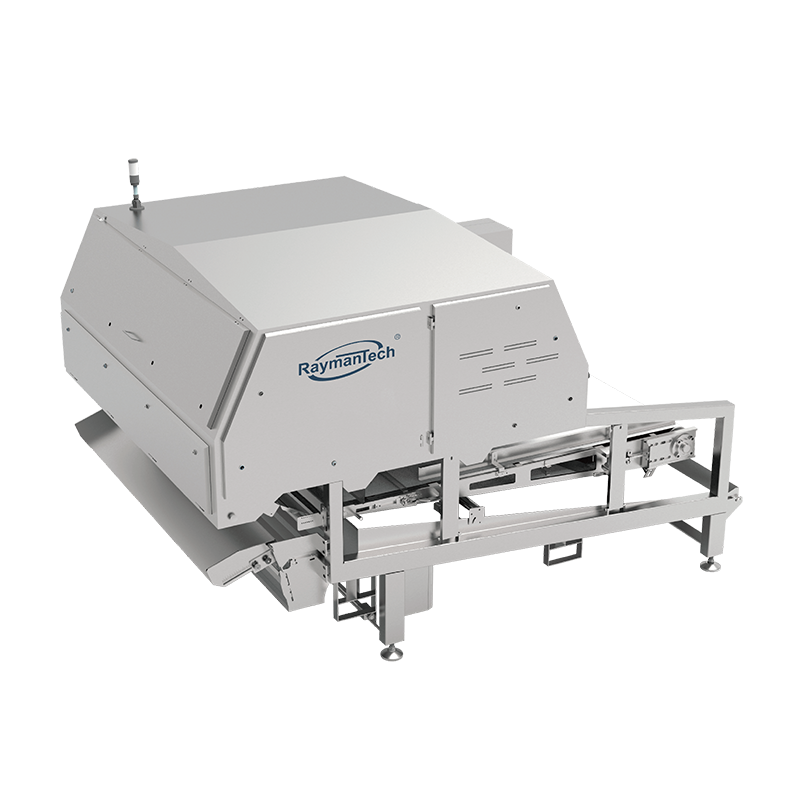
Recommedation: Frozen vegetables such as green be...
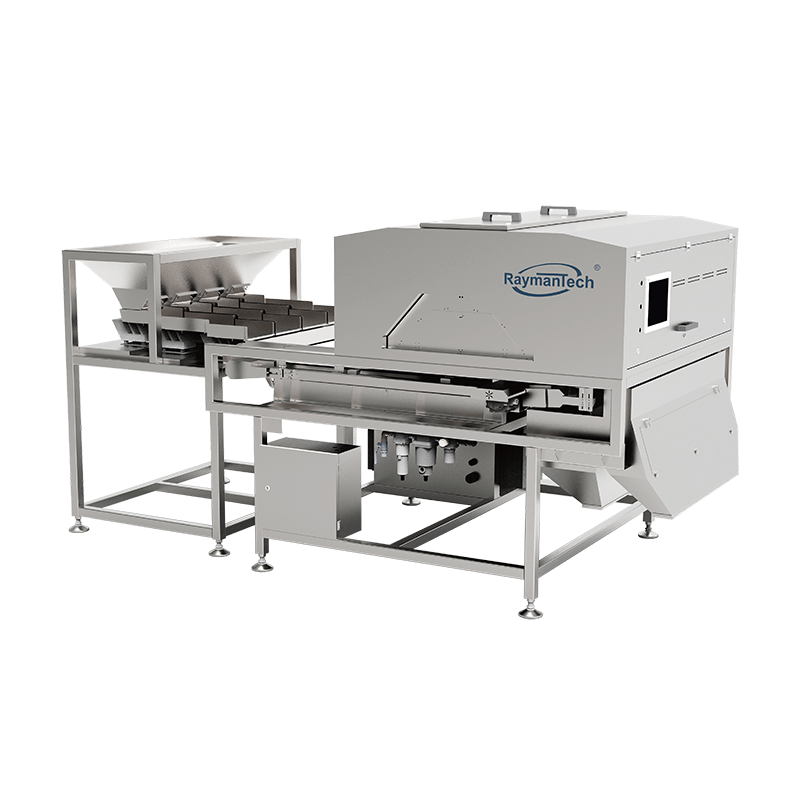
Recommedation: Small particle, flat products such...
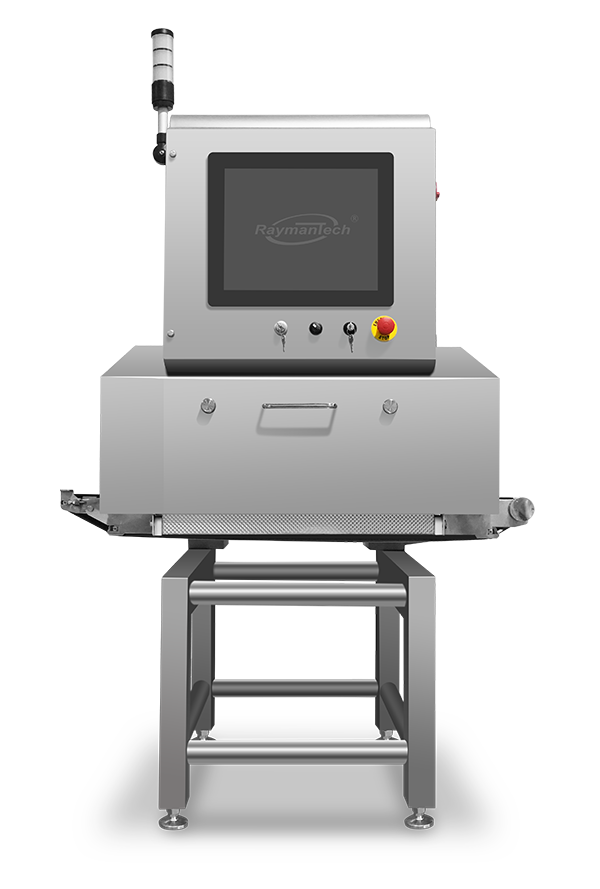
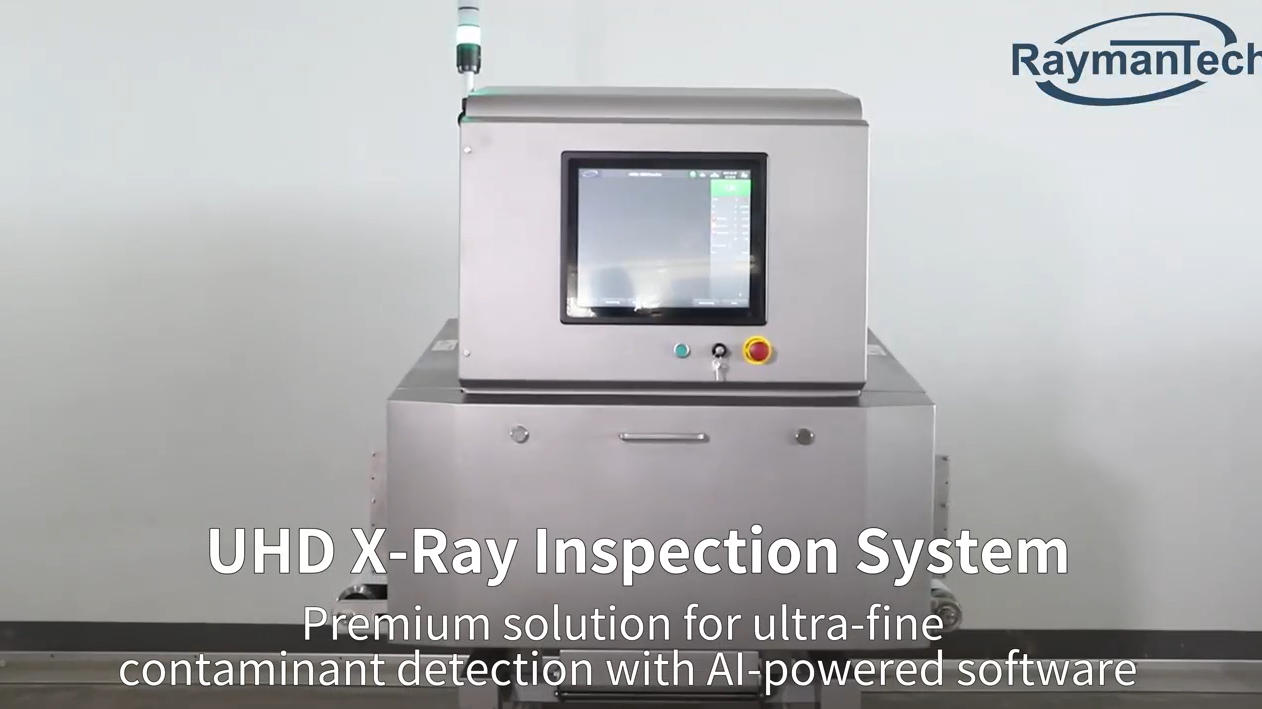
Ultra-fine contaminants detection, UHD X-Ray detec...
.png)
Recommedation: Aquatic products, pet food, candy, ...
Select the most popular foreign trade service products to meet your diverse needs
Select the most popular foreign trade service products to meet your diverse needs







User Comments
Service Experience Sharing from Real Customers
Michael Rodriguez
Quality Control ManagerThis food inline X-ray inspection system has revolutionized our quality control process. The detection accuracy for contaminants is exceptional, and the automated rejection system works flawlessly. Highly recommended for any food production facility.
Sarah Chen
Production SupervisorOutstanding performance! The system detects even the smallest metal fragments and glass shards we couldn't catch before. The user interface is intuitive, and maintenance requirements are minimal. A game-changer for food safety.
David Thompson
Plant ManagerExcellent investment for our canned food line. The X-ray inspection consistently identifies density variations and missing components. Setup was straightforward, and the technical support team was very responsive during installation.
Jennifer Williams
Food Safety DirectorThis inspection system has significantly enhanced our HACCP program. The ability to detect foreign objects while simultaneously checking fill levels and seal integrity is invaluable. Compliance with food safety regulations has never been easier.