 English EN
 中国 CN
中国 CN

Revolutionizing Quality Control with Advanced Hazelnuts Sorting Machines
Advanced nut sorting machine technology combines H...
More

The global almond market is expanding rapidly, creating immense opportunities for processors. Advanced automation helps operators meet this growing demand profitably and safely. An almonds sorting machine enhances product quality, boosts revenue from sorted materials, and simplifies food safety compliance.
The almond market size is projected to reach nearly USD 14.10 Billion by 2032, reflecting strong industry growth.
This technology is essential for future-proofing production in a competitive landscape.
Integrating AI into the sorting process is a direct investment in profitability. This technology transforms a traditional cost center into a strategic asset. It enhances efficiency, creates new revenue opportunities, and significantly cuts operational expenses. Processors can achieve a stronger financial position by leveraging AI's accuracy and speed.
Traditional sorting methods often struggle with accuracy. They may require multiple passes, which can damage delicate almonds. These systems frequently leave a 1-3% defect rate, forcing reliance on manual inspection. This older approach leads to inconsistent quality and lower yields.
AI-powered sorting offers a superior solution. It uses high-resolution cameras and advanced deep-learning models to achieve remarkable precision. An AI almonds sorting machine can identify and remove only the defective kernels, leaving good products untouched. This capability is crucial for maximizing sellable yield.
The Qcify EYE, for example, acts as an 'always-on quality inspector.' It processes up to 700,000 almonds per hour. The system detects subtle defects in texture, density, and color that are impossible for humans to see at such high speeds.
This level of precision minimizes false rejects, a common issue with older sorters that discard good almonds along with the bad. Key AI-driven benefits include:
Precise Defect Targeting: Ultra-compact optical sorters use a small nozzle pitch (6 mm) to target specific defects like pinhole damage with surgical accuracy.
Dual-Sided Inspection: Industrial cameras capture ultra-clear images of both sides of each kernel, feeding comprehensive data into the AI for better classification.
Continuous Improvement: AI models evolve and learn over time, constantly improving their sorting and grading capabilities without manual intervention.
By retaining more high-quality almonds in the primary product flow, processors directly increase their revenue and reduce costly food waste.
AI sorting does more than just separate good from bad. It can classify rejected materials into distinct grades based on specific defect types. This sophisticated categorization unlocks the potential to turn low-value waste into profitable secondary products. Instead of discarding rejected almonds, processors can divert them to new, high-value streams.
For instance, almonds with minor cosmetic flaws are perfect for creating premium food ingredients. These can be used to produce:
Extra-Virgin Almond Oil: Cold-pressed from raw, organic almonds, this oil is a high-value product for health-conscious consumers.
Nutrient-Rich Almond Paste: A base for spreads, fillings, and other food products.
Even materials like crushed almond shells have value. The beauty industry uses finely crushed shells in exfoliating products. L'Occitane's 'With Crushed Almonds Delicious Paste' is a prime example, blending crushed shells with almond butter and oil to create a luxury skincare item. This strategy transforms a disposal cost into a new source of income.
The agricultural sector faces persistent labor shortages, especially in leading production regions like California. Manual sorting is a repetitive, labor-intensive task that is becoming increasingly difficult and expensive to staff. Automation directly solves this challenge.
An automated almonds sorting machine operates 24/7 without fatigue, ensuring consistent output and quality. This technology eliminates the need for human operators to perform monotonous sorting tasks. As a result, processors can significantly reduce their dependency on manual labor and cut associated costs, including wages and training.
This shift does not simply eliminate jobs. It transforms the workforce. Automation creates new, higher-paying roles for skilled technicians who operate and maintain these advanced systems. Companies can reallocate their human resources to more complex, value-added activities, fostering a more skilled and efficient team. By embracing automation, almond producers can maintain high-quality output and protect their bottom line, even in a tight labor market.

An AI-powered almonds sorting machine is not just about efficiency; it is a commitment to excellence. Delivering a consistently superior product is the cornerstone of a successful brand. AI technology provides the tools to achieve a level of quality that was previously unattainable, setting a new standard for the industry. It moves beyond simple sorting to become an integral part of a processor's quality assurance framework.
Human inspectors and traditional sorters can miss subtle yet critical flaws. Defects like mold, insect damage, and discoloration compromise product safety and value. AI systems, however, are engineered for microscopic precision. They use a combination of high-resolution cameras, multispectral imaging, and advanced deep learning algorithms to identify imperfections invisible to the human eye. This ensures that only the highest-quality almonds proceed down the production line, safeguarding consumer health.
AI models excel at differentiating between various types of defects. This allows for more intelligent sorting decisions.
Physical Defects: AI algorithms like lightweight VGG16 analyze standard RGB images to classify superficial issues such as chipped, scratched, or malformed kernels.
Serious Contaminants: Hyperspectral imaging (HSI) detects hidden dangers. This technology analyzes data from the 400–1000 nm light spectrum to identify signs of aflatoxin, rancidity, and internal insect damage with remarkable accuracy.
This dual capability allows processors to fine-tune their sorting criteria. They can separate almonds with minor cosmetic flaws for secondary product streams while ensuring that any kernel with a serious defect is removed completely.
Maintaining consistent quality across different batches, harvests, and seasons is a major challenge for almond processors. AI provides the solution. AI sorting systems analyze the unique shape, texture, and spectral signature of every single kernel. This data-driven approach guarantees objective and repeatable grading, eliminating the variability of manual inspection.
Processors can program AI systems to meet specific, internationally recognized grading standards, such as those set by the USDA. The technology ensures every batch adheres to precise tolerances for defects, size, and appearance.
| Grade Standard | Key Characteristics | AI Sorting Application |
|---|---|---|
| U.S. Fancy | Whole, clean, uniform kernels free from damage, doubles, and foreign material. | AI programs identify and eject any kernel with chips, scratches, gum, or discoloration to meet the strict <5% tolerance for such defects. |
| U.S. No. 1 Pieces | Clean, well-dried pieces free from decay, rancidity, and serious damage. | The system ensures pieces meet minimum size requirements (e.g., >3.2 mm) and removes foreign material with a precision that meets the 0.20% tolerance. |
Advanced AI sorters feature intelligent 'recipe' systems. Operators can save and load specific sorting parameters for different almond varieties, roast levels, or product forms (whole, sliced, bits). This allows for instant calibration and guarantees consistent performance across all product lines.
This level of control ensures that every package leaving the facility meets the exact same high standard, batch after batch.
A brand's reputation is its most valuable asset. In the food industry, that reputation is built on trust, which is earned through consistent quality and safety. A single product recall can cause immense damage. Undeclared allergens, like tree nuts in other products, or the presence of contaminants in almond products themselves are major causes of recalls. These events lead to significant financial losses, legal challenges, and a decline in consumer confidence that can threaten a brand's long-term viability.
Delivering a consistently premium product strengthens consumer loyalty and enhances brand perception. AI sorting is a powerful tool for brand stewardship. It acts as a final, infallible checkpoint, ensuring that no substandard product reaches the consumer. This commitment to quality resonates with today's discerning buyers.
Builds Consumer Trust: Consumers are more likely to remain loyal to brands that consistently deliver safe, high-quality products.
Supports Sustainability Claims: Efficient sorting reduces food waste, aligning with the values of environmentally conscious consumers who increasingly favor brands with sustainable practices.
Upholds Brand Integrity: By preventing quality issues before they happen, AI helps maintain the promise of excellence that a premium brand represents.
Weak brand stewardship and inconsistent standards inevitably erode consumer trust. By investing in AI-driven quality control, almond processors protect their customers, their reputation, and their future.
The food industry operates under intense regulatory scrutiny. Almond processors must navigate complex rules to protect consumers and their business. AI technology provides a robust framework for meeting these demands, turning compliance from a challenge into a streamlined, data-driven process.
Processors must adhere to strict food safety regulations. The FDA Food Safety Modernization Act (FSMA) requires most facilities to implement a food safety system with risk-based preventive controls. This includes following current Good Manufacturing Practices (GMPs). AI systems help automate compliance by consistently enforcing quality parameters. They ensure every almond meets predefined standards for safety and quality, providing a reliable defense against contaminants and defects. This automated oversight helps processors meet their obligations under FSMA and other key regulations.
Effective traceability is critical for food safety. In the event of a recall, processors need to quickly identify the source of a problem. AI systems create a detailed digital record for every batch. They capture crucial data points, including:
Images of each kernel and any detected defects
Inspection results and machine settings
A precise timestamp for every sorting decision
This data allows AI to generate customized audit reports and findings. It provides auditors with concise, evidence-backed summaries, simplifying the entire compliance verification process. This level of documentation creates a transparent audit trail from processing to packaging.
An AI almonds sorting machine is the physical enforcer of these safety standards. It uses high-resolution cameras and advanced sensors to identify and remove a wide range of hazards. The system’s ejection mechanism uses precise air jets to remove foreign materials like stones, shells, and plastic. Specialized technology, such as 'AflaSort', even uses specific laser wavelengths to detect the fluorescence of aflatoxin residues. This makes invisible contamination visible, ensuring that only safe, compliant almonds continue down the line.

Adopting AI technology is a strategic process that requires careful planning. Processors can ensure a smooth and successful transition by understanding key system features, preparing their facility, and upskilling their workforce. This roadmap outlines the essential steps for integrating AI into an almond processing line.
Selecting the right almonds sorting machine is the first critical step. Processors should look for systems that combine powerful hardware with intelligent software. Top-tier machines use high-resolution cameras and multi-sensor technology, such as near-infrared (NIR) and X-ray scanners, to capture comprehensive data on each kernel. This allows the AI to perform millisecond-level analysis and achieve sorting accuracy above 99.9%. The core AI algorithm is the most vital component, as it enables the system to learn and adapt, continuously improving its ability to detect defects.
Integrating an AI sorter involves both physical and digital preparation. Facilities must ensure they have the necessary infrastructure, including space on the processing line and access to sufficient compressed air for pneumatic ejection systems. On the software side, modern sorters are designed for connectivity.
AI systems can transfer high-resolution quality data directly into a company's existing Enterprise Resource Planning (ERP) software. This integration provides a seamless flow of information. Cloud-based dashboards also offer real-time performance monitoring and quality reports from anywhere.
Automation transforms the workforce by creating new, higher-value positions. Companies should invest in training to prepare employees for these new responsibilities. Manual sorting jobs evolve into skilled technical roles focused on operating and maintaining the advanced equipment. New positions may include:
AI System Operators: Manage sorting parameters and monitor machine performance.
Data Analysts: Interpret sorting data to identify trends and optimize processes.
Maintenance Technicians: Service the complex hardware and software components.
This focus on upskilling empowers employees and ensures the company maximizes its return on its technology investment.
Integrating AI sorting is a crucial step for almond processors to secure a competitive future. This technology offers the definitive solution for cutting costs, maximizing yield, and guaranteeing quality.
The industry is moving toward integrated systems. These combine AI with precision agriculture tools and vision-guided harvesting robots for unmatched efficiency.
Processors should evaluate their current sorting processes and explore these advanced AI solutions.
AI systems use intelligent 'recipes'. Operators can save and load unique sorting parameters for different almond varieties, sizes, or roast levels, ensuring optimal performance for each product.
Modern AI sorters achieve over 99.9% accuracy. They combine high-resolution imaging with deep learning algorithms to identify and eject defects with remarkable precision and consistency.
Yes. Advanced systems use multi-sensor technology like hyperspectral imaging (HSI). This allows the machine to identify internal issues such as hidden mold, rancidity, or insect damage.

We provide you with comprehensive foreign trade solutions to help enterprises achieve global development
.png)
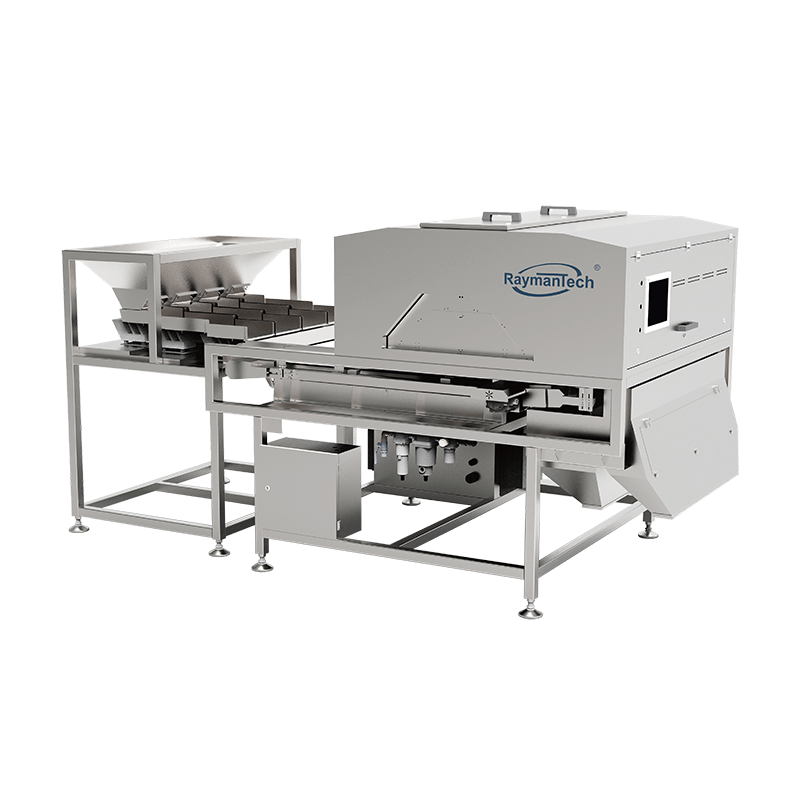
Recommedation: Aquatic products, pet food, candy, ...
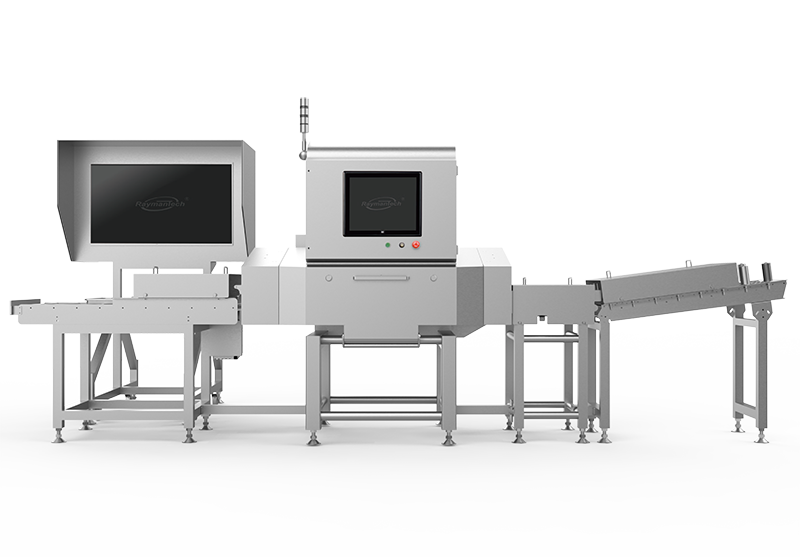
Recommedation: Small particle, flat products such...
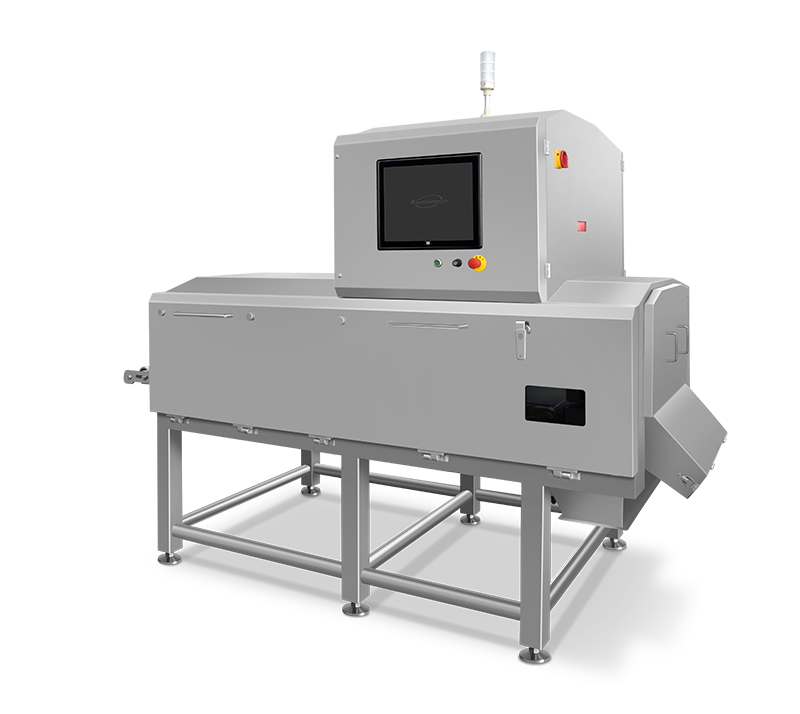
Automatic recognition and rejection, fish bone ins...
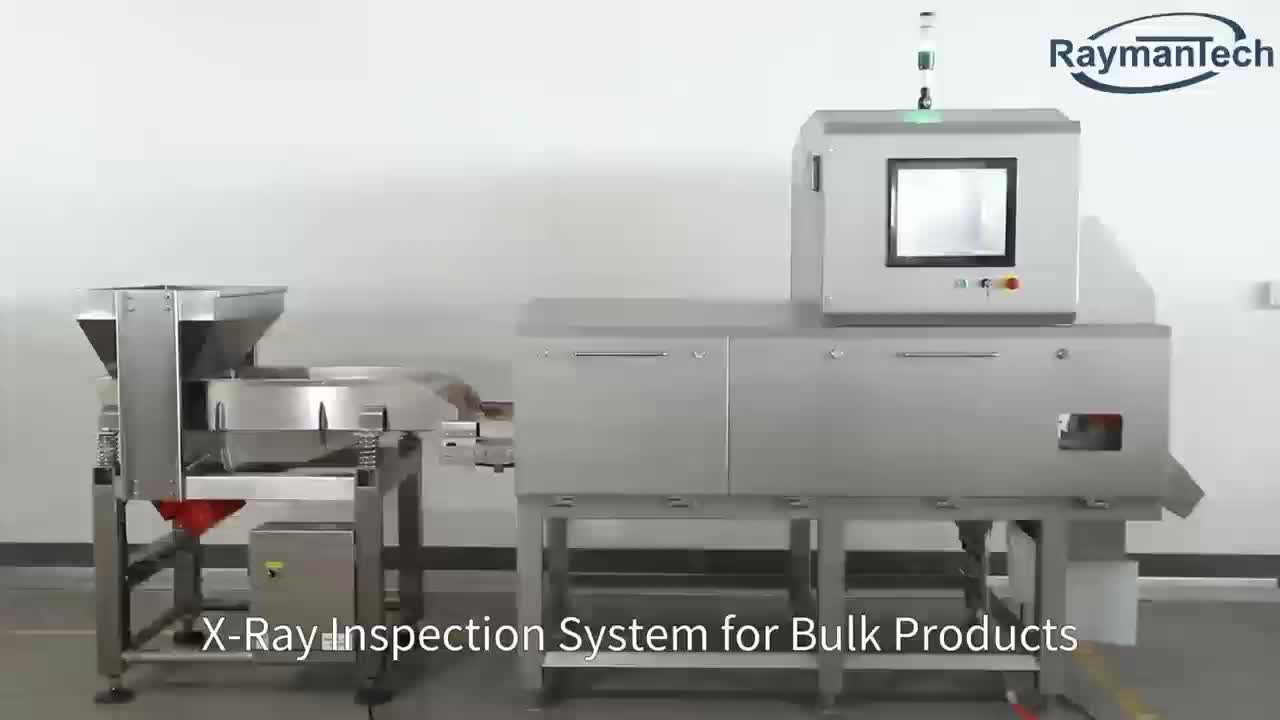
Conventional and unconventional contaminant detect...
Select the most popular foreign trade service products to meet your diverse needs
Select the most popular foreign trade service products to meet your diverse needs









User Comments
Service Experience Sharing from Real Customers
Michael Rodriguez
Quality Control ManagerThis almonds sorting machine has revolutionized our production line. The accuracy in detecting defects and foreign materials is exceptional, significantly reducing our manual sorting time. A game-changer for nut processing facilities.
Sarah Chen
Farm Operations DirectorOutstanding performance in sorting almonds by size and quality. The machine's efficiency has increased our output by 30% while maintaining consistent quality standards. Highly recommended for almond growers and processors.
David Thompson
Production SupervisorReliable and efficient machine that has streamlined our sorting process. The color sorting capability is particularly impressive, ensuring only premium quality almonds reach packaging. Minor maintenance requirements, but overall excellent value.
Jennifer Williams
Food Safety CoordinatorThis sorting machine exceeds all our food safety standards. The precision in removing contaminated or substandard almonds is remarkable. Easy to clean and maintain, making it perfect for facilities with strict hygiene protocols.