 English EN
 中国 CN
中国 CN

Revolutionizing Quality Control with Advanced Hazelnuts Sorting Machines
Advanced nut sorting machine technology combines H...
More

Five names dominate the corn seeds optical sorter industry: Bühler Group, TOMRA, Satake, Key Technology, and Meyer Optoelectronic. These companies set industry standards with advanced sorting technologies, machine reliability, and extensive market presence.
The global agricultural optical sorter market shows significant growth potential, underscoring the technology's rising importance.
Metric Value Market Size (2024) USD 1.2 Billion Projected CAGR (2026-2033) 9.5% Projected Market Size (2033) USD 2.5 Billion
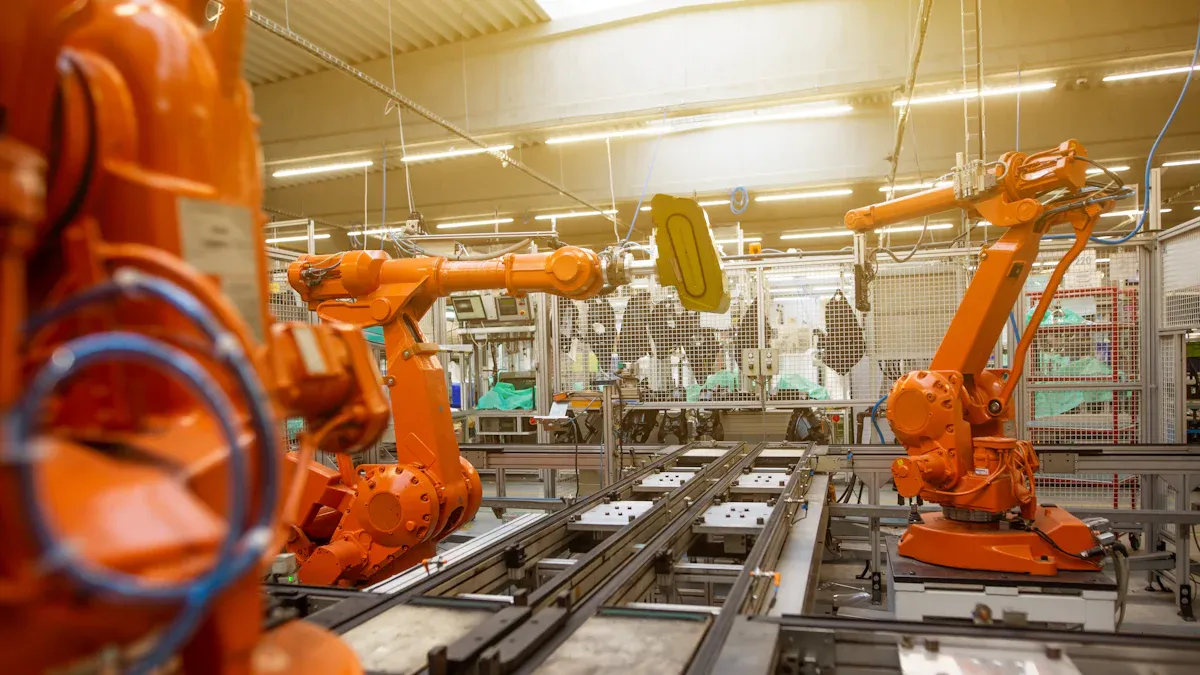
A corn seeds optical sorter automates quality control with incredible speed and precision. It inspects every kernel, identifies defects, and removes unwanted material from the product stream. This process ensures only the highest quality seeds are packaged for sale. Modern machines can process up to 15 tons per hour, dramatically improving efficiency for seed producers.
The sorting operation follows a clear, four-step sequence that happens in milliseconds.
Infeed and Presentation: Seeds enter the machine via a vibratory feeder. This component spreads the kernels into a uniform, single layer. They then accelerate into a free-fall trajectory.
Inspection: As kernels fall, they pass through an inspection zone. High-resolution cameras and specialized sensors scan them from all sides under high-intensity LED lighting.
Data Processing: The machine’s processor instantly analyzes images from the cameras. It compares each kernel against pre-set quality parameters for color, size, and shape.
Ejection: If the system identifies a defect, it calculates the kernel's exact position. A precise puff of compressed air from a high-speed ejector then knocks the unwanted item into a reject chute, leaving the good product stream untouched.
The remarkable accuracy of modern sorters stems from the integration of several advanced technologies. These systems combine sophisticated hardware with intelligent software to deliver superior performance.
Note: Advanced sorters can detect micro-sized defects invisible to the human eye, including foreign bodies and subtle imperfections.
Key technologies include:
High-Resolution Imaging: Full-color RGB cameras are the foundation, detecting visible defects. Advanced systems add multispectral or hyperspectral imaging, which uses non-visible light wavelengths like Near-Infrared (NIR) and Short-Wave Infrared (SWIR). This allows the sorter to identify issues related to chemical composition, such as mycotoxin presence.
Artificial Intelligence (AI): Machine learning algorithms enable the sorter to "learn" and adapt. By analyzing vast datasets, AI models improve their ability to classify complex defects. Methods like 10-fold cross-validation help train these models to achieve classification accuracies above 90%, ensuring continuous improvement.
Ejection Systems: Banks of high-speed air nozzles deliver precise, powerful bursts of air to remove defects without disturbing adjacent good kernels.
These technologies work together to remove a wide range of unwanted materials and flawed kernels.
Discolored, insect-damaged, or broken kernels
Misshapen or shriveled kernels
Kernels with high levels of mycotoxins (e.g., aflatoxin)
Foreign materials like stones or sticks
The Bühler Group, a Swiss technology company, holds a commanding position in the global grain processing industry. With over 160 years of experience, the company has built a reputation for engineering robust, high-capacity machinery. Bühler provides solutions that cover the entire agricultural value chain. Its expertise in large-scale operations makes it a trusted partner for major seed producers worldwide seeking reliability and efficiency.
Bühler integrates cutting-edge technology to achieve superior sorting accuracy. Its systems utilize high-resolution, full-color cameras to detect visible defects with precision. A standout innovation is LumoVision, a technology developed to combat mycotoxins like aflatoxin. This system uses powerful UV lighting to identify the specific bright green fluorescence of contaminated kernels. It then analyzes this data in the cloud to provide real-time risk reports.
LumoVision is a breakthrough in food safety. It can identify and remove up to 90% of aflatoxin-contaminated maize while keeping yield loss below 5%.
This data-driven approach allows the machine to adapt its sorting intensity based on contamination risk, optimizing both safety and efficiency.
The SORTEX H SpectraVision represents the pinnacle of Bühler's sorting technology. This versatile corn seeds optical sorter is engineered for maximum purity and germination potential. It effectively removes diseased kernels, insect damage, and foreign seeds. Key features include:
Advanced Cameras: It combines proprietary full-color cameras for superior color differentiation with InGaAs cameras for detecting foreign materials invisible to the human eye.
Intelligent Ejection: New algorithms improve ejection accuracy, significantly reducing the accidental removal of good kernels.
Cloud Connectivity: The machine connects to Bühler Insights, an Industry 4.0 platform that allows for remote monitoring and performance optimization.
TOMRA, a Norwegian company, is a global leader in sensor-based solutions. The company's pioneering spirit is evident in its heavy focus on innovation. TOMRA consistently dedicates eight percent of its total revenue to research and development. This substantial investment fuels the creation of next-generation sorting technologies. It solidifies TOMRA's reputation as a primary driver of technological advancement in the agricultural sector.
TOMRA's key advantage lies in its proprietary Biometric Signature Identification (BSI+) technology. This system moves beyond conventional RGB imaging. It inspects material based on unique biological characteristics. BSI+ technology combines with lasers and cameras to identify a material's fingerprint. This allows the sorter to differentiate good kernels from foreign material or defects with incredible accuracy.
BSI+ technology can detect a wide range of material properties, including:
Chlorophyll content and biological characteristics
Mycotoxins and moisture levels
Subtle color, shape, and structural defects
Advanced Foreign Material Detection (AFMD)
This multi-faceted approach enables the removal of challenging defects that other systems might miss.
The TOMRA 3C is a high-performance sorter designed for seeds, grains, and nuts. It combines double-sided, high-resolution RGB cameras with a dual-laser system. This configuration provides superior removal of foreign materials like glass, plastics, and stones. The machine also excels at identifying subtle color and shape defects in corn kernels. Its intelligent ejection system ensures a very low rate of false rejects, maximizing product yield. For processors needing the highest level of precision, the Nimbus BSI+ model integrates the advanced BSI technology, offering unparalleled sorting capabilities based on material composition.
Satake, a Japanese company with over a century of history, is a global leader in grain processing and sorting. The company is renowned for its commitment to precision engineering and product quality. Satake's philosophy centers on meticulous design and manufacturing, resulting in highly reliable and accurate machinery. This focus on detail has earned it a strong reputation among agricultural producers who demand consistency and minimal product loss. Satake sorters are trusted to handle delicate products like seeds, where preserving quality is paramount.
Satake's sorting accuracy comes from its advanced imaging systems. The company's EVOLUTION series uses RGB full-color cameras that function like the human eye. These cameras process over 16 million colors, allowing them to detect very subtle shade differences in discolored kernels. For more difficult contaminants, Satake integrates size and shape recognition technology. This provides an extra layer of security by distinguishing acceptable products from rejects based on their physical dimensions. Proprietary image processing and advanced algorithms further enhance the machine's ability to remove defects with precision.
The Evolution RGBR is one of Satake's premier sorters for the seed industry. It combines full-color cameras with shape recognition to deliver exceptional sorting performance. The machine effectively removes foreign materials, discolored kernels, and other imperfections.
The FMS-2000 is another key model, specifically designed for seed corn. It uses a combination of color and NIR cameras to detect defects related to both appearance and composition, ensuring high germination rates and purity.
Key features of Satake's flagship models include:
High-Resolution Cameras: Full-color cameras identify a wide spectrum of defects.
Shape Recognition: Sorts material based on geometric properties for enhanced accuracy.
User-Friendly Interface: A large touch-screen panel simplifies machine setup and operation.
Key Technology, a US-based member of the Duravant family of companies, excels at providing complete, integrated processing lines. The company designs solutions that extend beyond the sorter itself, incorporating conveyors and other handling equipment to optimize product flow. This holistic approach ensures maximum efficiency. For example, one processor integrated a VERYX sorter with upstream vibratory conveyors. This system increased yield by 35% and allowed four workers per shift to be reallocated to other important roles. This demonstrates Key's leadership in creating durable, end-to-end solutions for the food processing industry.
Key Technology’s competitive edge comes from its patented Pixel Fusion™ detection technology. This advanced system combines pixel-level data from multiple cameras and laser sensors. The process merges information from different sources to create higher contrasts and a unique "signature" for each object in the product stream.
Pixel Fusion™ is crucial for identifying challenging foreign materials and defects with precision. It allows the sorter to differentiate between good product and unwanted items without generating false rejects.
This technology ensures consistent removal of difficult-to-detect items, safeguarding product quality and maximizing yield.
The VERYX® Digital Sorter is Key Technology’s premier solution, engineered for durability and intelligent operation. It is designed to perform reliably in demanding production environments with minimal operator intervention.
Smart Features: The sorter uses auto-learning and self-adjustment algorithms to adapt to changes in product and environment, while predictive diagnostics alert operators to potential issues.
Durable by Design: Its unique architecture places sensor windows and light sources away from product splatter. This design reduces sanitation needs and ensures consistent performance over time.
Ease of Use: A highly intuitive, recipe-driven interface simplifies operation. A new operator can become proficient with the system in less than one hour, reducing training requirements.
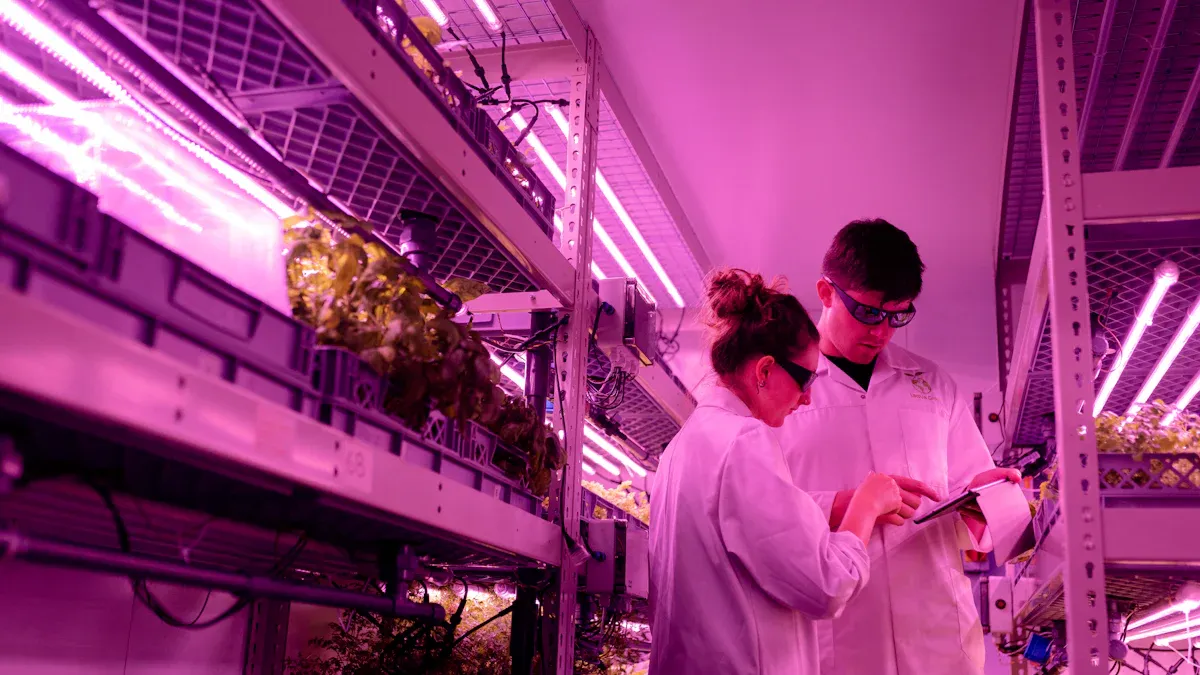
Meyer Optoelectronic, a prominent Chinese technology company, pioneers the integration of artificial intelligence into optical sorting. The company dedicates significant resources to developing advanced deep learning algorithms. This focus allows their machines to move beyond simple rule-based sorting. Meyer sorters learn from vast datasets to recognize complex and subtle defects with remarkable precision.
Meyer's AI technology empowers its sorters to mimic and surpass human visual inspection. The system continuously improves its classification accuracy, ensuring consistent and reliable quality control.
This intelligent approach establishes Meyer as a leader in next-generation, AI-driven sorting solutions for the agricultural industry.
Meyer's technological strength lies in its multi-spectral imaging systems. The company combines high-resolution RGB cameras for visible defect detection with advanced infrared cameras. Meyer utilizes proprietary InGaAs (Indium Gallium Arsenide) camera technology, which is highly sensitive in the Near-Infrared (NIR) spectrum. Standard cameras are less effective in this range. This allows Meyer sorters to identify the unique signatures of foreign materials like plastics or certain stones that are invisible to the human eye. This dual-camera approach provides a comprehensive inspection of each kernel.
The DREAM Series AI Sorter is Meyer's flagship product, embodying its commitment to AI innovation. This machine is engineered to deliver high-purity sorting results for corn seeds and other grains. It integrates the company's core technologies into a single, powerful platform. Key features include:
AI Deep Learning: A powerful algorithm identifies and classifies defects with self-learning capabilities.
Multi-Spectral Cameras: Combines full-color and InGaAs infrared cameras for comprehensive defect and foreign material removal.
Intelligent Ejection: High-frequency ejectors provide precise removal of rejects, minimizing the loss of good product.
Choosing the right corn seeds optical sorter depends on your specific operational priorities. Each leading brand offers distinct advantages tailored to different needs, from massive throughput to specialized defect detection.
Processors handling large quantities of corn seed should consider Bühler and TOMRA. Bühler’s machinery is engineered for industrial-scale grain processing, offering robust performance and reliability. TOMRA also provides high-capacity sorters that maintain efficiency without compromising quality, making both brands ideal for major seed producers.
For operations demanding the highest purity, Satake and TOMRA are top contenders. Satake’s reputation is built on Japanese precision engineering. TOMRA’s BSI+ technology provides exceptional accuracy by analyzing material composition. Modern detection models reflect this focus on precision. For example, the CST-YOLOv5s model achieves 97.2% precision in detecting kernel breakage, while other systems reach 91% accuracy when identifying undamaged popcorn.
Key Technology excels at providing complete, end-to-end solutions. The company designs integrated systems that include conveyors and other handling equipment. This holistic approach optimizes the entire production line. It ensures seamless product flow into and out of the sorter, maximizing overall plant efficiency.
Meyer Optoelectronic leads the market in AI-driven sorting. The company’s deep learning algorithms enable machines to identify complex defects with superior accuracy. Studies confirm the advantages of this approach.
AI-driven models consistently outperform traditional machine learning methods for seed classification.
An improved 1DCNN model achieved classification accuracy above 90%.
The advanced CLA-CA model reached an accuracy of 95.38% for 30 varieties of corn seeds.
AI models also reduce processing time by eliminating steps required by older systems.
The top five brands—Bühler, TOMRA, Satake, Key Technology, and Meyer—provide distinct advantages for sorting. A final choice requires a careful assessment of operational needs, including volume, common defects, and budget.
Investing in the right corn seeds optical sorter is a critical step toward enhancing seed quality, maximizing yield, and improving profitability.
A sorter delivers a strong ROI by increasing yield, improving seed quality, and reducing labor. Payback periods often range from one to three years for most operations.
Modern sorters require minimal maintenance. Key tasks include:
Routine cleaning of cameras and backgrounds
Verification of calibration to ensure consistent performance
Scheduled checks of the ejection system
Yes, these machines are highly versatile. Operators create and save specific sorting profiles, or "recipes," for different corn varieties. This ensures optimal performance for each seed type.

We provide you with comprehensive foreign trade solutions to help enterprises achieve global development
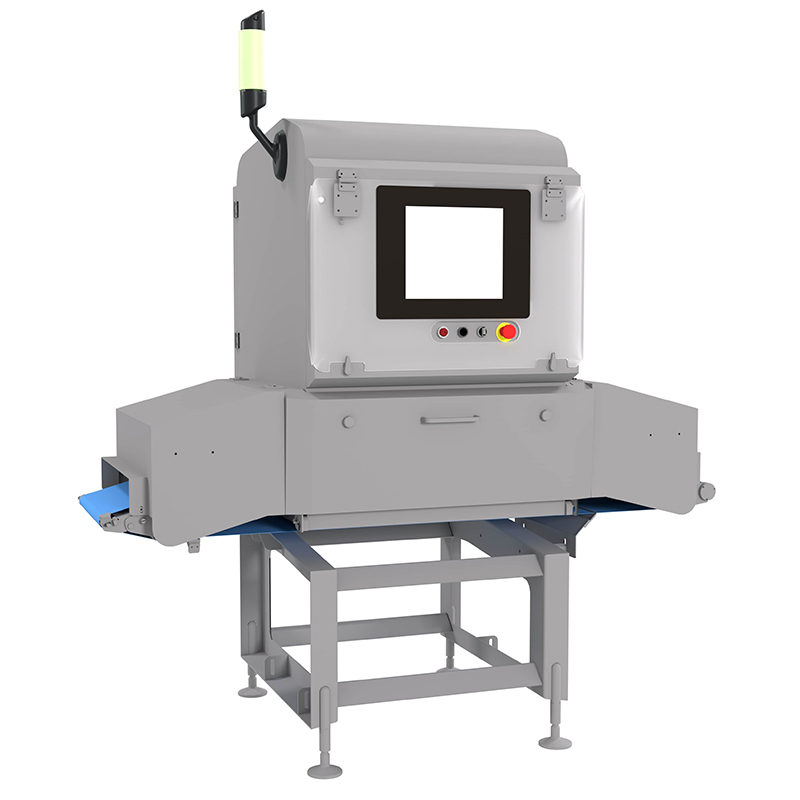
Uneven and overlapped product detection, thin & lo...
.png)
Recommedation: Aquatic products, pet food, candy, ...
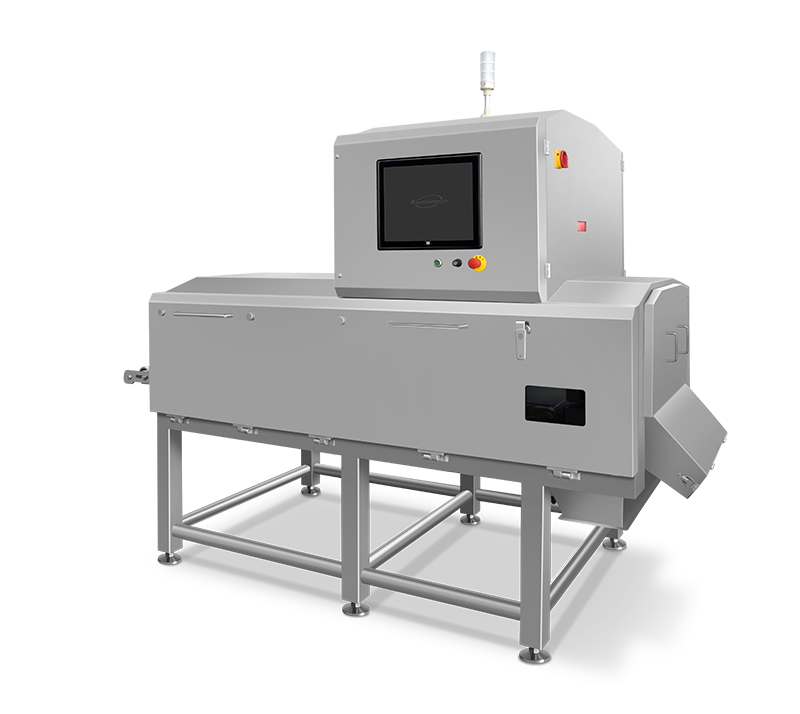
Conventional and unconventional contaminant detect...
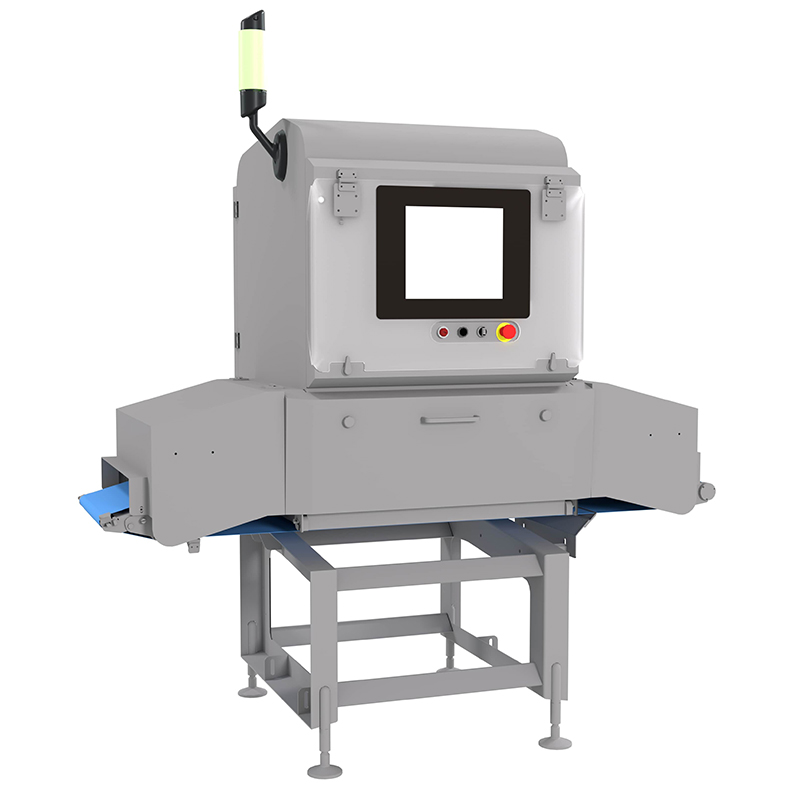
Both fat analysis and contaminant inspection (bone...
Select the most popular foreign trade service products to meet your diverse needs
Select the most popular foreign trade service products to meet your diverse needs



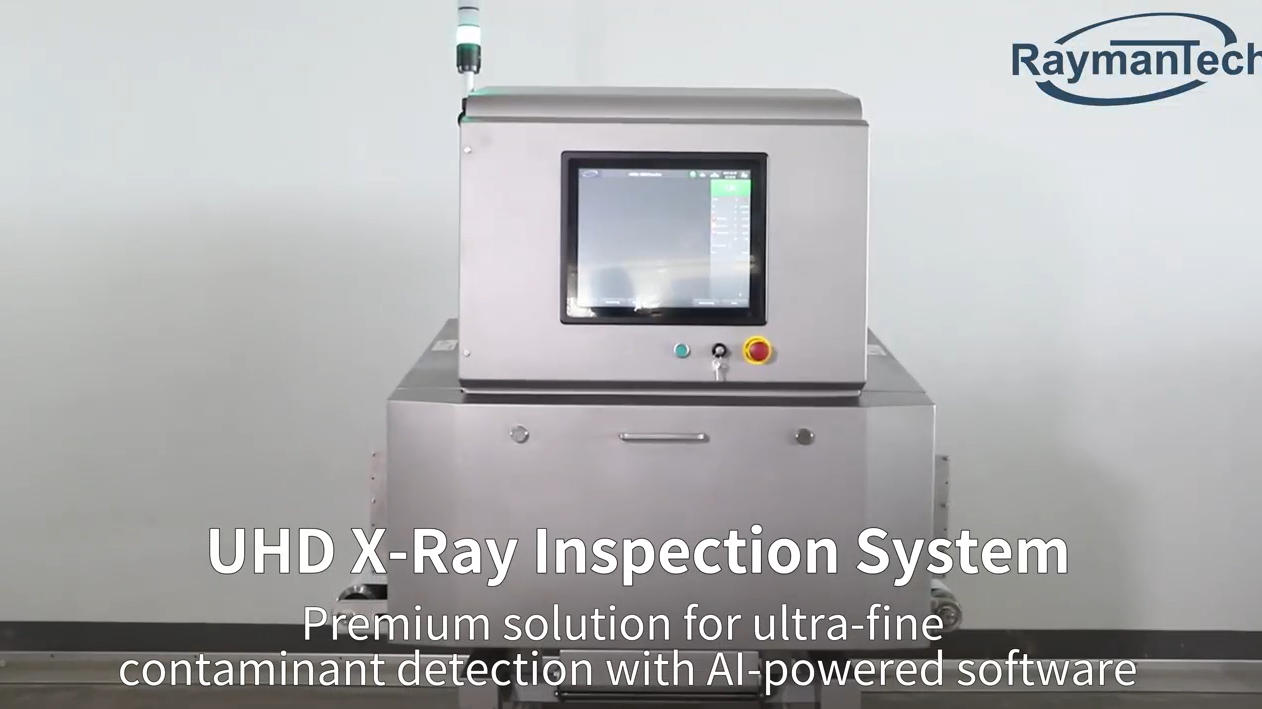

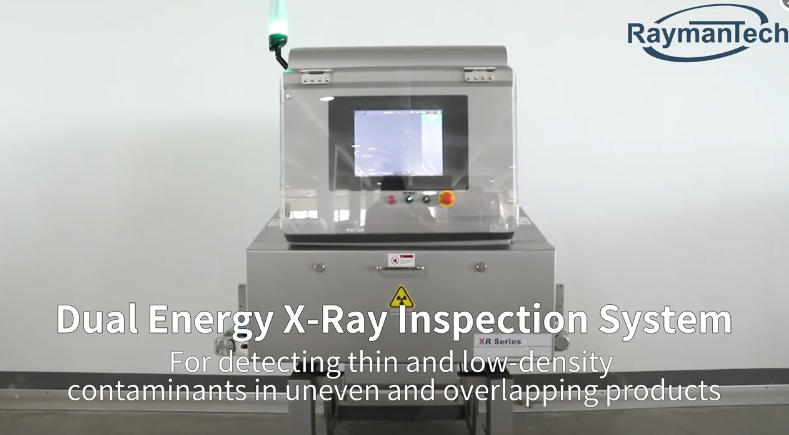



User Comments
Service Experience Sharing from Real Customers
Michael Rodriguez
Farm ManagerThis corn seeds optical sorter has revolutionized our seed processing line. The accuracy in removing defective seeds is remarkable, and we've seen a significant improvement in germination rates. The machine is robust and requires minimal maintenance.
Sarah Chen
Production SupervisorAs a seed processing facility, we rely heavily on precision sorting. This optical sorter exceeds expectations with its advanced imaging technology and user-friendly interface. Our productivity has increased by 30% since installation.
James Wilson
Agricultural EngineerThe optical sorter delivers excellent performance in separating corn seeds by color and size. The calibration process is straightforward, and the results are consistent. Minor software glitches occasionally occur, but overall it's a reliable machine.
Emily Thompson
Quality Control ManagerOutstanding investment for our seed company! The optical sorter has dramatically reduced manual sorting labor and improved our seed quality standards. The technical support team is responsive and knowledgeable when we need assistance.