 English EN
 中国 CN
中国 CN
.png)
RaymanTech Whole-Chain Solution: A Deep Dive
Food safety and quality control demands have evolv...
More

An optical sorter is a machine that utilizes cameras and other sensors to inspect products on a production line, removing items that fail to meet specific criteria. This can include products with incorrect color, size, or shape, or those contaminated with foreign materials.
Optical sorters are employed across a wide range of industries, including food processing, recycling, and mining. Within the food industry, they are used to sort everything from fruits and vegetables to nuts and grains.
There are various types of optical sorters, each possessing unique strengths and weaknesses. Some sorters excel at detecting color defects, while others are more adept at identifying shape imperfections. The cost of these sorters can also vary significantly.
The optimal optical sorter for a particular application will depend on the specific needs of the business. Factors to consider include the type of product being sorted, the desired quality level, and the allocated budget.
Here are some of the benefits of implementing an optical sorter:
Enhanced product quality
Increased efficiency
Reduced labor costs
Improved food safety
If you operate within the food processing industry, an optical sorter represents a valuable investment. It can help you elevate the quality of your products, boost your efficiency, and decrease your operational costs.
Here are some of the top-rated optical sorters that offer an excellent dried carrots sorting solution:
TOMRA 5C
Bühler SORTEX H
Key Technology VERYX
Satake FMS2000
TOMRA 3C
These sorters are all high-quality machines capable of improving the quality of your dried carrots. They are also relatively user-friendly and easy to maintain.
If you are seeking an optical sorter for your dried carrot line, I recommend considering one of the machines on this list. You will not be disappointed.
In addition to the information above, I have also included a table detailing the global market size and growth forecast for the dried carrot industry. This data can be instrumental in making an informed decision about whether to invest in an optical sorter.
| Metric | Value |
|---|---|
| Global Carrot Powder Market Size (2024) | USD 1.43 Billion |
| Global Carrot Powder Market Size (2035) | USD 3.29 Billion |
| CAGR (2025-2035) | 7.87% |
I hope this information proves helpful. Please do not hesitate to reach out if you have any further questions.
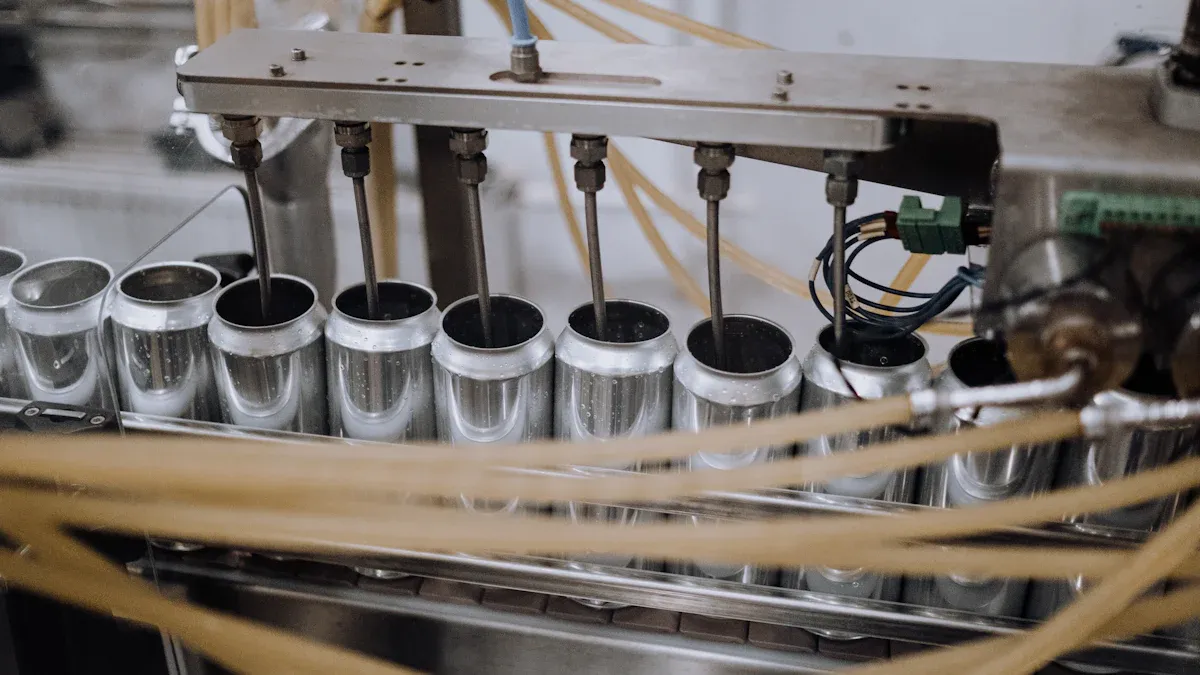
The TOMRA 5C optical sorter represents the next generation of food sorting technology. It combines high-resolution lasers and advanced cameras with intelligent software. This machine sets a high standard for processors who demand maximum purity and product quality for their dried carrots. Its design focuses on identifying the most challenging defects with exceptional accuracy.
The TOMRA 5C excels at detecting subtle imperfections common in dried carrots, such as dark spots, green tops, and over-dried pieces. Its primary advantage comes from TOMRA’s unique Biometric Signature Identification (BSI+) technology. This advanced system looks beyond what the human eye can see.
BSI+ technology inspects material on a chemical and molecular level.
It easily distinguishes between good product and foreign material, even if they share the same color.
The technology was developed in-house by TOMRA, ensuring seamless integration.
This capability allows the sorter to remove unwanted vegetable matter, wood, and plastics with unparalleled precision, protecting the final product integrity.
Processors choose the TOMRA 5C for its ability to deliver a premium final product while minimizing waste. The sorter’s high precision significantly reduces the amount of good product that is accidentally rejected. This efficiency can lead to substantial reductions in production costs and a faster return on investment. Its combination of AI and advanced sensor technology makes it a forward-thinking choice for any modern processing line.
Pro Tip: For businesses aiming for the highest quality grade, the TOMRA 5C offers a premium dried carrots sorting solution that ensures brand protection and customer satisfaction.
The machine’s performance justifies its position as a top-tier sorter for companies where quality cannot be compromised.
The Bühler SORTEX H is engineered for large-scale food processors who prioritize both throughput and food safety. This machine combines high-speed sorting with an exceptionally hygienic framework. It is a powerful choice for producers managing large volumes of dried carrots daily. Its design focuses on maximizing uptime and ensuring compliance with strict food safety regulations.
The SORTEX H uses advanced inspection technology to handle the specific challenges of sorting dried carrots. Its multi-chromatic cameras are highly effective at identifying and removing defects.
High-Resolution RGB Cameras: These cameras accurately detect subtle color variations, such as brown spots, over-dried dark pieces, and green remnants.
PROfile™ Shape Recognition: This technology analyzes the size and shape of each piece, efficiently ejecting broken fragments and clumps.
Open, Hygienic Construction: The machine features a stainless steel frame with sloped surfaces. This design minimizes product buildup and allows for quick, thorough cleaning, which is critical for preventing microbial growth.
These features work together to deliver a clean, uniform final product while handling significant processing volumes.
Processors select the SORTEX H for its unmatched combination of speed and sanitation. Its ability to process tons of product per hour makes it an ideal dried carrots sorting solution for high-capacity production lines. The focus on hygienic design directly translates to enhanced food safety and reduced operational downtime for cleaning. This efficiency helps lower the total cost of ownership over the machine's lifespan.
Note for High-Volume Processors: The SORTEX H is built for scale. Its robust performance ensures consistent quality even during peak production, making it a reliable workhorse for industrial-level operations.
The machine's proven reliability and efficiency secure its place as a leading option for processors aiming to expand their output without compromising on quality.
The Key Technology VERYX platform transforms sorting from a simple mechanical process into an intelligent, data-rich operation. It is designed for processors who want to leverage data to optimize quality and yield. The VERYX sorter combines advanced hardware with powerful software to provide deep insights into the production line.
VERYX sorters utilize a powerful combination of sensors to achieve superior detection. This multi-sensor approach is ideal for identifying the full range of defects in dried carrots, from subtle color spots to foreign materials. Its unique architecture provides a complete view of each carrot piece.
Total Product Inspection: VERYX is the only belt-fed sorter that can inspect product entirely in-air with sensors positioned both above and below the product stream.
High-Resolution Sensors: Next-generation 4-channel cameras and laser scanners offer double the resolution of previous technologies, detecting smaller defects with greater accuracy.
Pixel Fusion™ Technology: This advanced feature combines data from multiple cameras and lasers at the pixel level. It creates a clearer distinction between good product, defects, and foreign material.
The VERYX platform stands out for its ability to turn sorting data into actionable intelligence. Its Sort-to-Grade® (STG) software makes intelligent accept/reject decisions to meet final grade specifications while maximizing yield. This smart system can increase yields by one to three percent by allowing an acceptable amount of minor defects to pass.
The value of VERYX with Sort-to-Grade is threefold. It enables processors to address complex product specs to guarantee their quality objectives are met. At the same time, it maximizes yields by passing the ideal amount of acceptable defects, colors, sizes and shapes, all while minimizing operator intervention for better profitability.
Furthermore, the Key Discovery™ feature turns the VERYX into an IIoT-connected device. It collects and analyzes data on every object, providing insights that help optimize upstream processes and improve overall line efficiency. This makes it more than just a sorter; it is a comprehensive dried carrots sorting solution for the modern, data-driven processor.
The Satake FMS2000 offers a robust and reliable approach to sorting, emphasizing high-fidelity color and shape detection. This machine is an excellent choice for processors who need consistent, high-quality results through proven technology. It balances advanced capabilities with straightforward operation, making it a dependable workhorse on the production line.
The FMS2000 excels at identifying common defects in dried carrots using its specialized sensor combination. Its full-color cameras provide exceptional detail for accurate defect removal. The machine is equipped with full-color RGB cameras that have a resolution of 0.14mm/pixel, allowing them to spot even minor imperfections.
High-Resolution Full-Color Cameras: These sensors accurately detect subtle color defects like dark scorch marks, green spots, and pale, under-colored pieces.
Advanced Shape Recognition: The system analyzes the size and shape of each item, effectively identifying and ejecting foreign shapes, clumps, and broken carrot fragments.
User-Friendly Interface: Operators can easily adjust sorting parameters through an intuitive touchscreen, simplifying setup and changeovers.
This combination ensures a final product that is uniform in both color and size.
Processors value the Satake FMS2000 for its precision and reliability. It provides a powerful dried carrots sorting solution without the steep learning curve of more complex systems. Its strength lies in executing the fundamentals of color and shape sorting with exceptional accuracy. This focus makes it a cost-effective option for producers aiming to significantly upgrade their quality control and product consistency.
For Consistent Quality: The FMS2000 is ideal for operations that require a high degree of sorting accuracy for color and shape but do not need the advanced material analysis of laser or BSI+ systems.
Its proven performance and ease of use secure its spot as a top contender for processors seeking a dependable and efficient sorting machine.
The TOMRA 3C offers a powerful and accessible dried carrots sorting solution for processors who need high performance without the premium price tag. This machine is engineered to deliver excellent sorting results in high-volume environments. It combines proven sensor technologies to provide a reliable and efficient defense against common defects and foreign materials, making it a practical choice for a wide range of production lines.
The TOMRA 3C uses a sophisticated combination of sensors to ensure a clean and safe final product. Its design focuses on effectively identifying and removing imperfections that can compromise the quality of dried carrots. The machine provides a high level of sorting precision through its integrated technologies.
It features an advanced combination of high-resolution color cameras and dual lasers.
This setup allows for unparalleled sorting of minor foreign matter, shape defects, and discoloration.
The technology results in a very low false rejection rate, which directly increases the overall product yield.
This dual-detection system accurately spots issues like dark spots, green pieces, and foreign vegetable matter, ensuring a consistent final product.
Processors choose the TOMRA 3C for its exceptional balance of performance, throughput, and cost. It provides access to TOMRA's leading sorting technology in a package designed for a faster return on investment. Its ability to handle large volumes while minimizing the rejection of good product makes it highly efficient. This efficiency reduces waste and maximizes profitability, which is a critical factor for any large-scale operation.
For the Budget-Conscious Processor: The TOMRA 3C delivers robust sorting capabilities that significantly enhance product quality and safety, offering one of the best price-to-performance ratios on the market.
Its reliability and cost-effectiveness make it a top contender for businesses looking to upgrade their sorting capabilities and boost their bottom line.
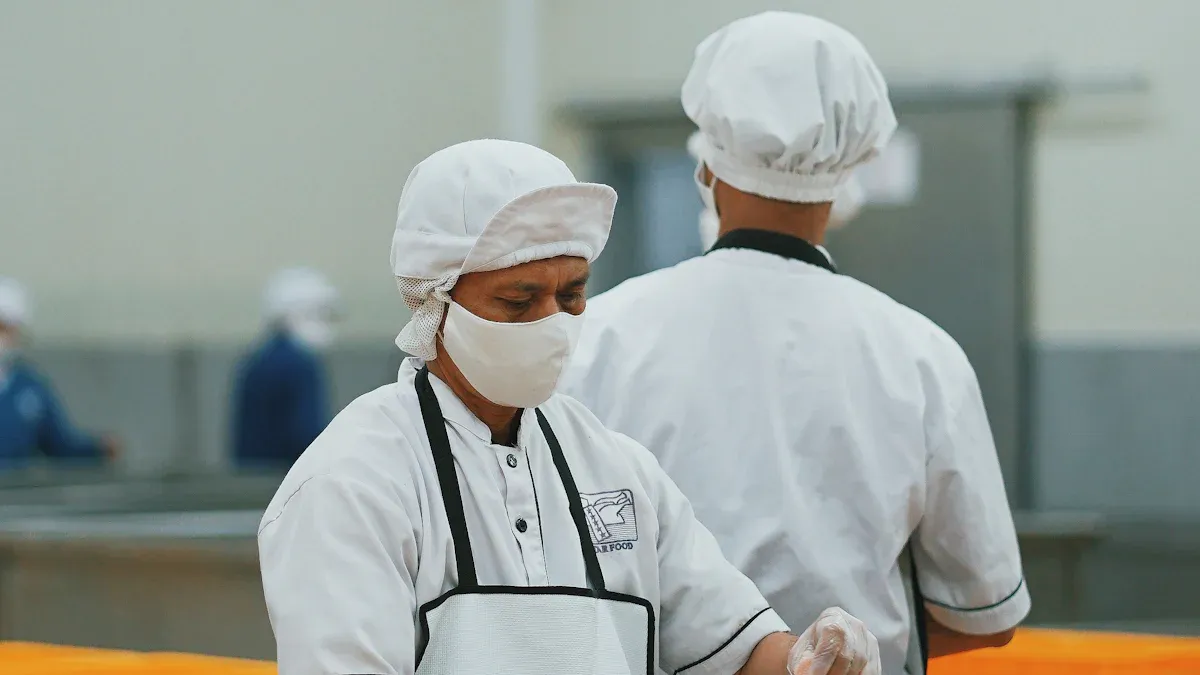
Selecting the right optical sorter involves more than just picking a model from a list. Processors must analyze their specific operational needs to find the most effective machine. Key considerations include production volume, defect types, and financial returns.
Throughput refers to the amount of product a sorter can process in a given time, usually measured in tons per hour. A facility's production line speed directly impacts its throughput needs. Automation is essential for modern high-volume production.
Optical sorters replace slower manual inspection with machine precision.
Machines operate much faster than human sorters.
This speed allows production lines to process higher volumes in less time. A sorter’s capacity must match or exceed the line's output to prevent bottlenecks and maintain efficiency.
Each production line faces unique challenges with defects. Dried carrots can have issues like dark spots, green remnants, scorch marks, or foreign materials. Processors must evaluate which defects are most critical to remove. Some sorters use high-resolution RGB cameras for color and shape. Others employ advanced lasers or BSI+ technology to detect contaminants based on their chemical structure. The right dried carrots sorting solution must have the correct sensors to meet final product quality specifications.
An optical sorter is a significant capital investment. Therefore, businesses must consider both the initial cost and the long-term return on investment (ROI). ROI is calculated by analyzing cost reductions and efficiency gains. Automating inspection reduces significant labor costs, including salaries and training. It also minimizes the "cost of poor quality" by preventing returns, rework, and brand damage from inconsistent output.
A well-chosen sorter can deliver substantial ROI. Manufacturing companies often see overall cost reductions of 10% to 15% by automating quality control and improving operational efficiency.
This financial analysis helps justify the investment and demonstrates the sorter's value over its lifespan.
Choosing the right sorter requires a careful comparison of technology, capacity, and intended use. Each model offers distinct advantages tailored to specific production goals. This analysis helps processors match a machine's strengths to their operational needs.
A sorter's technology determines its detection capabilities. For common color defects like scorch marks or green spots, high-resolution RGB cameras are the standard. However, removing foreign materials requires more advanced systems.
Cimbria's SEA.IQ PLUS and similar models use Near-Infrared (NIR) cameras.
NIR technology excels at separating foreign materials like sticks, stones, and plastic from good products, even if they share the same color.
Hyperspectral sensors, found in machines like the Cimbria SEA.HY, identify materials by their unique chemical signature for the highest level of purity.
Processors must identify their most critical defects to select the appropriate sensor technology.
A sorter must match the production line's speed to prevent bottlenecks. Capacity varies significantly between models.
| Sorter Model | Typical Throughput (Tons/Hr) |
|---|---|
| Bühler SORTEX H | 5 - 15 |
| TOMRA 3C | 4 - 14 |
| Key Technology VERYX | 2 - 12 |
| TOMRA 5C | 2 - 10 |
| Satake FMS2000 | 1 - 8 |
High-capacity models like the Bühler SORTEX H are built for industrial-scale output, while others offer a balance of precision and moderate throughput.
The best dried carrots sorting solution depends on the scale of the operation. Large-scale industrial processors benefit most from high-precision optical sorting machines. These systems ensure the consistency and quality required for large contracts and export markets. In contrast, small-batch artisanal producers might begin with manual-assisted sorting before investing in full automation.
Key Takeaway: Match the machine to your mission. High-volume lines need a workhorse like the SORTEX H, while data-driven operations benefit from the intelligence of the VERYX.
Selecting the right sorter depends on production volume, quality targets, and budget. Processors should match a machine's strengths to their operational goals, whether it is the AI-driven precision of the TOMRA 5C or the high-volume efficiency of the Bühler SORTEX H.
Contact our specialists to discuss which of these top-rated models provides the best dried carrots sorting solution for your specific requirements.
Processors often see a return on investment within one to three years. Increased yield, reduced labor costs, and improved product quality drive this fast payback for the business.
Sorters require routine cleaning of cameras, lights, and belts. Manufacturers also provide scheduled service checks. This simple upkeep ensures optimal performance and extends the machine's operational lifespan.
Yes, modern sorters offer great flexibility. Operators can save and load pre-set sorting programs for different products. This feature allows for quick changeovers on diverse production lines.

We provide you with comprehensive foreign trade solutions to help enterprises achieve global development
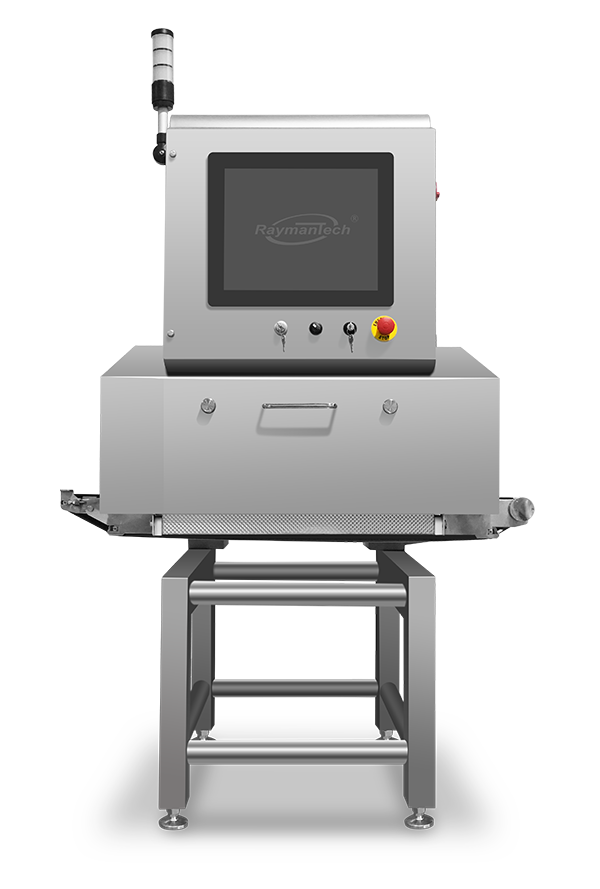
Ultra-fine contaminants detection, UHD X-Ray detec...
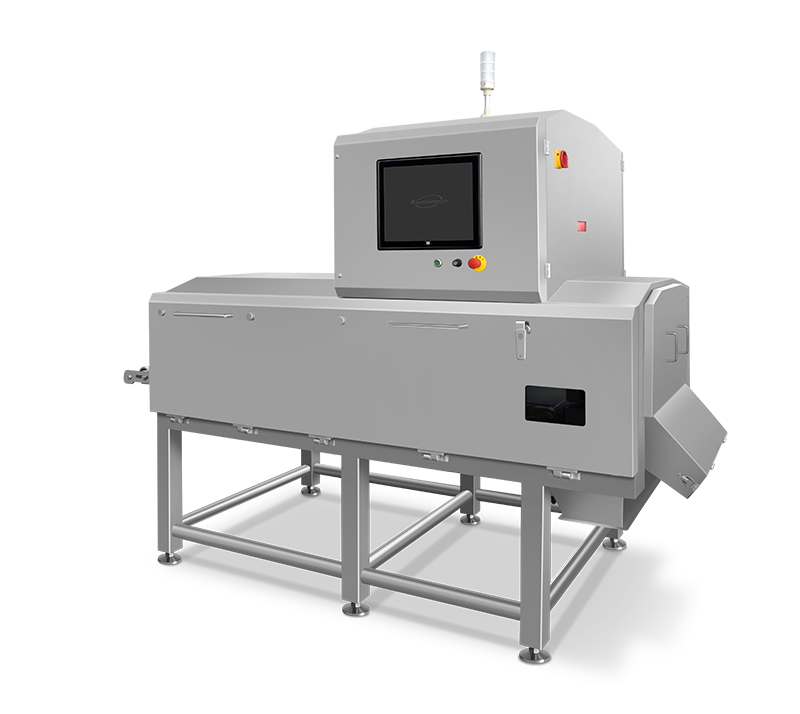
Conventional and unconventional contaminant detect...

UHD X-Ray detector, AI large model, all food indus...
Chicken bone inspection, global poultry AI databas...
Select the most popular foreign trade service products to meet your diverse needs
Select the most popular foreign trade service products to meet your diverse needs







User Comments
Service Experience Sharing from Real Customers
Michael Rodriguez
Quality Control ManagerThis dried carrots sorting solution has revolutionized our production line. The accuracy in detecting and removing discolored pieces is exceptional, significantly reducing our waste and improving overall product quality. A game-changer for our operation.
Sarah Chen
Production SupervisorOutstanding performance! The automated sorting system handles our high-volume dried carrot processing with incredible speed and precision. The user-friendly interface made training our staff straightforward. Highly recommended for any food manufacturing facility.
David Thompson
Operations DirectorImpressive technology that has streamlined our sorting process. The system consistently identifies and removes substandard dried carrots with remarkable accuracy. While the initial investment was substantial, the ROI through reduced labor costs and improved efficiency is already evident.
Jennifer Williams
Plant ManagerThis sorting solution exceeded our expectations. The advanced vision system detects even the slightest imperfections in dried carrots that human sorters might miss. Maintenance is minimal, and the technical support team is responsive and knowledgeable. Excellent investment for quality-conscious producers.