 English EN
 中国 CN
中国 CN
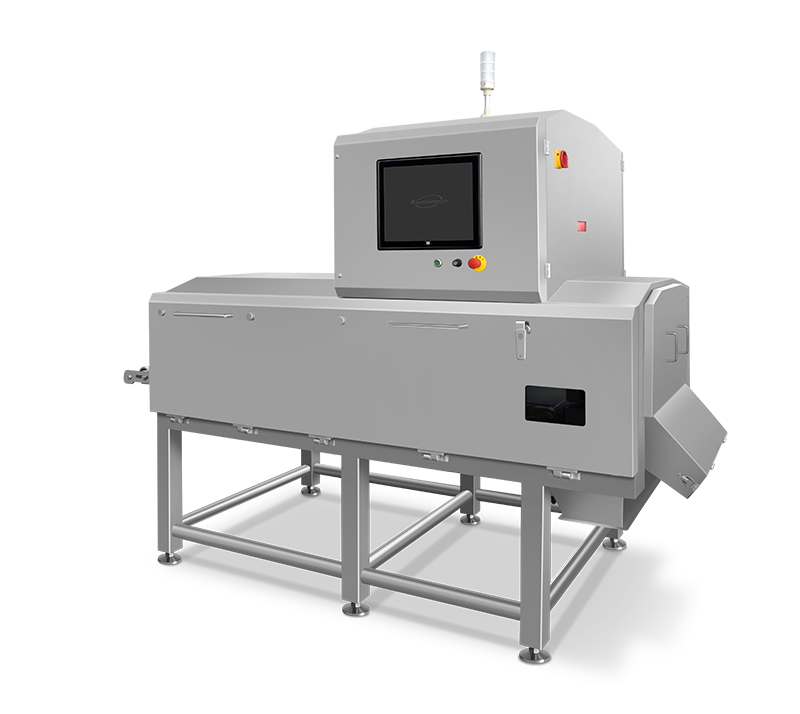
Comprehensive Introduction to IP69K Protection Rating — The Gold Standard for Equipment in Meat and Food Processing Environments
Why do IP65/IP67 fail in food plants? Discover the...
More

A light-colored, rimmed baking sheet provides an efficient dried green beans sorting solution. Cooks spread beans in a single layer for easy inspection. This simple method exposes unwanted materials before the rinsing stage.
Tip: This setup makes it easy to see and pick out stones, dirt, and bad beans.
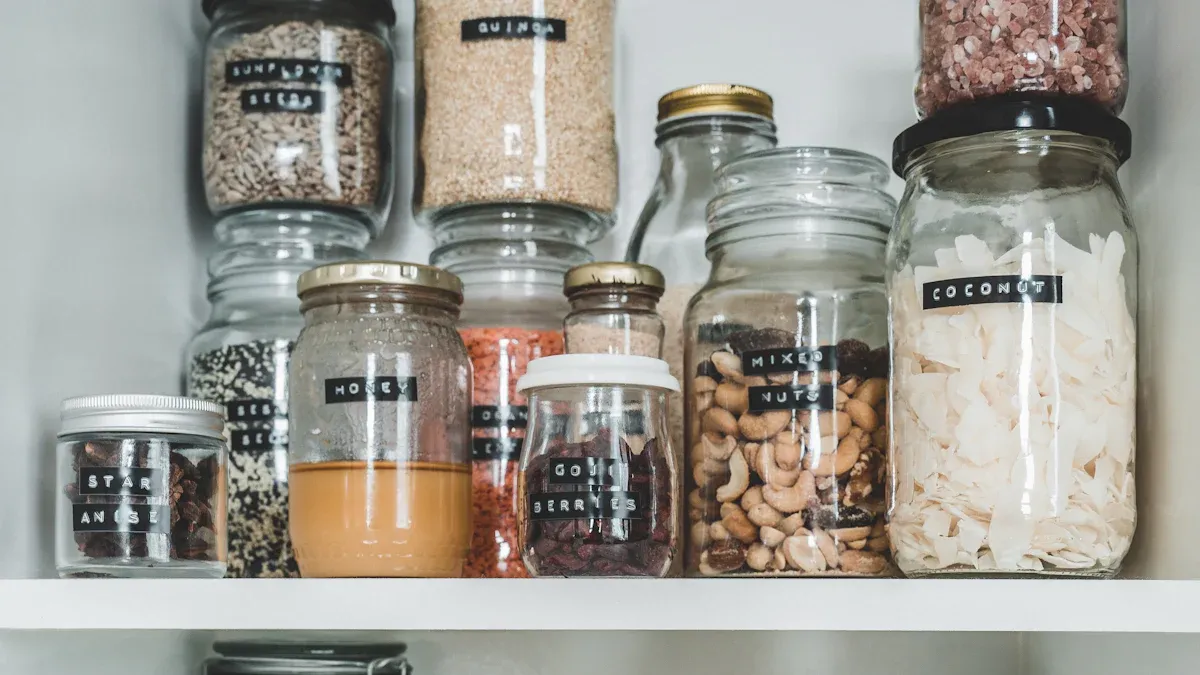
Proper preparation requires only a few basic kitchen items. Having the right tools on hand streamlines the entire sorting process, making it both quick and effective. Cooks can set up their station in moments.
A successful sort begins with assembling a few key supplies. Most kitchens already contain everything needed for this simple task. The primary tools ensure a clean and efficient workflow from start to finish.
A Light-Colored Baking Sheet: This serves as the primary sorting surface.
Dried Green Beans: The quantity depends on the recipe requirements.
A Colander or Strainer: This tool is essential for the final rinsing step.
Hands: They are the best instruments for manually inspecting and removing unwanted items.
Note: A small bowl for collecting discarded debris keeps the workspace tidy and prevents contaminants from mixing back in with the good beans.
A rimmed baking sheet is the superior choice for a sorting surface. Its light color creates high contrast, making dark stones, dirt clods, or discolored beans easy to spot. The raised edges, or rims, are crucial. They contain the beans, preventing them from rolling off the counter and creating a mess. This contained space allows a cook to work confidently and quickly. The flat, expansive surface also lets them spread the beans into a single, even layer. This arrangement eliminates hiding spots for debris, ensuring a thorough inspection that a simple bowl cannot offer.
This method transforms a potentially tedious chore into a quick, systematic task. An effective dried green beans sorting solution relies on a clear process. Cooks can ensure every bean is ready for cooking by following these three simple steps.
A cook begins by pouring a manageable amount of dried beans onto the baking sheet. They should not cover the entire surface at once. Pouring about one to two cups at a time provides ample space for inspection. An ergonomic workflow can prevent spills and improve efficiency.
Controlled Pouring: A person can create a cylindrical spout by shaping the opening of the bean bag. This allows for a precise, smooth pour. A measuring cup also works well.
Utilize the Surface: The wide, flat surface of the baking sheet is perfect for this task. The cook should gently shake the sheet or use their hands to spread the beans into a single, even layer.
Avoid Overcrowding: A single layer is critical. It ensures no bean is hidden, making the inspection process thorough and reliable.
This initial step sets the stage for a successful sort. It is the foundation of this simple dried green beans sorting solution.
With the beans spread out, the inspection phase begins. The cook’s eyes and hands are the primary tools. They should systematically scan a small section of the baking sheet at a time, moving from one side to the other. The high contrast of the light-colored sheet makes imperfections and foreign objects stand out. A person should look for anything that is not a perfect bean. They can use their fingers to pick out and discard any unwanted items into a small bowl kept nearby.
Tip: Placing the baking sheet under a bright kitchen light or near a window with natural light makes spotting debris much easier. Good lighting is essential for a meticulous sort.
Once a batch of beans is fully inspected, the cook needs to transfer the clean beans. They can gently tilt the baking sheet, using one of the corners as a funnel to guide the sorted beans into a colander or a clean bowl. The rimmed edges of the sheet prevent the beans from spilling over the sides during this transfer. This efficient dried green beans sorting solution allows for quick batch processing. If the recipe requires more beans, the cook simply repeats the process. They pour a new batch onto the empty baking sheet, spread them out, and continue sorting until all the beans are clean and ready for the final rinse.

A thorough inspection is the core of the dried green beans sorting solution. A cook must know what to look for to ensure the final dish is safe and delicious. This step involves removing both foreign materials and imperfect beans.
Dried beans are agricultural products, so they often contain small bits of debris from the field. A cook should carefully scan for tiny stones, dirt clods, twigs, or other plant matter. Removing these items is essential for safety and quality. Accidentally ingesting a small stone can lead to a chipped or broken tooth. Consuming dirt presents other health risks.
Eating soil can cause an upset stomach or constipation.
There is a risk of infection from bacteria and parasites in the dirt.
Chronic consumption of dirt with heavy metals could result in poisoning.
Note: These foreign objects stand out clearly against a light-colored baking sheet, making them easy to spot and discard.
A cook should also remove any beans that are not up to standard. Imperfect beans can affect the texture and flavor of a recipe. They should look for several visual cues to identify bad beans. This careful selection guarantees a uniform and high-quality result.
A person should discard beans with the following characteristics:
Insect Damage: These beans show small holes or tunnels.
Mold: This appears as white, blue, or green spots on the surface. Severe infections may even show brownish spores.
Shriveled Appearance: Wrinkled, withered beans have lost too much moisture and will not cook properly.
Discoloration: Beans with significant black spots or unusual coloring may indicate rot.
After a thorough sort, a final rinse is the last barrier between field debris and a perfect meal. This step is not optional; it ensures the beans are impeccably clean and ready for cooking. Proper rinsing completes the dried green beans sorting solution.
A cook should transfer the sorted beans into an appropriate rinsing tool. While many reach for a colander, a fine mesh strainer is more effective for this task. A strainer’s fine mesh prevents smaller beans from washing down the drain, ensuring no waste. Colanders, with their larger holes, are better suited for heartier ingredients. The strainer allows for the precise separation of water from the solid beans.
Once the beans are in the strainer, a person holds it under cool, running water. They should use their hands to gently agitate the beans, moving them around to ensure water reaches every surface. The rinse continues until the water running from the bottom of the strainer is completely clear.
The final rinse accomplishes more than just washing away any missed dust or fine dirt. This step begins the process of removing compounds that can cause digestive discomfort. Rinsing, especially when combined with soaking, helps reduce gas-producing carbohydrates.
Note: Soaking beans and discarding the water is a key tactic for reducing these compounds, as they leach out of the beans and into the water.
Rinsing helps remove:
Surface Dust: Any fine particulate matter remaining after the dry sort.
FODMAPs: These are fermentable carbohydrates, like oligosaccharides, found on the outer coating of legumes. The human body can have trouble digesting these compounds, which leads to gas and bloating. Washing the beans removes a portion of these substances.
Even a simple process has pitfalls. Cooks can undermine their efforts by making a few common errors. Avoiding these mistakes ensures the dried green beans sorting solution works effectively every time, guaranteeing a safe and high-quality final product.
Dim or yellow-toned lighting creates shadows and poor contrast. This makes it difficult for a person to spot small stones, discolored beans, or fine debris. Effective inspection requires bright, clear illumination that mimics natural daylight. For optimal visibility in food preparation areas, professionals recommend specific lighting conditions.
Color Temperature: A range between 4000K and 5000K helps staff see ingredients clearly.
Brightness: Fixtures should provide 5,000–8,000 lumens to create a clean, well-lit environment.
Proper lighting is not a luxury; it is a necessity for a thorough sort.
Forgoing the sorting step is a significant risk. Dried beans are raw agricultural products and often contain unwanted materials from the harvesting and packaging process. Neglecting to inspect them can introduce contaminants into a meal. Consequences range from unpleasant textures to serious safety hazards.
A cook might find a "Crown Cracker"—a pebble the same size as a bean—which could lead to a chipped tooth and an unexpected trip to the dentist.
Other common issues include:
Debris: Small stems, husks, and dirt clods can spoil the dish.
Unsuitable Beans: Moldy, broken, or shriveled beans will negatively impact the taste and safety of the food.
Pouring the entire bag of beans onto the baking sheet at once is a frequent error. An overcrowded surface makes a true inspection impossible. Beans pile on top of each other, hiding debris and imperfect specimens underneath. This defeats the purpose of spreading them out. A cook should always work in small, manageable batches. This ensures every single bean can be seen clearly, making the sorting process both faster and more reliable in the long run.
After a successful sort, a cook prepares the clean beans for their final culinary destination. This involves deciding on a soaking strategy and properly storing any excess beans for future use. These final steps preserve the quality of the beans.
A cook's decision to soak beans hinges on available time and desired texture. Soaking is not mandatory, but it offers significant benefits. A 12-hour soak in water dramatically reduces cooking time. This hydration softens the seed coat, allowing heat to penetrate more easily. The process also accelerates key chemical reactions, such as starch gelatinization and protein denaturation. The result is a faster, more uniform cook with a lower percentage of split beans.
Tip: For those short on time, a quick-soak method involves boiling the beans for two minutes, then letting them stand, covered, for one hour.
Proper storage is essential for maintaining the quality of sorted, uncooked beans. A cook should transfer any unused beans from their original packaging into a new container. This simple action prevents them from drying out too quickly.
For optimal freshness, a person should follow these guidelines:
Use a food-safe storage container with a tight-sealing lid.
Place the container in a cool, dry, and dark location like a pantry.
Avoid areas with high temperatures or humidity.
Dried beans are non-perishable and can be stored for one to two years. While they remain safe to eat beyond this period, their quality degrades. Older beans become harder and require much longer cooking times.
A cook should always use a flat, light-colored surface for the dried green beans sorting solution. A thorough rinse after sorting ensures perfectly clean and safe beans for any recipe. This simple dried green beans sorting solution guarantees the best results every time a person cooks with dried beans.
A cook should avoid dark sheets. They reduce contrast, making it harder to see dark stones or dirt. A light-colored surface ensures a more thorough and effective sort.
A high number of bad beans indicates poor quality. A person should consider discarding the entire batch. This action ensures the final dish is both safe and flavorful.
Yes, a cook should sort all dried legumes. This process removes potential debris from lentils, chickpeas, and other beans. It guarantees a clean product for any recipe.

We provide you with comprehensive foreign trade solutions to help enterprises achieve global development
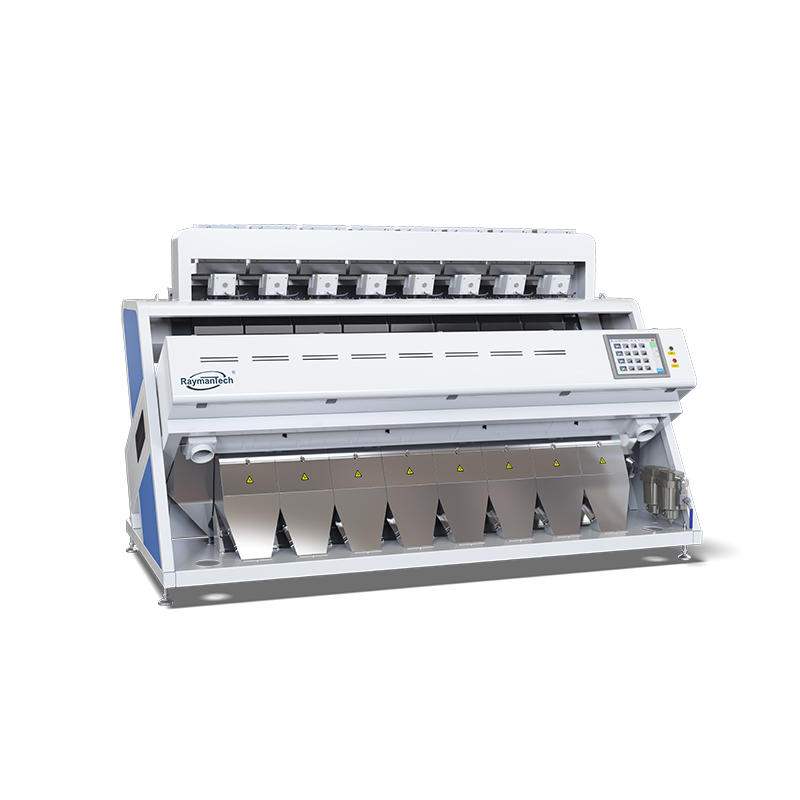
Recommedation: Rice, wheat, corn, grain, pulses, s...
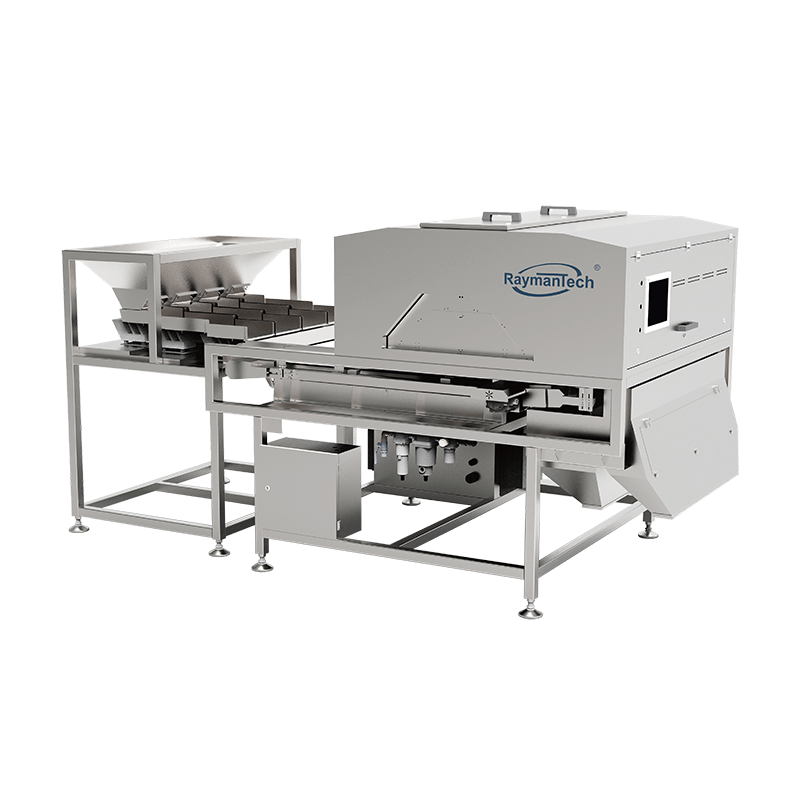
Recommedation: Small particle, flat products such...

UHD X-Ray detector, AI large model, all food indus...
.png)
Recommedation: Aquatic products, pet food, candy, ...
Select the most popular foreign trade service products to meet your diverse needs
Select the most popular foreign trade service products to meet your diverse needs










User Comments
Service Experience Sharing from Real Customers
Michael Rodriguez
Quality Control ManagerThis dried green beans sorting solution has revolutionized our production line. The accuracy and speed are exceptional, reducing waste by 30% while maintaining consistent quality standards.
Sarah Chen
Production SupervisorImpressive sorting technology that handles large volumes efficiently. The color recognition system effectively identifies and removes defective beans. Minor calibration needed initially, but overall excellent performance.
David Thompson
Operations DirectorOutstanding investment for our dried beans facility. The automated sorting solution has doubled our processing capacity while improving product quality. Customer complaints about foreign materials have dropped to zero.
Jennifer Williams
Plant ManagerReliable and efficient sorting system that integrates well with our existing equipment. The user interface is intuitive, and maintenance requirements are minimal. Has significantly improved our sorting accuracy for dried green beans.