 English EN
 中国 CN
中国 CN
.png)

RaymanTech Whole-Chain Solution: A Deep Dive
Food safety and quality control demands have evolv...
More

An AI-powered pineapple sorting machine uses high-resolution cameras to capture data from each fruit on a conveyor belt. A pre-trained AI model instantly analyzes this data, classifying pineapples by size, color, and quality. Mechanical arms then route each pineapple to the correct bin. This automation addresses a rapidly growing global market.
| Metric | Value |
|---|---|
| Estimated Market Size (2025) | USD 11.87 billion |
| Projected Market Size (2030) | USD 13.82 billion |
| Compound Annual Growth Rate (CAGR) (2025-2030) | 3.1% |
Note: This same core technology is adapted for specialized equipment like the dried pineapple sorting machine, ensuring quality control for various pineapple products. 🍍
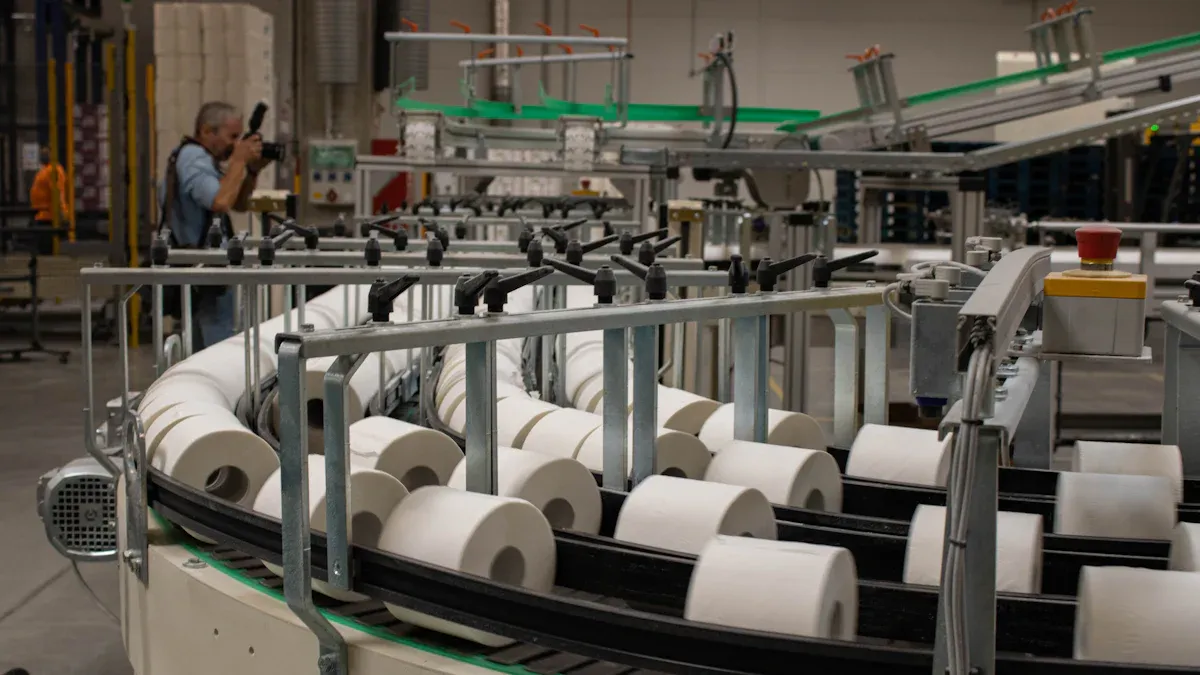
The journey of a single pineapple through an AI sorting machine is a high-speed, three-part symphony of technology. The system first perceives the fruit, then thinks about its qualities, and finally acts on its decision. This entire process unfolds in a fraction of a second.
The process begins the moment a pineapple is placed on the conveyor belt. As it travels through an inspection tunnel, a suite of advanced cameras and sensors creates a complete digital fingerprint of the fruit. This is not just a simple photograph; it is a multi-layered data map.
The machine uses several types of imaging technology to see both the surface and what lies beneath.
SMART RGB and CCD Cameras: High-speed, full-color cameras capture millions of pixels. They provide detailed information about the pineapple's size, shape, and external color, which helps determine ripeness.
Near-Infrared (NIR) Cameras: These sensors see beyond the visible spectrum. They can assess properties like sugar content (Brix) and internal firmness.
Hyperspectral and InGaAs Cameras: This advanced technology analyzes a wider range of light wavelengths. It is exceptionally effective at detecting subtle defects like bruises, decay, or water core that are invisible to the human eye. Near-Infrared Hyperspectral Imaging (NIR-HSI) is particularly useful for predicting the maturity index of intact pineapples.
Data Synchronization is KeyOn a fast-moving conveyor, capturing data from multiple sensors at the exact same time is critical. Advanced Data Acquisition (DAQ) systems and platforms like LMI Technologies' FireSync achieve this with microsecond-level precision. They use techniques like FIFO (First In, First Out) logic to track each fruit's position, ensuring that the color data, NIR data, and 3D shape data all correspond to the same pineapple. This creates a single, unified profile for the AI to analyze.
Once the data is captured, it is instantly fed to the system's central processing unit—the AI model. This is the "brain" of the operation. The model, which has been pre-trained on millions of images of pineapples, analyzes the incoming data stream to make a classification decision.
Leading manufacturers in this field, such as TOMRA Systems ASA, Key Technology, Inc., and Bühler AG, have developed powerful AI platforms for this purpose. These systems rely on sophisticated machine learning algorithms to interpret the complex sensor data. Common models include:
Convolutional Neural Networks (CNNs): Architectures like ResNet, VGG, and MobileNet excel at image recognition. They can identify patterns related to defects, color gradients, and crown quality with superhuman accuracy.
Support Vector Machines (SVMs): These models are highly effective at classification tasks, separating pineapples into distinct categories (e.g., "premium," "processing grade," "reject") based on the combined sensor data.
Ensemble Models: Many systems combine multiple models, such as SVMs, Decision Trees, and k-Nearest Neighbors (k-NN), to improve overall accuracy and reduce errors.
The AI cross-references all data points—size, color, firmness, sugar content, and internal defects—to assign a final grade to the pineapple in milliseconds.
The final step is physical action. After the AI makes its classification, it sends a command to a series of mechanical actuators. These are the "hands" of the machine that execute the sort. The response is nearly instantaneous, with fast pneumatic ejection valves acting with a sub-5 millisecond delay.
The type of actuator depends on the system's design and the delicacy required.
| Robotic Arm Type | Primary Use in Sorting |
|---|---|
| Delta Arms | Ultra-fast pick-and-place for high-throughput lines. |
| Articulated Arms | Mimic human-like motion for gently handling and placing fruit. |
| SCARA Arms | Provide speed and precision for sorting into specific trays or boxes. |
| Pneumatic Ejectors | Use quick bursts of air to gently nudge pineapples onto different conveyor paths. |
These robotic systems gently guide each pineapple into its designated bin or channel. For example, premium pineapples might be sent for fresh market packaging. Pineapples ideal for canning or juicing are routed to a processing line. Fruit destined for dehydration goes to a specialized production area, where a dried pineapple sorting machine may perform a final quality check.
To ensure this high-speed machinery operates reliably, consistent maintenance is essential. Teams must regularly inspect belts for wear, listen for unusual vibrations, and keep all components clean and lubricated according to the manufacturer's schedule. This prevents downtime and ensures every pineapple is sorted correctly.
An AI sorting system evaluates each pineapple against a complex set of criteria programmed by operators. This ensures every fruit is directed to its optimal destination, whether it is a premium grocery store shelf or a processing facility. The machine's ability to analyze size, ripeness, and quality far exceeds human capability in both speed and consistency.
Consistency in size and shape is crucial for packaging and retail presentation. The AI uses 3D imaging data to precisely measure each pineapple's length, diameter, and volume. It then classifies the fruit into predefined categories (e.g., small, medium, large). This automated sizing ensures that pineapples in a single case are uniform, meeting strict buyer specifications and creating an appealing look for consumers. Irregularly shaped but otherwise healthy fruit can be diverted for cutting or juicing.
The machine determines ripeness with remarkable accuracy. RGB cameras analyze the shell's external color, tracking its progression from green to golden yellow. Simultaneously, Near-Infrared (NIR) sensors measure the internal sugar content (Brix level) without damaging the fruit. By combining these data points, the AI grades each pineapple's maturity. This allows producers to sort fruit for immediate consumption or for longer shipping durations, maximizing shelf life and flavor.
Identifying defects is one of the AI's most critical functions. Hyperspectral imaging detects subsurface bruises by assigning different score values to pixels, creating a map of damage invisible to the human eye. The system also identifies a wide range of external and internal flaws.
Bruising from improper handling.
Skin defects like sunburn, brown spots, or gummosis.
Molds on the shell or crown area.
Pest damage, such as mealybugs or scale.
Internal decay, including fungal issues like black rot.
Fruit with minor surface blemishes may be perfect for processing. These pineapples are routed to a separate line where a dried pineapple sorting machine might perform a final check after dehydration. This ensures that even fruit unsuitable for the fresh market contributes to high-quality products, and a dried pineapple sorting machine is key to that final quality assurance.
In summary, the machine operates on a simple principle: it "sees" with cameras, "thinks" with an AI model, and "acts" with mechanical sorters. This integrated process automates sorting, reducing grading errors by up to 90%. The technology, also in a dried pineapple sorting machine, is expanding into robotic harvesting.
Modern AI sorters process pineapples at incredible speeds. A single machine can accurately sort several tons of fruit per hour, significantly boosting a facility's overall operational throughput.
Yes, the core AI and sensor technology is highly adaptable. Manufacturers customize these systems to sort a wide variety of fruits, including apples, citrus, avocados, and tomatoes.
AI sorters achieve very high accuracy, often exceeding 95%. This precision helps in:
Reducing manual grading errors.
Ensuring consistent product quality.
Minimizing food waste by correctly routing fruit.

We provide you with comprehensive foreign trade solutions to help enterprises achieve global development
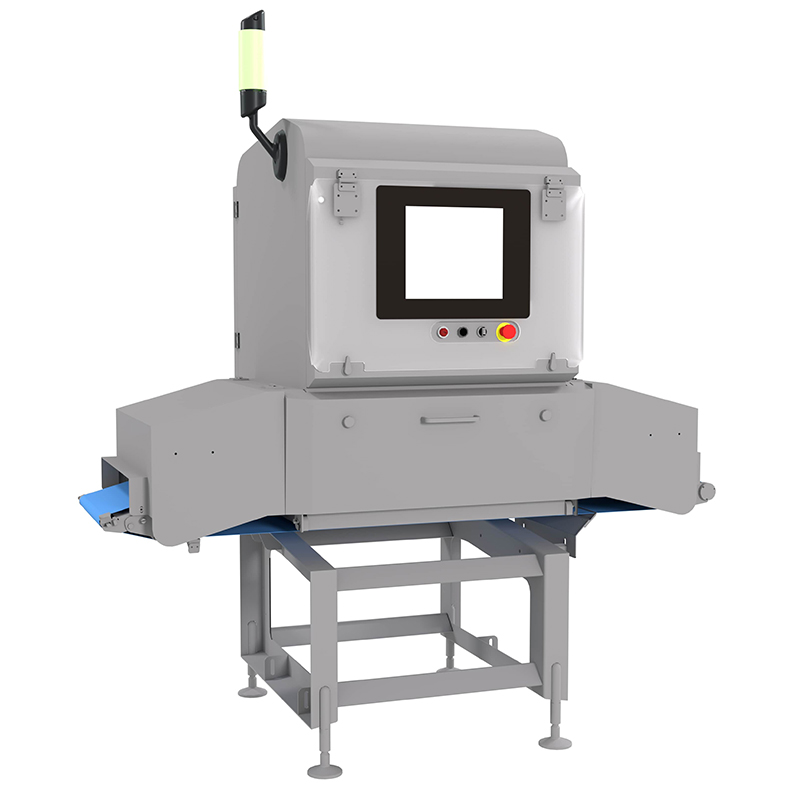
Both fat analysis and contaminant inspection (bone...
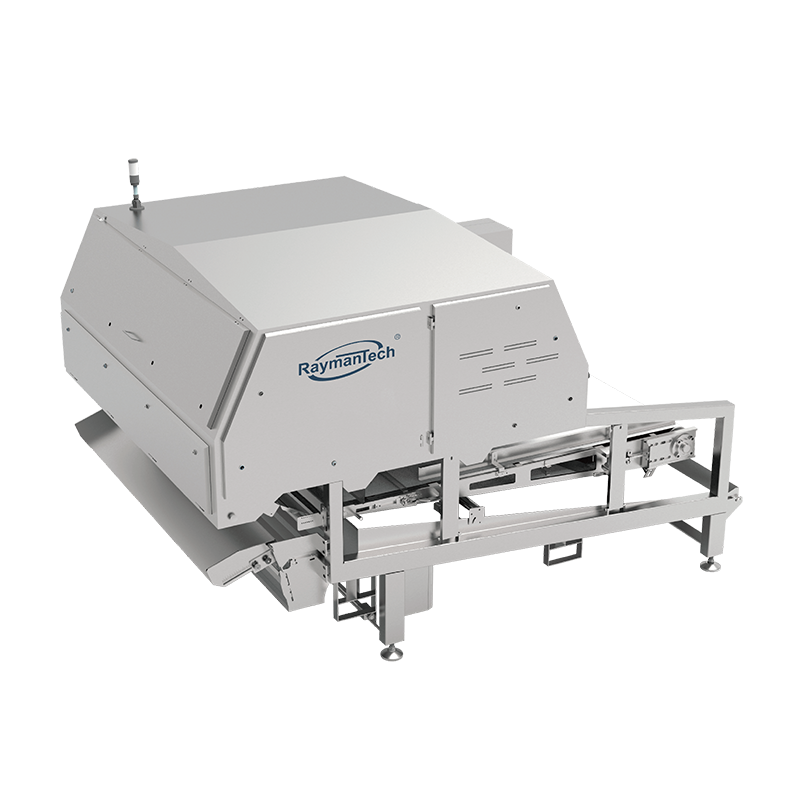
Recommedation: Frozen vegetables such as green be...
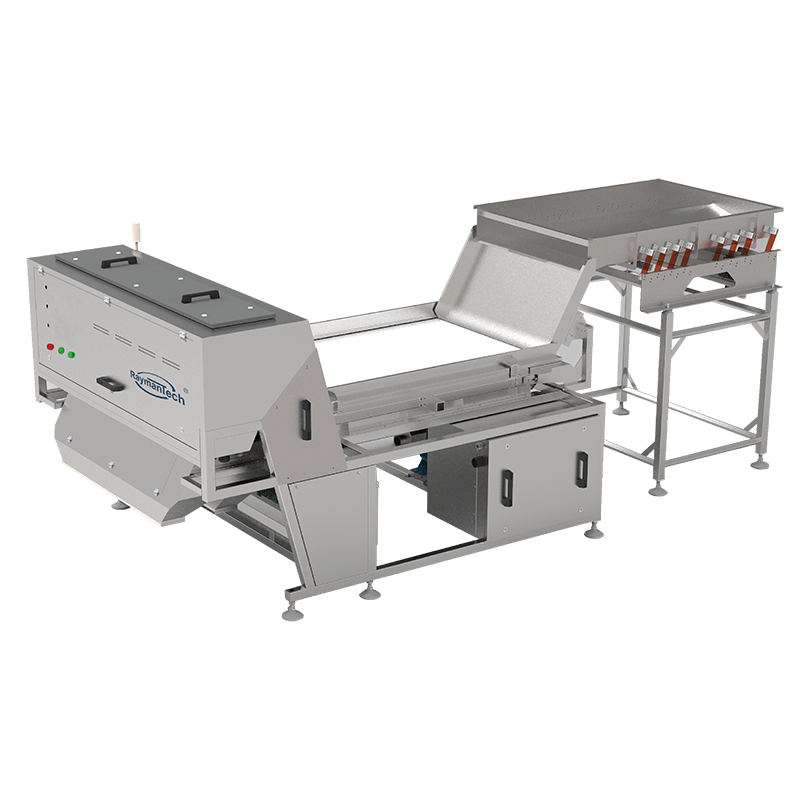
Recommedation: Chili, walnut, peanuts, soybeans, c...
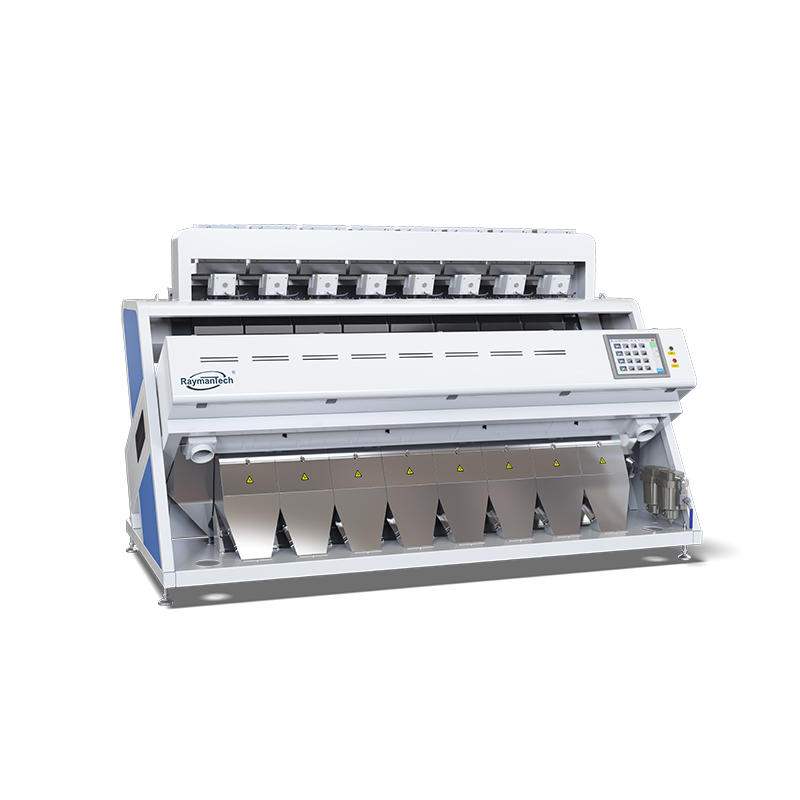
Recommedation: Rice, wheat, corn, grain, pulses, s...
Select the most popular foreign trade service products to meet your diverse needs
Select the most popular foreign trade service products to meet your diverse needs



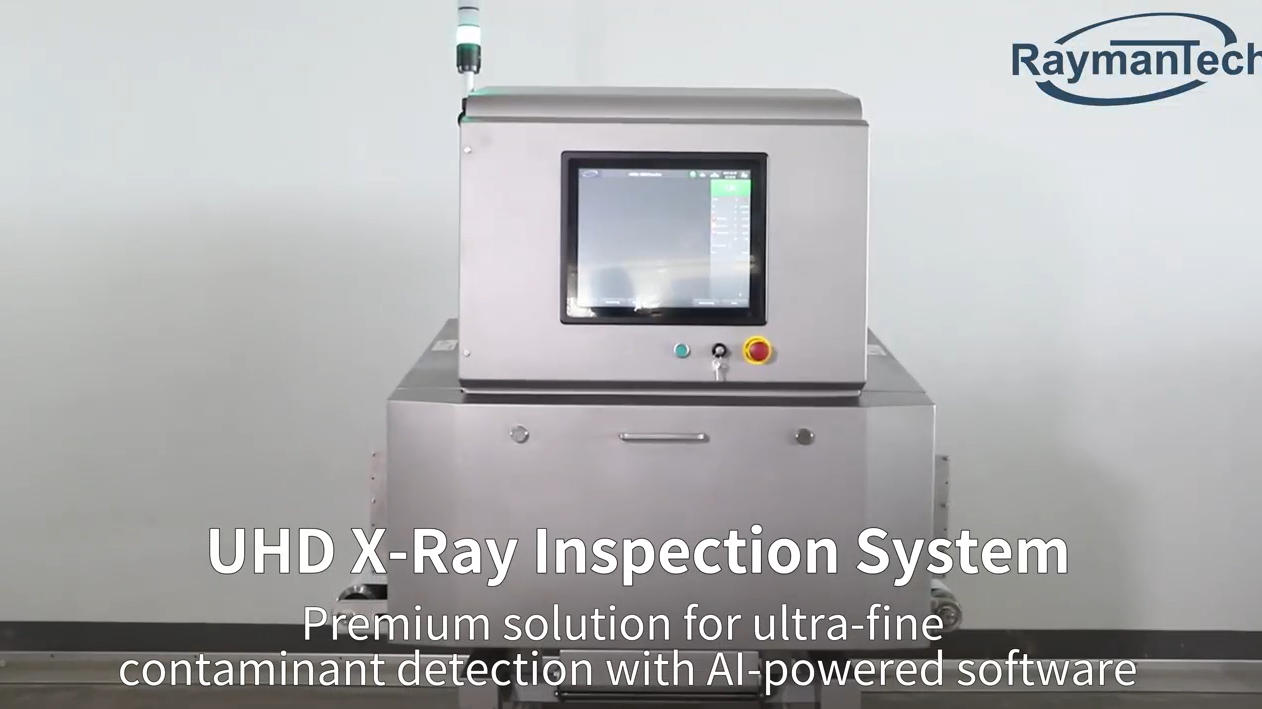




User Comments
Service Experience Sharing from Real Customers
Michael Rodriguez
Production SupervisorThis dried pineapple sorting machine has revolutionized our production line. The accuracy in detecting and removing substandard products is remarkable, and it has significantly reduced our labor costs while improving overall quality.
Sarah Chen
Quality Control ManagerOutstanding performance! The machine's optical sorting technology perfectly identifies color variations and defects in dried pineapple slices. Our product consistency has improved by 40% since installation.
David Thompson
Plant ManagerHighly efficient and reliable equipment. The automated sorting process handles our high-volume dried pineapple production with minimal downtime. The user interface is intuitive and maintenance requirements are reasonable.
Jennifer Williams
Operations DirectorThis sorting machine exceeded our expectations. It not only sorts by size and color but also detects moisture content variations. The ROI was achieved in just 6 months due to reduced waste and increased throughput.