 English EN
 中国 CN
中国 CN
.png)

RaymanTech Whole-Chain Solution: A Deep Dive
Food safety and quality control demands have evolv...
More

A dried bananas sorting machine is a strategic investment that boosts efficiency. Its value increases as the global market for dried bananas expands.
| Metric | Value |
|---|---|
| Projected Market Size by 2032 | USD 2.14 Billion |
| CAGR (2026-2032) | 7.50% |
For medium-to-large producers, automation solves key quality and labor challenges. Smaller businesses, however, must carefully evaluate the high upfront cost against their production volume and potential return on investment. 📈
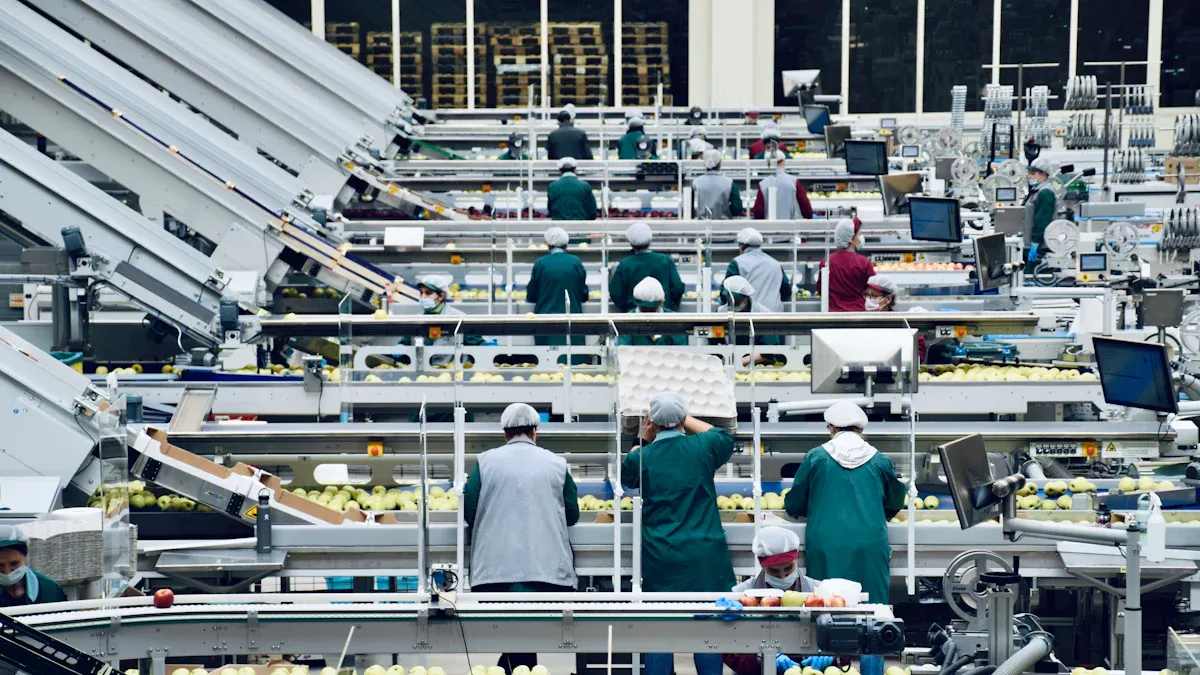
Adopting automation is a transformative step for any dried banana producer. It moves operations beyond traditional limitations. A modern dried bananas sorting machine directly impacts profitability by enhancing product quality, boosting operational speed, reducing labor expenses, and improving food safety protocols. These benefits create a powerful competitive advantage in a growing market.
Consistent quality is the cornerstone of a premium brand. Automated sorters deliver this consistency with unparalleled accuracy. Manual sorting is often subjective and prone to human error, especially during long shifts. Automated systems, however, work tirelessly with objective precision.
Optical sorting machines use advanced camera vision systems and sensors. This technology allows them to inspect every single piece of dried banana. They intelligently analyze product characteristics far beyond human capability.
Defect Detection Capabilities:An automated sorter can identify and eject products with:
Subtle discoloration or bruises.
Signs of mold or insect damage.
Irregular shapes, wrinkled skin, or broken pieces.
Foreign materials like stones, shells, or other debris.
This process ensures that only the best products reach the final packaging. The result is a superior, uniform product that commands higher prices and builds consumer trust. 🍌
Speed and volume are critical metrics in food processing. Automation provides a massive leap in production throughput. A machine can sort products significantly faster than a team of human workers. This allows a business to process more volume in less time, increasing overall output and revenue potential.
Real-world examples from the food industry highlight this impact.
Cherry processor McDougall & Sons increased its throughput by 130% after implementing an automated system.
Snack producer Herr Foods saw a 25% throughput increase in its packaging line with new sorting technology.
Poultry specialist KNEUSS Güggeli boosted its package processing by 60% per hour with an intelligent sorting solution.
These figures demonstrate how automation enables companies to scale production rapidly. They can meet growing demand without a proportional increase in facility size or labor force.
Labor is one of the most significant operational expenses in food processing. Manual sorting is a repetitive, physically demanding job that often leads to high employee turnover. Automation directly addresses this challenge. While the initial investment is high, the long-term savings are substantial.
Automated systems reduce the need for a large manual sorting team. This leads to immediate savings on wages, benefits, and payroll taxes. Furthermore, automation helps retain valuable employees.
Manufacturing sectors with high automation report 20-30% lower labor turnover costs.
Automation eliminates dull and injury-prone tasks, which improves working conditions.
Better job satisfaction leads to less employee burnout and fewer workplace injuries.
These factors reduce the recurring costs associated with hiring, onboarding, and training new staff. The existing workforce can then transition to more skilled roles, such as machine operation and quality assurance oversight.
In today's regulatory environment, food safety and traceability are non-negotiable. Automated systems are essential tools for meeting strict standards like the FDA Food Safety Modernization Act (FSMA). They create a more controlled and documented production environment.
Automated monitoring systems standardize procedures and minimize human error. This consistency is crucial for FSMA compliance. A sorter ensures that only compliant products move forward, reducing the risk of a recall. This process supports the accurate capture of Key Data Elements (KDEs) associated with Critical Tracking Events (CTEs), as mandated by FSMA Section 204(d).
Note on Compliance:Digital lot traceability is essential for modern food safety. Automated systems provide the foundation for these digital records. They help companies maintain accurate data and provide it to regulators within the required 24-hour window, protecting both consumers and the brand.
While the benefits of automation are compelling, a successful transition requires a clear-eyed assessment of the potential hurdles. The path to an automated sorting line involves significant financial outlay, new operational responsibilities, and complex technical integration. Producers must carefully weigh these challenges against the long-term advantages.
The most immediate barrier to automation is the substantial capital required. A high-quality optical sorter is a major purchase. The machine itself, along with essential components like feeders and scales, can be priced between Euros4,000 and Euros25,000. This range offers options for different budgets but represents a significant expenditure for any business.
However, the sticker price is only the beginning. The total cost of implementation includes numerous other expenses that businesses must factor into their budget.
Beyond the Machine: Total Installation CostsA comprehensive budget must account for a wide array of setup costs. These often include:
Logistics: Shipping and delivery from the manufacturer to the production facility.
Site Preparation: Modifying the facility to accommodate the new equipment. This may involve reinforcing floors, relocating ductwork, or building new enclosures.
Decommissioning: The cost to dismantle, remove, and dispose of any old sorting systems.
Equipment Access: Ensuring facility doors are large enough for machine parts and renting equipment like forklifts or scissor lifts for installation.
System Integration: The cost to connect the new sorter with existing production lines, which varies based on operational complexity.
Ancillary Technology: Costs for supporting systems like barcode scanners or specialized totes and bins for product handling.
These additional costs can significantly increase the total upfront investment. A thorough financial analysis is critical to avoid unexpected expenses that could strain a company's resources.
Once installed, an automated system introduces new operational costs and responsibilities. These machines are not "set it and forget it" solutions. They require consistent attention to perform optimally and deliver a positive return on investment.
Annual maintenance costs for automated sorters typically range from $1,200 to $5,000. Another common estimation method projects these costs at 3-5% of the initial capital expenditure each year. These expenses cover routine service, repairs, and replacement parts. Repair and maintenance costs are directly influenced by the machine's purchase price and its total usage hours. For example, some industry standards use specific formulas to calculate these costs, assuming a machine operates for around 600 hours annually.
Beyond maintenance, businesses must also consider:
Energy Consumption: These machines add to a facility's utility bills. A comparable automated grading machine, for instance, may have a power load requirement of 0.75 KW, which contributes to daily operational costs.
Specialized Labor: While automation reduces the need for manual sorters, it creates a demand for skilled technicians. Staff must be trained to operate, calibrate, and troubleshoot the dried bananas sorting machine. This may require investing in specialized training programs or hiring new personnel with the necessary technical expertise.
Integrating a new automated sorter into an established production line is a complex technical challenge. A factory floor is often a mix of equipment from different manufacturers and technological eras. Making these disparate systems work together seamlessly requires careful planning and execution.
Key integration challenges frequently include:
Communication Gaps: New and old machines often use different communication protocols or data formats, making it difficult for them to "talk" to each other.
Speed Synchronization: The sorter's processing speed must align perfectly with upstream and downstream equipment, like conveyors and packaging systems, to prevent bottlenecks or downtime.
Physical Constraints: Finding enough physical space for a new, often bulky, automated sorter within an existing factory layout can be a significant hurdle.
Furthermore, ensuring smooth operational flow is paramount. The new system must be compatible with existing processes to achieve true efficiency. This involves aligning maintenance schedules, ensuring the system is scalable for future growth, and synchronizing every component to create a cohesive, automated workflow.
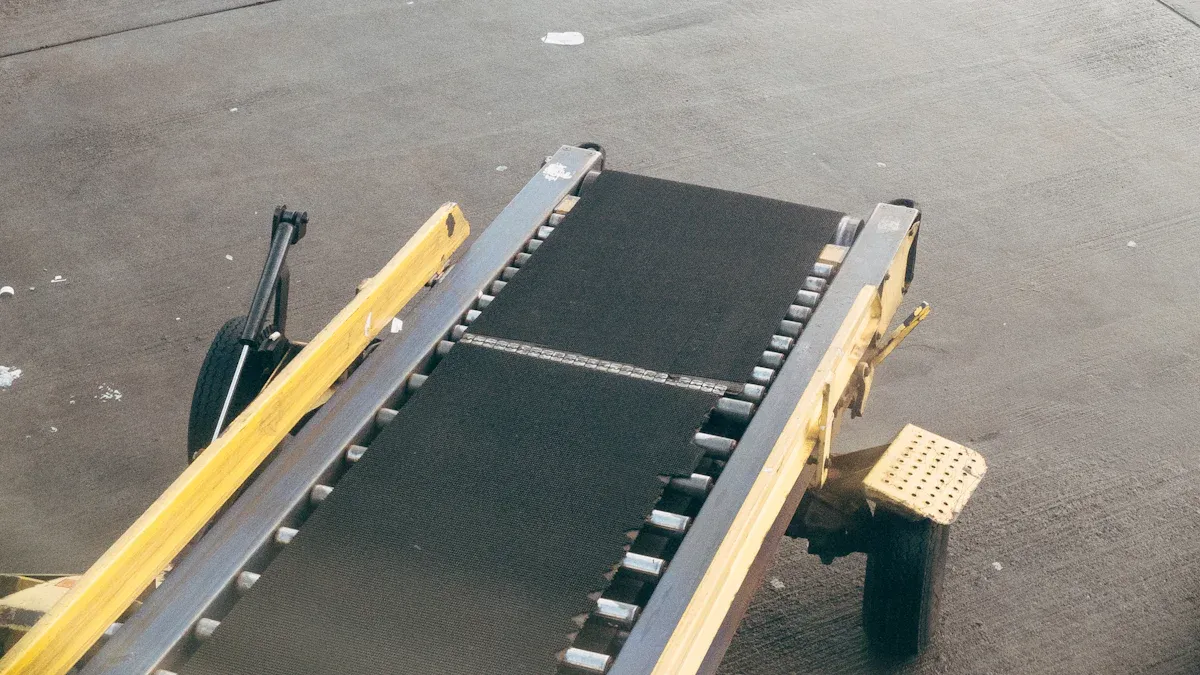
Selecting the right automated system requires more than just comparing prices. A producer must conduct a thorough evaluation of the machine's performance, its software capabilities, and its impact on the existing facility. A reliable dried bananas sorting machine is a long-term asset, and this detailed assessment ensures it delivers maximum value.
A machine's value is directly tied to its uptime and precision. Producers must evaluate key performance indicators (KPIs) to gauge a sorter's dependability. These metrics provide a clear picture of how the machine will perform under real-world production pressure.
Key reliability metrics include:
Mean Time Between Failures (MTBF): The average operational time between breakdowns.
Process Error Rate: The frequency of sorting mistakes or misplacements.
Downtime: The total time the machine is non-operational for any reason.
Automated System Throughput: The volume of product the machine can process efficiently.
Tracking these KPIs helps a business quantify the machine's performance and predict its long-term operational costs.
Modern sorters rely on sophisticated software to function. This software interprets scan data and commands the machine's mechanical movements. A user-friendly interface is crucial for daily operations, allowing staff to manage the system effectively. The best systems are designed for easy integration with existing Warehouse Management Systems (WMS) or Warehouse Control Software (WCS). This connection enables smarter, real-time sorting decisions based on order priorities. Key software features to look for include a stable sort controller, robust data transaction capacity, and user-configurable settings for parameters like speed and divert locations.
Integrating a new sorter requires a redesign of the production workflow. The entire process must be planned to support the machine's continuous operation. Planners must match the sorter's capacity to the facility's throughput goals and the physical dimensions of the dried bananas. The new equipment must also integrate seamlessly with existing IT systems, like a WMS or ERP, to manage sortation commands. This holistic approach ensures a smooth material flow from infeed to the final sorted product, optimizing the entire line for peak efficiency.
A successful investment in automation hinges on a thorough financial analysis. Producers must look beyond the initial price tag to understand the total cost of ownership and potential returns. This evaluation helps justify the capital expenditure and clarifies the path to profitability.
Calculating the Return on Investment (ROI) provides a clear financial forecast. Companies can use a standard formula to project the machine's value. Some producers using AI-enhanced sorters report a full ROI within 18 months due to waste reduction and quality improvements.
The ROI Formula:
(Net Benefit / Total Cost) x 100To find the net benefit, a business must assess:
Labor Savings: The reduction in wages and benefits from a smaller manual sorting team.
Gross Profit Gains: The increased profit from higher throughput and premium product quality.
Expense Changes: The difference between old costs (e.g., rework) and new costs (e.g., maintenance).
The total investment extends far beyond the machine's purchase price. Businesses must budget for several hidden expenses to avoid financial strain.
Inventory Burden: An initial spare parts inventory can cost thousands, with annual carrying costs representing 15-25% of that value.
Downtime Costs: A lack of critical spare parts can halt production, leading to stockouts and significant hourly losses.
The Skills Trap: A new dried bananas sorting machine requires technicians trained on its specific systems, creating new hiring or training expenses.
Producers can acquire equipment through direct purchase, financing, or leasing. Equipment loans offer ownership with predictable payments. Terms often range from two to seven years, with interest rates varying by the financed amount.
| Financed Amount | Term (Years) | Fixed Rate |
|---|---|---|
| $100,000 - $249,999 | 2 - 5 | 6.25% |
| $25,000 - $99,999 | 2 - 5 | 6.75% |
| $5,000 - $24,999 | 2 - 5 | 7.25% |
Leasing provides an alternative with lower upfront costs and predictable monthly payments. It eliminates maintenance responsibilities and the risk of technology obsolescence. However, the total cost over the lease term is often higher, and the business builds no equity in the asset.
Automated sorting delivers powerful gains in quality and efficiency but demands significant capital. The right choice depends on a producer's production volume, labor challenges, and financial readiness. A business's next step involves requesting demos and detailed quotes from suppliers to conduct a complete feasibility analysis for its operation.
AI-enhanced sorters can deliver a full return on investment within 18 months. This results from significant waste reduction and improved product quality.
Yes. Operators can calibrate the machine's software for different product sizes and shapes. This feature provides excellent operational flexibility for a producer's specific needs.
Staff require specialized training for machine operation, calibration, and basic troubleshooting. A business may need to hire or train technicians with the necessary technical expertise.

We provide you with comprehensive foreign trade solutions to help enterprises achieve global development
High cost performance, compact design, high sensit...
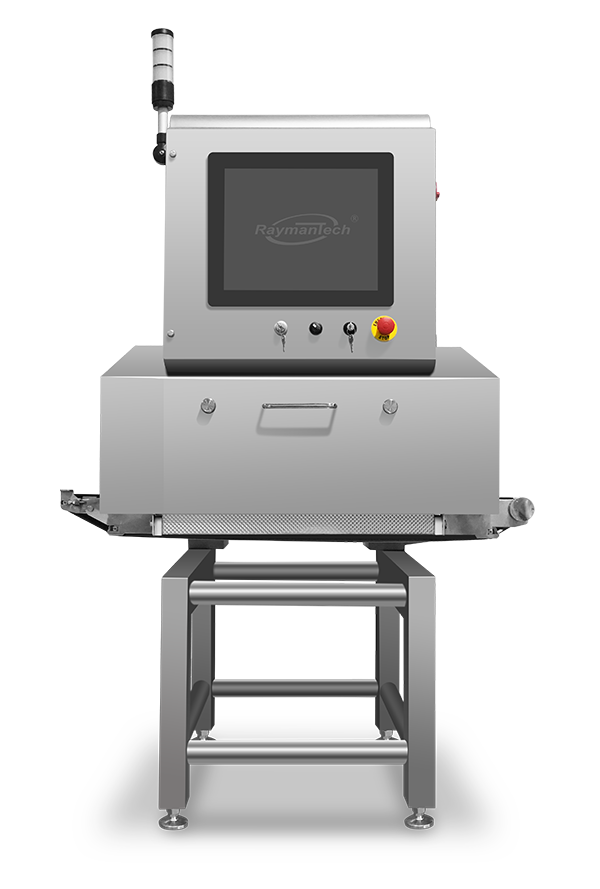
Ultra-fine contaminants detection, UHD X-Ray detec...
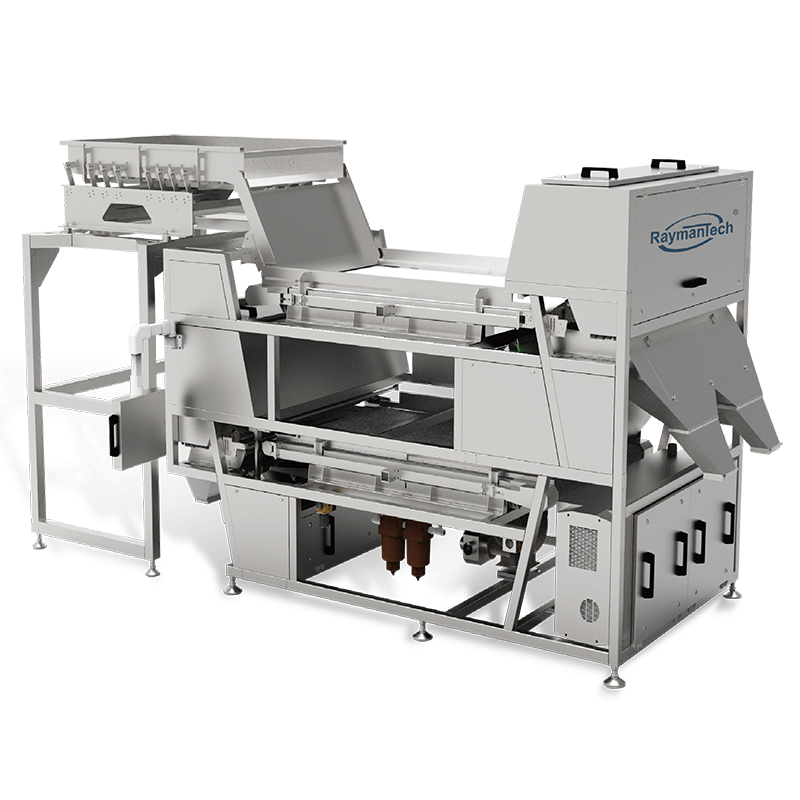
Recommedation: Chili, walnut, peanuts, soybeans, c...
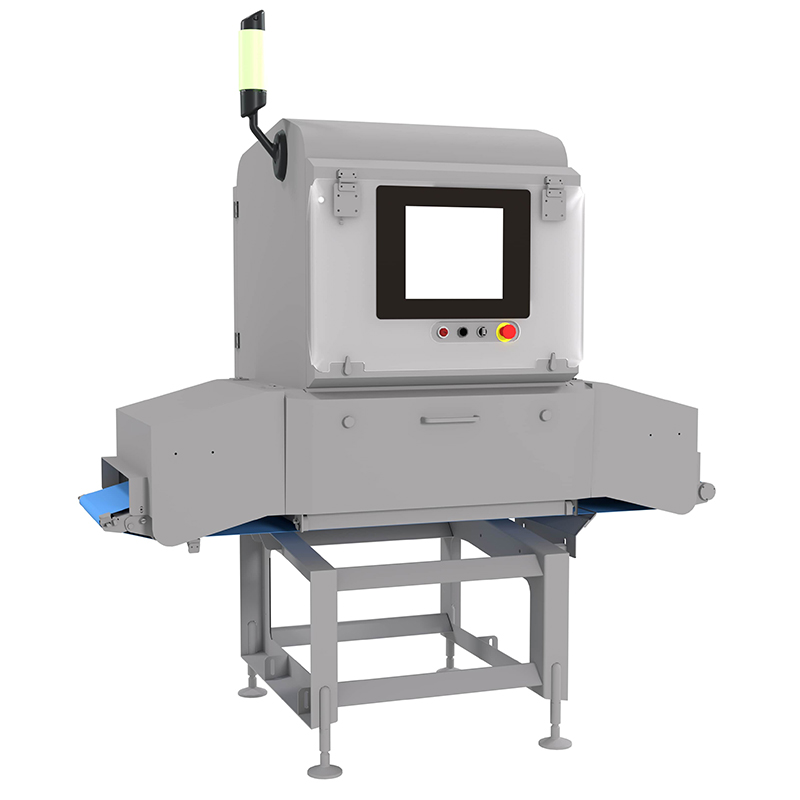
Chicken bone inspection, global poultry AI databas...
Select the most popular foreign trade service products to meet your diverse needs
Select the most popular foreign trade service products to meet your diverse needs







User Comments
Service Experience Sharing from Real Customers
Michael Rodriguez
Production SupervisorThis dried bananas sorting machine has revolutionized our processing line. The accuracy in detecting defective products is remarkable, and the automated sorting has increased our output by 40% while reducing labor costs.
Sarah Chen
Quality Control ManagerImpressive machine that consistently sorts dried bananas by size and quality with minimal errors. The user-friendly interface makes operation straightforward, though the initial setup required technical support. Overall, a valuable investment for our facility.
David Thompson
Plant ManagerAfter installing this sorting machine, our dried banana product consistency has improved dramatically. The optical sorting technology effectively removes discolored and misshapen pieces, ensuring only premium quality reaches our customers. Maintenance has been straightforward.
Jennifer Williams
Operations DirectorThis sorting machine has exceeded our expectations. The gentle handling prevents damage to delicate dried bananas, and the customizable sorting parameters allow us to meet different customer specifications. The ROI was achieved in just 8 months.