 English EN
 中国 CN
中国 CN
.png)

How a Pistachios Optical Sorting Machine Guarantees Quality and Purity
Pistachios are a premium, high-value commodity. Co...
More

An investment in a tea bags sorting machine requires careful consideration of features that guarantee accuracy, speed, and quality. The global tea market shows significant growth, with projections indicating a rise from USD 17.42 billion in 2024 to USD 24.61 billion by 2030. This expanding market demands higher production standards. Key machine capabilities include high-precision weighing, advanced defect detection, and seamless system integration. Prioritizing these functions ensures enhanced product quality and maximizes operational efficiency for tea producers.

The core performance of a tea bag sorting machine directly impacts product consistency and safety. Manufacturers must evaluate features that deliver precision, detect contaminants, and remove defective items efficiently. These quality control functions are essential for protecting brand reputation and ensuring consumer satisfaction.
Accurate weight is a fundamental quality metric. A modern tea bags sorting machine utilizes advanced weighing systems to ensure every tea bag meets its specified target weight, minimizing product giveaway and guaranteeing consistency. Multi-head weighers, in particular, offer superior precision compared to older linear weighers.
Higher Accuracy: Multi-head weighers use multiple weigh hoppers. An algorithm calculates the ideal combination of hoppers to achieve the exact target weight.
Reduced Giveaway: This combination-based approach significantly minimizes overfilling, saving valuable product over time.
Continuous Operation: The system immediately refills emptied hoppers, ensuring a non-stop, efficient weighing process.
The operational flow of a multi-head weigher is a model of efficiency:
Product moves to a central distribution cone and is funneled into individual weigh hoppers.
A computer analyzes the weight in each hopper, calculating hundreds of potential combinations.
It selects the combination that most closely matches the target weight.
The machine discharges the product from the selected hoppers simultaneously into the packaging.
This computerized control system is why multi-head weighers are standard in the coffee and tea industry for accurately measuring tea leaves and other fine products.
Visual inspection technology identifies and removes foreign materials and defective products that weighing systems cannot detect. High-resolution cameras are the eyes of the sorting process, capturing detailed images of each tea bag and its contents as they move along the production line. These systems can spot a wide range of contaminants.
Note: Advanced vision systems can identify minuscule foreign objects, including hair, insects, tea stalks, and other non-tea materials, safeguarding the final product's purity.
AI-powered image analysis elevates this capability even further. Computer vision systems use sophisticated techniques like instance segmentation to inspect individual tea leaves for shape, size, and color. This process separates high-quality leaves from broken or discolored ones. AI also checks for packaging defects, such as improper seals or misaligned labels. This intelligent automation has been shown to increase defect detection rates from 1.3% to as high as 3.9% on production lines.
Modern cameras used in these systems feature resolutions up to 4K and specialized sensors (e.g., UV, NIR, SWIR) to detect issues invisible to the human eye.
Product safety is non-negotiable. An integrated metal detector is a critical component that prevents metallic contaminants from reaching the consumer. These systems create an electromagnetic field and monitor for disruptions caused by metal particles.
The detection and rejection process is swift and automated:
Induction: A metal detector generates a stable electromagnetic field. A metal fragment passing through disrupts this field.
Signal Analysis: Advanced software analyzes the signal, distinguishing actual contaminants from product-related interference to prevent false alarms.
Separation: Upon confirmed detection, the system triggers a rejection mechanism to remove the contaminated item from the line with minimal product loss.
AI integration further refines this process, enhancing detection sensitivity for products with high moisture or salt content, which can otherwise trigger false rejections. Technologies like balanced coil systems provide reliable detection even for products packed in foil.
An effective rejection mechanism is just as important as detection. Its purpose is to remove non-conforming products from the production line quickly and precisely without disrupting workflow or damaging good products. The choice of mechanism depends on the product's weight, shape, and the line speed.
| Rejection Type | Best For | Mechanism |
|---|---|---|
| Air Jet | Lightweight, low-density items | A powerful, non-contact burst of air. |
| Flipper | Boxed and bagged products (up to 1 kg) | A fast-acting swing arm. |
| Pusher | Heavy, boxed items | A pneumatic arm that pushes items off the line. |
| Belt Drop | Thin bags and flat products | Pneumatic rods that lift and drop a section of the belt. |
An efficient system minimizes the loss of good products. For example, diverter arms can redirect items to a separate conveyor for inspection, allowing operators to recover items with minor packaging flaws. By integrating vision system data with the rejection mechanism, a machine can make highly accurate decisions, reducing false rejections and saving costs associated with wasted product and redundant production.
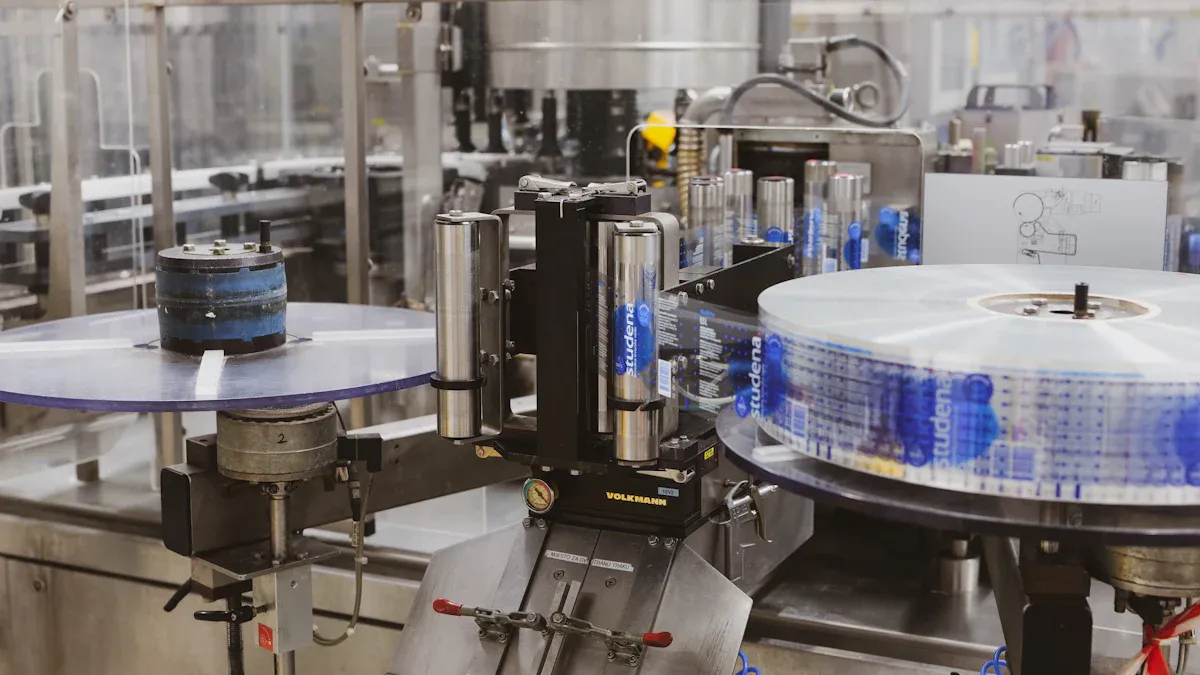
Beyond quality control, the operational efficiency of a tea bags sorting machine determines its true value in a production environment. A machine's design should streamline workflows, empower operators, and maximize uptime. Key factors influencing this efficiency include the sophistication of its control system, the intuitiveness of its user interface, its production speed, and its long-term durability. These elements work together to reduce operational costs and boost overall productivity.
The Programmable Logic Controller (PLC) is the central nervous system of any automated machine. It orchestrates every action with precision, ensuring all components work in harmony. A high-quality PLC executes a continuous three-step cycle: it scans inputs from sensors, processes the logic programmed by the user, and updates outputs to control motors and other devices. This ensures flawless coordination and immediate fault detection.
Key functions of a modern PLC system include:
Process Coordination: It manages the precise timing of all motors, sensors, and pneumatic systems, from automatic feeding to final box filling.
Logical Execution: The system processes input variables from sensors, converts them into logic signals, and executes pre-programmed commands to regulate the sorting and packaging process.
Quality Assurance: It constantly monitors sensors to verify each step, such as confirming a tea bag's presence or correct count, and halts the machine if a fault is detected.
Furthermore, advanced PLCs support seamless integration with other factory systems. They connect with SCADA (Supervisory Control and Data Acquisition) platforms for real-time data tracking and support IoT connectivity for remote diagnostics. Reputable brands like Siemens (Simatic), Rockwell Automation (Allen-Bradley), and Schneider Electric (Modicon) are trusted in the food and beverage industry for their reliability, high processing speeds, and robust integration capabilities.
The Human-Machine Interface (HMI) is the critical link between the operator and the machine. A well-designed HMI translates complex machine processes into a simple, visual format, empowering operators to manage production with confidence. Modern touchscreen HMIs have replaced cumbersome physical controls, offering an intuitive experience that significantly reduces training time and minimizes operational errors.
An intuitive graphical interface with interactive elements like buttons and sliders allows new operators to quickly grasp complex processes. This consolidation of functions into a single screen streamlines workflows and enhances efficiency by eliminating the need for multiple control panels.
When evaluating an HMI, consider these essential features:
Hardware Durability: The screen must withstand the production environment. This includes appropriate screen size (e.g., 10-15" for complex dashboards), high visibility, and durable, scratch-resistant glass. Resistive touchscreens are ideal for operators wearing gloves.
Software Compatibility: The HMI software must use communication drivers (e.g., EtherNet/IP, Profinet) that are compatible with the machine's PLC. It should also support remote access for monitoring and updates.
Advanced Diagnostics: The system should provide real-time alerts and detailed diagnostic information to help operators troubleshoot issues quickly. Storing historical data for trend analysis is also a crucial capability.
Production speed, or throughput, directly impacts a company's return on investment (ROI). A high-speed tea bags sorting machine processes more units per hour, increasing output and revenue. Case studies demonstrate the powerful financial benefits of upgrading. For example, one tea company reduced its packaging time by 40% with a new system, while another business achieved speeds of 120 packs per minute, ensuring continuous operation of its entire production line.
Equally important is adjustability. The market demands variety, and a machine must adapt to different product specifications without causing significant downtime. Look for a system that allows for quick and easy changeovers for:
Different tea bag sizes and shapes
Various packaging materials
Multiple carton styles and counts
A machine with pre-programmed product menus, accessible via the HMI, allows operators to switch between configurations with minimal manual intervention. This flexibility ensures that the production line can respond swiftly to changing market demands while maintaining high efficiency.
The longevity and safety of a sorting machine depend on its construction and ease of maintenance. In the food industry, equipment must adhere to strict hygiene standards to prevent contamination. This starts with sanitary design.
Key principles of sanitary construction include:
Material Selection: Product-contact surfaces must be made from inert, non-corrosive, and non-absorbent materials like high-grade stainless steel.
Smooth Surfaces: All surfaces should be smooth (typically with a roughness average of Ra ≤ 0.8 µm) and free of crevices, sharp corners, or dead areas where product residue and bacteria can accumulate.
Self-Draining Design: Equipment should be sloped to ensure that water and cleaning solutions drain completely, preventing moisture buildup.
Accessibility: The machine must be designed for easy access to all parts for inspection, cleaning, and maintenance.
A proactive maintenance schedule is essential for maximizing the machine's lifespan, which can often exceed a decade with proper care. A typical schedule involves the following checks:
| Frequency | Maintenance Tasks |
|---|---|
| Daily | Clean and sanitize contact surfaces; visually inspect for loose parts or damage. |
| Weekly | Lubricate moving parts (bearings, gears); inspect and tighten fasteners. |
| Monthly | Check electrical components and connections; verify calibration of scales and sensors. |
Regular maintenance prevents unexpected breakdowns, ensures consistent performance, and protects the long-term value of your investment.
Selecting the right tea bags sorting machine hinges on its core performance and operational features. A system with precise weighing and robust defect detection increases throughput and optimizes profitability. This strategic investment elevates product quality, minimizes waste, and streamlines production workflows, preparing operations for future innovations like AI-driven maintenance.
The machine increases throughput and reduces product giveaway. This combination boosts revenue and minimizes waste, directly improving the return on investment for the business.
Yes. High-resolution cameras identify foreign materials like insects, hair, and plastic. AI-powered systems can even spot subtle defects in the tea leaves themselves.
Modern machines feature pre-programmed menus on the HMI. Operators can switch between different bag sizes or counts in minutes, minimizing production downtime significantly.

We provide you with comprehensive foreign trade solutions to help enterprises achieve global development
High cost performance, compact design, high sensit...
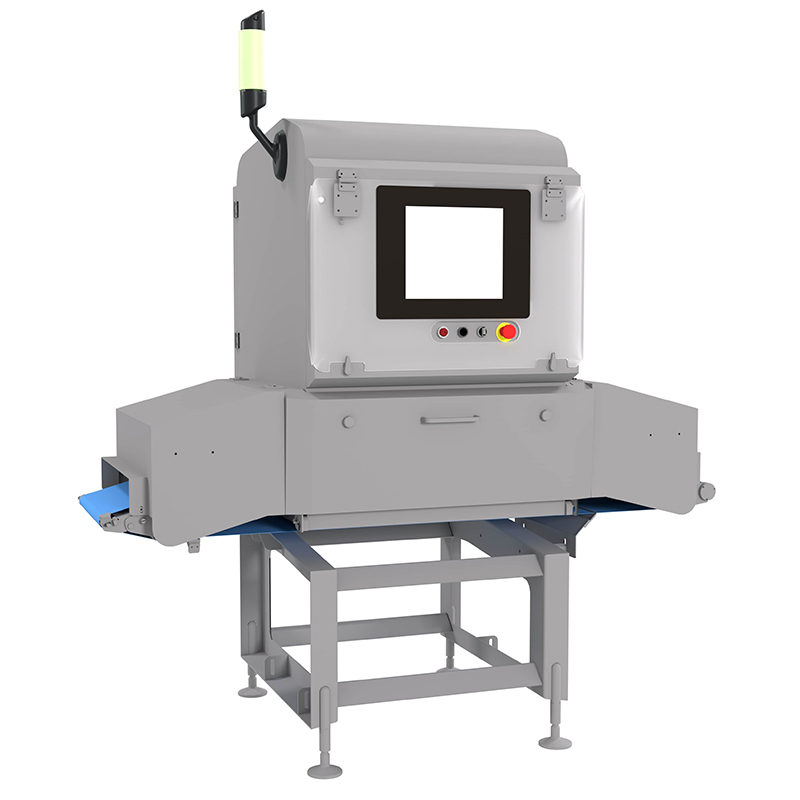
Uneven and overlapped product detection, thin & lo...
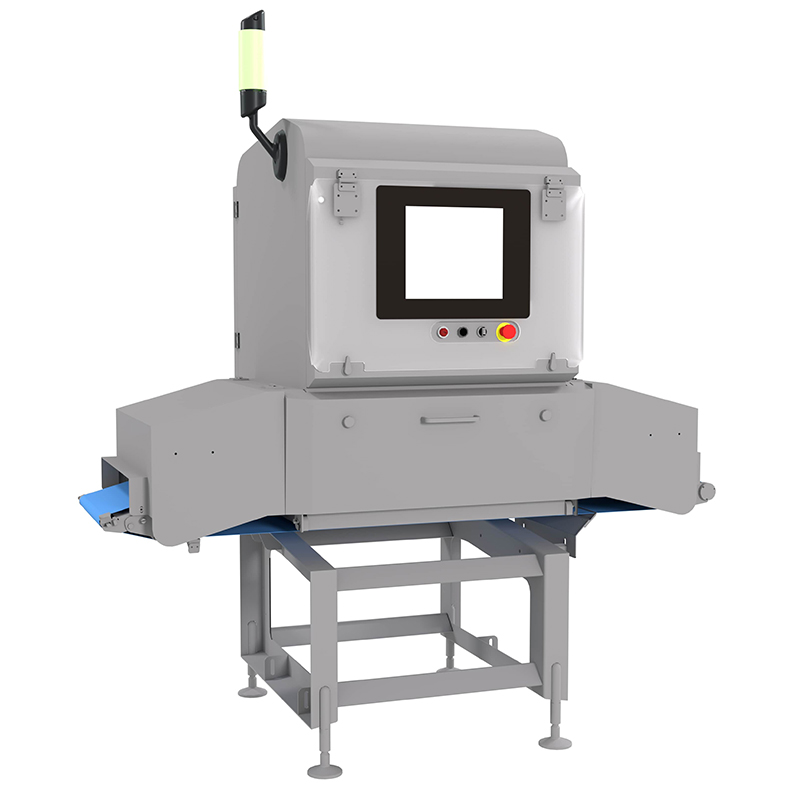
Both fat analysis and contaminant inspection (bone...
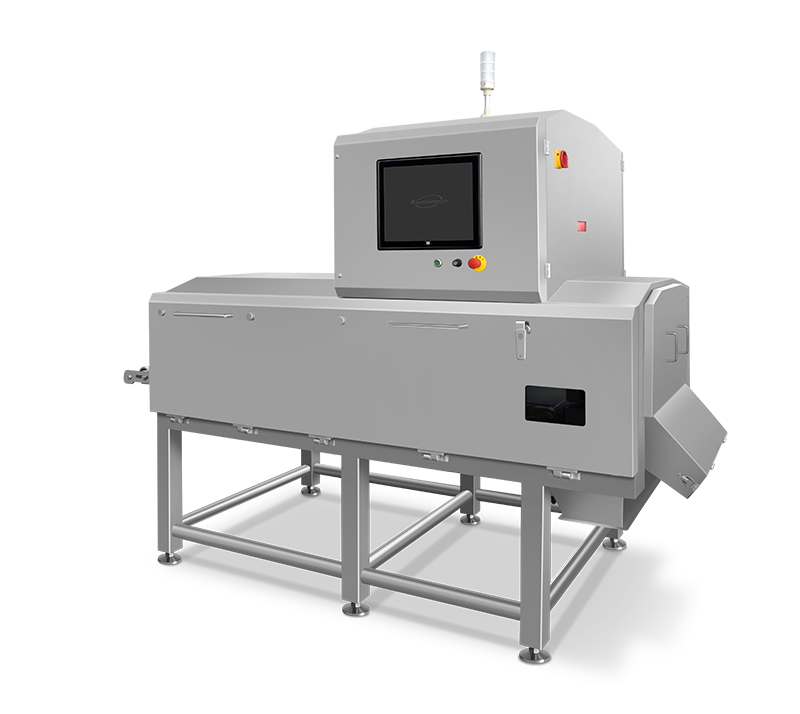
Conventional and unconventional contaminant detect...
Select the most popular foreign trade service products to meet your diverse needs
Select the most popular foreign trade service products to meet your diverse needs







User Comments
Service Experience Sharing from Real Customers
James Wilson
Production SupervisorThis tea bag sorting machine has revolutionized our packaging line. The accuracy and speed are exceptional, reducing our waste by 30%.
Sarah Chen
Quality Control ManagerHighly reliable machine with minimal maintenance requirements. The optical sorting system perfectly identifies defective tea bags. One point off for the steep learning curve.
Michael Rodriguez
Plant ManagerOutstanding investment! The automated sorting has doubled our output while maintaining consistent quality. The technical support team is very responsive.
Emily Parker
Operations DirectorThis machine has exceeded all our expectations. The gentle handling prevents damage to delicate tea bags, and the user interface is incredibly intuitive.