 English EN
 中国 CN
中国 CN
.png)
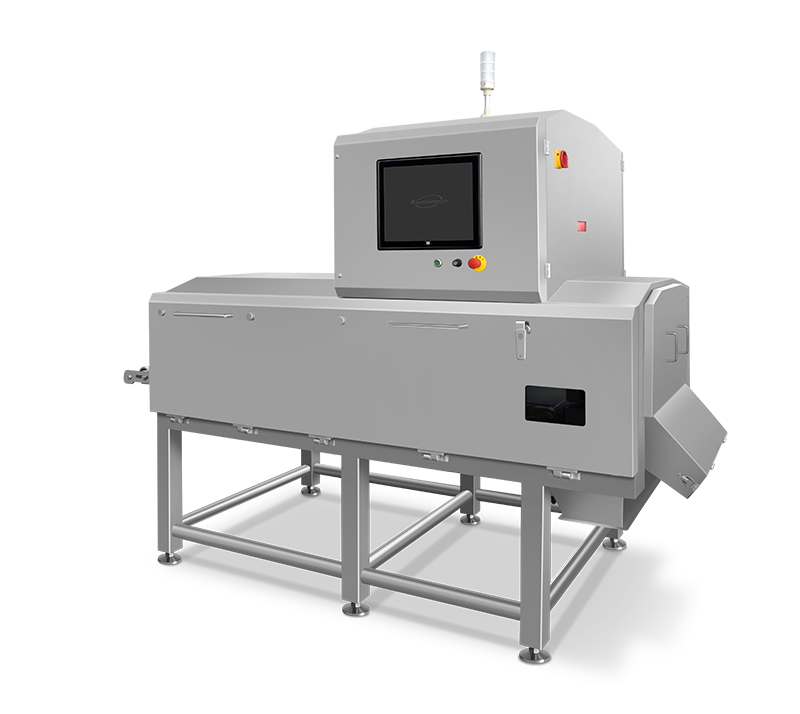
AI + Ultra-HD: The Ultimate AI Optical Sorter for Wet Processed Meat Lines
Optical sorting technology has become indispensabl...
More

A cauliflower optical sorter is an advanced automated machine. It uses high-resolution cameras and sensors to inspect cauliflower florets and heads.
The machine's primary function is to identify and remove defects, foreign materials, and contaminants. This process directly enhances both food safety and overall product quality for consumers.
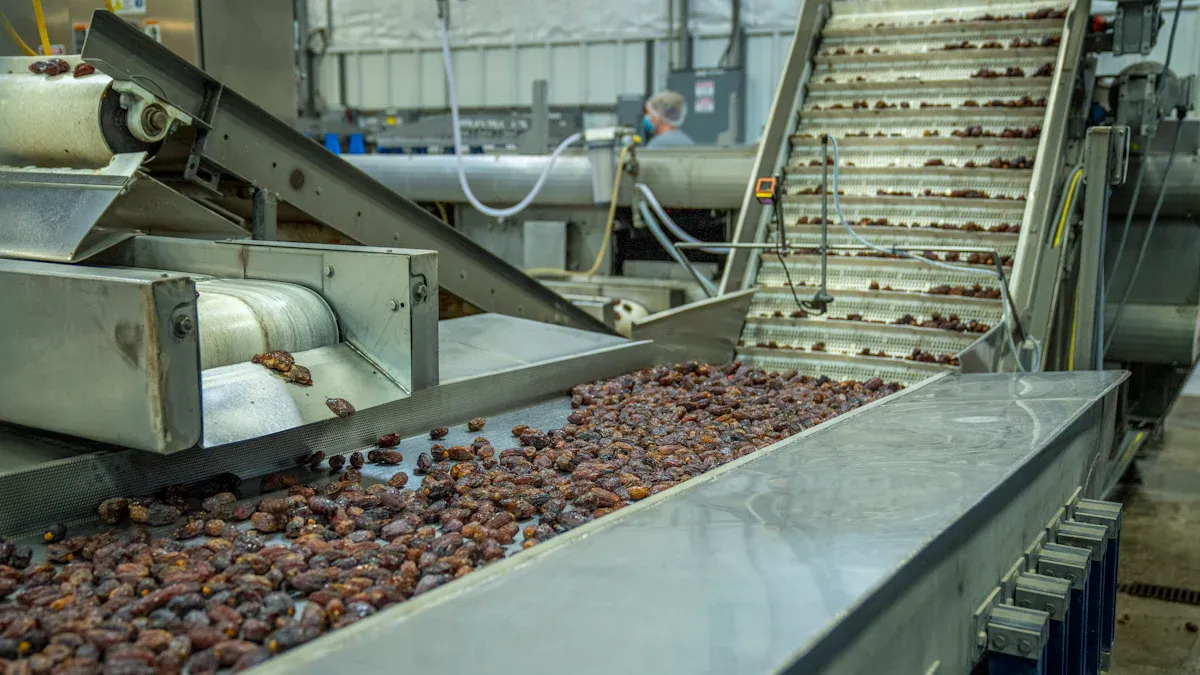
A cauliflower optical sorter operates through a sophisticated, multi-stage process. Each stage is optimized for speed and precision, ensuring that only the highest quality cauliflower reaches the consumer. The entire operation, from feeding to sorting, happens in a fraction of a second.
The process begins when cauliflower florets or heads are loaded onto a conveyor belt. The machine carefully spreads the product into a single, stable layer. This step is critical. A uniform presentation prevents florets from overlapping, which ensures the cameras have an unobstructed view of every single piece. Modern systems are built for high-volume processing, with some models handling throughputs of up to 30 tons per hour.
Note: Proper stabilization guarantees that each floret is individually assessed, eliminating blind spots and maximizing inspection accuracy.
As the cauliflower travels along the conveyor, it passes through an inspection zone. Here, an array of high-resolution cameras and specialized sensors capture detailed images from multiple angles. These are not ordinary cameras; they are industrial-grade imaging systems. Some advanced sorters use cameras with resolutions capable of achieving sharpness down to 0.01mm², allowing them to detect even the most subtle color differences and minute defects. This high-resolution imaging, sometimes reaching 0.1 mm/pixel, is essential for identifying tiny foreign objects or early signs of decay that are invisible to the naked eye.
The captured images are instantly sent to the sorter's central processing unit. This is the "brain" of the cauliflower optical sorter. It uses advanced software and artificial intelligence (AI) to analyze the data in real-time. The system processes each image in less than 10 milliseconds, comparing it against pre-defined quality parameters set by the operator.
This is where modern technology truly shines. Instead of relying on fixed rules, these systems employ deep learning algorithms. The AI is trained on thousands of images, enabling it to distinguish between acceptable variations and genuine defects.
| AI-Driven Advantage | Description |
|---|---|
| Continuous Learning | The system refines its sorting criteria with each batch, improving its accuracy over time. |
| Subtle Defect Detection | AI can identify issues like minor bruising or early-stage mold that humans might miss. |
| Enhanced Adaptability | The sorter automatically adjusts to variations in lighting or product appearance, reducing the need for manual recalibration. |
This intelligent analysis allows the machine to make millions of sorting decisions per hour with unparalleled accuracy.
The final stage is the physical removal of rejected items. Once the software identifies a defect or contaminant, it signals the ejection system. The system then removes the unwanted piece from the main product stream with pinpoint accuracy. The response time of these mechanisms can be less than one millisecond. Common ejection methods include:
Air Jet Ejection: High-pressure bursts of air precisely target and blow defective florets into a rejection chute. This is a very fast and gentle method.
Pneumatic Pusher Ejection: A small pneumatic rod physically pushes larger defects or foreign material off the line. This method offers more force for heavier items.
Mechanical Arm Ejection: Robotic arms provide the highest level of precision, often used for delicate or high-value sorting tasks.
The incredible speed of the ejection system is directly linked to the machine's overall throughput. A rapid and precise ejection mechanism ensures that the cauliflower optical sorter can maintain a high processing capacity without compromising sorting quality.
An optical sorter is a critical tool for modern food processors. It significantly boosts safety and quality assurance in the cauliflower supply chain. By automating inspection, these machines provide a level of protection that manual sorting simply cannot match. They identify and remove a wide range of hazards, ensuring the final product is safe for consumption.
Here are the key ways optical sorters enhance cauliflower safety.
The primary safety function of an optical sorter is to eliminate foreign material from the product stream. These contaminants can range from field debris to processing line fragments. They pose a significant physical hazard to consumers.
Critical Safety Measure: Optical sorters help food processors comply with safety standards from regulatory bodies like the FDA and EFSA. They are a key part of Hazard Analysis and Critical Control Points (HACCP) protocols, preventing foreign material contamination before it reaches the consumer.
Manual inspection struggles to find contaminants, especially when they are small or similar in color to the cauliflower. An optical sorter uses advanced imaging technologies to overcome this challenge.
Multispectral Imaging: Sorters use cameras and lasers that operate beyond the visible light spectrum. Near-Infrared (NIR) and Hyperspectral sensors create a unique "spectral signature" for each object. This allows the machine to differentiate materials based on their chemical composition, not just their appearance.
Intelligent Software: AI-driven software analyzes an object's color, size, and shape. It can distinguish between a white cauliflower floret and a similarly colored piece of plastic or stone.
Laser Detection: Lasers can identify the structural properties of materials. This technology is highly effective at finding organic matter like insects or inorganic items like glass, metal, and rocks, even if they blend in with the cauliflower.
This multi-layered inspection ensures that foreign objects are identified and ejected with incredible precision, protecting consumers from potential harm.
Beyond physical contaminants, optical sorters excel at identifying biological defects that compromise food safety and quality. These issues, such as mold, rot, and insect damage, are often subtle and difficult for the human eye to spot, especially at high processing speeds.
A cauliflower optical sorter uses high-resolution cameras that can detect minute color variations. This capability allows it to spot early-stage decay or discoloration caused by bruising or disease. The machine compares each floret against a pre-defined standard of quality. Any piece showing signs of spoilage is immediately removed. This automated vigilance prevents compromised products from entering the food supply, reducing the risk of foodborne illness and minimizing the chance of costly product recalls.
| Defect Type | Manual Sorting Challenges | Optical Sorter Solution |
|---|---|---|
| Early-Stage Mold | Often invisible or appears as a slight discoloration. | High-resolution cameras detect subtle color changes. |
| Insect Damage | Small boreholes or hidden pests are easily missed. | AI software identifies irregular shapes and textures. |
| Internal Bruising | Not visible on the surface. | NIR sensors can detect changes in moisture and density. |
| Rot/Decay | Can be mistaken for natural blemishes. | The system consistently flags any sign of spoilage. |
By removing these biological defects, processors ensure that only fresh, wholesome cauliflower moves forward for packaging.
Product consistency is the foundation of brand reputation and consumer trust. Consumers expect the cauliflower they buy to have a uniform appearance, texture, and quality every time. Any deviation can damage their confidence in the brand. Optical sorters are instrumental in achieving this uniformity.
A predictable, high-quality product reinforces brand integrity. When consumers know they can rely on a brand for safety and quality, it fosters loyalty and generates powerful word-of-mouth marketing.
Manual sorting is inherently inconsistent. Worker fatigue, distractions, and subjective judgment lead to variations in quality. In contrast, an automated optical sorter operates with objective precision 24/7.
Speed and Accuracy: An automated sorter can process thousands of items per hour with an error rate below 0.1%. Manual sorting is far slower and has a much higher error rate, often between 2% and 5%.
Uniform Standards: The machine sorts every floret based on the exact same criteria for size, color, and shape. This eliminates human subjectivity and guarantees a uniform final product.
Brand Protection: This consistency acts as a form of "brand insurance." It ensures every package meets the company's quality promise, building a reputation for reliability that makes the brand attractive to distributors, retailers, and investors.
Ultimately, ensuring product consistency is not just about aesthetics; it is a direct reflection of a brand's commitment to safety and quality.
A cauliflower optical sorter is a critical food safety tool. It uses advanced imaging to automatically remove contaminants and defects. This technology directly protects consumers by ensuring cauliflower is free from physical hazards and biological imperfections.
Future advancements like AI and X-ray technology promise even greater precision. This evolution ensures these systems provide a quick return on investment by safeguarding public health and brand integrity.
Yes. Processors adjust the machine's settings for different product sizes. The sorter's software adapts to inspect either whole heads or individual florets with high accuracy and efficiency.
These systems provide a quick return on investment. They reduce labor costs, increase throughput, and prevent expensive product recalls, directly protecting a company's bottom line and brand reputation.
Sorters significantly reduce the need for manual labor. However, human oversight remains essential for:
Quality assurance checks
Machine operation and maintenance
Handling complex, nuanced defects

We provide you with comprehensive foreign trade solutions to help enterprises achieve global development

UHD X-Ray detector, AI large model, all food indus...
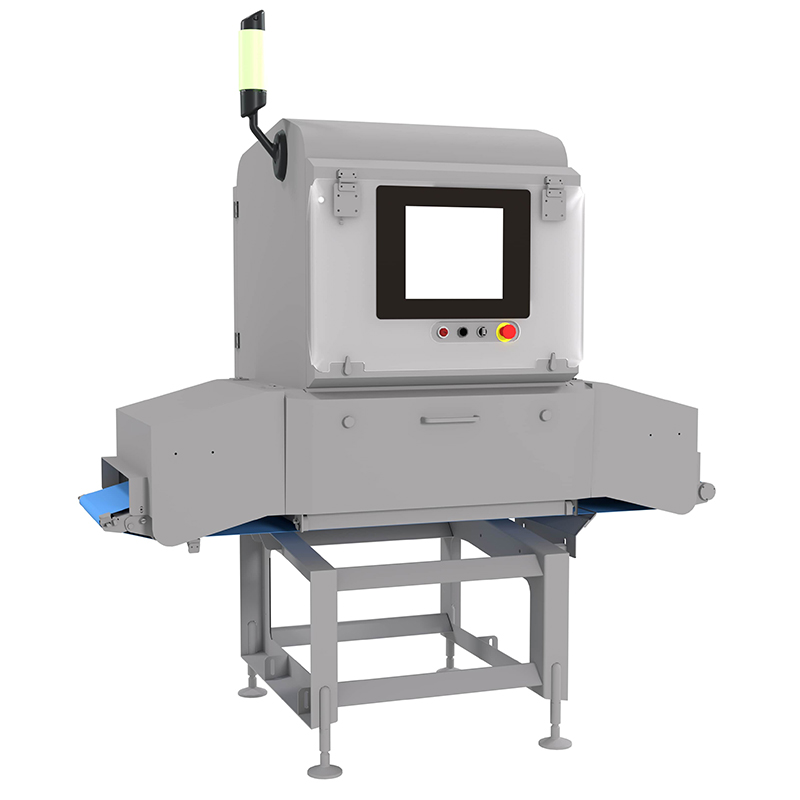
Chicken bone inspection, global poultry AI databas...
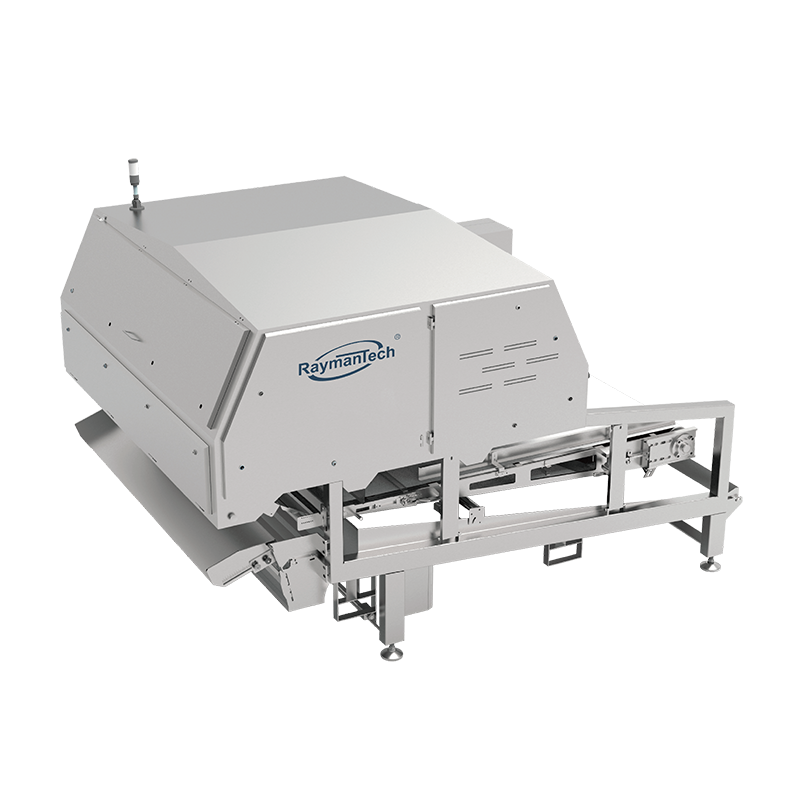
Recommedation: Frozen vegetables such as green be...
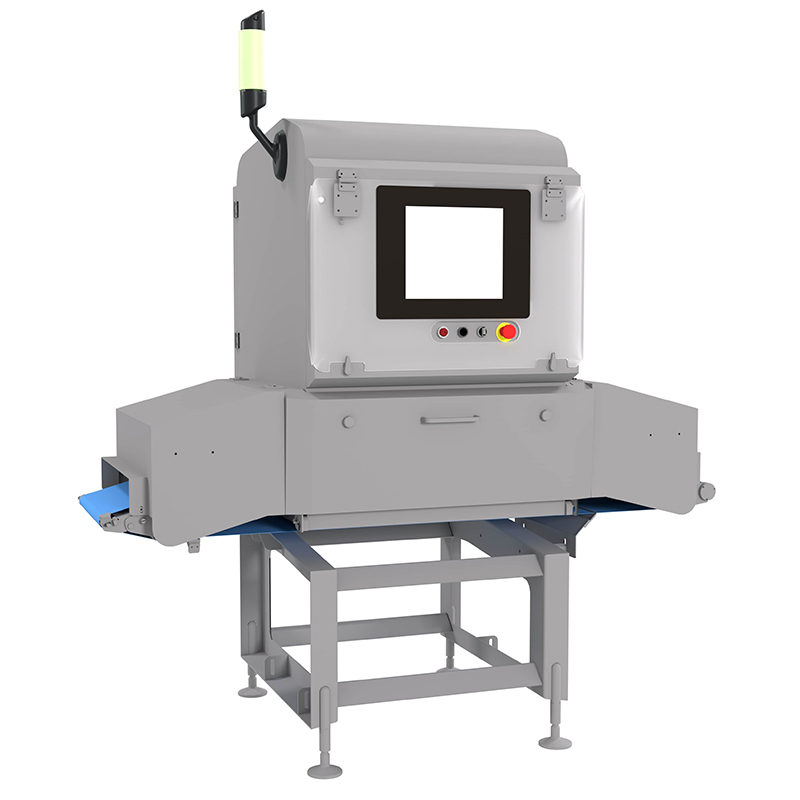
Uneven and overlapped product detection, thin & lo...
Select the most popular foreign trade service products to meet your diverse needs
Select the most popular foreign trade service products to meet your diverse needs







User Comments
Service Experience Sharing from Real Customers
Michael Rodriguez
Production SupervisorThis cauliflower optical sorter has revolutionized our processing line. The accuracy in detecting and removing defects is remarkable, and we've seen a significant reduction in labor costs. The machine is robust and requires minimal maintenance.
Sarah Chen
Quality Control ManagerOutstanding performance! The sorter consistently identifies subtle color variations and foreign materials we used to miss manually. The user interface is intuitive, and the technical support team is responsive and knowledgeable.
David Thompson
Operations DirectorA solid investment that has improved our product quality and throughput. Setup was straightforward, and we were able to integrate it seamlessly into our existing conveyor system. The only minor issue was calibrating sensitivity for specific defect types initially.
Jennifer Walsh
Plant ManagerThis optical sorter has been a game-changer for our cauliflower processing. The precision and speed are impressive, allowing us to handle peak season volumes without compromising quality. It has definitely given us a competitive edge in the market.