 English EN
 中国 CN
中国 CN
.png)

AI + Ultra-HD: The Ultimate AI Optical Sorter for Wet Processed Meat Lines
Optical sorting technology has become indispensabl...
More

AI-powered sorters revolutionize the food industry. They use advanced machine learning and multi-spectral imaging. This combination analyzes and sorts mixed fruits with unmatched accuracy and speed. A modern mixed fruit optical sorter identifies subtle defects, assesses ripeness, and handles diverse fruit types simultaneously. This capability far surpasses traditional manual or mechanical methods.
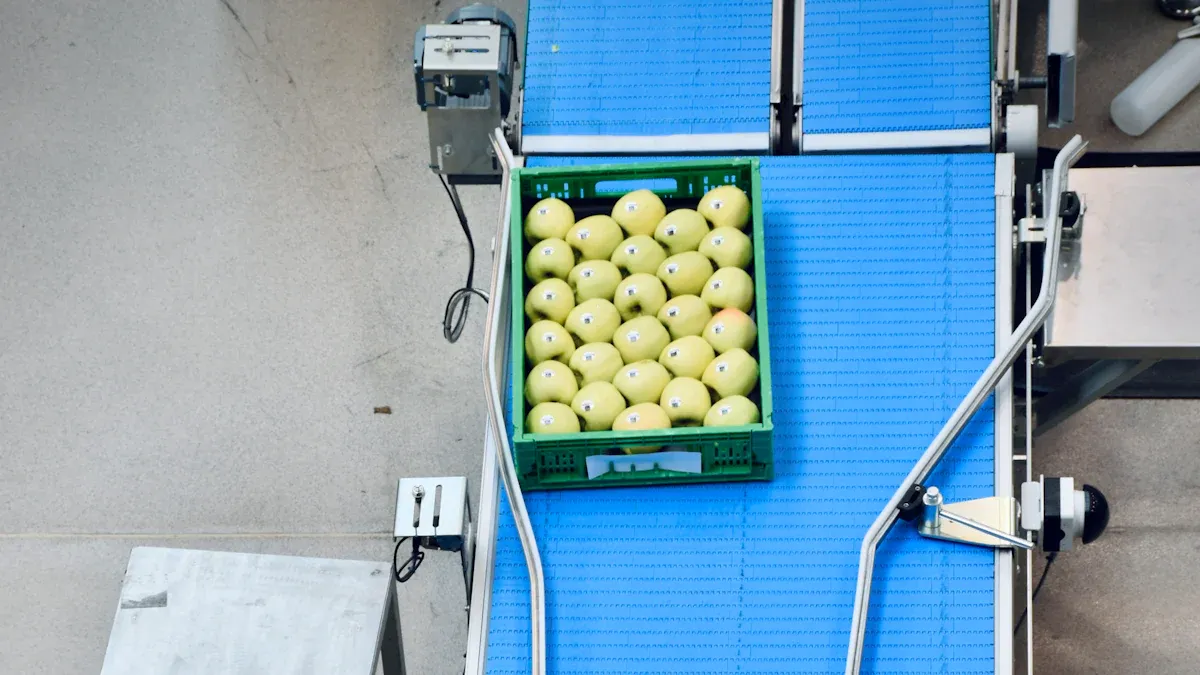
The magic behind AI-driven fruit sorting unfolds in a three-part symphony of technology. First, advanced imaging systems capture a wealth of data. Next, powerful AI algorithms analyze this data in the blink of an eye. Finally, precise mechanical systems execute the sorting decision. This seamless integration delivers unparalleled efficiency and quality control.
The process begins the moment fruit enters the sorting line. A sophisticated array of cameras and sensors captures an immense amount of information far beyond what the human eye can see. High-speed CCD industrial cameras and high-definition lenses work together to create a 360-degree view of each piece of fruit as it moves along the conveyor.
These systems employ multi-spectral imaging to gather data across different light spectrums. This is often achieved through one of two methods:
Filter-based method: A broad-spectrum light illuminates the fruit, and a camera with a rotating filter wheel captures images at specific wavelengths.
Light-based method: The fruit is successively lit by different light sources, like LEDs, each emitting a specific wavelength of light. The system then combines these monochromatic images.
This technique allows the sorter to see "invisible" defects. For example, hyperspectral cameras operating in the visible-near infrared (VIS-NIR) range can detect internal bruising in apples or pest damage in grapes that are not apparent in normal RGB color space. The system also uses X-ray sensors to identify and flag foreign objects like small stones or plastic fragments mixed in with berries.
Tech Tip: Data Correction is KeyBefore analysis, the system must correct the raw image data. It performs image registration to align images and compensates for distortions. It also uses pure white and black reference spectra to correct for thermal noise from the equipment, ensuring the data fed to the AI is clean and accurate.
The system captures a comprehensive profile for each fruit, compiling various data points for analysis.
| Fruit Type | Key Data Points Captured |
|---|---|
| Pomegranate | Sunburn features, size, color |
| Banana | 3D volumetric features, ripeness |
| Grapes | Hyperspectral features, shape, color |
| Berries | Firmness, shape, foreign material presence |
| Mango | Color, size, texture, freshness attributes |
| Apples | Internal bruising, blemishes, shape, color |
This rich dataset, capturing everything from color and texture to internal quality, forms the foundation for the AI's decision-making process.
Once the data is captured, it is fed into the system's brain: the AI model. This is where the real-time analysis happens. Using powerful machine learning algorithms, the AI processes the flood of information from the sensors at incredible speeds.
The most effective algorithms for this task are often from the YOLO (You Only Look Once) or SSD (Single Shot MultiBox Detector) families. These are regression-based, first-order algorithms prized for their balance of high speed and accuracy, making them ideal for real-time industrial applications. While other models like the R-CNN series may offer slightly higher accuracy, their slower processing speeds cannot meet the demands of a high-throughput sorting line.
A specialized Convolutional Neural Network (CNN) lies at the core of the system. This network is trained on massive datasets, such as the 'Fruits Fresh and Rotten for Classification' dataset, which contains thousands of images of apples, oranges, and bananas in various states. The CNN architecture includes:
Convolutional layers to extract patterns like shape, color, and texture.
Max-pooling layers to reduce spatial dimensions and focus on the most important features.
Fully connected layers to make the final classification decision.
This training enables the AI to differentiate between fruit types—like an apple and an orange—and assess the quality of each individual fruit simultaneously. It can identify a bruise on an apple, determine the ripeness of a banana based on its color spectrum, and spot mold on a berry, all within milliseconds. On hardware like an Nvidia GeForce 960M, an improved model can process up to 20 frames per second. With multiple fruits per frame, the analysis of a single piece of fruit is nearly instantaneous.
The final step is the physical sorting. After the AI makes its decision, it sends a command to the automated sorting mechanism. The system then physically separates the fruits based on the pre-programmed criteria. These criteria are highly customizable and can include:
Quality Grade: Premium, Grade 1, Grade 2, Juice-grade
Defects: Presence of bruises, cracks, or sunburn
Size and Weight: Small, medium, large
Ripeness: Unripe, ripe, overripe
Destination: Different bins for packaging, processing, or waste
The mechanical systems used for sorting are designed for both speed and gentle handling. A modern mixed fruit optical sorter uses a variety of actuators to execute the AI's commands.
Air Jets: Precise, high-speed puffs of air blow fruits into their correct channels or remove defective items from the main conveyor. This is a common, non-contact method.
Mechanical Arms: For heavier fruits or more complex sorting tasks, robotic arms with soft grippers gently pick and place items into the appropriate bins.
Vibratory Feeders: These systems use controlled vibrations to guide fruits into different hoppers or streams.
Handling delicate fruits like berries or ripe custard apples requires special care. To prevent damage, sorters employ innovative solutions. Fruits may travel in individual pre-molded soft cups or on single-line conveyors to avoid collisions. Some systems use robotic arms with padded grippers and sensors that adjust grip force based on the fruit's firmness, ensuring even the most fragile items are handled without bruising. This combination of intelligent analysis and gentle mechanics ensures the final product is sorted accurately and maintained in perfect condition.
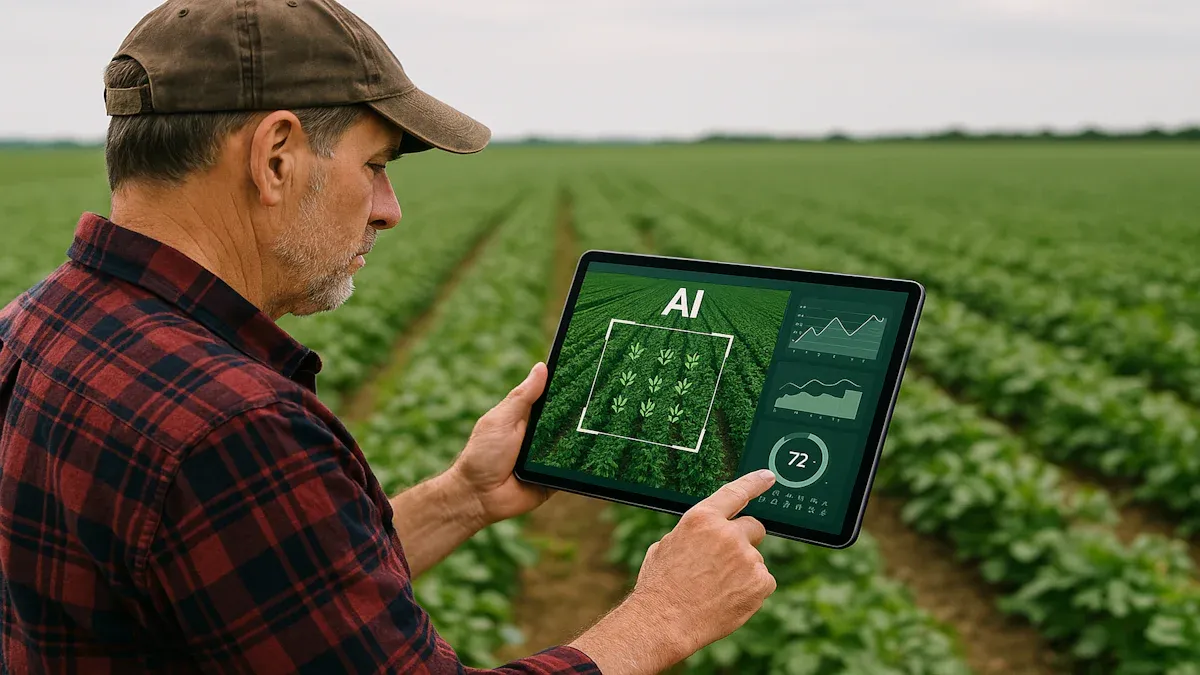
An AI-powered mixed fruit optical sorter is more than an upgrade; it is a complete paradigm shift for the food processing industry. This technology moves beyond the limitations of human and traditional mechanical sorting, introducing a level of precision, adaptability, and intelligence that fundamentally changes how producers handle fresh produce. The benefits extend from superior product quality to enhanced food safety and operational efficiency, making it a true game-changer.
AI-powered sorters achieve a level of accuracy in defect detection that is simply impossible for human inspectors. These systems see beyond the surface, identifying issues that are invisible to the naked eye. By integrating hyperspectral optics with advanced AI frameworks, a sorter can analyze a fruit's internal and external properties simultaneously. This provides deep insights into nutrition levels, Brix (sweetness), projected shelf life, and maturity.
For truly hidden flaws, some advanced systems employ Magnetic Resonance Imaging (MRI). MRI technology non-destructively visualizes the inside of fruits, mapping internal structures to pinpoint hidden defects like bruising or decay with superior clarity. AI algorithms then accelerate the analysis of these complex scans, classifying and grading the fruit based on pre-set quality metrics. This multi-sensor approach ensures that only the highest quality produce makes it to the consumer.
Inside the AI's "Vision" 🧠 The system's ability to detect defects relies on a combination of powerful technologies:
Multi-spectral Core Technology: This integrates machine vision with complex measurement techniques for high-fidelity color imaging, enabling material identification from the surface to the core.
High-Speed Smart Cameras: These cameras use area array CMOS sensors with multiple wavelengths, each optimized to identify different types of defects.
AI Algorithm Self-Learning: Operators can define grading standards simply by showing the machine examples, which allows the AI to continuously refine its accuracy.
This combination of technologies allows the sorter to spot subtle discoloration, inconsistencies in texture, and even internal damage, all at speeds that far exceed human capabilities.
One of the most significant advantages of an AI-powered mixed fruit optical sorter is its ability to handle diverse fruit types simultaneously. Traditional sorters are often calibrated for a single type of fruit, requiring significant downtime and recalibration to switch between, for example, apples and oranges. AI eliminates this bottleneck.
AI models can be trained to recognize and sort dozens of different fruits within the same batch. The system dynamically applies the correct sorting parameters for each individual piece of fruit it identifies. For instance, as a mix of citrus, apples, and kiwis moves down the line, the AI instantly recognizes each item and applies the specific quality criteria for that fruit.
It checks an apple for bruising and size.
It assesses a kiwi for firmness and shape.
It evaluates a lemon for color and skin blemishes.
Leading companies like TOMRA Food have already implemented this with their LUCAi™ AI software. This technology is used in their KATO blueberry sorter and is being expanded to precisely sort a wide variety of fruits, including citrus, stone fruits, and avocados, proving its effectiveness in real-world mixed batch environments. This flexibility allows processors to adapt quickly to seasonal availability and market demands without costly equipment changes.
Unlike static mechanical sorters, AI systems are designed to get smarter over time. They use a process of continuous learning to refine their sorting parameters and improve accuracy with every batch they process. This learning process is a collaborative effort between the machine and human operators.
Initially, operators "train" the AI by showing it examples of good and bad fruit. For example, an operator might present a box of premium-quality fruit and then a box of defective fruit. The AI uses these thousands of reference images to build its initial understanding. As the machine operates, it compiles a massive database of what it sees. The Sunsort AI, for instance, uses Google's AI technology to learn to differentiate quality-degrading blemishes from harmless marks like stems or blossoms. It can even learn to name common defects, making the system more intuitive for operators.
Aaron Gorsky, General Manager of RTS, notes: "Through repetition, the sorter learns to distinguish a defect’s appearance from normal anomalous features like blossoms and stems."
This ability to learn and adapt is not limited to one type of fruit. Systems like Futura's AI for date sorting can be easily reconfigured for new date varieties or changing customer requirements during a season. The AI leverages several advanced techniques to optimize this learning:
Active Learning: The model identifies uncertain cases and requests human feedback, focusing its learning on the most valuable data.
Transfer Learning: The system uses pre-trained models and fine-tunes them with smaller, specific datasets, allowing it to adapt to new fruit types quickly.
Automated Data Cleaning: The AI automatically identifies and corrects data issues like duplicate entries or inconsistent formats, ensuring it learns from high-quality information.
This continuous feedback loop, guided by human expertise, ensures the AI becomes increasingly tailored to a facility's specific needs, constantly improving its performance and reducing the operator's workload.
The implementation of a mixed fruit optical sorter delivers a dramatic boost in both operational efficiency and food safety. By automating the sorting process, these systems can handle volumes that would require large teams of manual laborers. One AI-powered system, for example, can process up to 4 tons of fruit per hour, effectively replacing the output of three entire manual sorting lines. This massive increase in throughput allows processors to meet demand faster and reduce labor costs.
Beyond speed, AI is a vigilant guardian of food safety. The system's advanced imaging capabilities are not just for quality grading; they are critical for detecting foreign materials and contaminants.
Foreign Object Detection: AI-powered image recognition and X-ray sensors can instantly identify foreign objects like plastic, glass, metal, or stones that may have been mixed in with the harvest.
Contaminant Identification: The system continuously scans for irregularities, debris, or silently failed packaging seals that human inspectors might miss, especially on a fast-moving line.
24/7 Vigilance: Unlike human workers, an AI sorter operates without fatigue, providing constant, reliable surveillance around the clock and significantly reducing the risk of errors.
By flagging these hazards in real-time, AI ensures that contaminated products are removed long before they can reach consumers, protecting public health and a brand's reputation. This combination of superhuman speed, precision, and tireless vigilance makes AI sorting an indispensable tool for the modern food industry.
AI fundamentally transforms fruit sorting. It gives machines the ability to see, analyze, and act with superhuman speed and precision. This technological leap directly creates higher quality products, less food waste, and greater operational efficiency. A mixed fruit optical sorter boosts profitability by meeting quality demands and supports sustainability by reducing emissions.
Yes, smaller and more accessible models are becoming available. Many suppliers also offer leasing options or "pay-per-use" plans, making this advanced technology more accessible for smaller operations.
Initial training can take a few hours with good data. The system then learns continuously during operation. Operators can quickly teach it new defects or fruit types on the fly.
Traditional sorters use fixed rules for color and size. AI sorters use deep learning to identify complex defects, assess internal quality, and adapt to new fruit types dynamically.

We provide you with comprehensive foreign trade solutions to help enterprises achieve global development
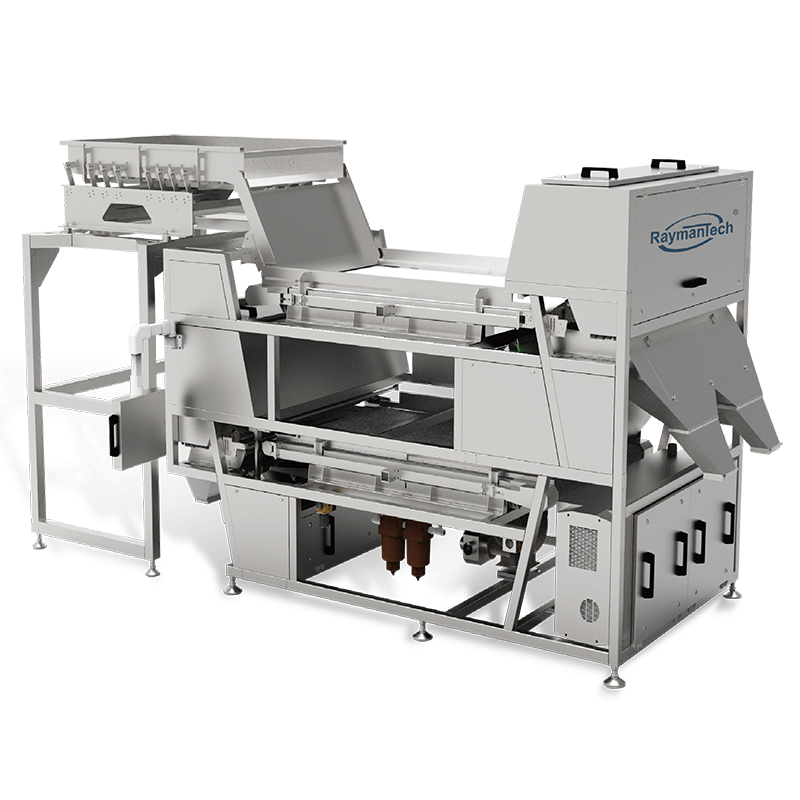
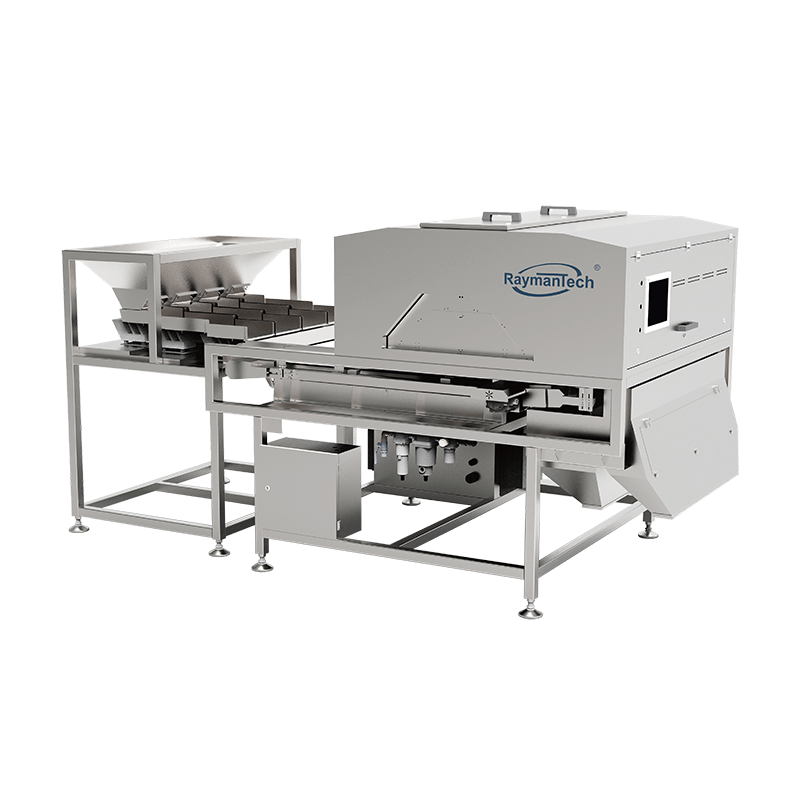
Recommedation: Chili, walnut, peanuts, soybeans, c...
High cost performance, compact design, high sensit...
Recommedation: Small particle, flat products such...
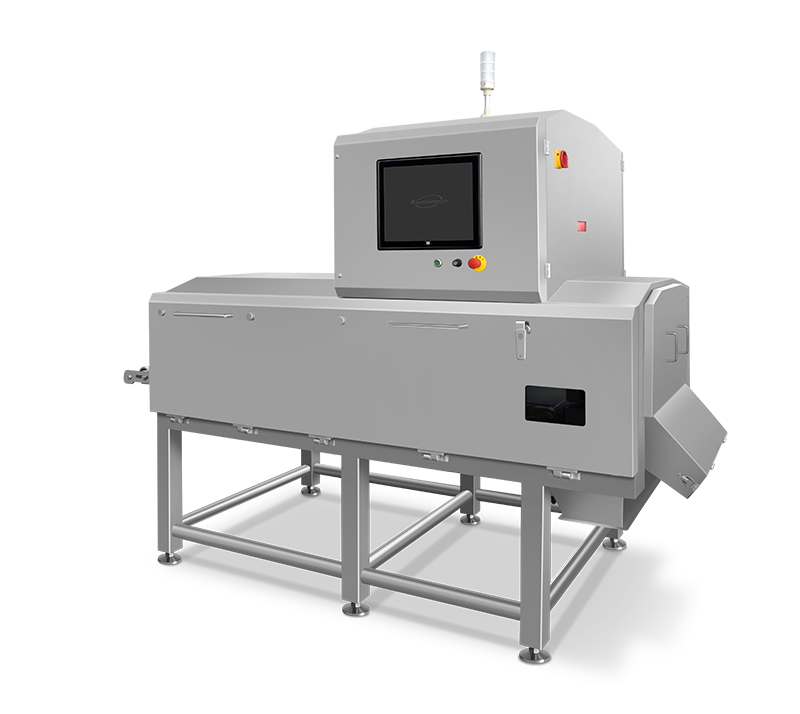
Conventional and unconventional contaminant detect...
Select the most popular foreign trade service products to meet your diverse needs
Select the most popular foreign trade service products to meet your diverse needs








User Comments
Service Experience Sharing from Real Customers
Michael Rodriguez
Quality Control ManagerThis mixed fruit optical sorter has revolutionized our production line. The accuracy in detecting defects and foreign materials is exceptional, and the processing speed has increased our throughput by 40%. Highly recommended for any fruit processing facility.
Sarah Chen
Production SupervisorOutstanding performance from this optical sorter! The color recognition and size grading capabilities are precise, ensuring consistent quality across our mixed fruit packages. The user interface is intuitive and maintenance requirements are minimal.
David Thompson
Operations DirectorThe mixed fruit optical sorter has significantly reduced our labor costs while improving product quality. The machine handles various fruit types seamlessly, though the initial setup required some technical support. Overall, a great investment for our business.
Jennifer Williams
Food TechnologistImpressive technology that delivers exactly as promised. The sorter's ability to distinguish between different fruit varieties while maintaining high-speed operation is remarkable. Our customer complaints about foreign materials have dropped to zero since installation.