 English EN
 中国 CN
中国 CN
.png)

RaymanTech Whole-Chain Solution: A Deep Dive
Food safety and quality control demands have evolv...
More

A chewing gum optical sorter is an automated machine for quality assurance. It uses cameras and sensors to inspect individual gum pieces on a production line. The primary function is identifying and removing non-conforming items, ensuring product safety and quality. Without such controls, significant safety risks can arise.
Note: For example, Toxic Waste® Short Circuits™ Bubble Gum was recalled after testing revealed lead levels of 0.189 ppm, exceeding the FDA's 0.1 ppm tolerance. This highlights the critical need for precise defect detection in food production.

A chewing gum optical sorter executes a four-step process to ensure product quality. This system automates inspection with remarkable speed and accuracy. It identifies and removes non-conforming gum pieces, safeguarding the integrity of the final product. Each stage, from presentation to ejection, plays a critical role in the quality control workflow.
The process begins with the controlled feeding of chewing gum pieces into the sorter. A vibratory feeder or a similar mechanism carefully transports the gum onto a high-speed conveyor belt or chute. This step ensures the gum pieces are spread out in a single layer. Proper presentation is crucial. It prevents pieces from overlapping or clumping together, allowing the cameras to get a clear, unobstructed view of each individual item as it passes through the inspection zone.
Once properly presented, the gum pieces travel at high speed into the inspection zone. Here, high-resolution cameras and specialized lighting capture detailed images of each piece from multiple angles. These cameras operate with impressive precision, capable of detecting minute flaws. The resolution of these imaging systems is a key factor in their effectiveness.
💡 Did You Know?The resolution of inspection cameras is significantly higher than that of everyday devices. This allows them to capture fine details that the human eye might miss.
Device Type Typical Resolution Flatbed Scanner 300 DPI Smartphone Camera (iPhone X) 458 PPI Optical Sorter Camera Often exceeds these for industrial precision
This high-resolution imaging ensures that even the smallest imperfections, such as color deviations, shape irregularities, or surface blemishes, are clearly captured for analysis.
The captured images are instantly sent to the sorter's central processing unit. This computer uses advanced software and algorithms to analyze each image in milliseconds. The software compares the image of each gum piece against pre-defined quality parameters set by the manufacturer.
Color and Texture Analysis: Algorithms like Grey Level Co-Occurrence Matrix (GLCM) analyze texture features. They measure homogeneity, contrast, and uniformity to ensure proper color mixing in multi-colored gum. Lower entropy values in the image data often indicate better masticatory performance and consistency.
Defect Recognition: Specialized software, such as ViewGum, quantifies color mixing by analyzing hue variance. This helps identify improperly mixed batches.
Modern systems integrate Artificial Intelligence (AI) to enhance this step. AI, through machine learning and deep learning, allows the chewing gum optical sorter to learn from the data it processes. Unlike systems with fixed rules, an AI-powered sorter can identify subtle new defects and adapt to variations in lighting or product appearance. It continuously refines its sorting criteria, improving accuracy over time without needing manual recalibration. This self-optimizing capability is crucial for handling complex sorting tasks and identifying recurring issues in the production line.
If the image processing software identifies a gum piece as defective, it signals the ejection system. The system calculates the exact position and trajectory of the non-conforming item on the conveyor belt. At the precise moment the defective piece passes the ejection point, a targeted puff of compressed air removes it from the production stream.
The timing of this action is synchronized with the conveyor's speed.
An encoder on the conveyor drive generates pulses that track the belt's movement.
This data allows the system to follow each piece's location in a digital register.
When a defect is flagged, the system activates the air jet at the exact millisecond the piece is in position.
This precise, automated ejection ensures that only gum pieces meeting the highest quality standards proceed to packaging, maintaining the integrity of the entire batch. The rejected items are collected separately for disposal or analysis.
A chewing gum optical sorter delivers significant advantages that extend beyond simple quality control. It enhances precision, ensures safety, boosts operational efficiency, and safeguards a company's most valuable asset: its brand reputation. These machines are a cornerstone of modern confectionery manufacturing.
Optical sorters excel at identifying imperfections that are difficult or impossible for the human eye to catch consistently. The technology uses high-resolution CCD optical sensors to perform this task. These sensors capture the red, green, and blue (RGB) optical information of each gum piece. This data becomes a photoelectric signal that the control system analyzes. If a piece shows undesirable color characteristics, the system flags it for removal.
This process allows the machine to spot a wide range of defects, including:
Incorrect color or shade variations
Improperly mixed color patterns
Size and shape irregularities
Surface blemishes or foreign material
A Versatile TechnologyThe core photoelectric detection technology is not limited to gum. Its effectiveness is proven across numerous industries for sorting items like nuts, seeds, plastics, and pills, demonstrating its reliability and precision.
Maintaining product safety is a non-negotiable aspect of food production. Optical sorters are a critical component in a manufacturer's food safety plan. They help companies comply with stringent regulations by automatically removing foreign particles and contaminated items from the production line.
Integrating these advanced detection systems helps manufacturers meet global standards, including EU food safety regulations. Within a Hazard Analysis and Critical Control Points (HACCP) framework, optical sorters serve as a key control measure to prevent foreign body intrusion. They work alongside other safety equipment to create a comprehensive defense against contamination.
| HACCP Foreign Body Control Methods |
|---|
| Optical Sorters |
| Metal Detectors |
| X-ray Machines |
| Sieves and Filters |
| Magnets |
Automating the inspection process with an optical sorter yields substantial gains in production efficiency. These systems operate continuously without fatigue, ensuring consistent performance and much faster throughput compared to manual inspection. A study in the International Journal of Food Engineering found that automated sorting can decrease product defects by as much as 40%. This precision minimizes waste and the need for costly rework.
The transition from manual to automated inspection creates a clear return on investment by addressing labor costs and operational bottlenecks.
| Feature | Manual Inspection | Automated Inspection |
|---|---|---|
| Labor Costs | High costs for skilled QC staff. | Reduced labor needs lead to long-term savings. |
| Speed | Slow, processing tens of parts per hour. | Fast, processing thousands of parts per hour. |
| Accuracy | Inconsistent due to human fatigue and error. | Highly consistent 24/7, eliminating variability. |
By automating sorting, a business can reduce its manual workload by up to 75%, reallocating personnel to higher-value tasks.
A single product recall can inflict devastating and long-lasting damage on a brand. The financial impact goes far beyond the immediate cost of removing products from shelves. In 2022, a massive recall by Strauss Israel due to Salmonella suspicion included Elite-branded chewing gum and led to a factory shutdown. The total cost of similar large-scale confectionery recalls has been estimated to exceed $60 million.
Investing in a chewing gum optical sorter is a proactive measure to prevent such a crisis. It acts as an insurance policy against the catastrophic costs associated with a recall.
The True Cost of a RecallThe financial fallout from a product recall includes numerous direct and indirect expenses:
Direct Costs: Crisis management, product removal, and public relations campaigns.
Indirect Costs: Litigation, regulatory fines, lost sales, and a decline in company stock value.
By ensuring only compliant products reach the market, optical sorters protect consumer trust and preserve the integrity and value of the brand.
A chewing gum optical sorter is an indispensable tool for safeguarding product integrity. It uses advanced imaging and ejection systems to automatically remove defective products from the production line. This technology is crucial for guaranteeing the quality, safety, and consistency that consumers expect from their favorite chewing gum.
The future is even more precise. Evolving camera hardware, combined with new image processing and AI, will undoubtedly bring spectral imaging into our daily lives and increase the power of intelligent sensing.
An optical sorter inspects thousands of individual gum pieces per minute. This high-speed capability ensures maximum production throughput without sacrificing accuracy.
Yes. Operators can program the system for various gum types, including pellets, sticks, and coated pieces. The software adapts to different shapes, sizes, and color specifications.

We provide you with comprehensive foreign trade solutions to help enterprises achieve global development
High cost performance, compact design, high sensit...
.png)
Glass-in-glass / Metal-in-metal inspection, small ...
Ultra-fine contaminants detection, UHD X-Ray detec...
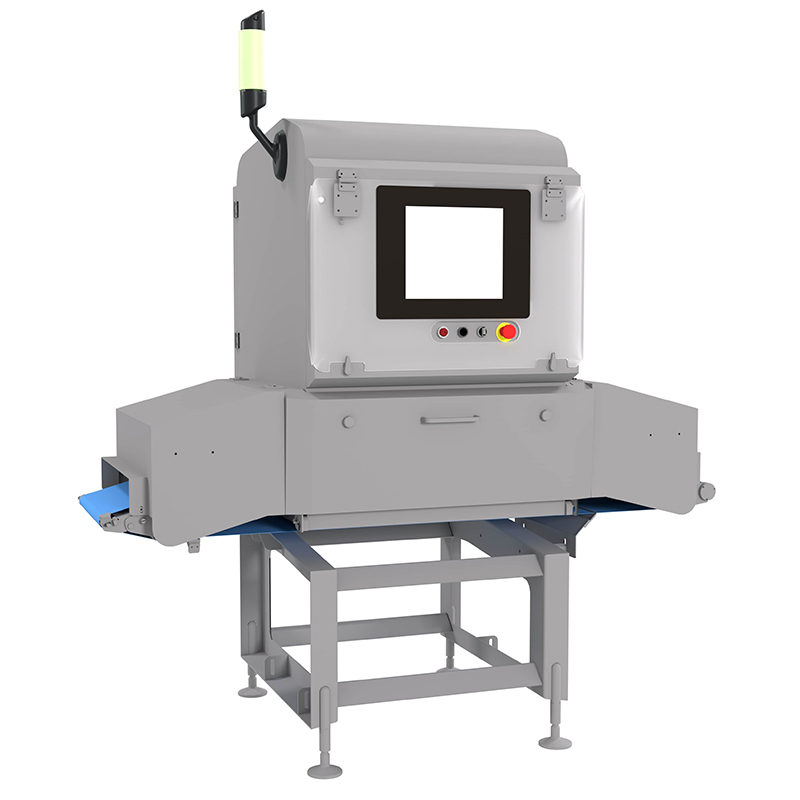
Uneven and overlapped product detection, thin & lo...
Select the most popular foreign trade service products to meet your diverse needs
Select the most popular foreign trade service products to meet your diverse needs



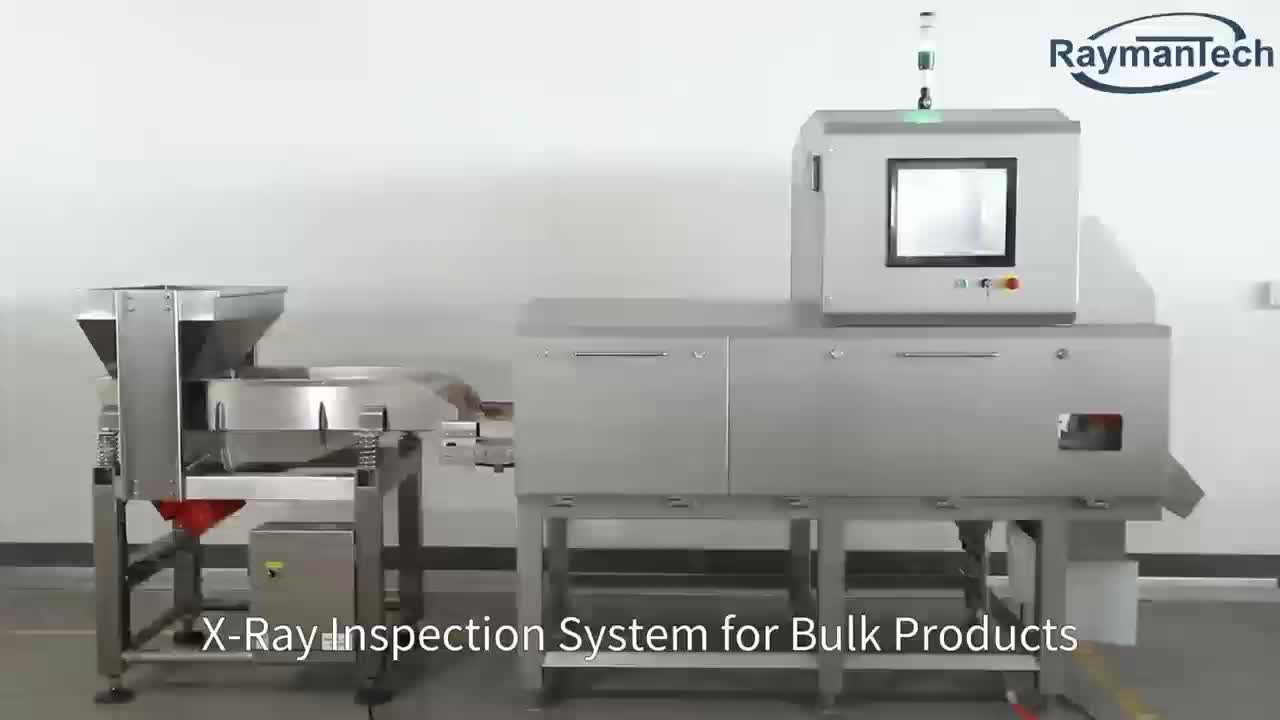

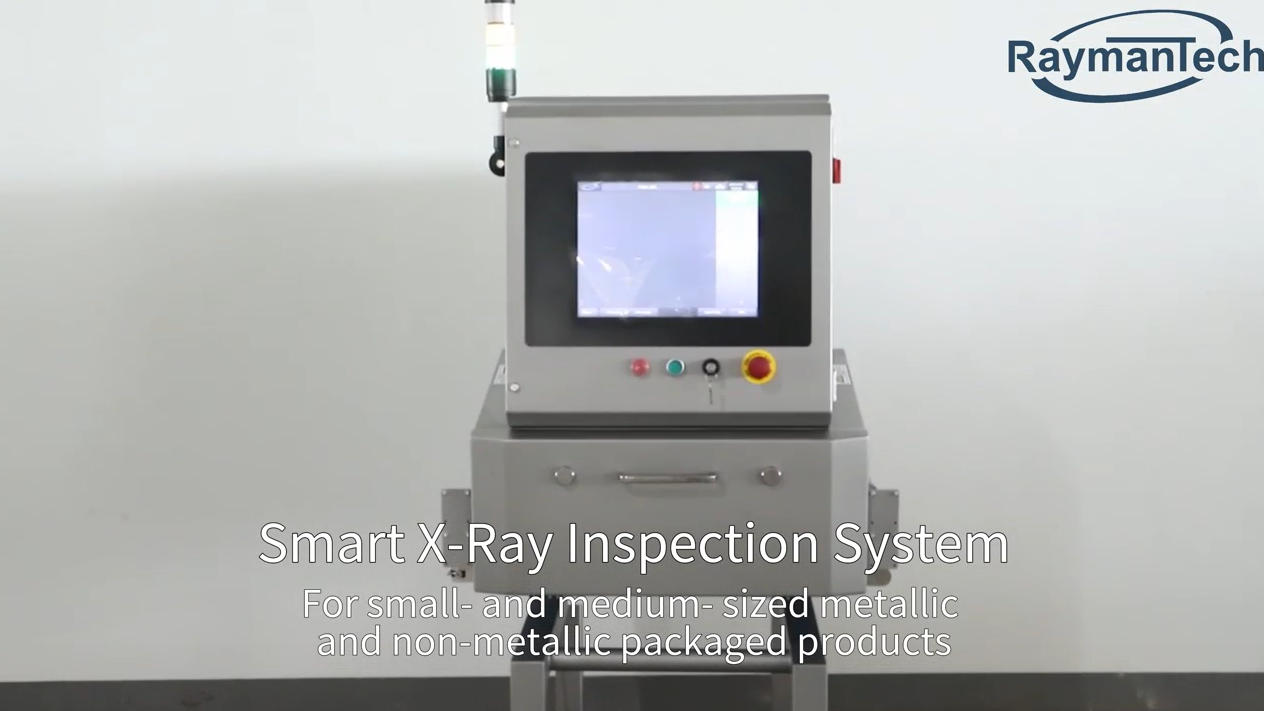




User Comments
Service Experience Sharing from Real Customers
Michael Rodriguez
Production SupervisorThis chewing gum optical sorter has revolutionized our production line. The accuracy in detecting and rejecting defective products is remarkable, and we've seen a 30% reduction in waste since installation.
Sarah Chen
Quality Control ManagerHighly efficient machine that consistently maintains our quality standards. The color sorting capability is particularly impressive for our multi-colored gum products. Minor learning curve for operators, but excellent performance overall.
David Thompson
Plant ManagerOutstanding investment! The optical sorter handles our high-volume chewing gum production with exceptional speed and precision. Maintenance is straightforward and downtime has been minimal. Highly recommended for any confectionery business.
Jennifer Williams
Operations DirectorThis optical sorting system has exceeded all our expectations. The ability to detect subtle defects in chewing gum products has significantly improved our final product quality. Customer complaints have dropped by 45% since implementation.