 English EN
 中国 CN
中国 CN
.png)
Introduction to RaymanTech Optical Sorters for Farm Products and Food Processors
RaymanTech, as a leading provider of inspection an...
More

Artisan producers traditionally rely on manual sorting. Modern technology, like a cavatappi optical sorter, offers superior consistency and defect detection. This innovation boosts production scalability without sacrificing craft. Adopting optical sorting ensures every box meets a premium standard, enhancing a brand's reputation for quality.
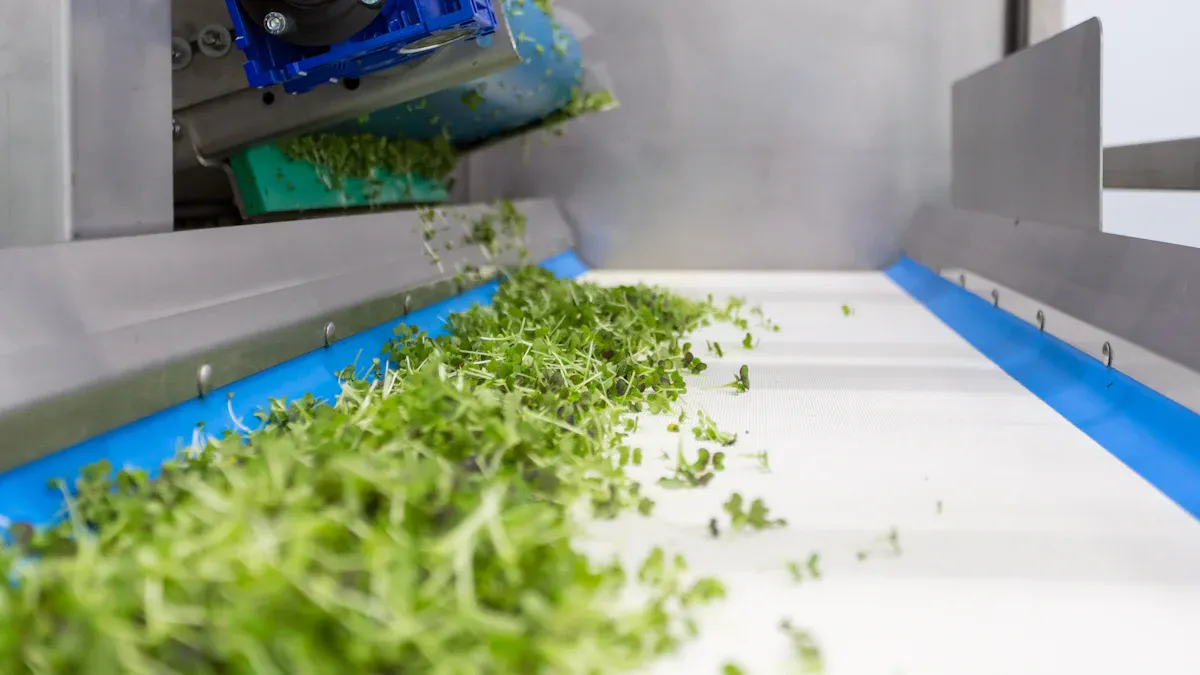
Manual sorting represents the classic approach to quality control in artisan pasta making. Skilled workers inspect pasta by hand, removing pieces that are broken, misshapen, or discolored. This method connects the producer directly to the product, embodying a hands-on commitment to quality. However, this process has inherent limitations. Human sorters experience fatigue, which can lead to errors and inconsistent standards over a long shift. The pace is naturally slower, creating a bottleneck that limits production volume and scalability for a growing business. While noble in its intent, manual sorting struggles to guarantee uniform quality across every single batch.
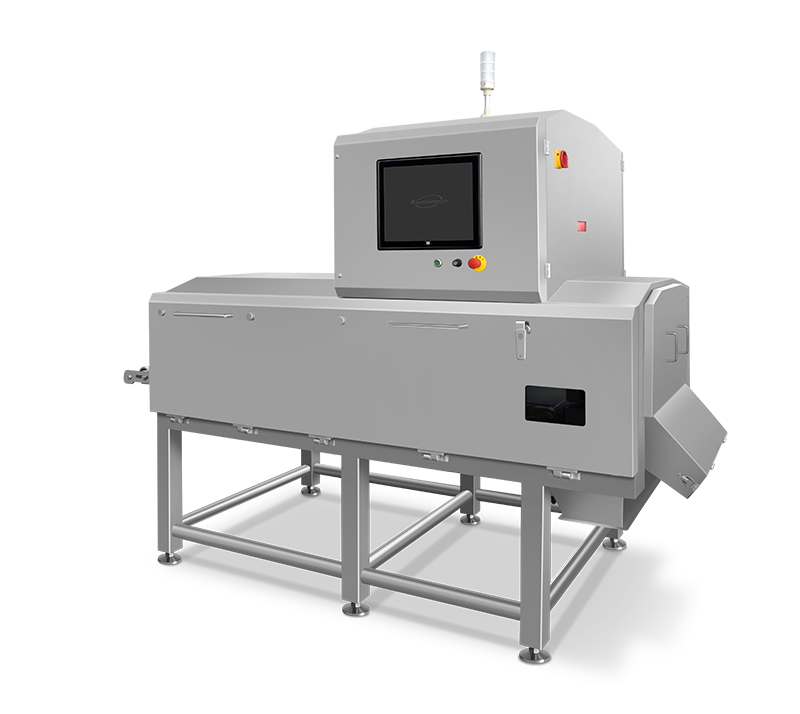
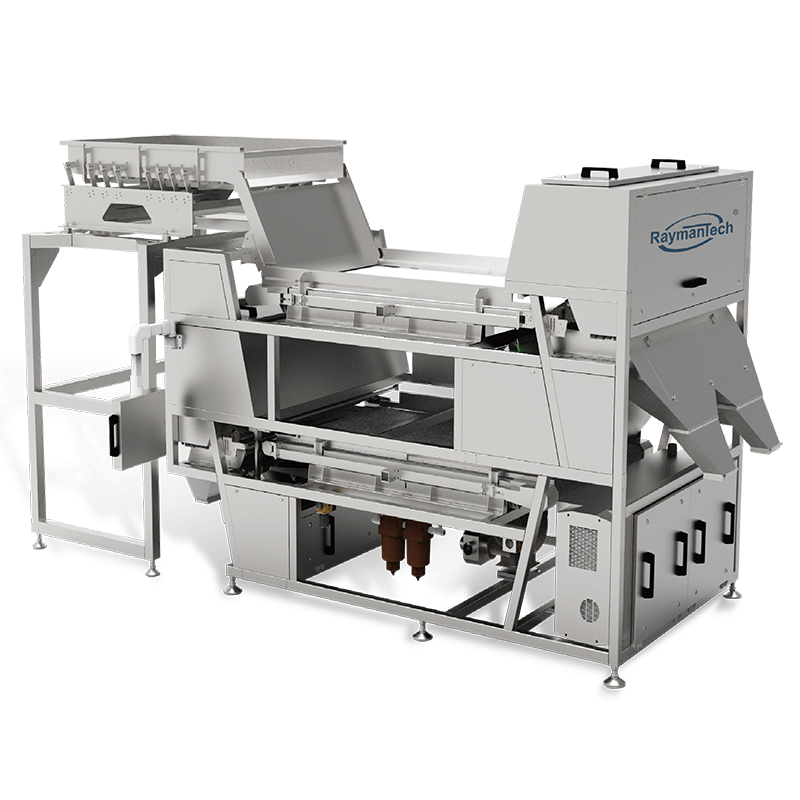
Optical sorting introduces precision engineering to the artisan process. A modern cavatappi optical sorter automates inspection with superhuman speed and accuracy. These machines are specifically designed to identify and eject pasta with color defects, such as pieces that are too light or stained by oil. This advanced system employs several key technologies:
High-resolution cameras capture detailed images of each pasta piece.
LED lighting systems provide consistent illumination for accurate color assessment.
Spectroscopic sensors detect differences in chemical composition invisible to the eye.
Machine learning algorithms continuously improve defect recognition accuracy.
By leveraging this technology, a cavatappi optical sorter ensures that only pasta meeting the highest visual and material standards proceeds to packaging. It provides an objective, unwavering eye for perfection.
Evaluating any sorting method requires a close look at its performance against key metrics. For artisan pasta producers, the choice between manual and optical sorting directly impacts product quality, operational efficiency, and brand integrity. The data clearly shows how technology provides a measurable advantage.
Accuracy in sorting is the foundation of a premium product. Human sorters, while skilled, are susceptible to fatigue and subjective judgment. One person's "perfect" piece of pasta may differ slightly from another's, leading to inconsistencies across batches. Over a long production day, attention wanes and the rate of error increases.
Optical sorters, in contrast, offer objective and relentless precision. These systems apply the exact same sorting parameters to every single piece of pasta, 24/7, without tiring. A cavatappi optical sorter calibrated to detect subtle discoloration will perform its task with unwavering accuracy from the first box of the day to the last. This guarantees a level of product uniformity that manual inspection simply cannot replicate, ensuring customers receive the same high-quality experience with every purchase.
Production speed is a critical factor for any growing artisan business. Manual sorting creates a natural bottleneck, limiting how much pasta can be packaged and shipped. Optical sorting systems shatter this limitation by processing product at a rate far exceeding human capability. This automation dramatically improves overall line efficiency.
Key advantages for production throughput include:
Accelerated Production Cycles: Automated conveyor lines process pasta significantly faster than manual sorters, allowing producers to meet higher demand without increasing labor costs.
Reduced Labor Dependence: Automation eliminates the need for a large manual sorting team, freeing skilled artisans from a repetitive task and reducing the risk of human error.
Flexibility for Multiple Products: Modern sorters can be quickly recalibrated for different pasta shapes or recipes. This allows a manufacturer to efficiently switch between product lines, accommodating seasonal items or special orders without lengthy downtime.
This boost in speed allows artisan producers to scale their operations effectively, moving from a small-batch model to a larger market presence without compromising their commitment to quality.
An optical sorter's greatest strength lies in its superhuman ability to detect flaws. High-resolution cameras and spectroscopic sensors identify a wide range of issues that are difficult, if not impossible, for the human eye to catch consistently. This includes tiny black specks, hairline cracks, improperly mixed dough, or pieces with slight oil stains.
The system's precision is vital for food safety. It can identify and eject foreign materials—such as small pieces of plastic or wood—that may have accidentally entered the production line, protecting both the consumer and the brand's reputation.
By precisely removing pasta that fails to meet quality standards, a cavatappi optical sorter also significantly reduces overall product waste. Instead of discarding an entire batch due to a few bad pieces, the machine ensures that only the defective items are removed. This targeted approach maximizes yield and reinforces the producer's promise of delivering a perfect product in every box.
Adopting new technology always requires a careful financial analysis. For an artisan pasta producer, the decision to invest in an optical sorter goes beyond a simple cost comparison. It involves evaluating upfront capital against long-term operational expenses, calculating the return on investment (ROI), and understanding the direct impact on product yield.
Manual sorting appears financially attractive at first glance. It requires minimal initial capital. The primary costs are ongoing labor expenses, including wages, benefits, and training. These costs, however, are persistent and tend to increase over time. A growing business must hire more sorters, amplifying these recurring expenses and the management overhead associated with a larger workforce.
An optical sorter represents a significant upfront capital expenditure. This initial investment can be substantial for a small or medium-sized enterprise. However, this one-time cost replaces the endless stream of labor expenses. The ongoing costs for a machine are predictable and manageable, primarily involving energy consumption and routine maintenance. Modern systems are engineered for efficiency.
Lower Energy Consumption: Manufacturers prioritize energy-efficient designs, reducing a producer's utility bills and environmental footprint.
Optimized Air Consumption: The compressed air used by the rejection mechanism is finely tuned, minimizing waste and lowering operational expenses.
Robust Design: Sorters built for durability require less frequent servicing and fewer replacement parts, maximizing uptime.
While a machine requires maintenance, these tasks are structured and predictable, unlike the variable performance of human labor.
| Maintenance Task | Frequency | Action |
|---|---|---|
| Daily Checks | ||
| Hopper and Chutes | Daily | Check for blockages and ensure smooth product flow. |
| Lighting System | Daily | Verify lights are clean and functional. |
| Ejector Nozzles | Daily | Inspect for blockages or wear. |
| Weekly Checks | ||
| Camera Lenses | Weekly | Gently clean lenses to remove dust. |
| Air Filters | Weekly | Inspect and clean or replace as needed. |
| Monthly Checks | ||
| Software and Calibration | Monthly | Verify settings and perform calibration checks. |
| Mechanical Components | Monthly | Lubricate moving parts as specified. |
The true financial value of an optical sorter emerges when calculating its long-term return on investment. ROI is not simply the machine's cost versus the labor savings. It encompasses gains across the entire production process. Producers should factor in several key areas:
Reduced Labor Costs: The most direct return comes from reallocating or reducing the workforce dedicated to manual sorting.
Increased Throughput: The machine's speed allows the business to produce and sell more pasta without a proportional increase in costs, boosting overall revenue.
Enhanced Brand Value: Unwavering consistency builds a reputation for premium quality. This allows the brand to command a higher price point and fosters customer loyalty.
Improved Yield: By minimizing the rejection of good pasta, the sorter increases the amount of sellable product from each batch of raw materials.
A case study of Corno Macaroni Co., Ltd. illustrates the technological advantage. After implementing an optical sorter, the company achieved a dramatic improvement in its ability to detect and remove tiny black spots from its product. This level of precision is a cornerstone of ROI, as it directly protects product quality and brand integrity, which are essential for long-term financial success.
Product waste is a hidden cost that silently eats into profits. Manual sorting often contributes to waste in two ways. First, sorters may accidentally discard perfectly good pasta along with defective pieces, especially during long shifts. Second, if a systemic defect is missed, it can compromise an entire batch, leading to a significant loss of raw materials, time, and energy.
An optical sorter addresses this problem with surgical precision. ✅
The machine's calibrated sensors and high-speed ejectors target only the individual pieces of pasta that fail to meet the set quality parameters. Good pasta continues down the line to packaging. This targeted approach dramatically increases product yield. By converting more raw ingredients into a final, sellable product, the sorter ensures that the producer extracts maximum value from their materials, directly boosting the bottom line.

Some producers worry that automation might diminish their 'artisan' status. However, the term 'artisan' lacks an official definition from governing bodies like the FDA. Consumers associate it with expertise, care, and superior quality. Technology does not replace this craft; it enhances it. A cavatappi optical sorter acts as a tool to achieve a level of perfection that aligns with the artisan promise. It ensures the producer's high standards are met with unwavering consistency, reinforcing the brand's commitment to excellence rather than weakening it. True artisanship lies in the final quality, not just the method.
A machine is only as smart as its operator. The artisan's expertise is crucial for optimizing a cavatappi optical sorter. The producer defines what constitutes a "perfect" piece of pasta by programming the machine's parameters. They set the acceptable color range, size, and shape specifications. This process transfers the artisan's vision of quality directly into the machine's logic. The sorter then executes that vision with flawless precision. This collaboration between human skill and machine accuracy ensures the final product perfectly reflects the maker's intent.
Automation liberates skilled workers from tedious, repetitive labor. Instead of manually sorting pasta for hours, artisans can focus on tasks that truly drive innovation and growth. This shift mirrors trends in other craft industries, like coffee roasting, where technology empowers creativity. Freed-up artisans can engage in higher-value activities:
Recipe Development: They can experiment with alternative flours or create new pasta shapes.
Nutritional Enhancement: They can focus on increasing the dietary value of their products.
Advanced Quality Control: They can analyze production data to benchmark performance and optimize processes.
By handling the monotonous work, technology allows artisans to dedicate their time to the art and science of pasta making, pushing the boundaries of their craft.
Optical sorting elevates the final product with unmatched consistency and quality assurance. Integrating this technology represents an evolution of the artisan craft, allowing for perfection at scale.
Success stories from other industries, like winemaking and olive oil production, show producers achieve faster, superior sorting and significant labor savings. For modern pasta makers aiming for excellence, the optical sorter is the clear choice.
Modern sorters feature intuitive, user-friendly interfaces. Producers easily set quality parameters. The machine then automates the sorting process, requiring minimal daily intervention from the operator.
Yes. Operators can save and load pre-set sorting profiles for different pasta shapes. This feature allows for quick production changeovers, maximizing the machine's versatility and uptime.

We provide you with comprehensive foreign trade solutions to help enterprises achieve global development
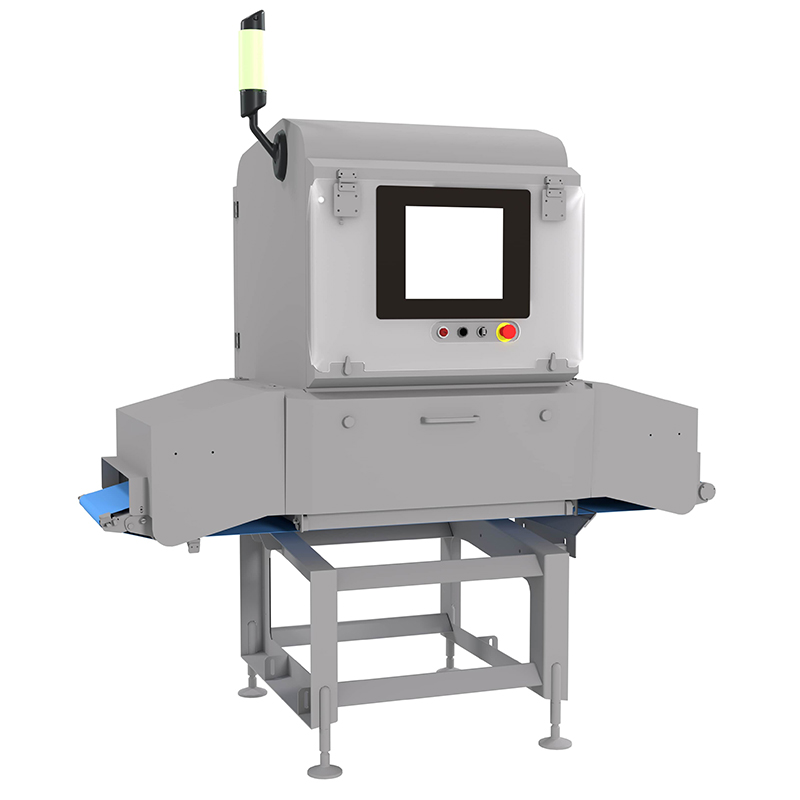
Chicken bone inspection, global poultry AI databas...
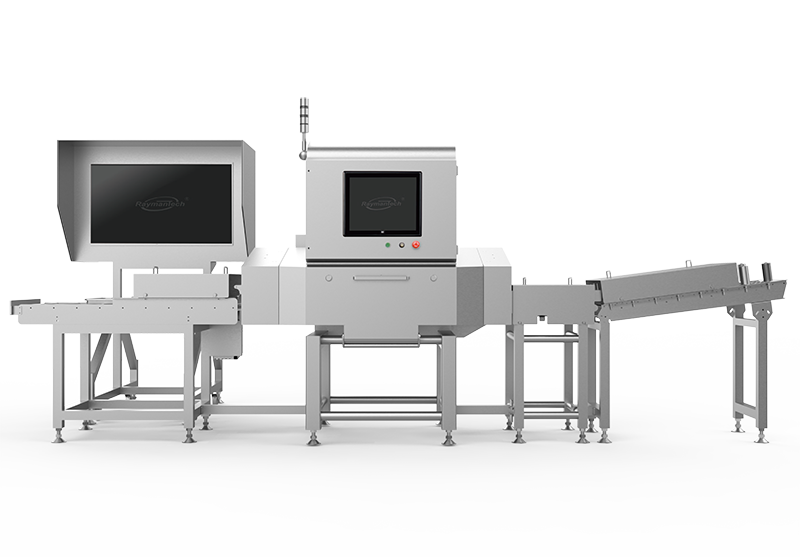
Automatic recognition and rejection, fish bone ins...
Recommedation: Chili, walnut, peanuts, soybeans, c...

UHD X-Ray detector, AI large model, all food indus...
Select the most popular foreign trade service products to meet your diverse needs
Select the most popular foreign trade service products to meet your diverse needs








User Comments
Service Experience Sharing from Real Customers
Michael Rodriguez
Production ManagerThe Cavatappi optical sorter has revolutionized our pasta production line. Its accuracy in detecting and removing defective products is exceptional, significantly reducing waste and improving overall quality.
Sarah Chen
Quality Control SupervisorOutstanding performance from the Cavatappi optical sorter. The color recognition and defect detection capabilities have helped us maintain consistent product quality while increasing our processing speed by 30%.
David Thompson
Plant Operations DirectorHighly efficient optical sorter that has streamlined our cavatappi production. The user-friendly interface and minimal maintenance requirements make it a valuable addition to our facility. Minor calibration needed initially, but excellent overall.
Jennifer Williams
Food TechnologistThe Cavatappi optical sorter delivers exceptional precision in sorting our specialty pasta products. Its ability to handle various sizes and colors while maintaining high throughput has been crucial for our premium product line.