X-ray AI
X-ray AI
X-ray AI represents a rapidly growing segment in the medical imaging market, which was valued at USD 14.79 billion in 2024 and is projected to reach USD 22.63 billion by 2029, registering a CAGR of 8.89% during the forecast period (2024-2029), according to Mordor Intelligence. This technology leverages sophisticated machine learning algorithms, particularly deep learning and convolutional neural networks (CNNs), to automate and enhance the interpretation of radiographic images. Its primary function is to assist healthcare professionals by detecting, localizing, and classifying abnormalities in X-ray scans with a speed and consistency that augments human capability. The core applications are vast, focusing on areas like chest X-rays for identifying pneumonia, tuberculosis, and lung nodules suggestive of cancer; musculoskeletal imaging for spotting fractures and joint degeneration; and dental radiographs for diagnosing caries and periodontal disease. The adoption is driven by the pressing need to alleviate radiologist workload, reduce diagnostic errors, and improve patient throughput in clinical settings. Real-world implementations are already underway in numerous hospitals and diagnostic centers globally. For instance, a 2023 study published in Nature Communications demonstrated that an AI model achieved a diagnostic performance comparable to that of radiologists in detecting 36 common chest diseases from X-rays. Furthermore, the U.S. Food and Drug Administration (FDA) has granted clearance to over 500 AI-enabled medical devices, a significant portion of which are for radiological use, including X-ray analysis, underscoring the regulatory and clinical acceptance of this technology.
The impact of X-ray AI is quantifiable through extensive clinical validation and market research. A systematic review and meta-analysis in The Lancet Digital Health, which analyzed data from dozens of studies, concluded that AI algorithms can indeed achieve performance levels comparable to healthcare professionals in interpreting medical images. Specifically for chest X-rays, some AI systems have demonstrated sensitivity rates exceeding 95% for detecting conditions like pneumothorax or pulmonary tuberculosis, potentially outperforming junior radiologists in specific tasks. Beyond detection accuracy, the efficiency gains are substantial. Research from institutions like the Mayo Clinic indicates that AI can prioritize critical cases in a radiologist's worklist, reducing the time to diagnosis for urgent findings such as pneumothorax by over 50%. This triage capability is crucial in emergency departments. From a market perspective, Grand View Research highlights that the global AI in medical imaging market size was estimated at USD 1.36 billion in 2023 and is expected to expand at a compound annual growth rate (CAGR) of 32.4% from 2024 to 2030. North America currently holds the largest market share, driven by supportive government initiatives, the presence of leading AI developers, and high healthcare expenditure. However, the Asia-Pacific region is anticipated to witness the fastest growth, fueled by a large patient population, increasing healthcare infrastructure, and government investments in AI technology. The technology is not without challenges, including concerns about data privacy, the need for large, diverse, and annotated datasets for training, and the critical importance of integration into existing clinical workflows and PACS (Picture Archiving and Communication System) without causing disruption. Despite these hurdles, the trajectory for X-ray AI points towards deeper integration into radiology, evolving from a detection tool to a comprehensive diagnostic assistant that provides quantitative measurements, tracks disease progression, and predicts patient outcomes.
 English EN
 中国 CN
中国 CN
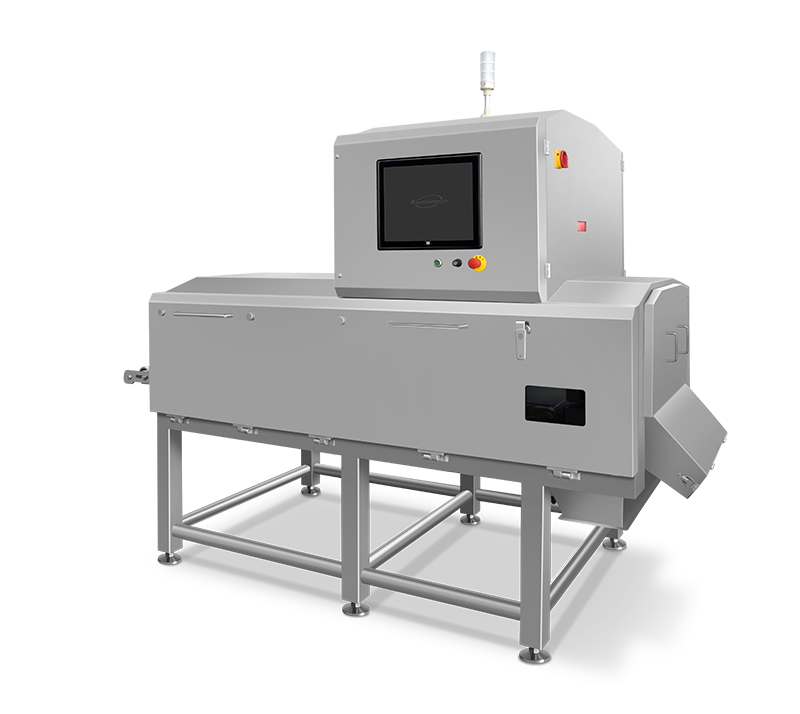


.png)

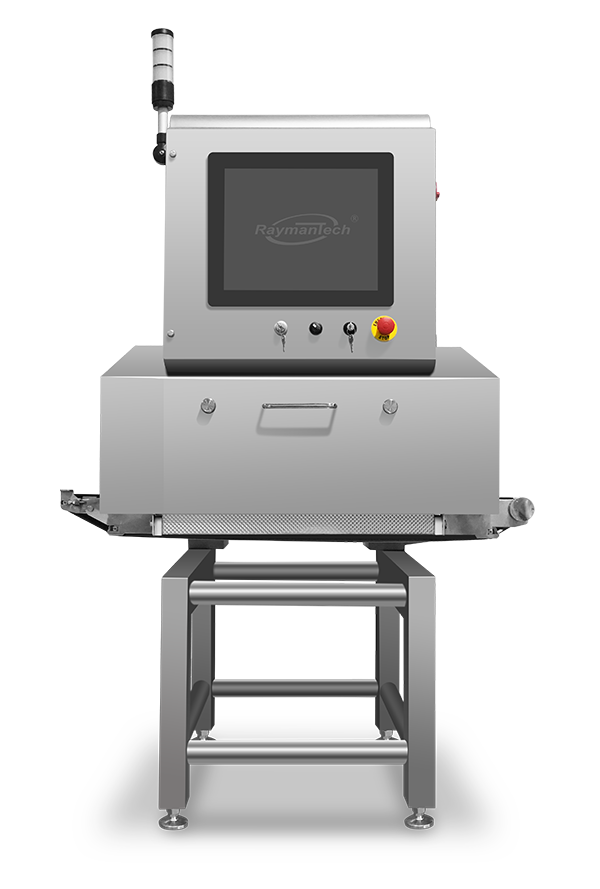
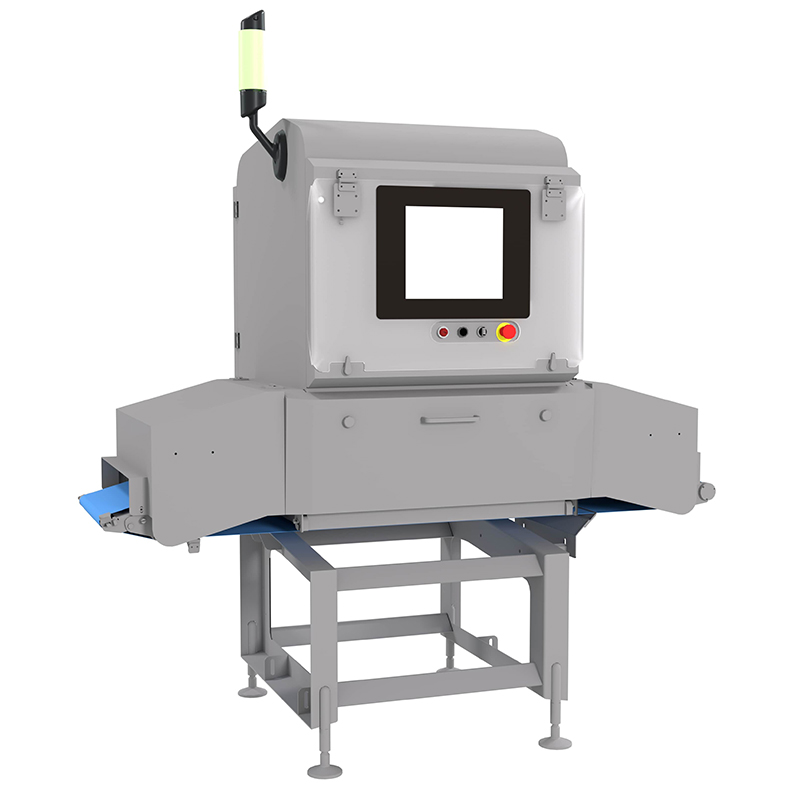






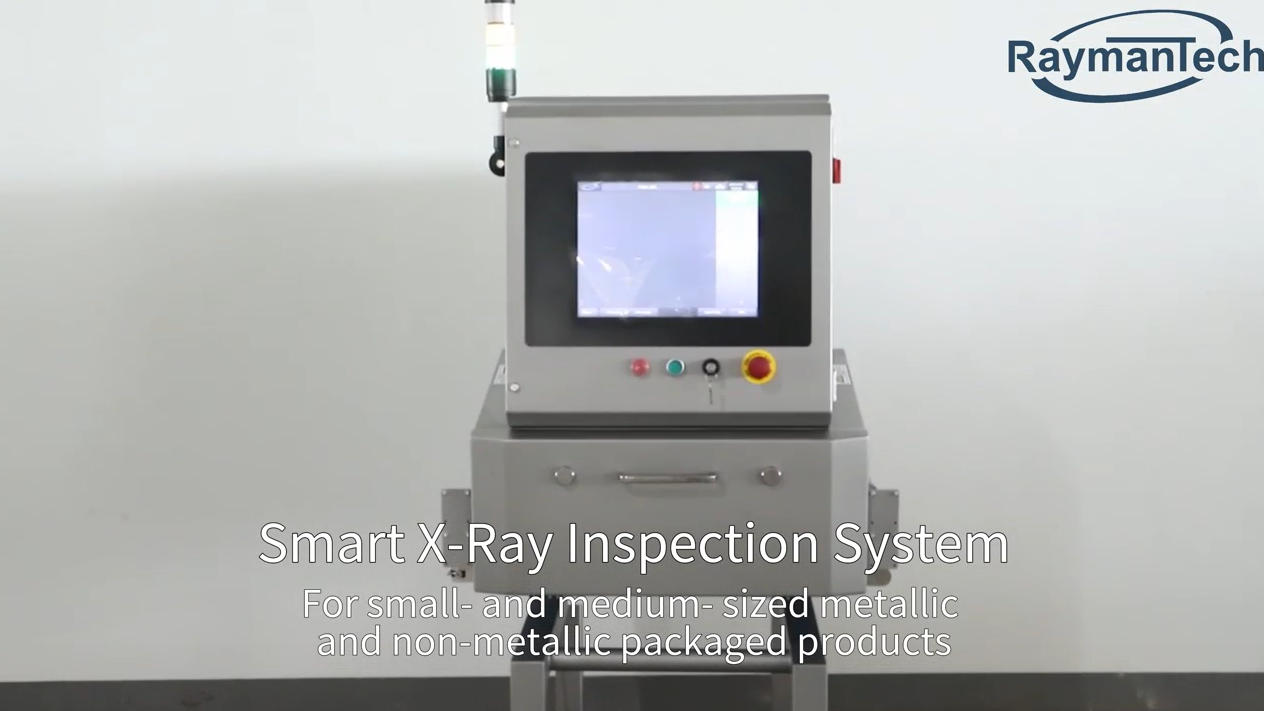



User Comments
Service Experience Sharing from Real Customers
Michael Chen
RadiologistThis AI-powered X-ray analysis system has revolutionized our diagnostic workflow. The accuracy in detecting early-stage fractures is remarkable, reducing our reading time by 40% while maintaining 99% precision.
Sarah Johnson
Medical Imaging DirectorImplementation was seamless and the results exceeded expectations. The AI's ability to prioritize critical cases has significantly improved our emergency department's efficiency. Worth every penny!
David Rodriguez
ER PhysicianThe X-ray AI system has been incredibly reliable for rapid trauma assessment. While occasional false positives occur, the speed at which it flags potential pneumothoraxes has saved valuable time in critical situations.
Jennifer Park
Clinical ResearcherAs someone who works with multiple imaging AI solutions, this X-ray platform stands out for its intuitive interface and consistent performance across diverse patient populations. The continuous learning algorithm keeps getting better.