AI in Food Production
AI in Food Production is a transformative force reshaping the entire food supply chain, from precision agriculture and automated processing to predictive supply chain management and personalized nutrition. This integration is not a future concept but a present-day reality, driving unprecedented efficiency, sustainability, and safety. In agriculture, companies like John Deere deploy AI-powered tractors and combine harvesters that utilize computer vision and machine learning to identify weeds and apply herbicide with pinpoint accuracy, reducing chemical usage by up to 90% according to field trials. Similarly, Blue River Technology's "See & Spray" technology exemplifies this, dramatically cutting input costs and environmental impact. Beyond the field, AI algorithms process satellite imagery and IoT sensor data from farms to predict crop yields with over 90% accuracy, as demonstrated by IBM's Watson Decision Platform for Agriculture, enabling better resource allocation and financial planning for farmers.
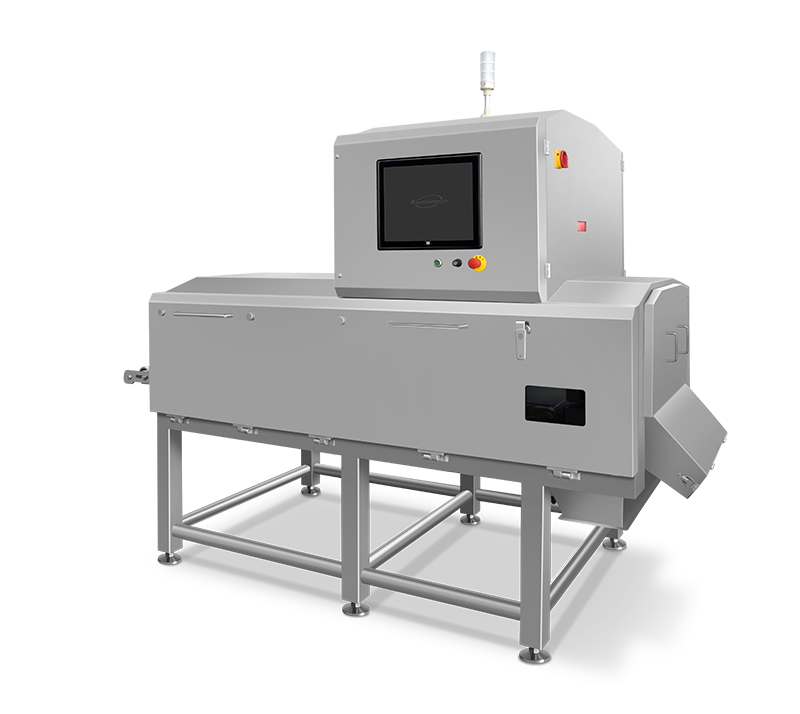
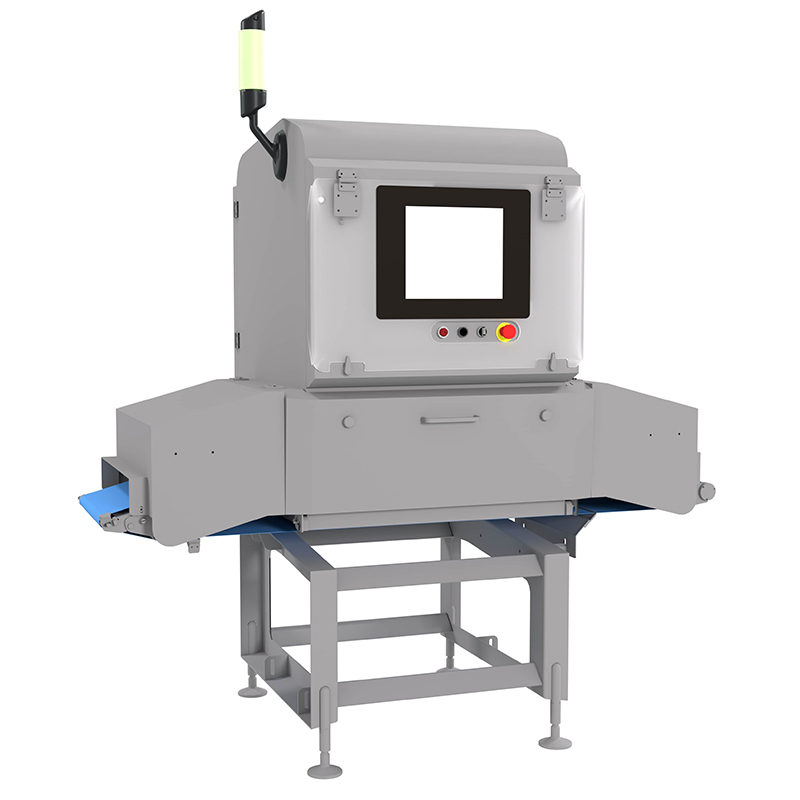
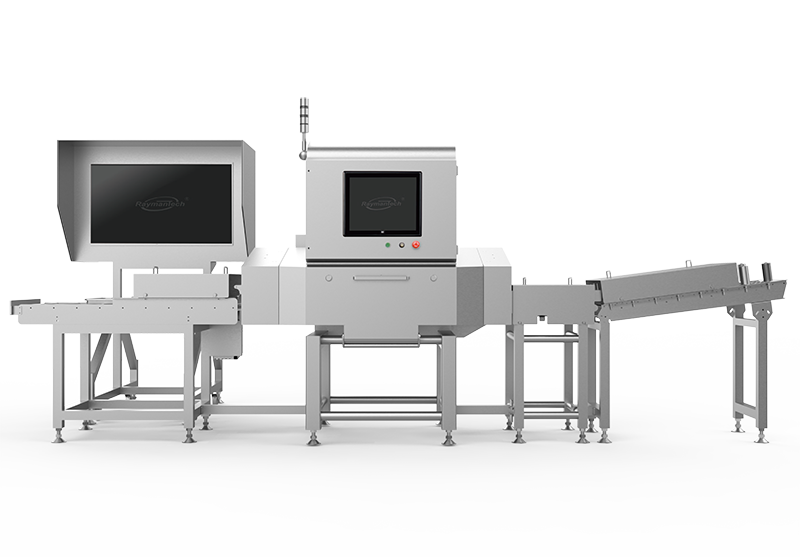
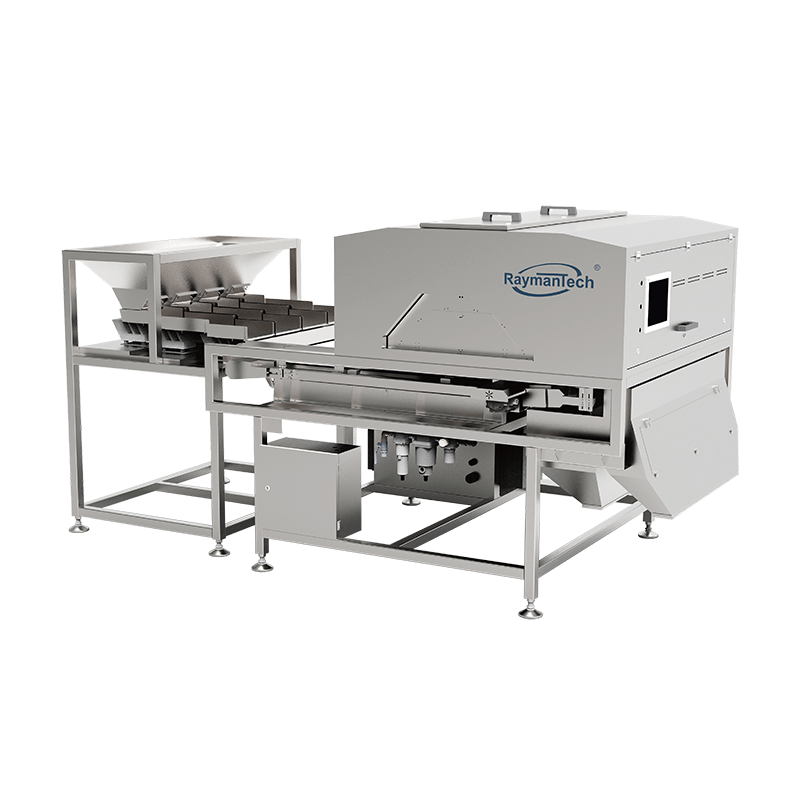
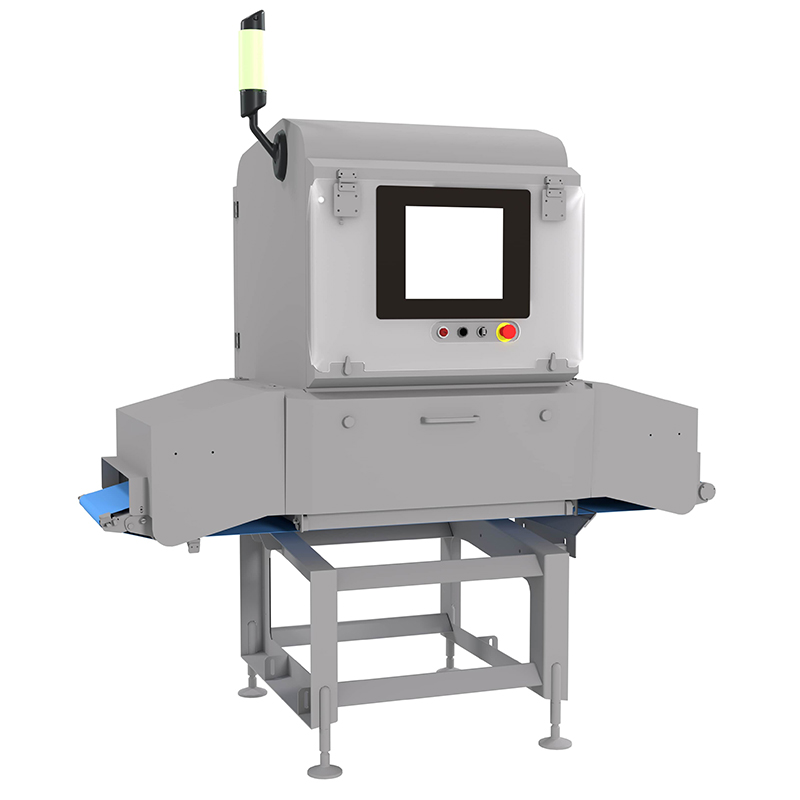
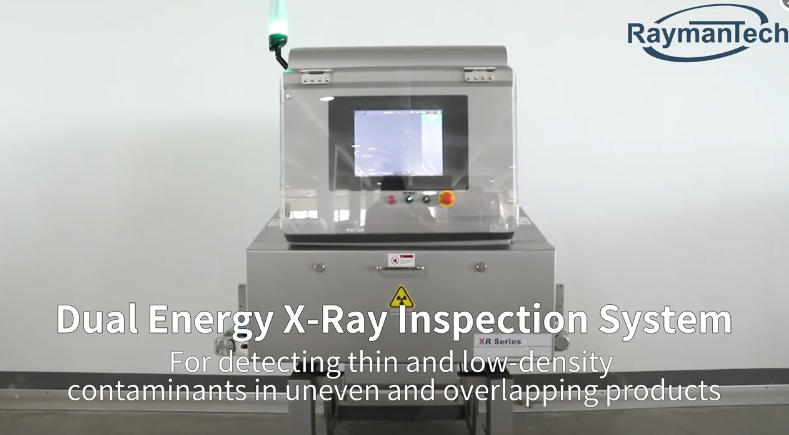
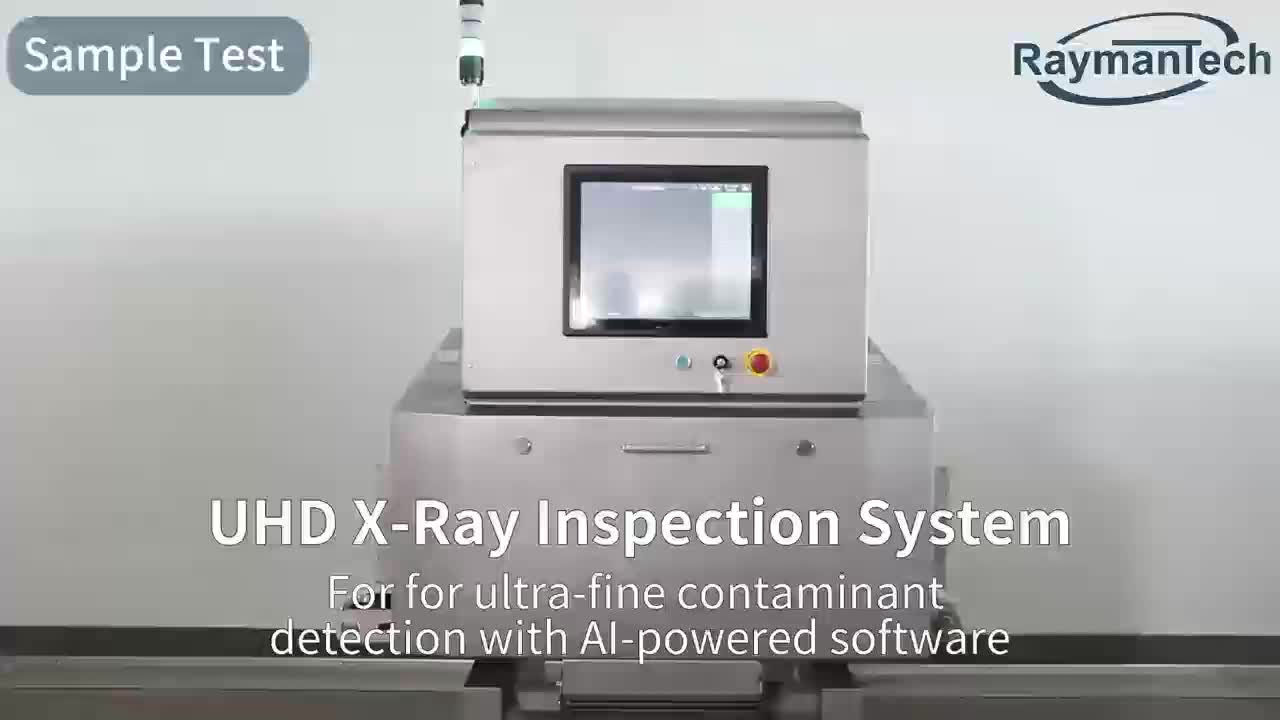
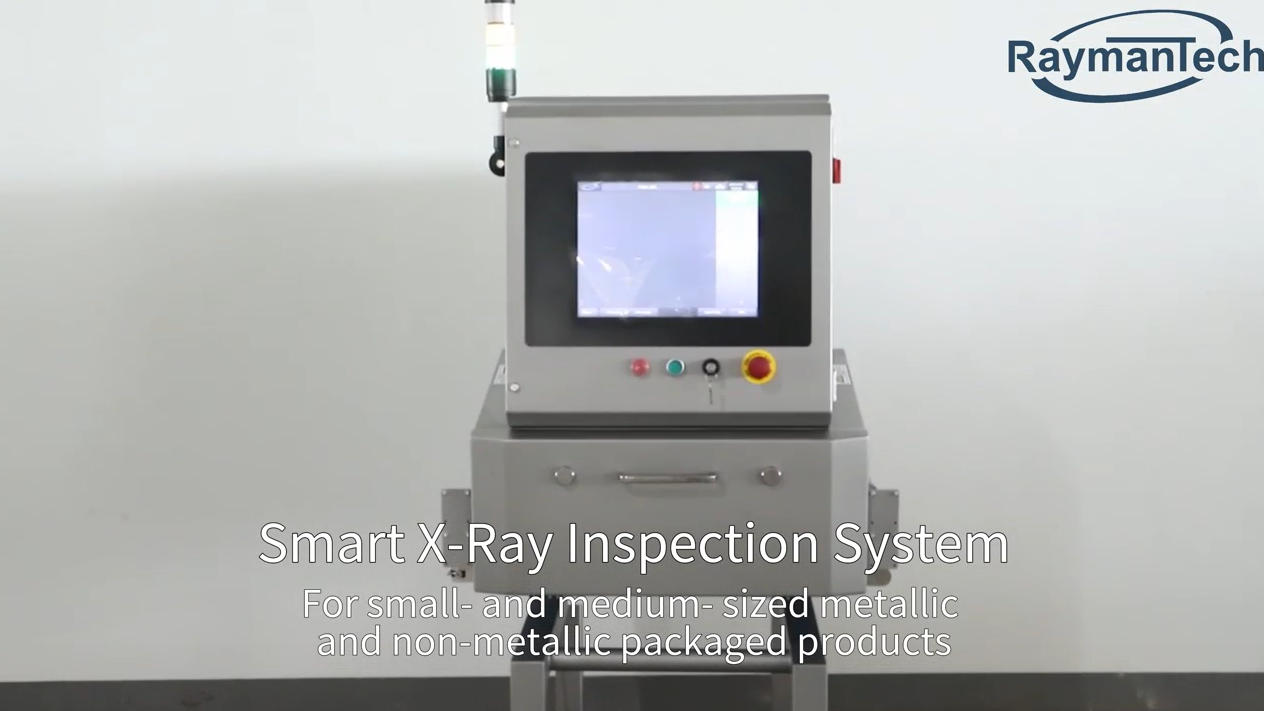
The application extends robustly into food manufacturing and safety. Major food processing corporations like Nestlé and Coca-Cola utilize AI-driven computer vision systems on production lines for quality control, inspecting products at speeds and accuracies far surpassing human capability, detecting imperfections or contaminants that are invisible to the naked eye. In the realm of supply chain logistics, AI platforms from companies like SymphonyAI leverage predictive analytics to forecast demand, optimize inventory, and reduce food waste, which the FAO estimates accounts for 1.3 billion tons annually. For instance, Danish company Too Good To Go uses an AI-powered marketplace to connect consumers with surplus food from retailers, directly combating waste. Furthermore, AI is personalizing consumer nutrition; startups like Nutrino and Spoon Guru analyze individual dietary preferences and health data to offer personalized meal recommendations and product selections. This data-driven approach enhances consumer engagement and opens new markets for tailored food products, solidifying AI's role as an indispensable, ROI-positive asset for the global food industry.
 English EN
 中国 CN
中国 CN
.png)









User Comments
Service Experience Sharing from Real Customers
Michael Rodriguez
Quality Control ManagerThe AI-powered inspection system has revolutionized our quality control process. It detects imperfections with 99.7% accuracy, reducing waste by 40% while maintaining consistent product quality.
Sarah Chen
Production SupervisorAI-driven predictive maintenance has significantly reduced our equipment downtime. The system accurately forecasts maintenance needs 2 weeks in advance, ensuring uninterrupted production schedules.
David Thompson
Supply Chain DirectorThe AI optimization platform has transformed our inventory management. It predicts demand patterns with remarkable accuracy, reducing spoilage by 35% and improving delivery efficiency by 25%.
Jennifer Williams
Food Safety SpecialistAI-powered contamination detection has enhanced our food safety protocols. The system identifies potential hazards in real-time, providing an extra layer of protection for our consumers.