AI Food Production
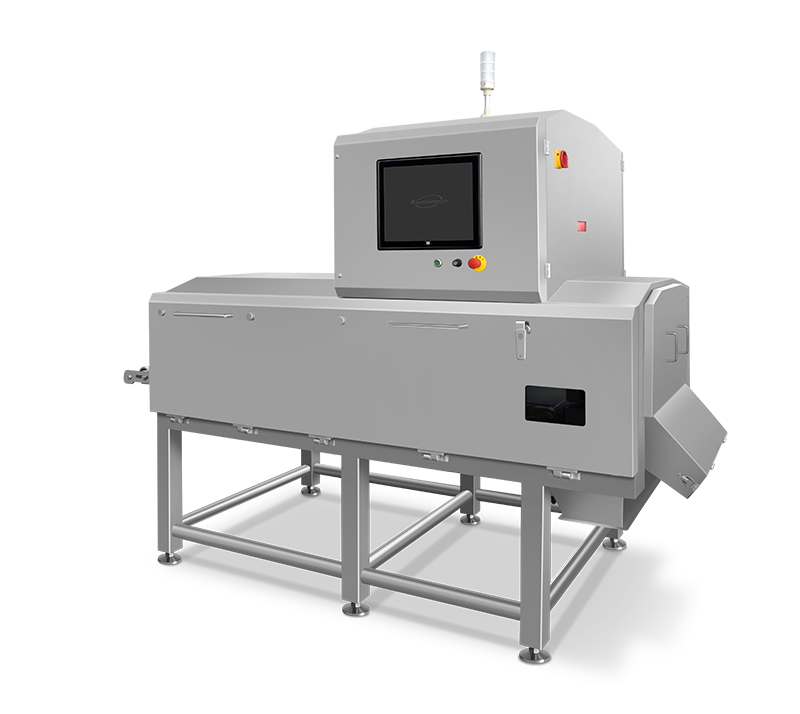
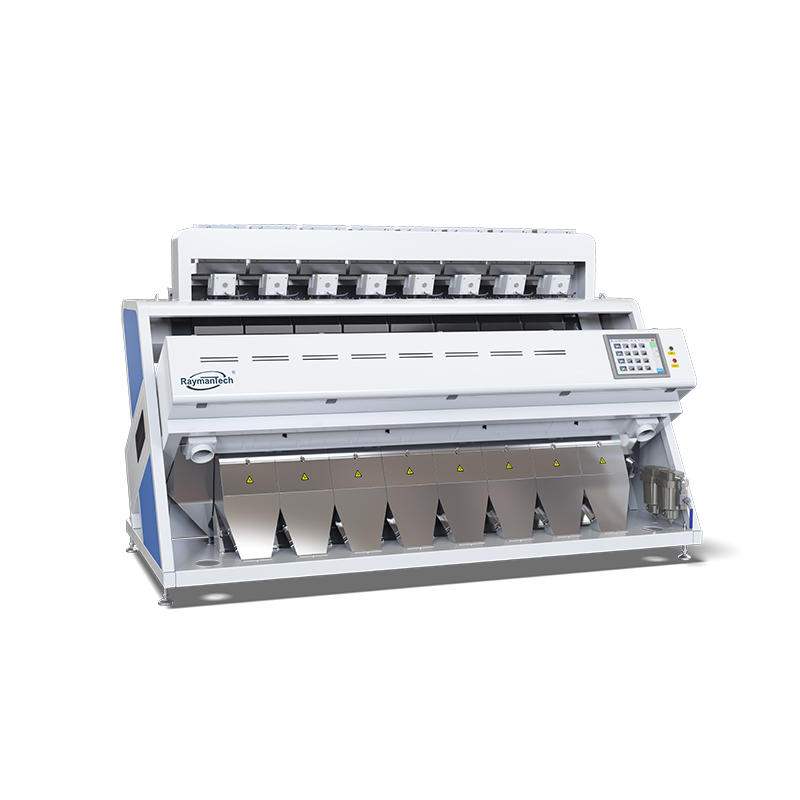
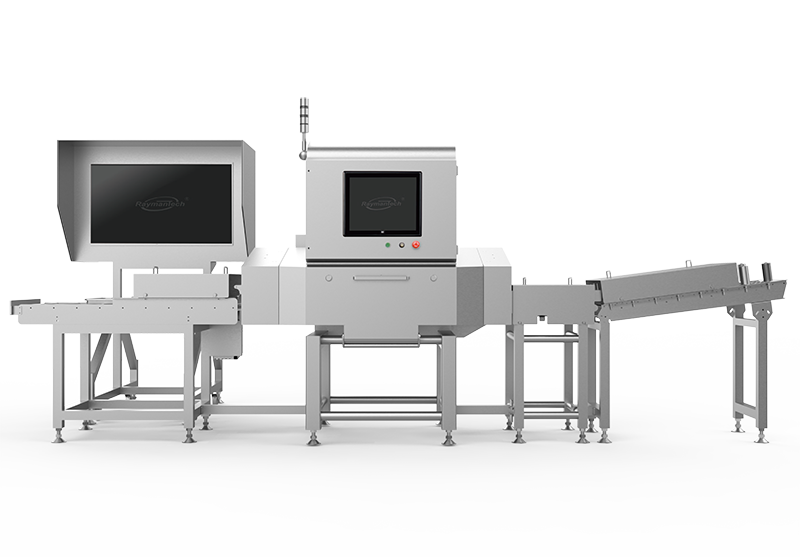
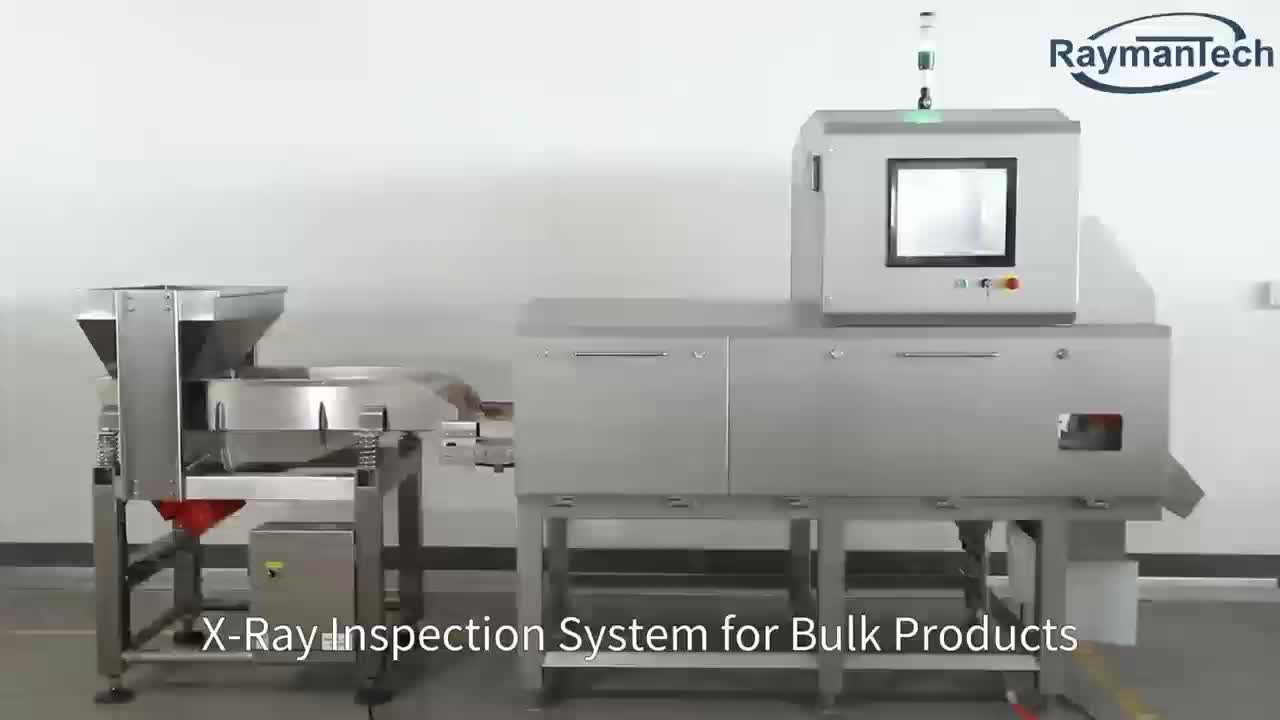
AI Food Production is a transformative approach that leverages artificial intelligence to optimize and revolutionize the entire food supply chain. This technology integrates machine learning, computer vision, and data analytics to enhance precision agriculture, automate processing, and predict supply chain demands. By utilizing sensors, drones, and IoT devices, AI enables real-time monitoring of crop health, soil conditions, and environmental factors, leading to data-driven decisions that maximize yield and resource efficiency. In food processing, AI-powered systems ensure quality control, sorting, and packaging with unprecedented accuracy, reducing waste and improving safety standards. Furthermore, AI algorithms analyze vast datasets to forecast market trends, optimize inventory, and streamline logistics, contributing to a more resilient and responsive food system. The adoption of AI in food production addresses critical global challenges such as population growth, climate change, and resource scarcity, making it a pivotal innovation for sustainable development.
The impact of AI in food production is substantiated by extensive research and real-world applications. According to a report by MarketsandMarkets, the AI in agriculture market is projected to grow from USD 1.7 billion in 2023 to USD 4.7 billion by 2028, at a compound annual growth rate of 22.5%, driven by the increasing demand for autonomous farming and efficient resource management. For instance, companies like John Deere employ AI-driven autonomous tractors and combine harvesters that use machine learning to optimize planting and harvesting paths, reducing fuel consumption by up to 40% and increasing crop yields by approximately 10-15%, as documented in their 2022 sustainability report. In controlled environment agriculture, startups such as Plenty and Bowery utilize AI to monitor indoor vertical farms, where sensors collect data on light, humidity, and nutrients, resulting in yields up to 350 times higher per square foot than traditional farms while using over 95% less water, based on case studies from the USDA. For food processing, IBM's Watson AI has been implemented in facilities like those of McCormick & Company to accelerate flavor development and quality assurance, cutting product development time by 30% and reducing error rates in inspections by 25%, as per IBM's 2021 industry analysis. Additionally, in supply chain optimization, tools like Google Cloud's AI Platform help companies like Nestlé predict demand fluctuations with over 90% accuracy, minimizing food spoilage and lowering logistics costs by 15-20%, according to Google's 2023 cloud case studies. These data points highlight how AI not only enhances productivity and sustainability but also provides measurable economic benefits, reinforcing its critical role in shaping the future of global food security.
 English EN
 中国 CN
中国 CN



.png)







User Comments
Service Experience Sharing from Real Customers
Jennifer Martinez
Food Safety ManagerThe AI food production system has revolutionized our quality control process. Real-time contamination detection has reduced our waste by 30% and improved safety standards significantly.
David Chen
Agricultural EngineerImpressive predictive analytics for crop yield optimization. The system accurately forecasts harvest volumes and quality, though the initial setup requires technical expertise.
Sarah Johnson
Restaurant OwnerAI-driven inventory management has transformed our kitchen operations. We've reduced food spoilage by 45% and optimized our purchasing decisions based on predictive demand patterns.
Michael Rodriguez
Supply Chain AnalystThe AI platform provides excellent visibility across our food supply chain. Route optimization and shelf-life prediction features have dramatically improved our distribution efficiency.