 English EN
 中国 CN
中国 CN
.png)
Advancing Food Safety:Overcoming Challenges in Residual Bone Detection in Meat Processing
In the high-volume world of meat processing,...
More

Artificial intelligence in food creates a transparent supply chain. It delivers real-time, end-to-end traceability from the farm directly to the table. This technology directly combats food fraud, an issue costing the global industry up to $40 billion annually.
By enhancing safety and verifying authenticity, artificial intelligence in food empowers consumers. They receive verifiable information about their food's origin and journey.
A transparent food supply chain is no longer a luxury; it is a necessity. The journey from farm to fork is often complex and fragmented. This lack of visibility creates significant risks for public health, consumer trust, and economic stability. Understanding these challenges highlights the urgent need for a smarter, more connected food system.
Opaque supply chains create dangerous blind spots. Without clear traceability, harmful products can enter the market undetected. Counterfeit food products pose significant health risks, putting lives at stake. Specific examples include diluted olive oil, adulterated baby formula, and fake honey. These items are not merely fraudulent. They represent a critical issue impacting public health and consumer safety. The consequences extend beyond food, with issues like contaminated contact lenses causing severe eye injuries and counterfeit cosmetics leading to skin reactions.
Today's consumers demand more than just a product; they demand proof of its journey. Recent market research indicates that 73% of consumers are willing to pay more for products that offer complete transparency. This shift reflects a deep-seated desire for authentic and safe food. Consumers want specific information, including:
The product's geographic origin.
Expertise involved in the production process.
Cultural traditions linked to the food.
The 'Made in...' concept often serves as a guarantee of high-quality food. Consumers connect products like French cheese or Italian pasta with a trusted heritage.
A lack of transparency generates enormous financial losses. The United Nations estimates that 14% of global food is lost between harvest and retail. Some data suggests this figure could be as high as 40% when on-farm losses are included. This waste strains resources and inflates costs. Fraudulent activities compound the problem. Common tactics include the replacement of authentic ingredients with cheaper adulterants or the complete substitution of one ingredient for another. These deceptions undermine market integrity and erode brand value.
Artificial intelligence transforms fragmented data points into a cohesive, transparent narrative. It achieves this by integrating information from every stage of the supply chain. This process creates a single, verifiable record of a food product's journey. The result is unprecedented visibility, enabling stakeholders to track items from their origin to the final consumer.
Modern supply chains generate massive amounts of data from disconnected sources. AI acts as the central nervous system, unifying this information to create a complete picture. The system works through a clear, logical flow:
IoT sensors on farms, in warehouses, and on trucks collect real-time data like temperature and humidity.
An Enterprise Resource Planning (ERP) system centralizes this data with information from procurement, production, and sales.
AI algorithms analyze the integrated data to generate actionable insights.
Automation systems then act on these insights, creating a more resilient and intelligent food supply chain.
Blockchain technology adds another layer of security. It provides a tamper-proof, decentralized ledger for farm-to-fork traceability. This immutable record is essential for preventing fraud and building consumer trust. When combined with data from ERP and IoT systems, this technology helps uncover patterns to improve both quality and efficiency. Many companies already leverage this integrated approach to great effect.
| Company | AI Application | Key Benefits |
|---|---|---|
| Mondelez | New snack formulation and product variants | Accelerated R&D timelines by 4–5x; achieved ~5.4% incremental sales growth. |
| Juici Patties | Demand forecasting using POS and weather data | Reduced stockouts and optimized delivery logistics for improved sales consistency. |
| Fresho | Wholesale food order optimization | Significantly reduced spoilage and ordering errors, leading to lower inventory write-offs. |
| Major Fast-Food Chains | Inventory orders and labor optimization | Achieved meaningful waste reductions and improved digital same-store sales. |
AI moves food safety from a reactive to a proactive model. Instead of just responding to contamination events, predictive analytics can forecast them. This capability allows producers and regulators to intervene before a problem escalates. The power of artificial intelligence in food safety comes from its ability to analyze vast and varied datasets.
AI models sift through millions of data points from diverse sources to identify potential hazards. These sources include regulatory databases, social media discussions, scientific research, and real-time laboratory data.
Advanced systems also analyze whole-genome sequencing (WGS) data from foodborne pathogens. This genetic information, combined with metadata from the USDA and FDA, helps track the spread of specific pathogen strains. AI platforms like Tive and GPX Scout use multi-sensor hardware to monitor shipments in real-time. They can predict spoilage hotspots by detecting anomalies like temperature changes or risky dwell times, triggering alerts that allow for immediate intervention to save a shipment. This predictive power is a cornerstone of modern food safety.
What the human eye might miss, computer vision can detect with remarkable precision. This branch of artificial intelligence in food uses cameras and sophisticated software to analyze visual information. It automates quality control and verifies product authenticity with an accuracy that surpasses manual inspection.
For produce, systems like Clarifresh use models trained on millions of images to grade fruits and vegetables. These systems align with USDA standards to check for defects, ripeness, and size, reducing human bias and ensuring consistent quality. Research shows computer vision systems can boost quality control accuracy from 63% to as high as 97%.
Computer vision also serves as a powerful tool against fraud for high-value products.
Sealed Products: Technologies can verify the authenticity of sealed olive oil bottles without opening them by detecting covert markers embedded in the packaging.
Chemical Fingerprints: AI compares the chromatographic traces of products like wine against a reference sample, visually identifying deviations that indicate adulteration.
This technology provides an irrefutable method of product validation. It protects brand integrity and assures consumers they are purchasing a genuine, high-quality product. The use of artificial intelligence in food thus closes the loop, ensuring that the product promised is the product delivered.
An AI-driven transparent supply chain delivers clear, measurable advantages for every participant. It moves beyond theoretical improvements to create real-world value. Consumers gain trust, producers enhance profitability, and businesses secure their operations. This technology fosters a more resilient and equitable food ecosystem.
Consumers gain immense confidence from a transparent food system. Trust is a critical factor in food choice, helping people navigate purchasing decisions with less uncertainty. Vague labeling, such as "may contain" warnings, often erodes this trust. Studies show nearly half of consumers mistrust such labels. A transparent system powered by artificial intelligence in food provides the verifiable data consumers seek. It answers questions about a product's origin and journey, building a foundation of reliability.
When consumers can easily access clear information about their food, their confidence in its safety and quality grows. This direct line of sight into the supply chain empowers them to make informed choices that align with their values.
Producers and farmers see direct financial and operational benefits. AI-powered traceability allows them to prove the quality of their products, opening access to premium markets. Buyers are willing to pay more for fully traceable goods, a benefit that can be passed down to the farmer. AI also tackles waste head-on.
It improves demand forecasting accuracy by up to 40%, enabling smarter planting schedules.
It optimizes order fulfillment and inventory management.
It helps farms transition to a make-to-order model, minimizing excess stock and reducing post-harvest losses.
For businesses and retailers, transparency is a powerful risk mitigation tool. AI-driven traceability systems can pinpoint the source of a contaminated product with incredible speed. For example, Walmart used this technology to reduce the time needed to trace a batch of lettuce from seven days to just 2.2 seconds. This capability allows for swift, targeted recalls that isolate only the affected products. By preventing unsafe goods from reaching consumers and minimizing the scale of a recall, businesses protect public health, reduce financial losses, and preserve the brand loyalty they worked hard to build.
The integration of artificial intelligence in food is pushing the boundaries of transparency. The next wave of innovation promises an even deeper connection between consumers and their food. These advancements will provide unprecedented insights into sustainability, nutrition, and personalization.
AI is enabling real-time tracking of a product's carbon footprint from farm to shelf. This requires robust digital tools and knowledgeable experts to interpret the data. Technologies like Ambient IoT, using devices such as Wiliot’s IoT Pixels, provide immediate and precise data for accurate "cradle to grave" carbon tracking. This empowers everyone in the supply chain to help reduce emissions. Several companies are already bringing this data to consumers:
Evocco analyzes grocery receipts to calculate the carbon footprint of food purchases.
Capture estimates monthly CO2 emissions based on a user's diet and lifestyle.
My Carbon Action links to a bank account to calculate a carbon footprint from transaction data.
Nutritional labels currently offer a static snapshot. They do not account for nutrient degradation during transport and storage. Research shows that nutrient levels change significantly based on conditions and time.
For example, Vitamin C loss can range from 15% to 55% during standard post-harvest handling. Broccoli stored at room temperature can lose over half its Vitamin C in just one week.
AI can change this. By analyzing a product's journey—including transit time, temperature, and light exposure—AI models can predict and display a food's actual nutritional value at the point of sale. This offers consumers a more accurate understanding of what they are eating.
The future of food transparency is personal. AI can create hyper-personalized food journeys that connect a product's story to an individual's unique needs. Virtual assistants could deliver real-time dietary counsel based on metabolic markers, health conditions, and even a person's microbiome. This technology already powers personalized recommendations for companies like Starbucks and TastryAI. By analyzing a food's production records and a consumer's health data, AI can suggest products that align perfectly with their dietary goals, ethical preferences, and taste profiles. This creates a truly bespoke and trustworthy food experience.
Artificial intelligence is the foundational technology building a new era of trust in the global food supply chain. Market projections show significant expansion through 2034, cementing its role. This shift creates a safer, more efficient, and more equitable food system for everyone.
Initiatives in India, for example, helped farmers double their net income per acre through AI-driven advisory services.
From the farmer to the consumer, artificial intelligence in food strengthens the connection to the food people eat, creating a more resilient and trustworthy ecosystem.
AI-powered traceability uses artificial intelligence to track a food product's complete journey. The system collects and analyzes data from the farm to the store. This process creates a verifiable, transparent record of the food's origin, handling, and movement through the supply chain.
This technology helps small farmers prove the quality and authenticity of their products. It gives them access to premium markets and better pricing.
AI-driven insights also reduce waste by improving demand forecasting, which directly increases their profitability and operational efficiency.
Data security is a critical component of these systems. Technologies like blockchain create secure, tamper-proof ledgers to protect sensitive information. Companies implement strict data governance protocols. These measures ensure that proprietary business data and consumer information remain private and protected from unauthorized access.
Initial investment costs exist, but the long-term return is significant. AI systems reduce costly recalls, minimize food waste, and build consumer loyalty. Cloud-based solutions and scalable models are making this technology more accessible and affordable for businesses of all sizes, not just large corporations.
We provide you with comprehensive foreign trade solutions to help enterprises achieve global development
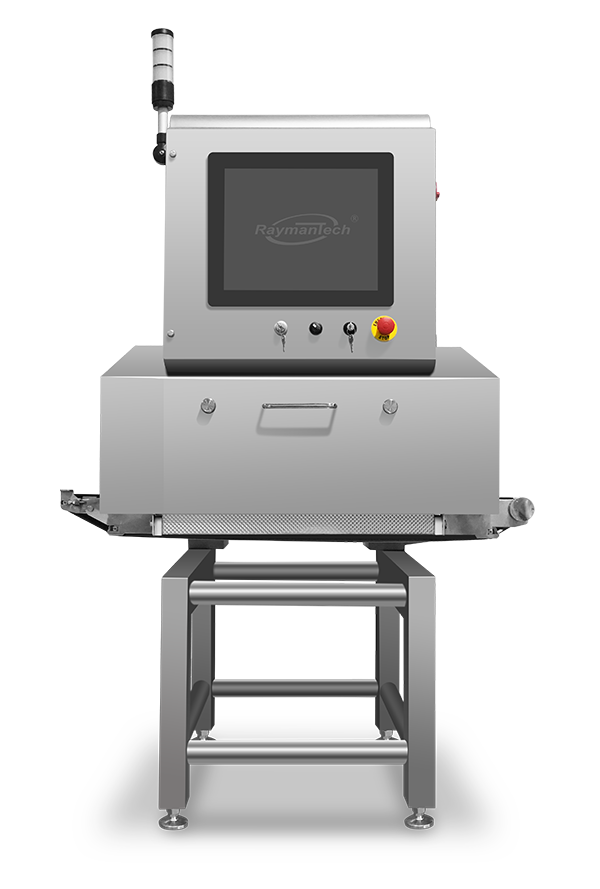
Ultra-fine contaminants detection, UHD X-Ray detec...
High cost performance, compact design, high sensit...
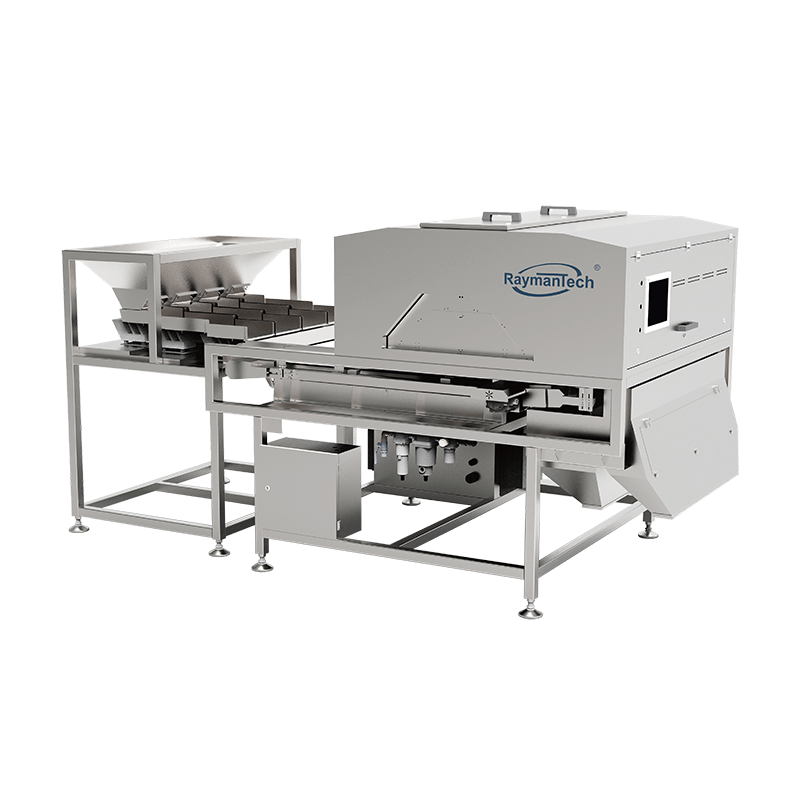
Recommedation: Small particle, flat products such...

UHD X-Ray detector, AI large model, all food indus...
Select the most popular foreign trade service products to meet your diverse needs
Select the most popular foreign trade service products to meet your diverse needs





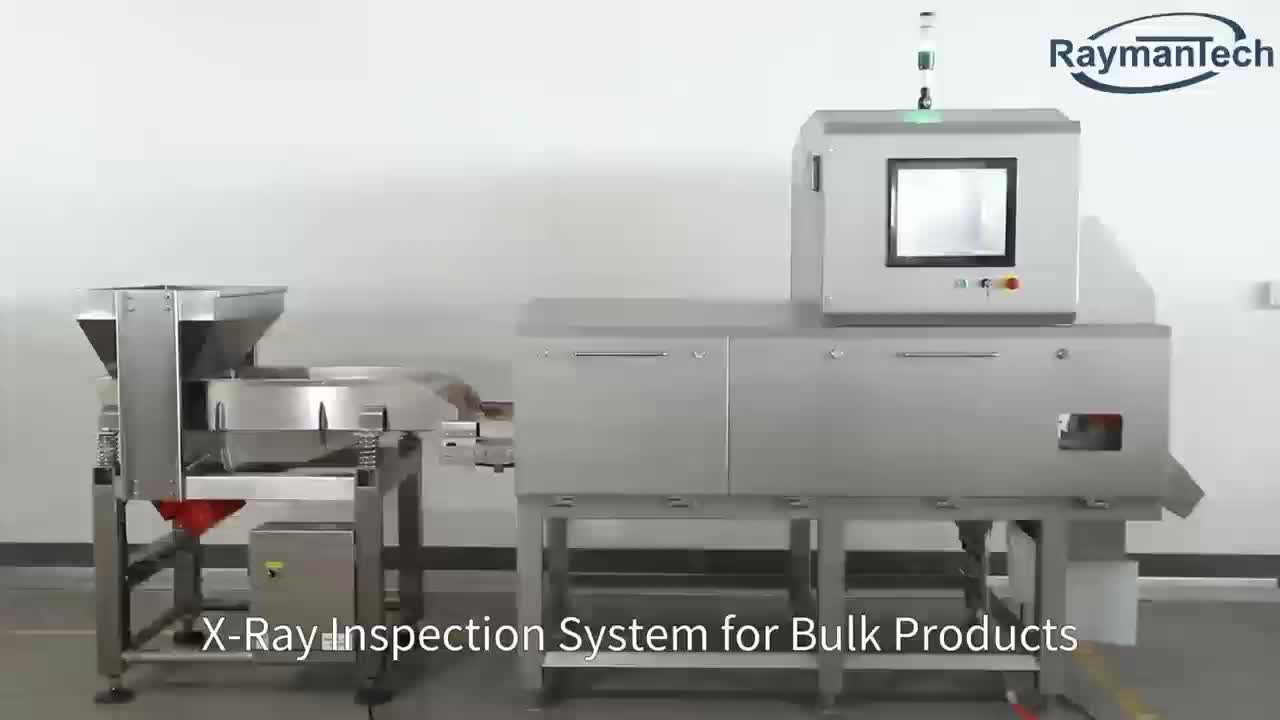




User Comments
Service Experience Sharing from Real Customers
Michael Rodriguez
Restaurant ManagerThe AI-powered inventory management system has revolutionized our kitchen operations. It predicts ingredient needs with 95% accuracy, reducing our food waste by 30% in just two months. Absolutely brilliant technology!
Sarah Chen
Food Quality InspectorAs a quality professional, I'm impressed by the AI vision system for food grading. It consistently identifies defects and quality issues faster than human inspectors. Minor calibration needed, but overall exceptional performance.
David Kim
Supply Chain CoordinatorThe AI demand forecasting tool has transformed our supply chain efficiency. It analyzes weather patterns, local events, and historical data to optimize our food distribution. Reduced spoilage costs by 45% this quarter!
Emily Watson
NutritionistThe AI-powered personalized nutrition app creates meal plans based on clients' health data and preferences. It considers allergies, dietary restrictions, and nutritional goals seamlessly. My clients love the customized recommendations!