 English EN
 中国 CN
中国 CN
.png)

Revolutionizing Quality Control with Advanced Hazelnuts Sorting Machines
Advanced nut sorting machine technology combines H...
More

The global adzuki bean market shows strong growth, projected to reach USD 2.14 billion by 2033. An adzuki beans optical sorter is the key to maximizing profitability in this expanding industry.
This technology immediately cuts labor costs, boosts sorting accuracy to over 99.9%, and increases throughput, directly impacting your bottom line.
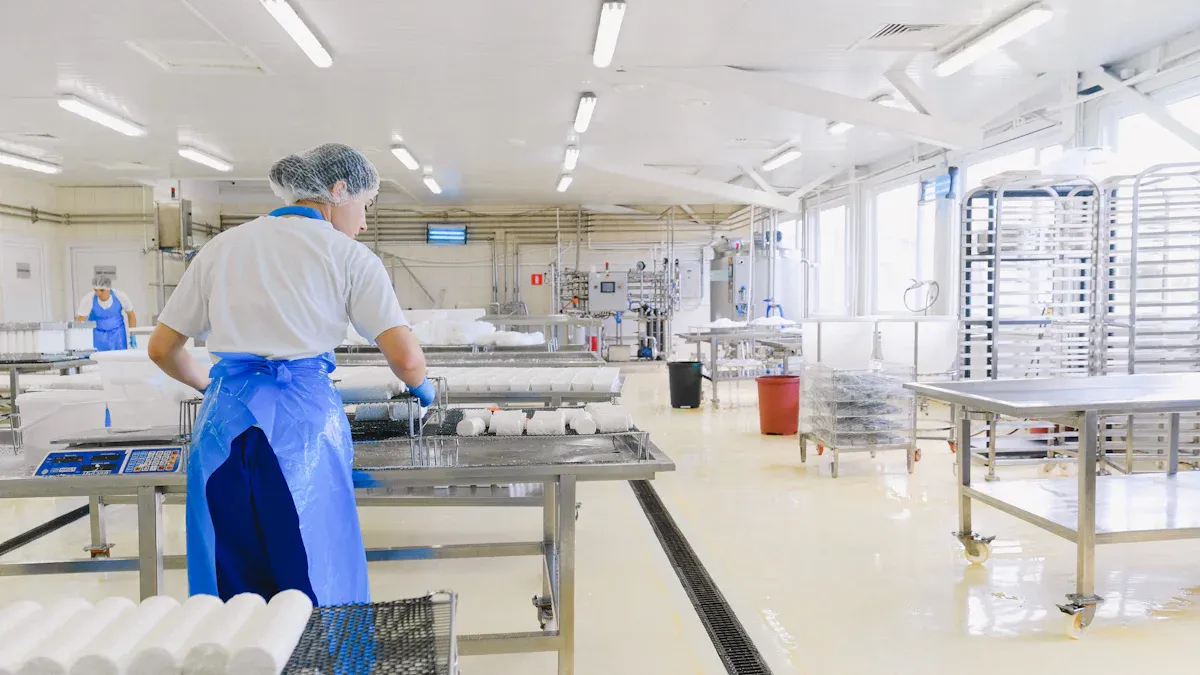
An investment in automation must deliver a clear and measurable return. An adzuki beans optical sorter provides this return by directly improving operational efficiency and financial outcomes. It transforms key aspects of the processing line, turning cost centers into profit drivers. The technology achieves this through three primary financial benefits: reducing labor expenses, increasing the amount of sellable product, and boosting overall processing speed.
Manual sorting teams present significant and unpredictable operational expenses. Human sorters are prone to fatigue, inconsistency, and require continuous management. The financial burden extends beyond wages to include overhead costs like benefits, training, and recruitment. Automating the sorting process with an optical sorter replaces these variable expenses with a fixed, predictable operational cost.
A machine operates 24/7 without breaks, sick days, or shift changes, providing unparalleled consistency and uptime. This shift from manual to automated sorting directly stabilizes the budget and reduces financial uncertainty.
The costs associated with manual labor in agricultural processing are substantial. Data shows the significant expense of maintaining a manual sorting workforce:
Median Hourly Wage: $17.03 for agricultural graders and sorters.
Median Annual Wage: $35,430 per employee.
These figures highlight the immense savings potential when a business transitions to an automated system that performs the work of multiple employees with greater accuracy and endurance.
Every good bean mistakenly discarded is lost revenue. Manual sorting, with its inherent subjectivity, often leads to a high "false reject" rate, where perfectly saleable beans are removed along with defects. An optical sorter minimizes this waste with surgical precision, ensuring that good product ends up in the final package, not in the reject bin. This directly increases the total volume of saleable adzuki beans from each batch.
The technology achieves this through a sophisticated, multi-step process:
Inspection: High-resolution CCD (Charge-Coupled Device) or Infrared sensors scan every single bean. They analyze color, size, and shape to detect imperfections like discoloration, mold, or physical damage.
Data Processing: An advanced computer system instantly compares each bean against pre-set quality standards. It identifies any item that fails to meet the criteria.
Separation: A precise puff of compressed air ejects only the flagged, defective beans from the product stream.
Collection and Discharge: Good beans continue untouched for packaging, while rejected material is collected separately.
This system differentiates between acceptable and unacceptable products with an accuracy far beyond human capability. For instance, Infrared sensors can detect internal damage or mold invisible to the naked eye, ensuring only the healthiest beans pass inspection. While specific yield increases vary, similar applications in the food industry have shown that AI-powered optical sorting can boost product yield by 3-5%—a significant increase in revenue from the same raw material input.
Processing speed is a critical factor in profitability. A slow sorting process creates a bottleneck that limits the entire operation's capacity. An adzuki beans optical sorter shatters this limitation, processing beans at a rate that manual teams cannot match. This dramatic increase in throughput allows a business to process more volume in less time, fulfill larger orders, and scale operations without a proportional increase in labor.
Optical sorters operate at impressive speeds, handling thousands of individual beans per minute. Their capacity is measured in tons per hour, far exceeding manual capabilities.
| Application Type | Capacity (Ton/Hour) |
|---|---|
| Red Adzuki Beans, Adzuki Beans | 5-7 |
| General Beans Color Sorters | 3-4 |
| Soy Bean Color Sorter | 3-4 |
The difference between manual and automated throughput is stark. A machine can perform up to 2,000 ejections per minute and run continuously. This allows a facility to move from a limited, multi-personnel system to a streamlined, high-capacity operation.
| Sorting Method | Throughput (tons/hour) | Personnel |
|---|---|---|
| Manual (old system) | 10-12 | 25 |
| Optical (new system) | 30 | 22 |
As the table illustrates, adopting an optical sorter can more than double throughput while simultaneously reducing the number of staff required on the sorting line. This efficiency gain is a cornerstone of achieving a tangible return on investment.

Beyond financial returns, an optical sorter is a powerful tool for quality assurance and brand management. It elevates product standards to a level that manual sorting cannot reach. This ensures consumer safety and builds a foundation for long-term brand success.
An adzuki beans optical sorter guarantees a final product free from dangerous contaminants and unsightly defects. Raw harvests often contain foreign materials like stones, glass, and stems, alongside defective beans that are moldy, discolored, or insect-damaged. The sorter acts as a Critical Control Point (CCP) within a food safety plan, physically removing these hazards.
The system uses advanced AI and high-resolution imaging to identify and eject imperfections with incredible precision. It can detect tiny bite marks and subtle mold spots invisible to the human eye, ensuring compliance with strict international food safety standards like HACCP and ISO 22000.
A single product recall can permanently damage consumer trust. Incidents like the recall of nearly 200,000 cans of beans due to potential foreign object contamination highlight the significant risk to a brand's image. When a company fails to ensure product safety, it raises doubts about its integrity and competence. Automating sorting minimizes this risk. By delivering a consistently pure and safe product, processors build a reputation for quality that fosters strong customer loyalty and protects their brand from costly recalls.
Today's consumers increasingly demand clean-label and high-purity foods. This market trend creates an opportunity for processors who can meet these expectations. Supplying premium-grade adzuki beans, known for their rich flavor and texture, allows businesses to access higher-value markets. Consistent quality opens doors to premium dessert and canning industries willing to pay more for superior ingredients. Investing in this technology positions a company as a leader in quality, securing a decisive advantage in a competitive marketplace.
An adzuki beans optical sorter represents a strategic investment in future profitability. The technology provides a clear return, with most facilities recouping costs in 12 to 18 months through reduced expenses and maximized yield. Businesses can take the next step by requesting quotes from qualified suppliers to automate for profit.
The sorter identifies and removes a wide range of imperfections. These include discolored beans, mold, insect damage, and foreign materials like small stones, glass, or plastic fragments.
An optical sorter integrates seamlessly into a production line. Processors typically install the machine after initial cleaning stages and right before the final packaging step for maximum efficiency.
The machine requires minimal daily upkeep. Routine maintenance involves cleaning the camera lenses and background plates. Technicians also perform periodic checks on the air ejector system for optimal performance.

We provide you with comprehensive foreign trade solutions to help enterprises achieve global development
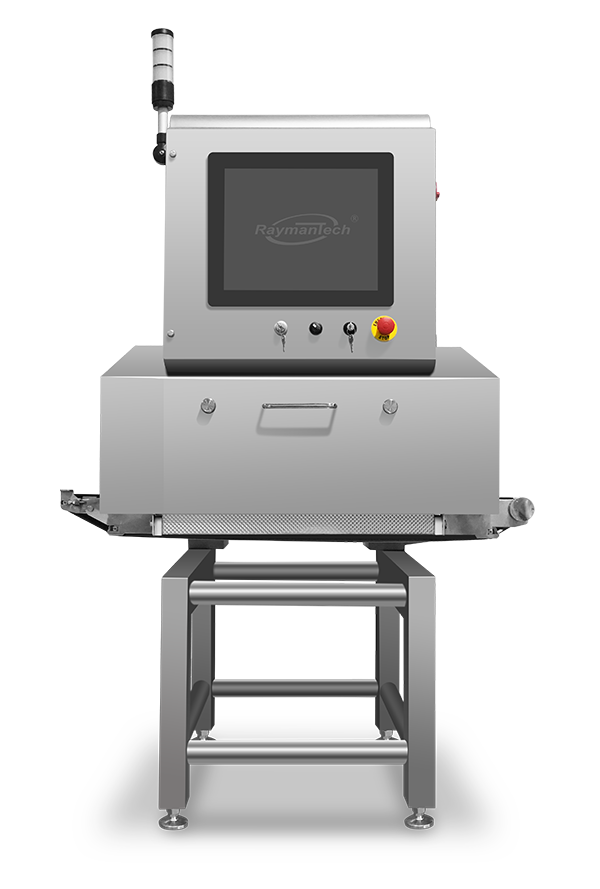
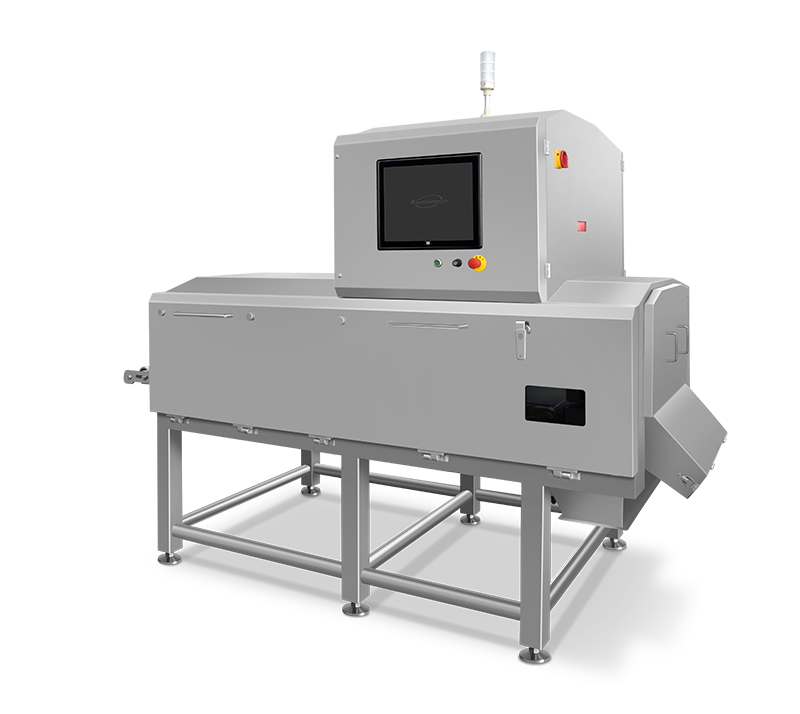
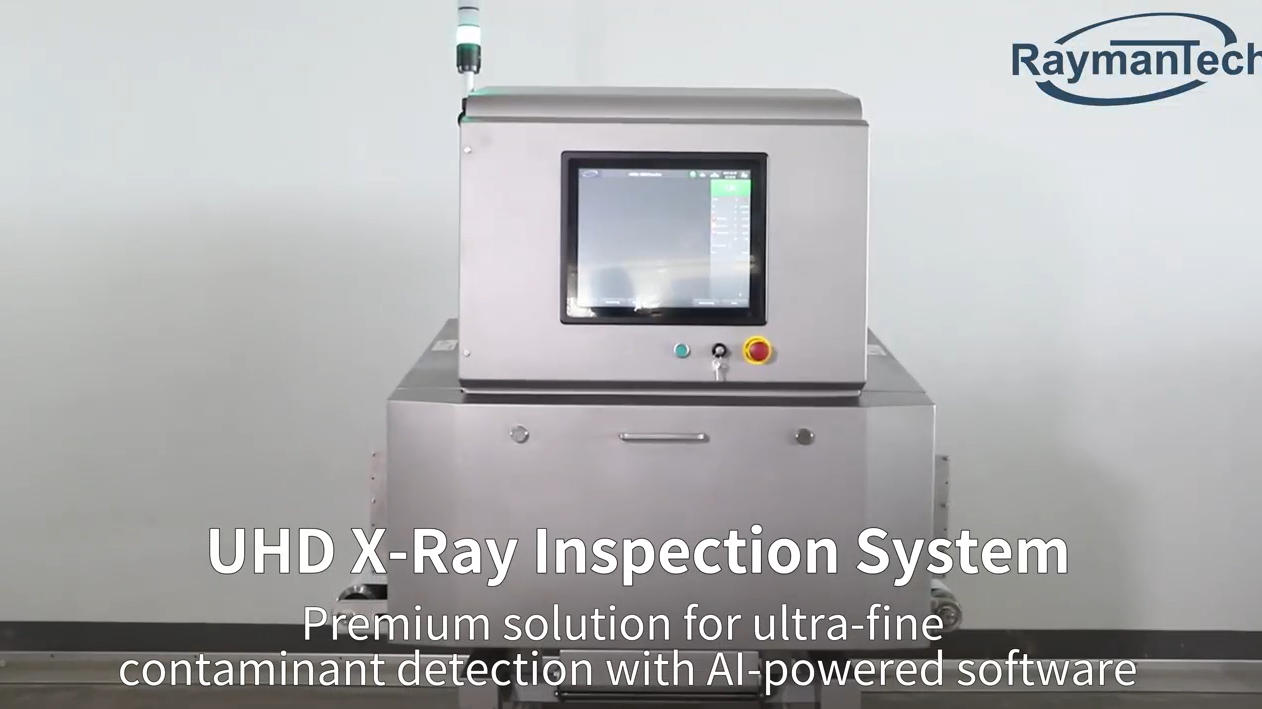
Ultra-fine contaminants detection, UHD X-Ray detec...
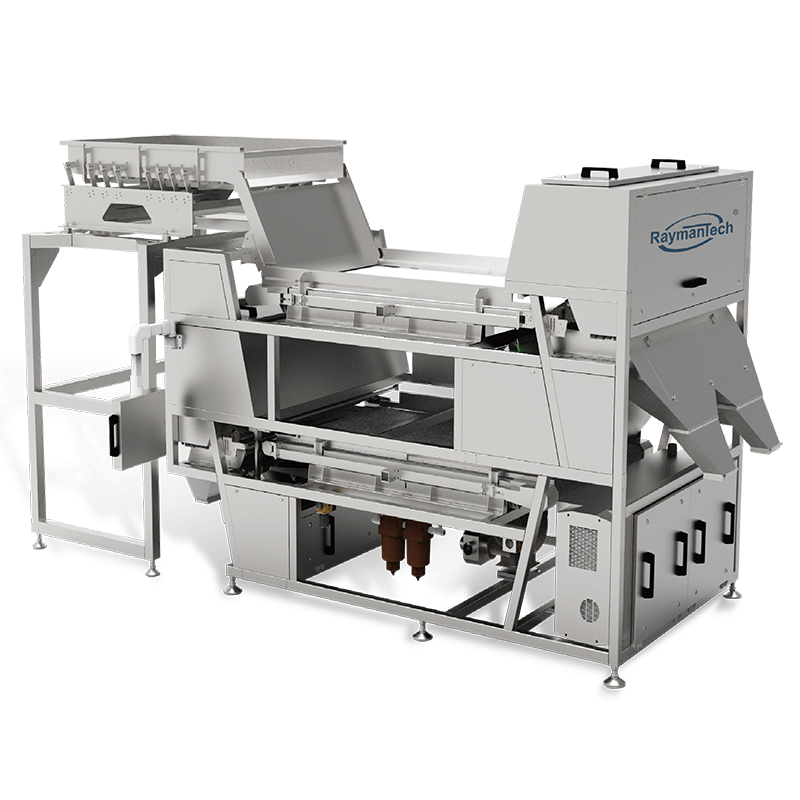
Recommedation: Chili, walnut, peanuts, soybeans, c...
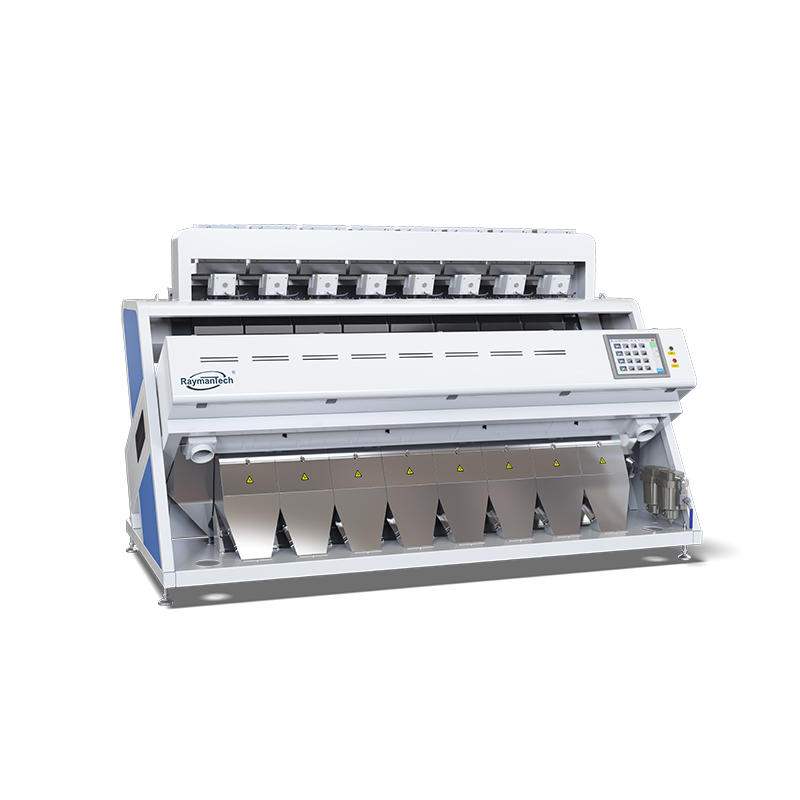
Recommedation: Rice, wheat, corn, grain, pulses, s...
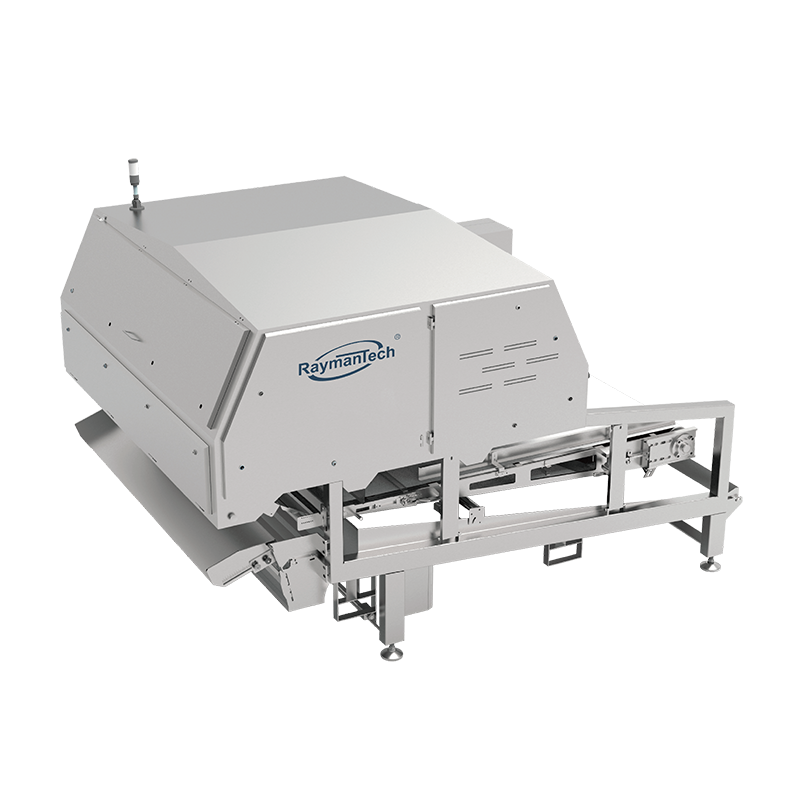
Recommedation: Frozen vegetables such as green be...
Select the most popular foreign trade service products to meet your diverse needs
Select the most popular foreign trade service products to meet your diverse needs







User Comments
Service Experience Sharing from Real Customers
Michael Rodriguez
Production ManagerThis adzuki beans optical sorter has revolutionized our production line. The accuracy in detecting and removing defective beans is remarkable, significantly improving our product quality while reducing waste. A game-changer for pulse processing facilities.
Sarah Chen
Quality Control SupervisorOutstanding performance! The optical sorter consistently identifies discolored, broken, and foreign materials in our adzuki beans with incredible precision. The user-friendly interface and minimal maintenance requirements make it an invaluable asset to our operation.
James Wilson
Plant Operations DirectorHighly efficient adzuki beans sorter that has boosted our throughput by 30%. The color recognition technology is exceptional, though we experienced a slight learning curve during initial setup. Overall, excellent return on investment for our bean processing business.
Jennifer Park
Food TechnologistAs someone working in specialty food production, I'm impressed by how this optical sorter maintains the integrity of premium adzuki beans. It effectively removes impurities without damaging the beans, ensuring our final product meets the highest standards for organic markets.