AI in Food Technology
AI in Food Technology
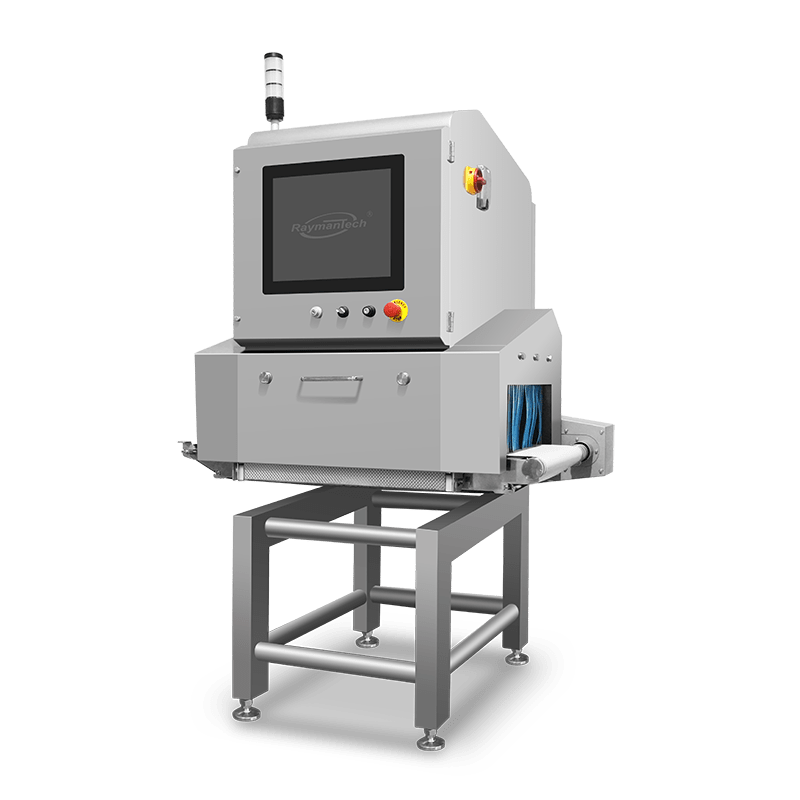
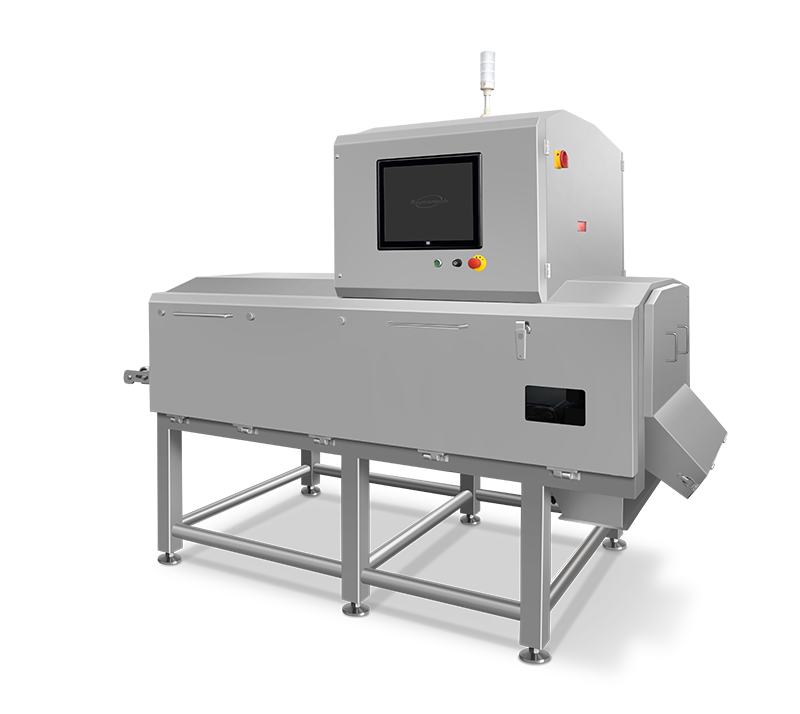
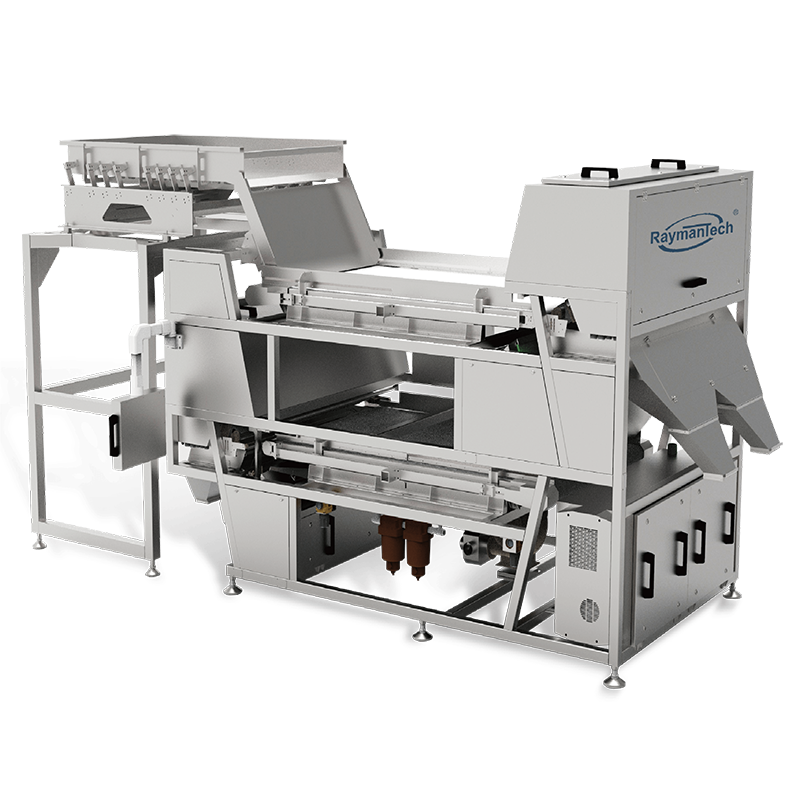
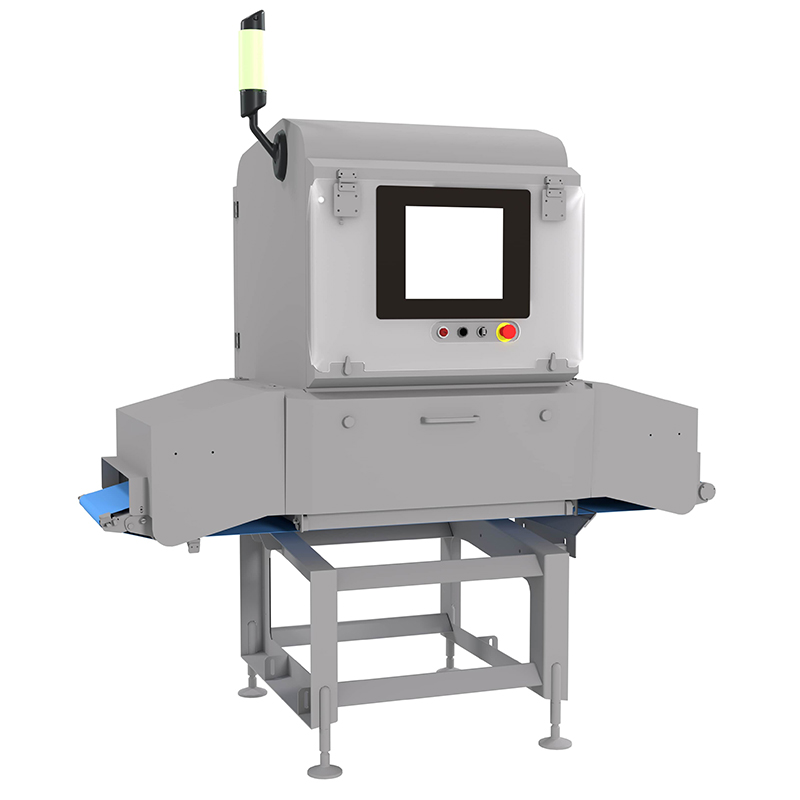
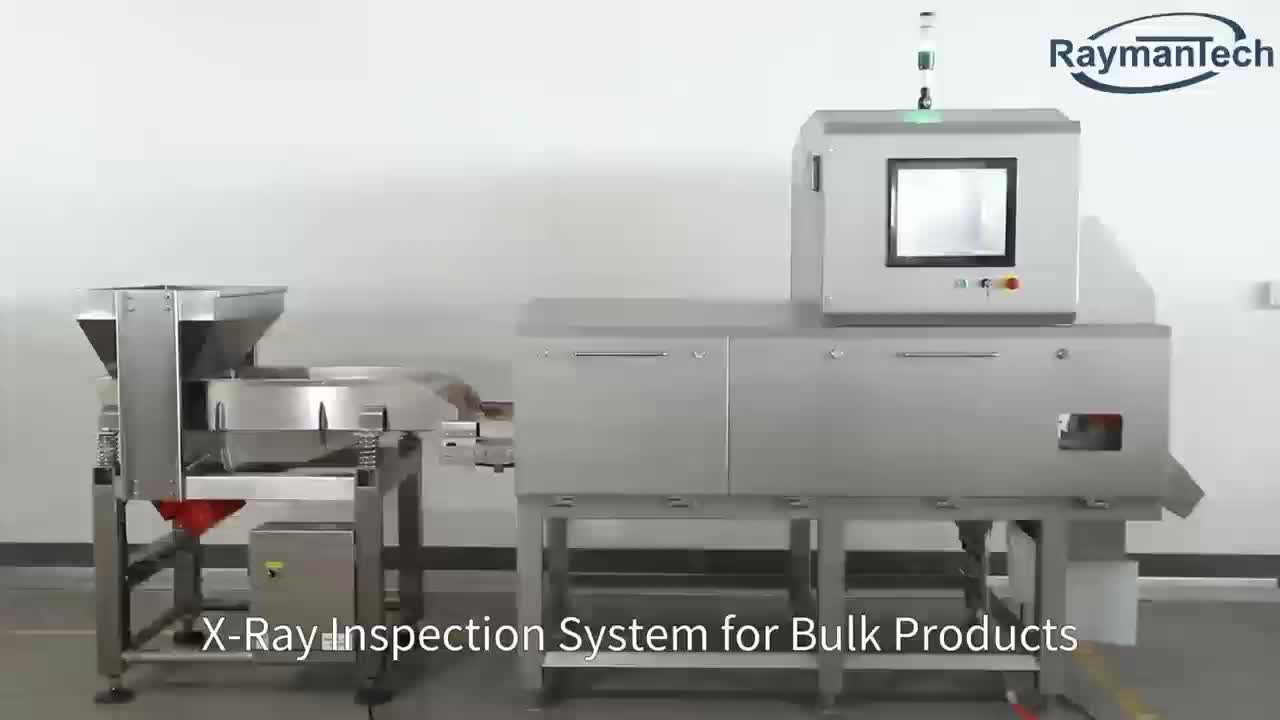
The integration of artificial intelligence into food technology represents a fundamental transformation of the entire food industry value chain, from agricultural production to consumer consumption. This convergence is not a future concept but a present-day reality, driven by substantial investments and demonstrable results. The global AI in food and beverage market, valued at approximately USD 7.34 billion in 2022, is projected to expand at a compound annual growth rate (CAGR) of 43.7% from 2023 to 2030, according to Grand View Research. This explosive growth is fueled by the urgent need to address critical global challenges, including food waste, supply chain inefficiencies, and rising consumer demand for safety and sustainability. AI applications are now pervasive, enabling precision agriculture where algorithms analyze satellite imagery, weather data, and soil sensors to optimize irrigation, predict yields, and detect crop diseases with an accuracy exceeding 90% in some implementations. In manufacturing, computer vision systems perform real-time quality inspection on production lines, identifying defects, contaminants, and inconsistencies at speeds and precision levels unattainable by human workers. For instance, companies like TOMRA Sorting Solutions utilize AI-powered sensors to sort food products by size, shape, color, and biological characteristics, dramatically reducing waste and improving purity. Predictive maintenance algorithms analyze data from factory equipment to forecast failures before they occur, minimizing costly downtime. Furthermore, AI is revolutionizing supply chain logistics by forecasting demand with high accuracy, optimizing delivery routes in real-time to reduce fuel consumption, and monitoring storage conditions to ensure food safety and extend shelf life. These operational efficiencies directly translate into economic and environmental benefits, creating a compelling case for industry-wide adoption.
Beyond operational optimization, AI is a powerful engine for product innovation and personalized consumer engagement. In the realm of New Product Development (NPD), AI algorithms can analyze vast datasets of consumer preferences, sensory profiles, and market trends to predict successful flavor combinations and product formulations, significantly reducing the traditionally lengthy and costly R&D cycle. Companies like Spoonshot and Tastewise leverage AI to provide actionable insights into emerging food trends, enabling brands to make data-driven decisions. AI-driven robotics are also advancing in complex tasks such as recipe creation and cooking, with entities like Moley Robotics developing fully automated robotic kitchens. For consumers, personalization is becoming a key differentiator. AI-powered apps and platforms can offer tailored dietary recommendations, create personalized meal plans based on individual health goals, allergies, and taste preferences, and even generate custom recipes from a user's available ingredients. This hyper-personalization enhances consumer loyalty and opens new revenue streams. In the critical area of food safety, AI enhances traceability and contamination prevention. Blockchain, coupled with AI, creates immutable records of a product's journey from farm to fork. Machine learning models can analyze data from various sources to predict and identify potential sources of contamination outbreaks, allowing for swift intervention. For example, IBM's Food Trust network uses such technology to improve transparency. The combined force of AI across these domains—efficiency, innovation, and safety—is creating a more resilient, responsive, and sustainable food system capable of meeting the demands of a growing global population.
 English EN
 中国 CN
中国 CN
.png)











User Comments
Service Experience Sharing from Real Customers
Michael Chen
Food Safety ManagerThis AI-powered contamination detection system has revolutionized our quality control process. The real-time analysis reduced inspection time by 70% while improving accuracy.
Sarah Johnson
Restaurant OwnerThe AI inventory management platform perfectly predicts our ingredient needs, cutting food waste by 45%. The demand forecasting is remarkably accurate for seasonal menu items.
David Rodriguez
Supply Chain CoordinatorImplementation of AI-driven logistics optimization has reduced our perishable goods spoilage by 60%. The route planning and temperature monitoring features are exceptional.
Emily Watson
Product Development ChefThe AI flavor profiling tool helped us create three successful new products in record time. The ingredient combination suggestions were innovative yet practical for mass production.