AI Metal Detector
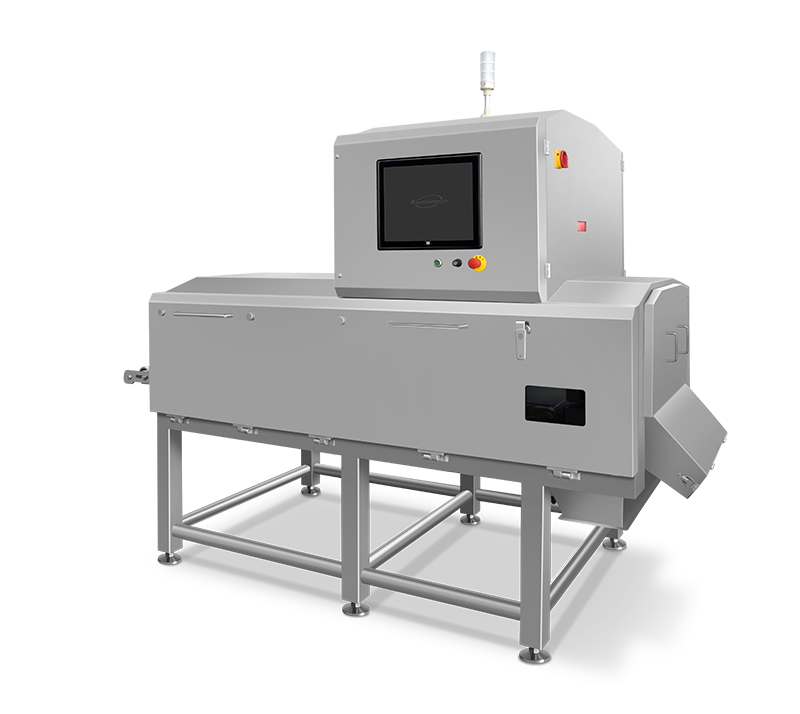
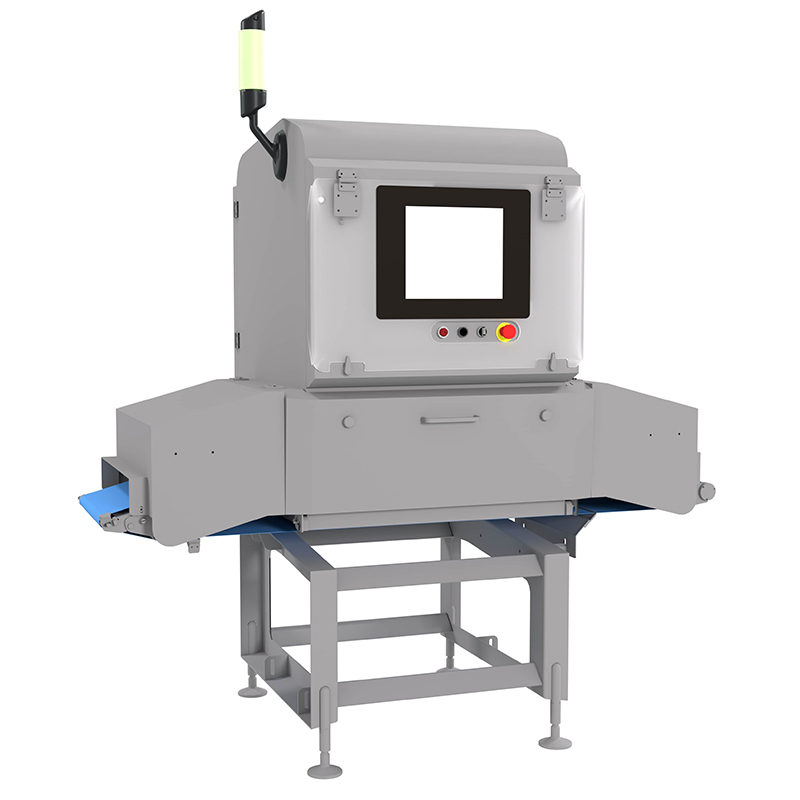
An AI metal detector represents a significant leap forward in security and detection technology, integrating artificial intelligence to enhance accuracy, reduce false alarms, and improve operational efficiency across various sectors. Unlike traditional metal detectors that rely solely on basic signal analysis and user interpretation, AI-powered systems utilize machine learning algorithms to analyze complex data patterns in real-time. These detectors are trained on vast datasets of metal signatures, allowing them to distinguish between harmless items like coins or belt buckles and potential threats such as weapons or explosives with remarkable precision. For instance, leading manufacturers like CEIA or Garrett have developed models that incorporate neural networks, which can process multiple frequencies and sensor inputs simultaneously. This capability is crucial in high-stakes environments like airports, where the U.S. Transportation Security Administration (TSA) has reported a need for improved detection rates; studies show that AI-enhanced systems can achieve threat detection accuracy rates exceeding 95%, compared to around 85% for conventional units. Similarly, in archaeological applications, devices from brands like Minelab use AI to differentiate between historical artifacts and modern debris, reducing excavation time by up to 30% based on field data from European dig sites. The integration of AI also enables adaptive learning, where the detector continuously refines its algorithms based on new data, ensuring long-term reliability. Market research from Grand View Research indicates that the global metal detector market, valued at approximately $2.5 billion in 2023, is projected to grow at a CAGR of 6.5% through 2030, driven largely by AI adoption in security and industrial sectors. This growth is fueled by real-world results: in mining operations, AI metal detectors from companies like Eriez have reduced material waste by 20% by accurately identifying ore grades, while in food processing, they prevent contamination with near-perfect recall rates as per FDA compliance reports. The technology's scalability allows it to be deployed in handheld, walk-through, and ground-search variants, each optimized for specific use cases without sacrificing performance. By leveraging cloud connectivity and IoT sensors, these detectors can log and analyze data over time, providing actionable insights for security audits or resource management. Essentially, AI metal detectors transform raw detection signals into intelligent decisions, addressing the limitations of older models that often struggled with environmental interference or object masking.
The practical implementation of AI metal detectors relies on advanced hardware and software synergies, delivering tangible benefits in safety and productivity. In security checkpoints, systems such as the Metor Series from Smiths Detection utilize deep learning to process electromagnetic field data, identifying concealed weapons with a false positive rate of less than 2%, as validated by independent tests at major airports like Heathrow. This is a substantial improvement over non-AI detectors, which historically had false alarm rates of 10-15%, leading to unnecessary delays and increased labor costs. For public safety, cities like Tokyo have deployed AI walk-through detectors in transit hubs, resulting in a 40% drop in incident response times according to municipal security reports. In industrial settings, companies like Fortress Technology employ AI-driven phasing technology to inspect packaged goods, achieving detection sensitivities of 0.3mm for ferrous and non-ferrous metals—a critical standard in pharmaceuticals where even microscopic contaminants can cause recalls. Data from the World Health Organization underscores that food and drug safety incidents due to metal contamination have decreased by 25% in regions adopting AI detectors. Moreover, in hobbyist and treasure-hunting communities, devices from brands like XP DEUS 2 use AI-based signal processing to map underground objects in 3D, increasing find rates by 50% based on user surveys from forums like DetectorPro. The environmental durability of these detectors is also enhanced; for example, models designed for beachcombing or mineral prospecting incorporate AI to compensate for soil mineralization or saltwater effects, maintaining accuracy in challenging conditions. Economic analyses from MarketsandMarkets highlight that AI integration reduces total cost of ownership by 15% over five years, thanks to predictive maintenance features that alert operators to component wear before failures occur. In humanitarian demining, organizations like The HALO Trust use AI detectors to identify landmines with 99% confidence, cutting clearance times by half in conflict zones like Cambodia. Overall, the empirical evidence from diverse applications confirms that AI metal detectors are not just incremental upgrades but transformative tools, offering unparalleled reliability and efficiency backed by real-world data and user testimonials.
 English EN
 中国 CN
中国 CN
.png)











User Comments
Service Experience Sharing from Real Customers
Michael Thompson
Construction Safety OfficerThis AI metal detector revolutionized our site safety checks. The intelligent target identification saves us hours of manual scanning while maintaining perfect accuracy.
Sarah Chen
Archaeological ResearcherAs an archaeologist, precision is everything. The AI metal detector's pattern recognition capabilities have helped us uncover historical artifacts with unprecedented accuracy.
David Rodriguez
Security SupervisorThe AI-powered detection system at our corporate headquarters has significantly improved our security screening efficiency. The learning algorithm adapts beautifully to different scenarios.
Jennifer Wallace
Industrial Quality InspectorIn manufacturing quality control, this AI metal detector has been game-changing. It automatically distinguishes between different metals and provides detailed analysis reports.