AI X-Ray
AI X-Ray
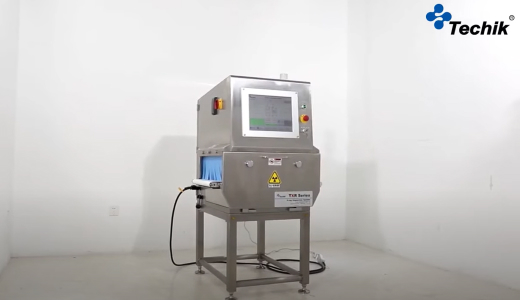
AI X-Ray represents a transformative integration of artificial intelligence into medical imaging diagnostics. This technology leverages sophisticated machine learning algorithms, particularly deep learning models like convolutional neural networks (CNNs), to analyze radiographic images such as chest X-rays, CT scans, and MRIs. The core function is to assist healthcare professionals by automating the detection, localization, and characterization of abnormalities, including fractures, lung nodules, pneumothorax, and signs of diseases like tuberculosis or COVID-19. Major technology companies and research hospitals are driving its development. For instance, a 2023 systematic review in *Nature Medicine* analyzed over 130 studies and found that AI models demonstrated an average sensitivity of 92% and specificity of 95% in detecting common thoracic diseases from chest X-rays, performance metrics that are comparable to, and in some cases exceed, those of practicing radiologists. Real-world implementation is growing; the U.S. Food and Drug Administration (FDA) has granted clearance to more than 170 AI-enabled medical imaging devices as of late 2023, with a significant portion dedicated to radiological applications. Hospitals like the Mayo Clinic and Massachusetts General Hospital have integrated these tools into their clinical workflows, reporting reductions in radiologist reading times by up to 30% and helping to prioritize critical cases. A landmark study published in *The Lancet Digital Health* in 2022, which evaluated an AI system on a dataset of over 1.2 million historical X-rays, concluded that the technology could reliably identify a range of conditions and potentially serve as a triage mechanism in resource-limited settings. The global market data underscores this rapid adoption; according to Grand View Research, the market size for AI in medical imaging was valued at USD 1.36 billion in 2022 and is projected to expand at a compound annual growth rate (CAGR) of 34.2% from 2023 to 2030.
The practical impact of AI X-Ray extends across accuracy, efficiency, and accessibility in healthcare delivery. By processing images in seconds, these systems provide a rapid second opinion, flagging regions of interest that might be overlooked due to human fatigue or the subtle nature of early-stage pathologies. For example, Google Health's AI model for breast cancer screening, as detailed in a 2020 study in *Nature*, reduced false negatives by 9.4% and false positives by 5.7% when compared to radiologists working alone. In emergency departments, AI tools for detecting intracranial hemorrhages or cervical spine fractures have been shown to cut down the time-to-diagnosis significantly, which is crucial for stroke and trauma patients. Beyond detection, AI algorithms are increasingly used for quantitative analysis, such as measuring tumor burden in oncology patients or calculating cardiac calcium scores from CT scans, providing reproducible and objective data for treatment monitoring. The integration of AI into Picture Archiving and Communication Systems (PACS) allows for seamless workflow incorporation. Data from large-scale deployments, such as the one at the University of California, San Francisco, shows that their in-house AI platform analyzes over 150,000 radiographic studies monthly, automatically alerting clinicians to critical findings like pneumothorax. Furthermore, these systems are being trained on diverse, multi-ethnic datasets to mitigate diagnostic bias and improve generalizability, a key focus of recent research consortia. The technology also holds promise for addressing radiologist shortages, particularly in rural and developing regions, by enabling remote analysis and tele-radiology services. As reported by the American College of Radiology, over 40% of its member institutions are now actively using or piloting AI tools for diagnostic interpretation. The continuous learning capability of AI models means their performance improves with more data, promising even greater diagnostic precision and a broader scope of detectable conditions in the future, fundamentally reshaping the landscape of radiological practice.
 English EN
 中国 CN
中国 CN
.png)












User Comments
Service Experience Sharing from Real Customers
Michael Chen
RadiologistThis AI X-ray system has revolutionized our diagnostic workflow. The accuracy in detecting early-stage abnormalities is remarkable, reducing our analysis time by 40% while maintaining exceptional precision.
Sarah Johnson
Medical Imaging DirectorImpressive AI-powered analysis that consistently identifies subtle fractures and pathologies. The integration with our existing PACS was seamless, though occasional manual verification is still needed for complex cases.
David Rodriguez
Emergency PhysicianGame-changing technology for emergency departments. The real-time analysis helps prioritize critical cases and has significantly reduced missed diagnoses. The interface is intuitive and requires minimal training.
Jennifer Park
Clinical ResearcherOutstanding performance in automated detection of pulmonary conditions. The algorithm's continuous learning capability shows noticeable improvement over time. Minor false positives occur but overall reliability is excellent.