 English EN
 中国 CN
中国 CN
.png)

Overcoming Challenges in Large Package: Rayman Tech's AI X-ray Solutions for Meat Processing
Our AI X-ray Inspection System, tailored for high ...
More

An owner can start using artificial intelligence today. Free tools exist to handle marketing, customer service, and operational tasks. The artificial intelligence food service market is growing rapidly. Industry leaders recognize this trend. About 73% of restaurant executives plan to increase their AI investment this year. This guide provides practical steps and accessible tools for any business. It demonstrates how to use free generative AI for marketing. It also shows how to integrate systems to streamline daily operations.
| Metric | Value |
|---|---|
| Market size in 2024 | USD 11.72 billion |
| Growth Rate (2024-2030) | CAGR of 39.1% |
Generative AI offers immediate, tangible benefits without requiring a significant financial investment. A business owner can leverage these tools to automate creative and administrative tasks. This frees up valuable time for staff to focus on hospitality and core operations. The key is knowing where to start and how to ask the right questions.
The most accessible entry point into AI is through large language models (LLMs). These are versatile AI assistants capable of understanding and generating human-like text. Many excellent options are available for free.
ChatGPT (OpenAI): A popular and powerful tool known for its conversational abilities and creative text generation.
Gemini (Google): Integrates with Google's vast information index, making it strong for research and real-time data.
Microsoft Copilot: Built into the Bing search engine and Windows, offering strong web integration and image generation capabilities.
Note: A business owner should start by creating a free account with one of these platforms. The initial goal is to become familiar with the interface. Experimenting with simple questions helps build confidence before tackling complex business tasks.
Marketing is an ideal first project for AI. It can offload significant planning and drafting work. An effective campaign begins with a structured prompt. The AI needs clear instructions about the platform, content type, and business goals.
Several platforms offer specialized tools for social media. Hootsuite's OwlyGPT analyzes social feeds to generate trend-informed content. CoSchedule provides an AI-powered Social Calendar to create, schedule, and measure campaigns. However, a general-purpose AI assistant can also build a complete campaign from scratch.
A manager can ask an AI to generate a full content plan.
Generate a 7-day content calendar. "Act as a Content Strategist for a high-end downtown brunch spot. The goal is to drive weekend bookings. Generate a 7-day Instagram content calendar. Include a focus on aesthetic dishes, a staff highlight, and a day for a user-generated content repost. Specify a call-to-action for reservations each day."
Craft A/B test-ready ad copy. "Act as a Conversion Copywriter. Write three different versions of a Facebook ad headline for a $50 fixed-price dinner. Version 1 must stress scarcity. Version 2 must emphasize value. Version 3 must use social proof."
Create engagement prompts. "Generate 5 Instagram Story templates for a bakery. Include 2 'Ask Me Anything' ideas, 1 poll comparing two seasonal items, and 2 'Fill-in-the-Blank' captions to encourage comments."
Beyond a single marketing campaign, an AI assistant can become a daily partner in operations. The artificial intelligence food service ecosystem provides solutions for numerous challenges. Here are eight practical ways to use a free AI tool today.
1. Draft Compelling Menu DescriptionsAn AI can transform a simple list of ingredients into an enticing narrative. It can write descriptions that highlight unique selling points like seasonal ingredients or sustainable sourcing.
Create an attractive special menu description. The dish is 'Pan-Seared Scallops with Saffron Risotto and Asparagus'. Highlight the key ingredients and flavor profile. Use creative and luxurious language to evoke a high-end dining experience. Emphasize that the scallops are locally sourced.
2. Respond to Customer ReviewsManaging online reputation is critical. An AI assistant helps draft professional and personalized responses to both positive and negative feedback. This maintains a consistent brand voice and shows customers their feedback is valued. To use a review response generator:
Create an account on a platform with this feature.
Input the full customer review.
Provide the business name.
Enter the reviewer's name for a personalized touch.
Generate and review the draft before posting.
3. Write Clear Job DescriptionsHiring can be time-consuming. An AI tool can write comprehensive job descriptions tailored to specific restaurant roles in minutes. This allows managers to focus on finding the perfect candidate rather than on administrative writing.
4. Create Employee Training MaterialsAI simplifies the creation of training documents. A manager can use it to generate text for course outlines, lesson plans, and procedural checklists. Specialized tools offer even more power:
Canva's Magic Write quickly generates text for handouts.
Meet Cody creates a custom chatbot from an employee handbook, allowing staff to ask questions like, "What is the cook time for our French fries?" and get immediate answers.
Tango records on-screen actions to automatically create step-by-step guides with screenshots, perfect for teaching point-of-sale procedures.
5. Generate Email NewslettersAn AI can draft entire email newsletters. A user can provide it with a few bullet points about upcoming specials, events, or news. The AI will expand these points into a well-structured, engaging email ready for customers.
6. Brainstorm Promotional EventsStuck for ideas? An AI can be a creative partner. A manager can ask it to brainstorm themes for a seasonal event, suggest a menu for a wine-pairing dinner, or create a list of potential community partnerships.
7. Write Website and Blog ContentA business website needs fresh content. An AI can write "About Us" pages, chef biographies, and blog posts about topics like the history of a particular dish or the benefits of farm-to-table sourcing. This improves search engine optimization (SEO) and engages customers.
8. Translate Menus and Marketing MaterialsFor businesses in diverse communities or tourist areas, an AI can provide instant translations. It can convert a menu, website, or social media post into multiple languages, making the business more accessible to a wider audience. The growth of the artificial intelligence food service market is partly driven by this ability to break down communication barriers.

Beyond free tools, dedicated artificial intelligence food service platforms can transform core business functions. These systems move beyond simple text generation to automate complex operational workflows. They integrate directly with existing software to enhance customer interactions and optimize back-of-house management. This level of integration requires investment but offers significant returns in efficiency and profitability.
AI offers powerful ways to personalize and streamline customer service. AI-driven personalization engines can tailor online ordering experiences for each user. They analyze browsing history and purchase behavior to display the most relevant menu items, reducing search abandonment. This makes customers feel understood and encourages repeat business.
AI-powered chatbots are another key tool. They provide 24/7 availability for reservations and inquiries. A Cornell Hospitality Report found that businesses using AI communication tools saw guest satisfaction scores improve by up to 25%. One case study showed a restaurant achieved a 20% increase in reservations after implementing an AI system. Several platforms offer these capabilities.
| Platform | Best for | Stand-out feature | Starting price |
|---|---|---|---|
| Hostie AI | Full-service restaurants | Multi-channel automation (calls, texts, web chat) | $199/month |
| Popmenu AI Answering | High-volume operations | Proven track record with $1.5M+ in generated orders | $299/month |
| Maple (Popmenu) | Growth-focused restaurants | 3-5× first-year ROI claims | $399/month |
| Nemmis | Multi-location chains | Advanced analytics and reporting | $599/month |
The artificial intelligence food service ecosystem also provides solutions for operational efficiency. AI-powered analytics tools help with sales forecasting and inventory management. These systems predict demand for specific menu items by analyzing sales patterns, seasonality, and other factors. This accuracy helps reduce food waste. For example, one-third of baked rolls in the US go unsold, a problem AI can help mitigate.
Managers can also automate employee scheduling. Platforms like Lineup.ai create schedules based on sales forecasts, employee availability, and skill sets. This saves managers hours of administrative work and ensures optimal staffing levels.
Integrating new technology brings both advantages and challenges. The primary benefit is increased efficiency, which frees up staff to focus on hospitality. However, restaurant owners must also consider the potential risks.
Initial Setup Costs: AI platforms require a financial investment.
Staff Training: Employees will need training to use the new systems effectively.
Compatibility Issues: The new software may not integrate smoothly with an existing POS system.
Data Security: Protecting customer and business data is a critical responsibility.
A careful assessment of these factors is essential before committing to a new artificial intelligence food service solution.
Integrating new technology can feel overwhelming, but a structured approach makes it manageable. The key is to start small, identify a clear problem, and measure the results. This three-step process will guide you through your first successful AI implementation, ensuring you see a return on your investment of time and resources.
Before adopting any new tool, it's crucial to identify the most significant challenge in your operations. A framework like a Business Capability Map can help you visualize your entire business and pinpoint areas for improvement. This involves categorizing your operations to gain strategic clarity. Key areas to consider include:
Core Customer-Facing Capabilities: This covers everything from menu management and order fulfillment to the overall dining experience.
Operational Capabilities: These are the behind-the-scenes functions, such as kitchen operations, inventory management, and regulatory compliance.
Digital and Technology Capabilities: This includes your online ordering systems, payment processing, and analytics.
Supply Chain Capabilities: This area focuses on how you source ingredients, manage supplier relationships, and ensure quality.
By mapping these areas, you can identify your biggest pain points. Are you losing customers because of long wait times? Is food waste from inefficient inventory management cutting into your profits? Perhaps your team spends too much time answering phone calls about hours and reservations. Pinpointing a specific, high-impact problem is the first step toward finding the right AI solution.
Once you have identified a key challenge, select one simple tool to address it. Resist the temptation to overhaul your entire operation at once. A focused, incremental approach is more manageable and allows you to learn as you go. For example, if missed calls are a major issue, an AI-powered phone answering service is an excellent starting point. Many restaurants, like Poppy's Pizza & Grill, have successfully used such tools to handle dozens of calls daily, freeing up staff to focus on in-person guests.
Other common starting points for an artificial intelligence food service integration include:
Automated Marketing: Use a generative AI tool to create social media content, email newsletters, or ad copy. This can save hours of creative work each week.
Customer Feedback Analysis: Instead of manually sifting through reviews, an AI tool can analyze sentiment and provide actionable insights.
Inventory Management: If food waste is a concern, an AI-powered system can help you track stock levels and optimize ordering based on sales data.
The goal is to choose a tool that solves a specific problem with minimal disruption to your existing workflow.
After implementing your chosen AI tool, it's essential to measure its impact to determine if it's delivering a positive return on investment. The key performance indicators (KPIs) you track will depend on the problem you set out to solve.
For example, if you implemented an AI-powered marketing campaign, you should monitor metrics like:
Engagement Rate: Track open rates and click-through rates on emails and social media posts.
Conversion Rate: Measure how many users who interact with your AI-driven content complete a desired action, such as making a reservation or placing an order.
Cost Per Acquisition (CPA): See if AI-optimized ads are reducing the cost of acquiring new customers.
If you deployed an AI chatbot to handle customer inquiries, focus on metrics like:
Average Response Time: This measures how quickly the chatbot responds to customer questions. A significant reduction in response time is a clear win.
Average Handle Time (AHT): Track how long it takes to resolve a customer's issue, comparing the AI's performance to that of your human staff.
First Response Time (FRT): AI can provide instant initial responses, which dramatically improves this metric and enhances customer satisfaction.
By carefully tracking these metrics, you can build a clear business case for further AI adoption and make data-driven decisions about where to invest next.
Artificial intelligence is a powerful tool for automating repetitive tasks and improving efficiency. It is not a replacement for human connection. As industry experts note, technology should enable operations quietly in the background.
The primary goal is to free up staff to focus on what matters most: providing exceptional hospitality and creating authentic guest connections.
A business can see immediate benefits by starting small. Restaurants like Cali BBQ found success by implementing a single, targeted AI application. This approach allows owners to measure the impact and build a clear case for future innovation.
No, a business owner can start with zero cost. Many powerful generative AI tools like ChatGPT, Gemini, and Microsoft Copilot offer free versions. These are perfect for marketing, writing menu descriptions, and drafting customer communications without any initial financial investment.
Most entry-level AI tools do not require technical expertise. They feature user-friendly interfaces similar to a search engine or chat app. A manager can simply type questions or commands in plain language to get results.
Tip: Start by asking simple questions to get comfortable. For example, ask the AI to "suggest three names for a new seasonal cocktail."
AI is a tool to support staff, not replace them. It automates repetitive administrative tasks. This frees employees from answering phones or writing social media posts. They can then dedicate more time to providing excellent hospitality and enhancing the guest experience.
We provide you with comprehensive foreign trade solutions to help enterprises achieve global development
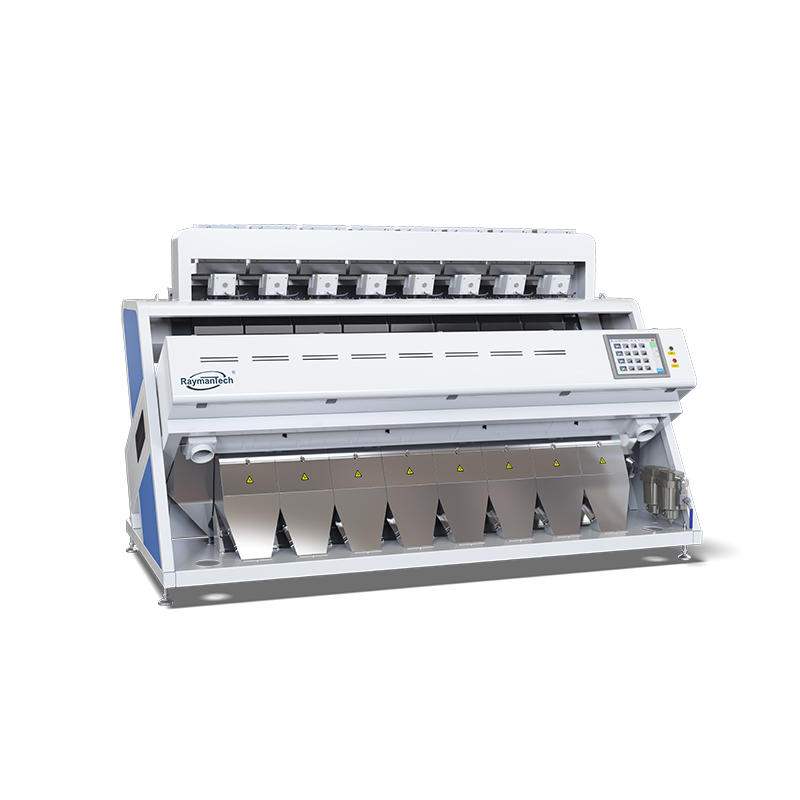
Recommedation: Rice, wheat, corn, grain, pulses, s...
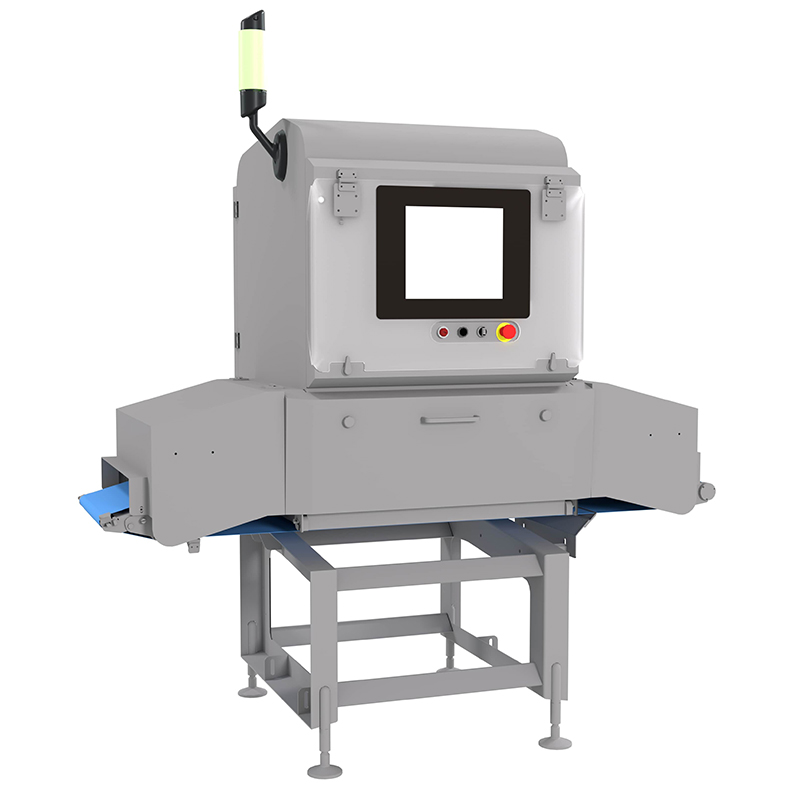
Both fat analysis and contaminant inspection (bone...
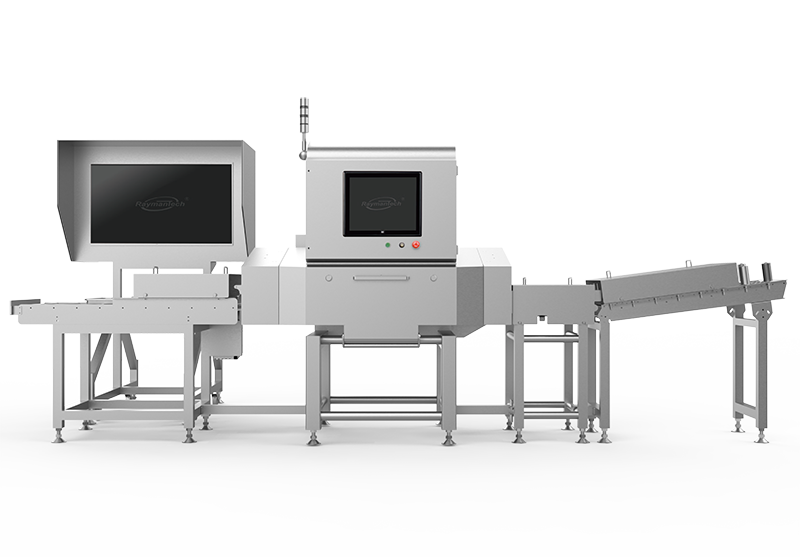
Automatic recognition and rejection, fish bone ins...
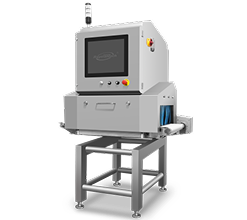
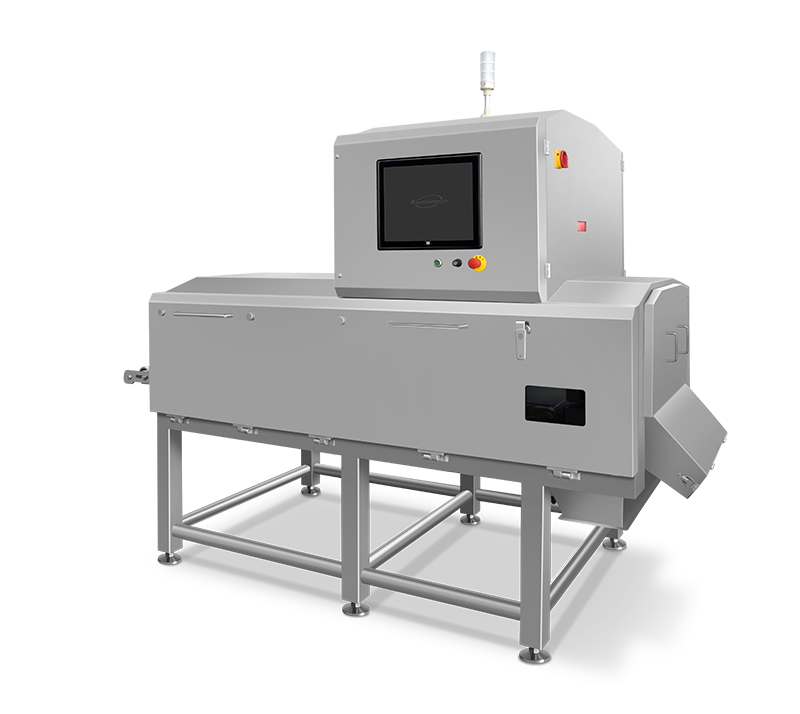
High cost performance, compact design, high sensit...
Select the most popular foreign trade service products to meet your diverse needs
Select the most popular foreign trade service products to meet your diverse needs



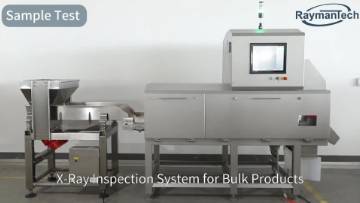

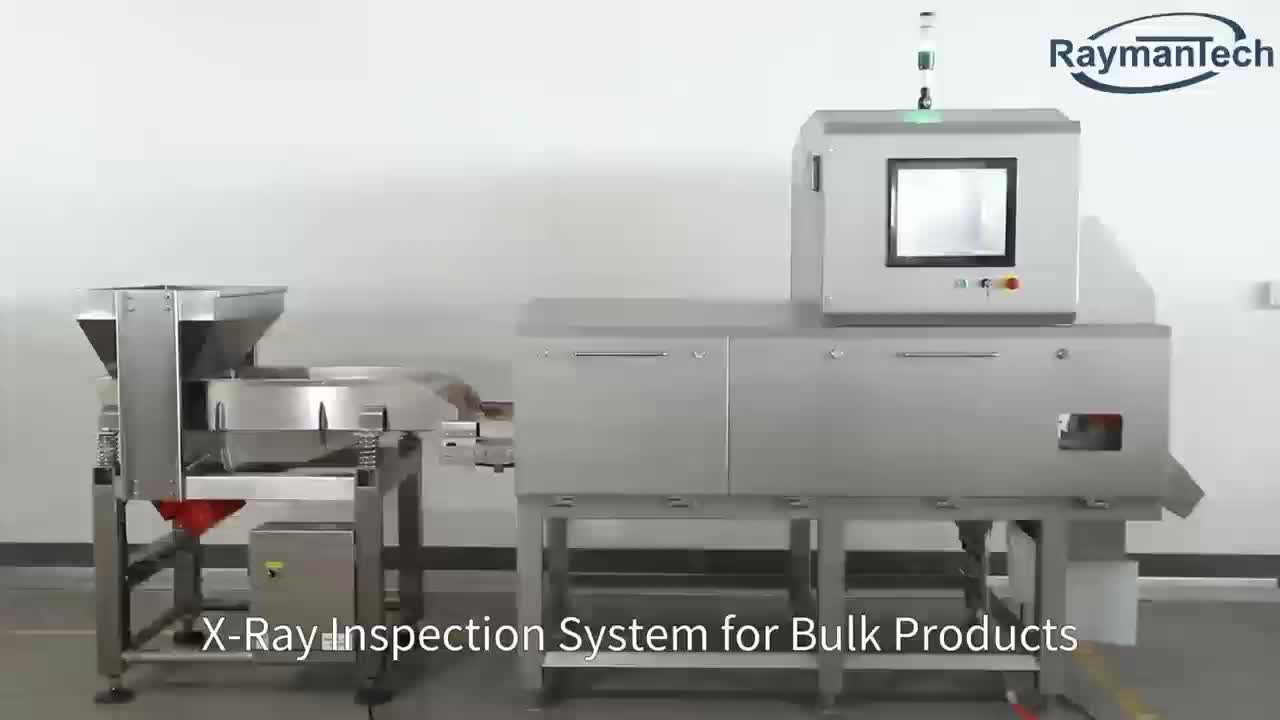
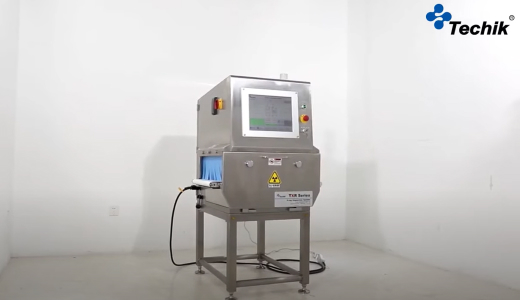



User Comments
Service Experience Sharing from Real Customers
Michael Rodriguez
Restaurant ManagerThe AI ordering system has revolutionized our service speed and accuracy. Customer satisfaction has increased by 40% since implementation.
Sarah Chen
Head ChefAI inventory management perfectly predicts our ingredient needs, reducing waste by 30% while maintaining freshness. Minor interface improvements needed.
David Thompson
Cafe OwnerThe AI-powered recommendation system has increased our average order value by 25%. Customers love the personalized drink suggestions!
Emily Watson
Catering DirectorAI demand forecasting has transformed our event planning. We've reduced over-preparation by 35% while ensuring we never run out of popular items.