 English EN
 中国 CN
中国 CN
.png)
Advancing Food Safety:Overcoming Challenges in Residual Bone Detection in Meat Processing
In the high-volume world of meat processing,...
More

The convergence of Artificial Intelligence (AI) and the Internet of Things (IoT) forges a more predictive and transparent food supply chain. This addresses major inefficiencies, as some studies estimate global food loss at one-third of production. Technologies like artificial intelligence in food processing help optimize the entire system.
Note: The market's rapid expansion reflects this potential, with significant growth projected.
Metric Value Estimated Market Size (2023) USD 1.7 billion Expected Market Size (2028) USD 4.7 billion

Smart agriculture shifts farming from a reactive to a proactive model. AI and IoT technologies empower farmers with data-driven tools. These tools optimize operations from planting to harvest, boosting both efficiency and sustainability. This precision approach minimizes the ecological footprint of agriculture by reducing resource waste.
Farmers can now forecast crop output with remarkable accuracy. AI systems analyze vast datasets to make these predictions. Key data sources include:
Historical time-series data
Remote sensing and aerial imagery
Real-time weather patterns
Algorithms like the LightGBM Regressor and Random Forest process this information. They identify complex patterns that connect soil conditions, weather, and crop health to potential yields. Research shows hybrid machine learning models can achieve prediction accuracies exceeding 90%, giving farmers a powerful tool for planning.
AI also automates the application of vital resources like water and fertilizer. Smart irrigation systems use soil moisture sensors and weather data to deliver water precisely when and where it is needed. This process avoids overwatering and conserves a critical resource. Similarly, AI platforms analyze crop data to enable variable-rate fertilization, ensuring each part of a field receives an optimal nutrient supply.
Impact on Efficiency 💧
Automated resource management delivers significant savings. Farms can reduce water consumption by up to 30% and lower costs related to energy, labor, and fertilizer. This targeted approach supports a more profitable and environmentally responsible farming model.
AI technologies are setting new standards for safety and quality control in the food industry. They empower processors to identify issues with a precision and speed that surpasses human capabilities. This shift minimizes risks and ensures a superior final product for consumers.
The use of artificial intelligence in food processing automates the critical tasks of sorting and grading. AI-powered computer vision systems analyze product images with incredible speed and precision. They detect defects like discoloration, physical damage, or improper sizing in items from produce to packaged goods. Companies use this technology to sort fruits and vegetables based on color and shape, automating tasks that once required hours of manual labor. This application of artificial intelligence in food processing creates a powerful quality feedback loop for continuous improvement.
| AI Application | Mechanism | Quality Control Benefits |
|---|---|---|
| Computer Vision | Automates inspections using image processing. | Enhances defect detection and reduces manual errors. |
| Inspection Automation | Uses machine learning for automated quality grading. | Ensures consistent quality and boosts efficiency. |
AI systems provide an essential defense against foodborne illnesses and contamination. They offer early warnings and help prevent safety incidents before they escalate.
AI helps processors identify numerous food safety risks, including:
Microbial contamination and pests
Illegal additives and pesticide residues
Foreign objects like plastic or wood
Poor storage conditions
Advanced sensors, such as hyperspectral imaging and optical biosensors, collect data that AI algorithms analyze in real time. This form of artificial intelligence in food processing can rapidly identify pathogens. For example, one AI model successfully detected E. coli on lettuce with 94% average precision in just a few hours. Another system is being developed to find Salmonella on onions with over 90% accuracy. This proactive use of artificial intelligence in food processing significantly reduces detection times compared to traditional lab methods.

AI transforms the food supply chain from a reactive system into a predictive and transparent network. It analyzes complex data to anticipate market shifts and track products from origin to consumer. This data-driven approach minimizes waste, enhances trust, and builds a more resilient food ecosystem.
Accurate demand forecasting is critical for reducing food waste. AI models significantly outperform traditional methods by analyzing vast datasets simultaneously. They process historical sales, weather patterns, local events, and even social media sentiment to predict consumer demand with high precision. One leading grocer, for instance, reduced its demand forecast error rate from 20% to just over 5% using an AI solution.
This enhanced accuracy allows for smarter inventory management. Companies can optimize stock levels to prevent over-ordering and spoilage.
Real-World Impact on Waste Reduction 📈
Starbucks uses its DeepBrew AI platform to match store inventory with local demand, cutting food waste.
Domino's employs predictive dashboards to identify over-preparation, recovering thousands of dollars per location.
Leading platforms like SAP IBP and Oracle Fusion Cloud SCM integrate AI to help businesses sense demand shifts and automate planning.
The combination of AI and blockchain creates an unparalleled level of transparency. Blockchain provides a decentralized and immutable ledger, recording every transaction and movement in the supply chain. This technology ensures that once data is recorded, no single entity can alter it.
AI enhances this system by analyzing real-time data from IoT sensors and other sources. It verifies product quality, monitors storage conditions, and flags anomalies. These AI-driven insights are then logged on the blockchain, creating a fully verifiable and trustworthy product history. Consumers can scan a simple QR code to see a product's entire journey.
| Company | Technology Focus | Impact on Transparency |
|---|---|---|
| Farmer Connect | AI and Blockchain | Provides farm-to-consumer traceability and ESG compliance data for products like coffee. |
This synergy builds consumer confidence and holds all stakeholders accountable for food safety and quality.
Artificial intelligence is moving beyond the supply chain to directly shape consumer food choices. It delivers personalized nutritional advice and drives innovation in product development. This creates a food experience tailored to individual health needs and preferences.
AI-powered applications now function as personal dietitians. These platforms create customized meal plans by analyzing user data. The process often begins with a user profile, including details like age, BMI, and medical conditions. AI models then process this information to generate weekly meal plans that align with specific health goals and nutritional guidelines.
Many mobile apps already leverage this technology to empower users:
Samsung Food Plus uses Vision AI to recognize ingredients and create meal plans that prioritize expiring items.
Twin Health creates a "digital twin" of a user, analyzing data from smart devices to offer real-time dietary advice for managing blood sugar.
Ria by Healthify acts as an AI coach, answering diet queries and analyzing food photos to suggest healthier alternatives.
These tools provide real-time, evidence-based support, helping people make smarter food choices.
Food companies use generative AI to accelerate the creation of new products. AI analyzes vast datasets of consumer trends, flavor profiles, and scientific literature to invent novel recipes. For example, Campbell Soup Co. used AI to track customer preferences for spicier foods, leading to its Chunky Ghost Pepper Chicken Noodle Soup. In the beverage industry, Beck's used AI to develop the entire concept for its Autonomous beer, from the recipe to the can design.
This technology is also crucial for developing plant-based alternatives. Companies like Bel Group and Kraft Foods partner with AI firms to create plant-based products that mimic the taste and texture of dairy and meat. By analyzing molecular structures, AI can identify unique ingredient combinations, such as:
Blueberry and thyme
Mango and basil
Chocolate and chili
This capability allows brands to meet growing consumer demand for sustainable and innovative food options.
While AI promises a smarter food supply chain, organizations face significant hurdles during adoption. High implementation costs and complex data integration are primary barriers. However, navigating the ethical landscape and regulatory requirements also demands careful planning.
The initial investment for AI systems can be substantial. Companies must acquire new hardware, software, and specialized talent. Integrating AI with legacy systems also presents a major challenge, as data often resides in disconnected silos. Despite these costs, the return on investment (ROI) is compelling.
AI's Financial Impact 💰
Early adopters report significant financial and operational gains.
61% of manufacturing executives decreased costs after introducing AI.
53% increased revenues, with over a third reporting revenue growth above 5%.
AI-enabled supply chain management has reduced logistics costs by 15% and improved inventory levels by 35%.
These figures demonstrate that strategic AI implementation delivers tangible value, justifying the initial expenditure and effort required for data integration.
Beyond financial costs, ethical considerations are paramount. AI systems require robust governance to prevent misuse and ensure fairness. Key ethical challenges include:
Algorithmic Bias: AI models can produce prejudiced outputs if trained on unrepresentative data, failing to account for diverse cultural preferences.
Data Privacy: Handling consumer health information requires strict compliance with regulations like HIPAA. Companies must use secure, purpose-built AI tools.
Workforce Displacement: Automation may displace workers, creating an ethical need for companies to invest in retraining and upskilling programs.
Organizations must establish clear data protocols, conduct regular audits of AI algorithms, and maintain human oversight to correct potential AI "hallucinations" or errors. This proactive approach ensures that AI is deployed responsibly.
Artificial intelligence fundamentally reshapes the food supply chain into an intelligent and sustainable ecosystem. Technologies like artificial intelligence in food processing, when integrated with IoT and blockchain, create unprecedented transparency. Overcoming adoption hurdles is vital to unlock AI's full potential, enhancing global food security and improving access for vulnerable populations.
AI systems analyze sensor data to detect contaminants like bacteria in real time. This proactive monitoring helps prevent foodborne illness outbreaks and ensures a safer product for consumers.
AI automates repetitive tasks, shifting human roles toward system management and data analysis. This evolution creates a demand for new skills rather than causing widespread job loss.
Small businesses can begin with AI-powered inventory management software. These platforms help reduce waste and forecast demand, offering a clear and immediate return on investment.

We provide you with comprehensive foreign trade solutions to help enterprises achieve global development
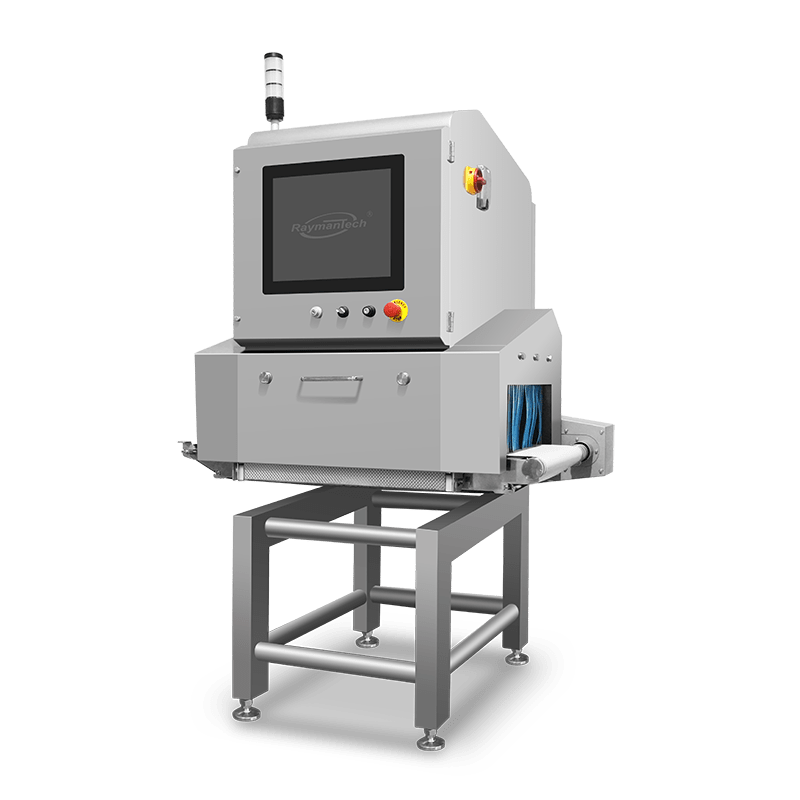
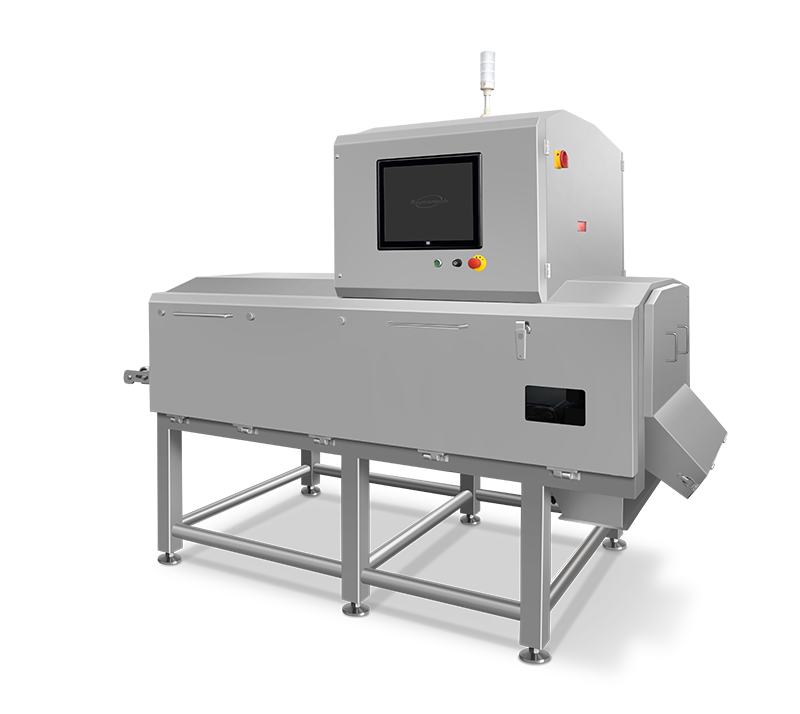
UHD X-Ray detector, AI large model, all food indus...
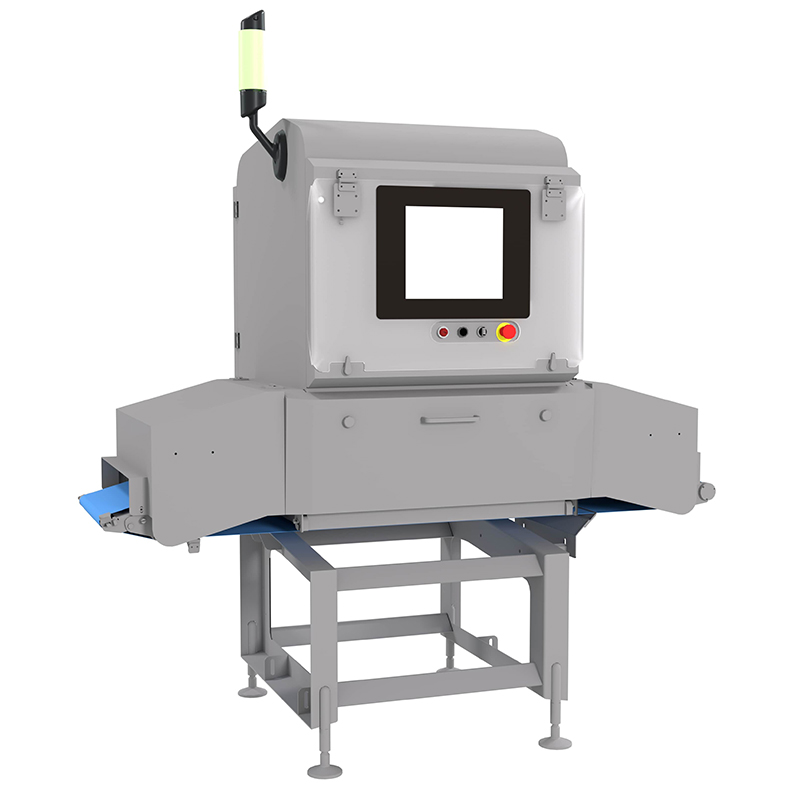
Both fat analysis and contaminant inspection (bone...
High cost performance, compact design, high sensit...
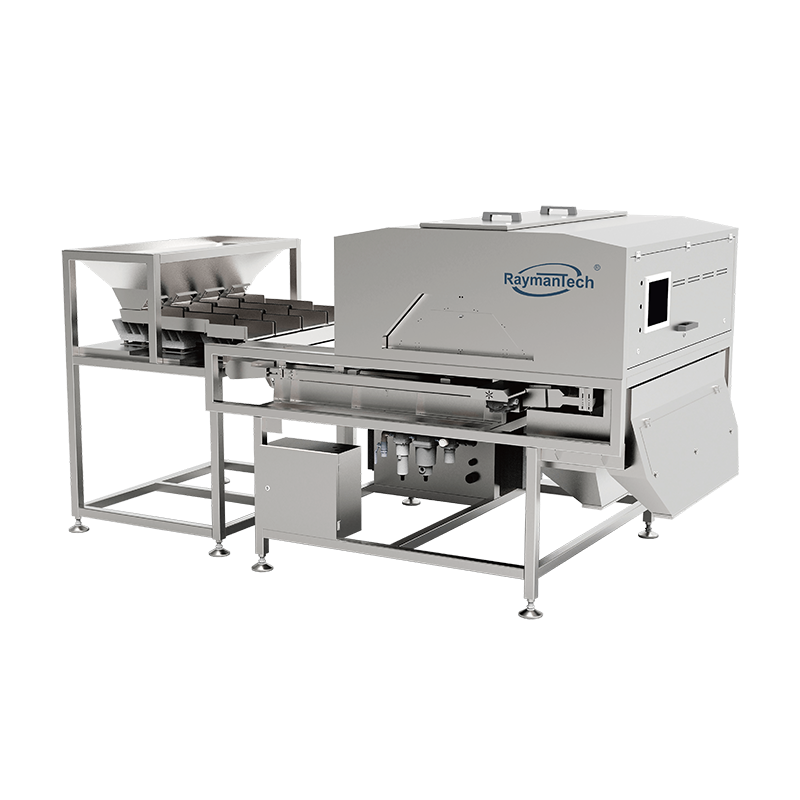
Recommedation: Small particle, flat products such...
Select the most popular foreign trade service products to meet your diverse needs
Select the most popular foreign trade service products to meet your diverse needs





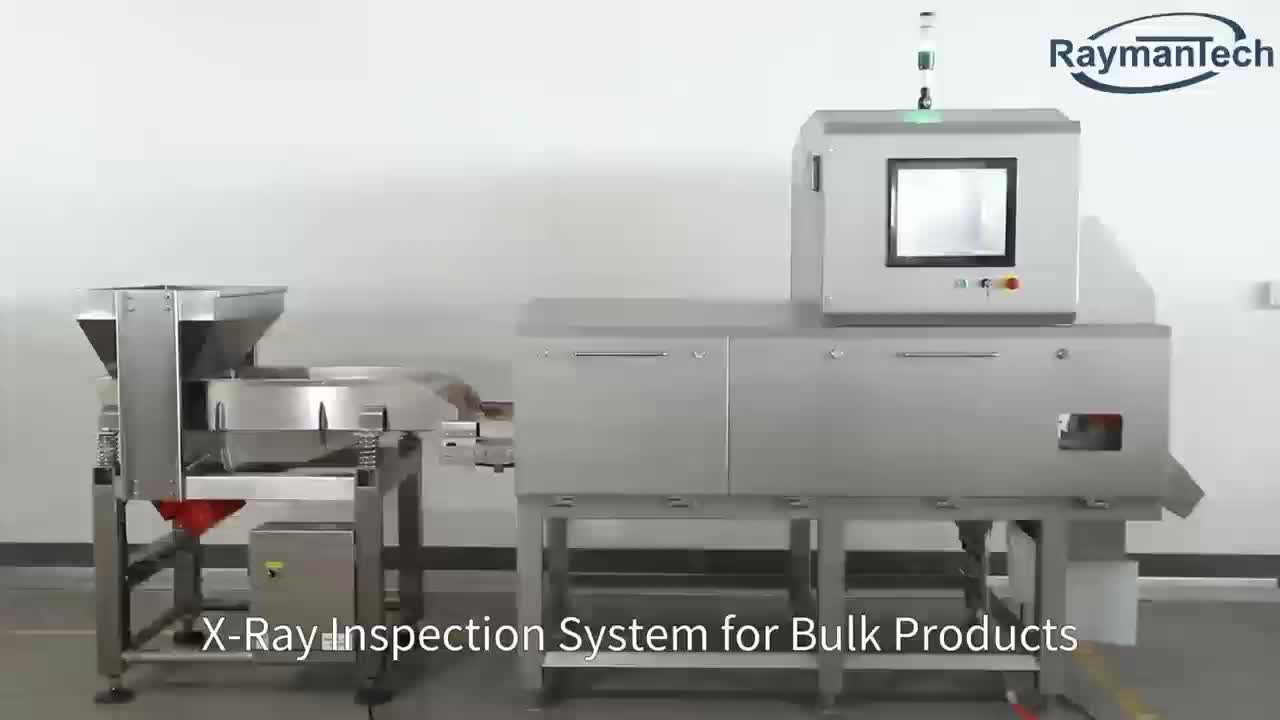




User Comments
Service Experience Sharing from Real Customers
Michael Rodriguez
Quality Control ManagerThis AI-powered sorting system has revolutionized our quality control process. The accuracy in detecting defects and contaminants exceeds 99%, significantly reducing waste and ensuring consistent product quality.
Sarah Chen
Production SupervisorThe AI-driven predictive maintenance system has dramatically decreased our equipment downtime. While the initial setup required some training, the long-term benefits in operational efficiency are undeniable.
David Thompson
Research ChefAs a culinary professional, I'm impressed by how AI flavor profiling helps us develop new products faster. The system analyzes consumer preference data to suggest optimal flavor combinations, cutting our R&D time by half.
Jennifer Williams
Supply Chain CoordinatorThe AI inventory management platform has transformed our raw material forecasting. It accurately predicts demand fluctuations and optimizes our ordering schedule, reducing spoilage and storage costs significantly.