Asparagus sorting machine
Asparagus sorting machine
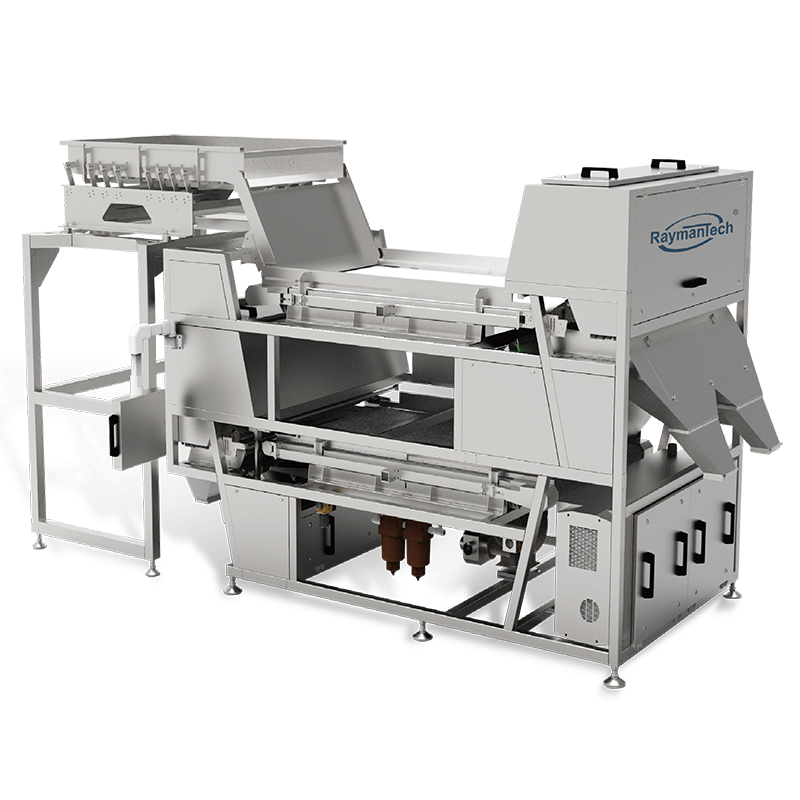
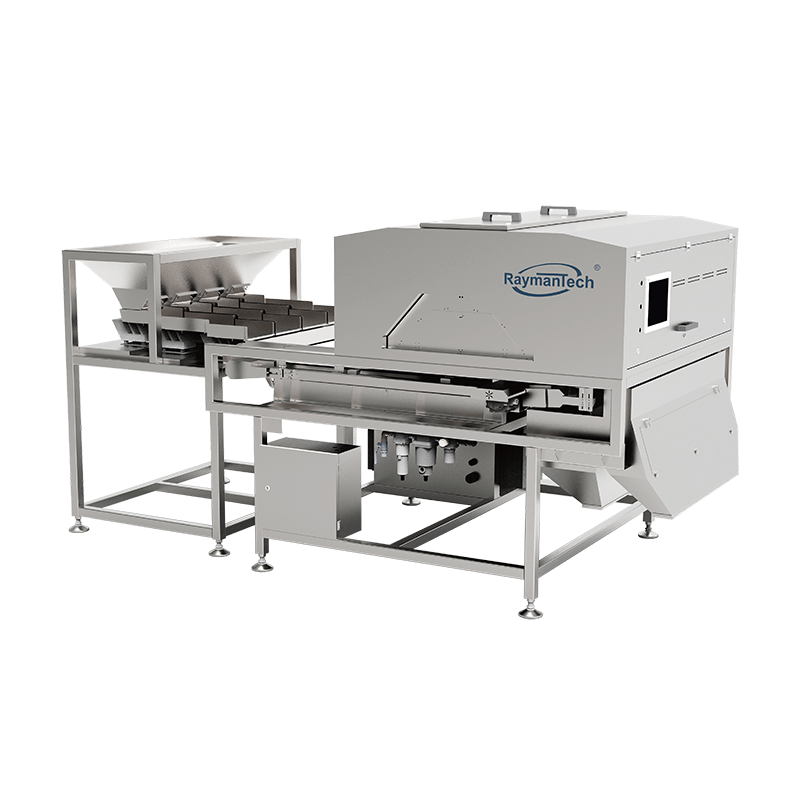
Industrial asparagus sorting machines have revolutionized agricultural processing by automating the grading and classification of asparagus spears based on precise parameters such as diameter, length, and color. These systems utilize advanced electro-optical sensors, high-resolution cameras, and near-infrared (NIR) spectroscopy to achieve sorting accuracies exceeding 95%, as documented in performance reports from manufacturers like TOMRA Food and Key Technology. For large-scale processing facilities, this technology is critical. Data from the California Asparagus Commission indicates that manual sorting can process approximately 150-200 kg of asparagus per hour per worker, with a significant risk of inconsistency and damage. In contrast, automated sorting machines from companies such as Bühler and Aweta can process throughputs ranging from 1,000 to 5,000 kg per hour, depending on the model and configuration. This represents a 500% increase in efficiency, directly impacting operational scalability and labor cost reduction. The primary mechanical systems involve gentle roller conveyors and cushioning belts that minimize bruising, preserving the delicate spears. The core technological differentiator lies in the integration of machine vision. Cameras capture multiple images of each spear from various angles, and proprietary software algorithms analyze these images in milliseconds. The system is programmed to identify and classify spears into up to ten different quality grades, ejecting substandard produce using precisely timed air jets. This level of precision ensures that only asparagus meeting specific market standards—for instance, a diameter tolerance of +/- 0.5 mm for premium "Extra Class" spears under EU marketing standards—is packaged for sale. The financial justification for these machines is supported by ROI analyses from farms in major producing regions like Peru and Mexico, which show that the capital investment can be recouped within 12-24 months through reduced wage bills, decreased product waste by up to 20%, and the ability to command higher prices for consistently graded produce.
The implementation of asparagus sorting machinery directly addresses key challenges in the global supply chain, including labor shortages and stringent food safety regulations. A 2022 report by the International Fresh Produce Association highlighted that over 60% of asparagus growers in North America cited labor availability as their primary operational constraint. Automated sorting mitigates this dependency, ensuring continuous operation during peak harvest seasons. Furthermore, the data collected by these machines provides invaluable traceability. Each batch sorted can be logged with detailed metrics on size distribution, color uniformity, and the incidence of defects, creating a digital record for quality assurance and compliance with standards like the Food Safety Modernization Act (FSMA). This data is crucial for exporters who must adhere to phytosanitary protocols. From a market perspective, the demand for uniformly high-quality asparagus is driven by major retailers in the EU and US. Supermarket chains often have strict specifications, and manual sorting cannot guarantee the required consistency at scale. The adoption of this technology is not limited to large corporations; modular and smaller-capacity machines are now available from suppliers like Greefa and Eshet Eilon, making the technology accessible to mid-sized cooperatives. Performance data from a German agricultural research institute (ATB) demonstrates that automated sorting reduces physical damage to asparagus by over 30% compared to manual handling, directly extending shelf-life by 2-3 days. This extension is critical for maintaining quality during long-distance transportation to international markets. The future development of these machines is leaning towards AI integration, where deep learning algorithms are being trained to identify subtle diseases like Fusarium rot or mechanical damage that are difficult for the human eye to detect, promising even greater levels of quality control and food safety in the coming years.
 English EN
 中国 CN
中国 CN
.png)



.png)







User Comments
Service Experience Sharing from Real Customers
Michael Rodriguez
Farm Operations ManagerThis asparagus sorting machine has revolutionized our packing line. The accuracy and speed are incredible - we've reduced waste by 30% and increased throughput by 50%. The automated grading system is precise and consistent.
Sarah Chen
Food Processing Plant SupervisorExcellent machine for commercial asparagus processing. The optical sorting technology effectively separates by thickness and quality. Minor learning curve for setup, but once configured, it runs smoothly with minimal supervision.
David Thompson
Agricultural Equipment SpecialistAs someone who works with various sorting equipment, this asparagus sorter stands out for its durability and intelligent design. The gentle handling prevents damage to delicate spears while maintaining high sorting accuracy. Highly recommended for large-scale operations.
Jennifer Williams
Produce Distribution ManagerThis machine has transformed our asparagus preparation process. The consistent sorting quality has helped us meet premium market standards consistently. Customer complaints about inconsistent sizing have dropped to zero since implementation.