 English EN
 中国 CN
中国 CN
.png)

Revolutionizing Quality Control with Advanced Hazelnuts Sorting Machines
Advanced nut sorting machine technology combines H...
More

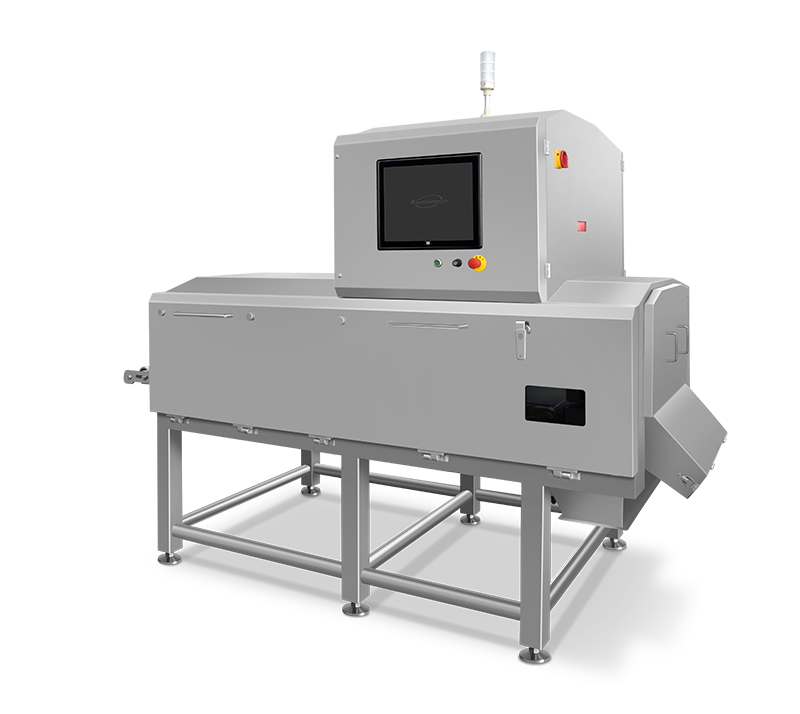
Artificial intelligence (AI) enables automated industrial x ray systems for meat to analyze images with greater nuance than traditional software. This advancement delivers superior detection of low-density contaminants like plastic and wood.
AI also provides precise fat analysis to maximize yield while significantly reducing costly false rejects, boosting throughput.
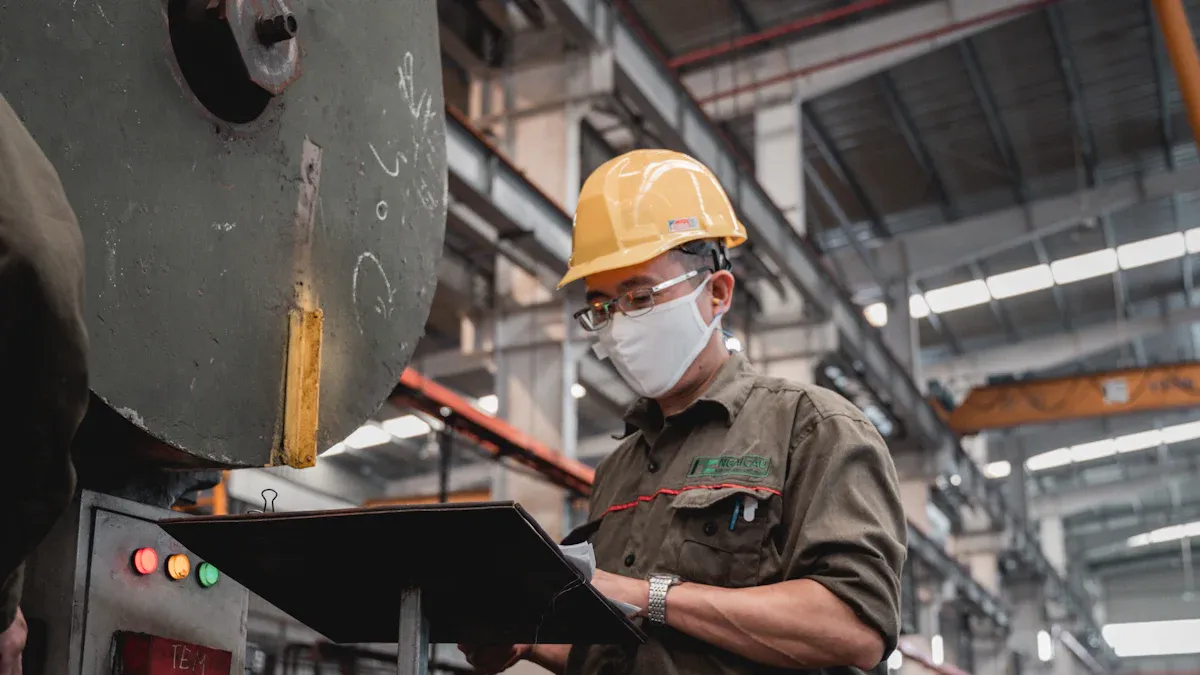
Artificial intelligence transforms contaminant detection from a simple density check into a sophisticated analytical process. AI-powered neural networks are meticulously trained on vast image datasets, enabling them to spot anomalies with superior accuracy and consistency. These algorithms continuously learn and adapt, providing a dynamic defense against foreign materials. Systems from companies like Vehant Technologies combine these advanced AI algorithms with high-precision imaging. This synergy delivers unmatched accuracy and provides visual proof for every item scanned, setting a new standard for safety.
Traditional X-ray systems often struggle to find low-density contaminants. Materials like wood, rubber, and some plastics share similar density characteristics with meat products. This similarity makes them nearly invisible on a standard X-ray screen. The technological limitation means that without a significant difference in bulk density, many common contaminants go undetected.
AI-powered systems overcome this challenge. By integrating advanced software with innovative hardware, they can identify what was previously undetectable.
Dual-Energy Technology: Systems using dual-energy detectors, such as Mettler-Toledo's DXD+ technology, can detect low-density materials with remarkable precision. This technology has demonstrated the ability to find 5mm rubber fragments in chicken with 100% probability.
Advanced Algorithms: AI algorithms analyze subtle differences in material composition, not just density. This allows automated industrial x ray systems for meat to distinguish a wood splinter or plastic fragment from the surrounding product, provided there is a sufficient difference in material properties.
Production lines often feature products that are clumped together or overlapping, such as loose chicken wings or ground meat in a chub. This creates a complex imaging challenge where a contaminant can be hidden by another piece of product. Traditional software struggles to interpret these cluttered images, leading to missed contaminants or high false reject rates.
AI, particularly deep learning models, excels at this task.
Using a combination of algorithms, AI can deconstruct complex images. For instance, a model like EfficientNet can discriminate between clean and contaminated image frames, while a segmentation algorithm like U-Net can then precisely outline the exact location of the contaminant. This allows the system to pinpoint a foreign object even when it is partially obscured by overlapping product.
A common issue in meat processing is the presence of bone fragments, which are a natural part of the product but undesirable for consumers. Conventional X-ray systems can struggle to differentiate between a harmless calcified bone fragment and a dangerous foreign contaminant like glass or metal, leading to unnecessary product rejection.
AI introduces more advanced imaging techniques to solve this problem. Grating-based multimodal X-ray imaging uses multiple data points to create a more complete picture.
Phase-Contrast Imaging: This technique relies on how X-rays bend as they pass through different materials. It enhances the contrast at the boundaries between objects, making even low-density materials stand out.
Dark-Field Imaging: This method measures how X-rays scatter. It is highly effective at identifying materials with unique microstructures, like the fibers in a wood splinter.
By merging data from absorption, phase-contrast, and dark-field imaging, AI creates a detailed pseudo-color image. This process makes it easy to distinguish between bone, meat, and foreign materials like plastic or graphite that are otherwise difficult to spot. The result is a dramatic reduction in false rejects and a higher level of safety assurance.
Beyond finding foreign objects, AI elevates X-ray inspection into a powerful tool for quality control and process optimization. It provides processors with detailed data on every product, enabling precise control over fat content, product consistency, and overall integrity. This capability transforms the inspection point from a simple safety check into a strategic hub for maximizing profitability.
The fat-to-lean ratio, or Chemical Lean (CL), is a critical metric in meat processing. It determines the product's grade, value, and adherence to recipe specifications. Historically, processors relied on the Soxhlet laboratory method for fat analysis, a slow and sample-based process. Today, technology offers a far superior solution.
Dual Energy X-ray Absorptiometry (DEXA) technology has become the 'gold standard' for in-line CL measurement. When enhanced with AI, these systems analyze 100% of the product in real-time. They provide highly accurate CL values, achieving better than +/- 1 CL accuracy across all meat types. This precision empowers processors to meet exact CL targets for every batch, ensuring product consistency and customer satisfaction.
Precise fat analysis directly translates to increased profitability by minimizing "lean giveaway"—the costly practice of including more lean meat than specified. As Jamie Schweid, CEO of Schweid and Sons, notes, inaccurate fat analysis is like "giving money away." AI-powered systems prevent this by enabling processors to hit their leanness goals with surgical precision.
The financial impact is substantial. Real-time data allows for immediate adjustments to meat combinations, optimizing the use of raw materials. While an inline ground meat analyzer can cost over $300,000, a large processor producing 100 million pounds of ground beef annually can realize significant savings by ensuring accurate pricing and eliminating giveaway.
Key Benefits of AI-Powered Fat Analysis:
Ensures On-Spec Product: Inspects 100% of throughput to guarantee CL values are within +/- 1CL.
Optimizes Raw Materials: Allows processors to verify that incoming meat is priced correctly and meets specifications.
Eliminates Rework: Precise recipe management from the start prevents the need to re-blend out-of-spec batches.
Increases Revenue: Prevents financial losses from consumer complaints or rejected shipments due to inconsistent fat ratios.
AI's quality control capabilities extend far beyond fat analysis. The same deep learning models that detect contaminants can also be trained to verify the physical integrity and completeness of products. This ensures that only perfect items leave the facility, protecting brand reputation.
AI-driven visual inspection uses geometry models to spot a wide range of defects at full production speed. These automated industrial x ray systems for meat can perform numerous checks simultaneously, offering a comprehensive quality assessment.
Common integrity checks automated by AI include:
Structural Anomalies: Identifying broken products, cracks, holes, or shape deformations.
Mass & Dimension Measurement: Verifying that meat packets meet weight requirements or that beef jerky sticks are the correct length.
Component Verification: Detecting missing clips on meat chubs or ensuring proper sealing on canned meats.
Classification: Grading chicken breasts or classifying different cuts of meat to ensure correct sorting and pricing.
This level of automated verification contributes to a zero-defect production goal, catching issues that would be nearly impossible to spot with manual inspection alone.
A high false reject rate is a major drain on a meat processor's resources. It creates unnecessary product waste, requires manual labor for re-inspection, and slows down the entire production line. AI directly addresses this inefficiency by bringing a new level of intelligence to the inspection process, distinguishing true threats from harmless product variations with remarkable accuracy.
Traditional inspection systems often trigger false rejects due to product characteristics like overlapping items, irregular shapes, or dense bone fragments. These systems operate on simple density thresholds, flagging anything that looks unusual. AI, however, uses contextual analysis. It learns the normal appearance of products, including their common variations.
AI-powered automated industrial x ray systems for meat can differentiate a calcified bone fragment from a piece of metal or distinguish a clumped product from a genuine contaminant. This intelligence drastically lowers the number of good products sent to the reject bin.
Every false reject requires a worker to manually retrieve, inspect, and reintroduce the product to the line. This process is slow, labor-intensive, and costly. AI minimizes the reliance on manual labor by automating these repetitive tasks and improving initial inspection accuracy. By significantly reducing the false reject pile, AI frees up employees for more value-added roles. This automation reduces operational costs and optimizes resource allocation. In related industrial applications, AI has saved companies over 100 hours weekly by reducing similar manual inspection tasks.
A smooth, continuous flow is essential for maximizing production throughput. False rejects create bottlenecks that disrupt this flow. AI-enhanced inspection systems help maintain line speed and boost overall output.
Fewer Stops: A lower false reject rate means the conveyor belt stops less frequently.
Consistent Flow: Products move from processing to packaging without unnecessary interruptions.
Higher Output: With fewer delays, processors can handle a greater volume of product per shift.
Ultimately, these automated industrial x ray systems for meat do more than just find contaminants; they optimize the entire production workflow, leading to significant gains in efficiency and profitability.

Adopting AI is more than a software upgrade; it requires a structured methodology to integrate intelligence directly into the production workflow. This process ensures the technology aligns with specific operational needs, transforming standard inspection points into dynamic quality control centers. A successful implementation hinges on careful planning, robust training, and secure data handling.
Integrating AI into existing automated industrial x ray systems for meat follows a clear, multi-stage process. This ensures the model is tailored precisely to the processor's products and environment. The typical implementation path involves several key steps:
Data Acquisition: Technicians first gather a large volume of X-ray images from the production line, including examples of both good products and known defects.
Annotation: Experts carefully label these images, marking contaminants or quality issues to create a "ground truth" dataset for training.
Model Training: Developers use this annotated data to train a suitable AI model, like a Convolutional Neural Network (CNN), teaching it to recognize defect patterns.
Validation: The team tests the model against a separate set of images to confirm its accuracy and prevent overfitting.
Deployment: Once validated, the AI model is integrated into the production environment for real-time inspection.
An AI model is not perfect upon initial deployment. It requires calibration with real-world data collected directly from the plant floor. Factors like temperature fluctuations, product moisture, and belt cleanliness create unique conditions that cannot be perfectly simulated in a lab.
The commissioning phase is critical. During this period, software teams observe the system in action across different shifts and suppliers. They collect in-plant data to fine-tune the algorithms, continuously improving the AI's performance until its detection capabilities stabilize for reliable, real-time use.
This process establishes a feedback loop where operator interventions and performance metrics guide ongoing model improvements, ensuring the system adapts and maintains high accuracy.
AI inspection systems generate vast amounts of valuable, proprietary production data. Protecting this information is paramount. Processors implement robust data security protocols to safeguard sensitive details and maintain a secure operational environment. Key security measures include:
Data Encryption: Protects all data, whether stored or in transit, from unauthorized access.
Role-Based Access Controls: Limits data visibility, ensuring only authorized personnel can view sensitive information.
Anonymization: Techniques like differential privacy can be used to remove identifying details from datasets used for model training.
Regular Audits: Verifies that security practices comply with privacy regulations and helps identify potential vulnerabilities.
These protocols create a secure framework that protects a company’s competitive advantage while leveraging the full power of AI.
The integration of AI into X-ray inspection is not a final destination but the beginning of an evolution toward smarter, self-optimizing systems. The future lies in technology that learns, adapts, and even anticipates operational needs, pushing the boundaries of efficiency and safety even further. These next-generation systems promise to create a truly intelligent production environment.
AI models evolve beyond their initial training. Through continuous on-line learning, these systems grow more intelligent and accurate over time by analyzing new data directly from the production line. This process enables the AI to adapt to the dynamic nature of food processing. The improvement cycle is methodical:
Initial Training: A model begins with a foundational knowledge base from a baseline dataset.
New Data Integration: The system incorporates new images from daily production, capturing subtle variations.
Model Update: It uses this new data to update its parameters, refining its decision-making abilities.
Performance Evaluation: The system evaluates the updated model's accuracy. It deploys the new version only if it shows improved performance.
This adaptive capability dramatically simplifies the introduction of new products. Processors can quickly teach the system to recognize a new type of sausage, a different cut of meat, or a unique packaging format. Instead of extensive reprogramming, the AI learns the new product's characteristics, including its acceptable variations. This flexibility reduces the downtime associated with product changeovers and allows companies to respond faster to market demands.
Future AI systems will also monitor the health of the inspection equipment itself. By analyzing operational data like temperature, voltage, and image consistency, AI can predict when a component is likely to fail. This shifts maintenance from a reactive to a proactive strategy. Companies like Nestlé have already used this approach to reduce unplanned downtime. Studies show predictive maintenance can decrease overall downtime by up to 50%, preventing costly failures and maximizing operational uptime.
AI integration is a transformative force for X-ray meat inspection. It moves beyond incremental updates to deliver new levels of operational intelligence.
This technology provides unprecedented precision, efficiency, and safety for modern meat processors.
Processors like Nolan Meats achieve 99% product identification accuracy, protecting brand reputation. Companies can see benefits in about 13 months, securing a competitive advantage.
AI significantly improves contaminant detection for materials like plastic and wood. It also provides precise fat analysis, reduces false rejects, and boosts overall production line efficiency. ✅
Yes. Processors train AI models for specific products. This allows systems to inspect various items, including different cuts, ground meat, sausages, and even packaged goods.
Implementation time varies. The process includes several key stages:
Data collection
Model training
System calibration
A project can take several weeks to a few months.

We provide you with comprehensive foreign trade solutions to help enterprises achieve global development
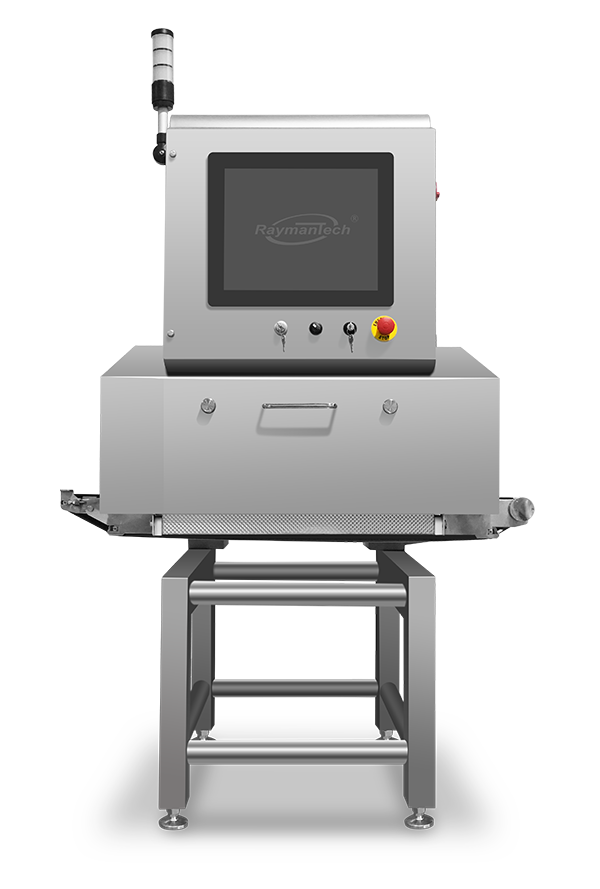
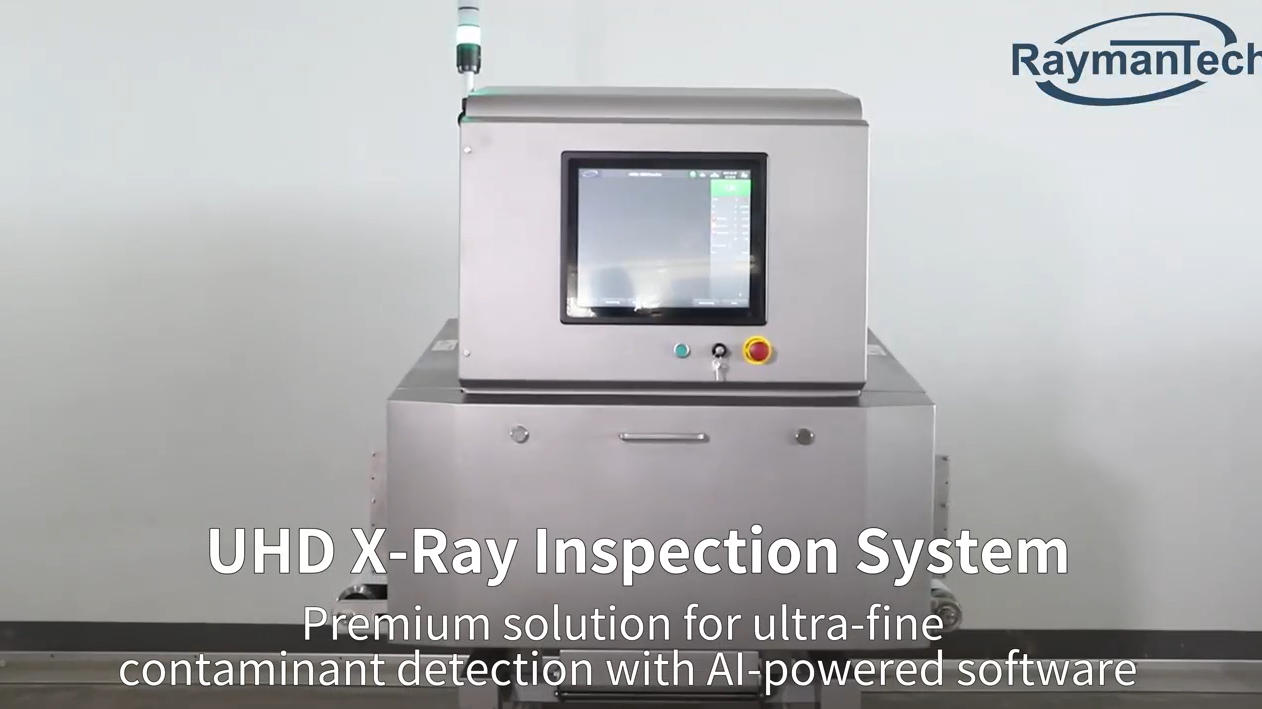
Ultra-fine contaminants detection, UHD X-Ray detec...
.png)
Glass-in-glass / Metal-in-metal inspection, small ...
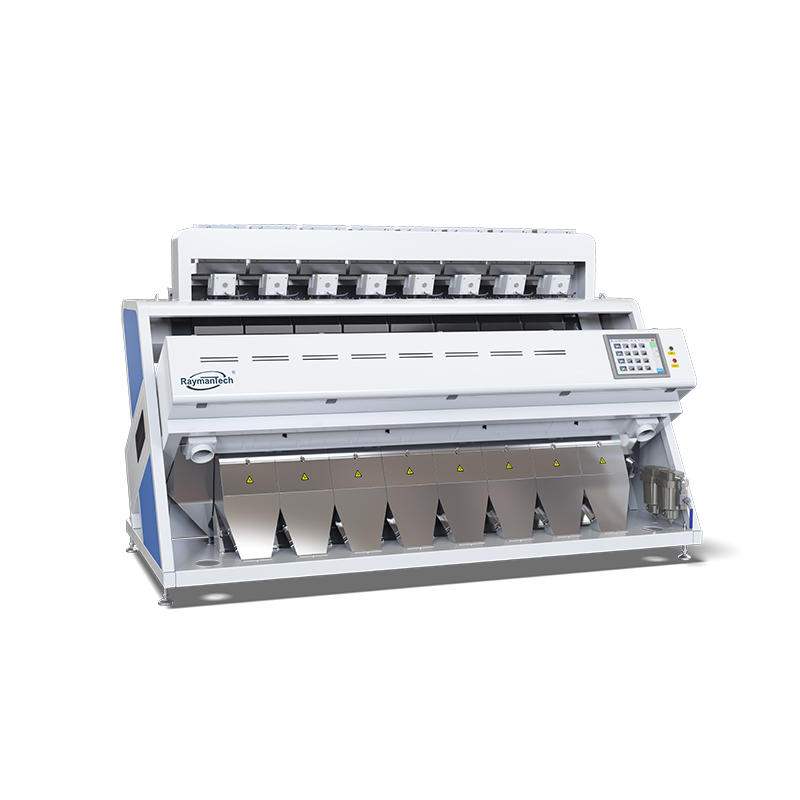
Recommedation: Rice, wheat, corn, grain, pulses, s...
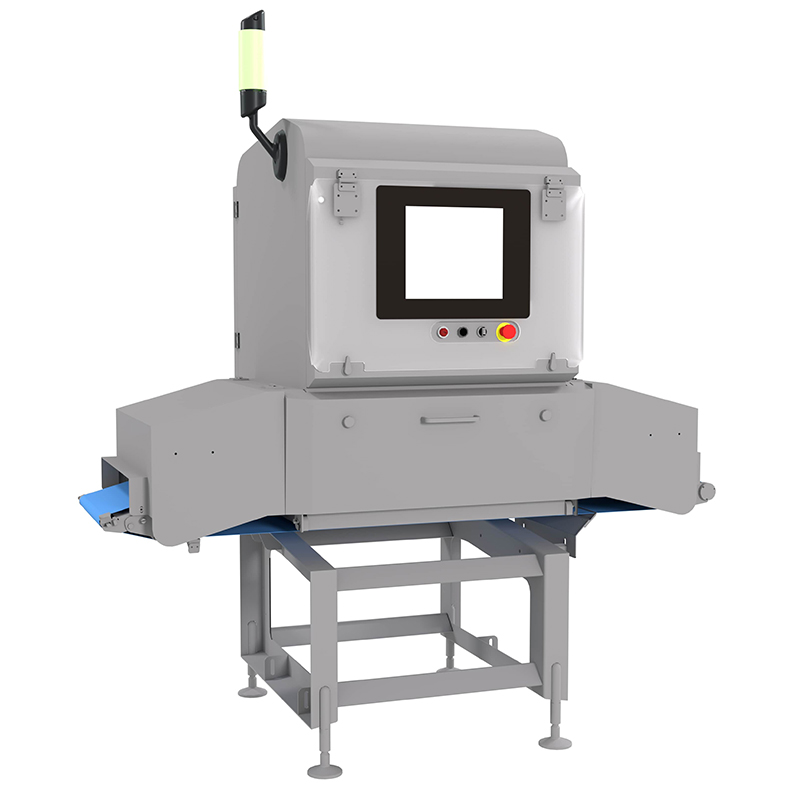
Both fat analysis and contaminant inspection (bone...
Select the most popular foreign trade service products to meet your diverse needs
Select the most popular foreign trade service products to meet your diverse needs







User Comments
Service Experience Sharing from Real Customers
David Chen
Quality Assurance ManagerThis automated X-ray system has revolutionized our bone detection process. The accuracy and speed have significantly reduced our false rejection rates while maintaining product safety standards.
Sarah Johnson
Production SupervisorOutstanding performance in detecting contaminants in our ground beef products. The automated handling system integrates perfectly with our existing production line, requiring minimal operator intervention.
Michael Rodriguez
Food Safety DirectorReliable and consistent detection of metal fragments and other contaminants in pork products. The system's user-friendly interface makes training new operators straightforward and efficient.
Jennifer Williams
Plant ManagerExcellent investment for our lamb processing facility. The automated X-ray system has improved our quality control measures while increasing throughput by 30%. Maintenance requirements have been minimal.