 English EN
 中国 CN
中国 CN
.png)

Revolutionizing Quality Control with Advanced Hazelnuts Sorting Machines
Advanced nut sorting machine technology combines H...
More

An automated brazil nuts sorting machine promises significant efficiency and quality gains. This technology, however, demands a substantial investment. Processors must weigh the long-term benefits against high initial costs and operational challenges. A careful evaluation determines if this advanced system fits a specific operation's needs and financial strategy.
The global Brazil nut market shows steady growth, underscoring the need for efficient processing.
| Metric | Value |
|---|---|
| Global Market Size (2023) | USD 46.42 Million |
| Projected Market Size (2030) | USD 64.46 Million |
| Compound Annual Growth Rate (CAGR) | 4.8% |
This market expansion makes the decision to automate more critical for maintaining a competitive edge.
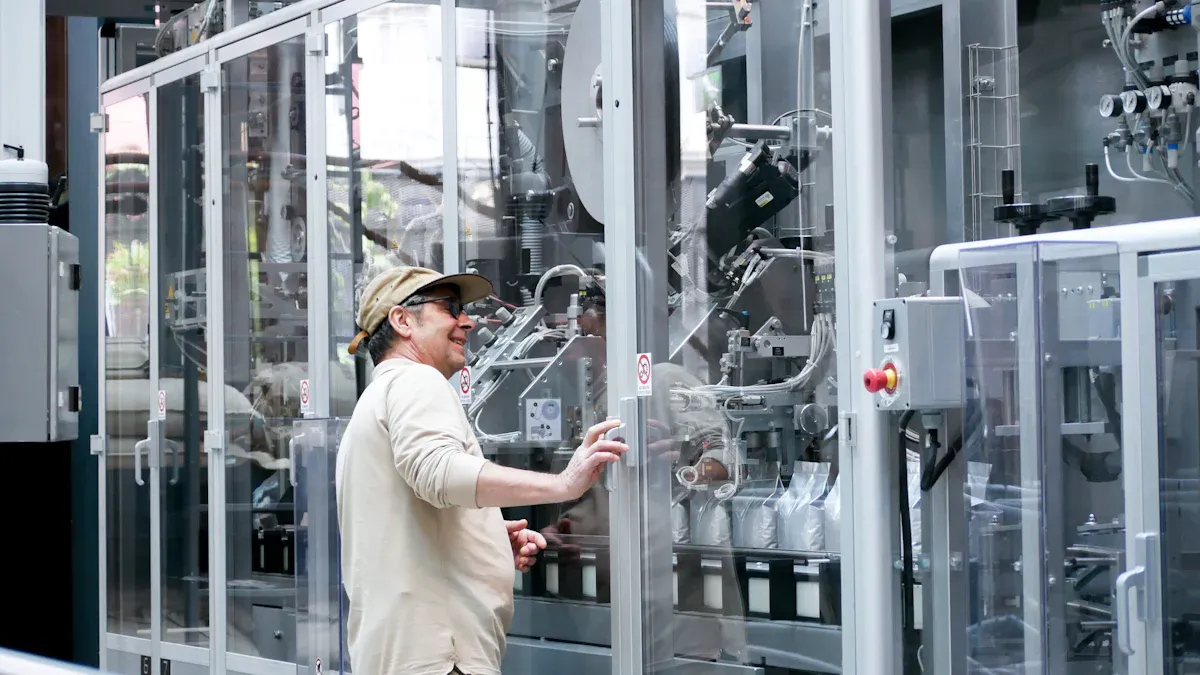
Automated sorting systems offer transformative benefits for Brazil nut processors. These technologies address the core challenges of manual labor, delivering superior accuracy, speed, and safety. Companies that adopt automation position themselves to meet growing market demands with a higher quality product.
Human sorters, despite their experience, are prone to fatigue and inconsistency. Their evaluation is limited to visible, external defects. Automated systems transcend these limitations with remarkable precision. Modern computer vision systems, for example, can achieve a classification accuracy of 99.7% for Brazil nuts. This level of precision ensures that only the highest quality nuts proceed to packaging.
The true advantage of automation lies in its ability to see the unseen. Spectral analysis technology offers a significant leap over manual sorting. It can identify internal issues that are invisible to the human eye.
Note: Manual inspection cannot detect internal deterioration or potential aflatoxin contamination without cracking the shell. Automated spectral analysis, however, identifies specific light wavelengths that correspond to these hidden defects, allowing for non-destructive removal of high-risk nuts.
This capability is crucial for preventing issues like inner nut deterioration, which manual systems in Brazil cannot detect without destructive sampling. The result is a more reliable and consistent final product.
A key driver for automation is the dramatic increase in processing speed. A brazil nuts sorting machine operates continuously, handling massive volumes without breaks or a decline in performance. Manual sorting teams are limited by shift lengths, human speed, and the need for rest. Automated sorters work 24/7, maximizing operational uptime.
This sustained, high-speed operation allows processors to scale production significantly. A single machine can process several tons of Brazil nuts per hour, a task that would require a large team of manual laborers. This efficiency directly impacts a company's ability to fulfill large orders and respond to market fluctuations quickly.
| Sorting Method | Typical Throughput (Tons/Hour) | Operational Hours | Consistency |
|---|---|---|---|
| Manual Sorting | 0.05 - 0.1 | 8-10 hours/day | Variable |
| Automated Sorting | 1 - 5+ | Up to 24 hours/day | Extremely High |
This boost in throughput means faster delivery times, reduced backlogs, and a more agile production line.
Protecting consumers and brand reputation is paramount. Automated sorters are essential tools for enhancing food safety. They excel at removing a wide range of foreign materials and defective products from the processing line.
Physical Contaminants: Shells, husks, stones, stems, and leaves.
Foreign Objects: Unwanted materials like plastic, glass, or metal.
Product Defects: Moldy, damaged, or empty nuts.
Beyond visible contaminants, advanced sorters tackle microscopic threats like mycotoxins. Aflatoxin, a toxic compound produced by certain molds, is a major concern in the nut industry. Specialized optical sorters, such as the SORTEX A LumoVision, are designed to reduce aflatoxin by detecting specific fluorescent defects. Other technologies, like AflaSort, use lasers to identify the unique fluorescent signature of aflatoxin residues, enabling the precise removal of contaminated nuts. This technological intervention provides a level of safety that is impossible to achieve manually, ensuring the final product is not only high-quality but also safe for consumption.
Automating the sorting process delivers substantial financial returns over the long term. While the initial outlay is significant, the investment generates value by cutting operational expenses and creating new revenue opportunities. Companies that automate can achieve a more stable and profitable financial future.
Automation directly addresses the high, recurring costs associated with a manual workforce. A single machine replaces the need for large teams of human sorters. This shift significantly lowers payroll expenses. Processors can reallocate capital from wages and benefits toward other growth areas. Automation reduces several key labor-related expenditures:
Salaries and hourly wages
Recruitment and training costs
Employee benefits and insurance
Expenses related to high staff turnover
This reduction in overhead strengthens a company's financial position and improves its return on investment (ROI) over the machine's lifespan.
The availability of manual labor can be unpredictable. Processors often face challenges from seasonal worker shortages, regional competition for labor, and high employee turnover rates. These issues can disrupt production schedules and threaten a company's ability to meet order deadlines. A brazil nuts sorting machine provides operational stability. It runs consistently, 24/7, without being affected by labor market fluctuations. This reliability ensures that production targets are met, protecting revenue streams and client relationships.
Superior sorting accuracy unlocks new avenues for profitability. Automated systems can grade Brazil nuts with exceptional precision, separating top-tier products from standard ones. This capability allows processors to create and market premium-grade nuts.
Premium products command higher prices in the market. By consistently delivering a superior grade, companies can boost their profit margins and enhance their brand's reputation for quality.
The investment in a brazil nuts sorting machine, therefore, becomes a tool for revenue generation. It enables businesses to capture more value from the same raw material, directly impacting the bottom line.
While the benefits of automation are compelling, a comprehensive financial analysis must account for the significant costs involved. The path to automation requires a clear understanding of the initial purchase price, recurring operational expenses, and the often-overlooked costs of system integration. These factors collectively determine the true total cost of ownership.
The most significant barrier to adoption is the high initial capital investment. A state-of-the-art brazil nuts sorting machine represents a major expenditure for any processing facility. The price reflects the sophisticated technology embedded within the system. This includes high-resolution cameras, advanced sensors, powerful processors, and precision-engineered mechanical components.
The purchase price is not just for a piece of equipment; it is an investment in complex intellectual property and cutting-edge hardware. Manufacturers spend years on research and development to create systems that can detect subtle defects with near-perfect accuracy.
This upfront cost can be daunting, especially for small to medium-sized enterprises. Securing financing or reallocating capital for such a large purchase requires careful strategic planning and a solid business case demonstrating a clear return on investment.
The expenses do not end after the initial purchase. Processors must budget for continuous maintenance and operational costs to keep the equipment running at peak performance. These recurring charges are a critical part of the total cost of ownership.
Key ongoing costs include:
Preventive Maintenance: Regular servicing, calibration, and cleaning are essential to prevent breakdowns.
Spare Parts: Components like belts, lights, and sensors have a finite lifespan and require replacement.
Skilled Technicians: In-house or contracted specialists are needed for repairs and complex maintenance tasks.
Energy Consumption: These machines require a consistent power supply to operate.
Annual maintenance costs are a crucial metric. In manufacturing, best-practice maintenance expenses typically range from 1.8% to 2.0% of the asset's replacement value. However, operations with poor maintenance strategies can see these costs exceed 5% annually, indicating significant operational issues. On a positive note, modern automated sorting equipment can be highly efficient. Many new systems decrease energy consumption by as much as 30% compared to older, semi-automated methods, helping to offset some operational expenses.
Beyond the sticker price and routine maintenance, several "hidden" costs emerge during the integration phase. These expenses are often underestimated but can significantly impact the project's overall budget. Integrating a new sorting system into an existing production line is a complex process.
First, there are software and data management fees. Advanced sorting systems run on sophisticated software that often requires licensing. These costs can include:
Subscription Charges: Annual or monthly fees based on the number of users or activated modules.
Implementation Expenses: One-time costs for professional setup, data migration, and initial configuration.
Recurring Maintenance: Ongoing fees for software updates, security patches, and support for custom integrations.
Second, facility modifications may be necessary. The new equipment might require changes to the plant layout, upgraded electrical wiring, or specific compressed air and ventilation systems. Finally, there is the cost of lost productivity during the transition. Installation, testing, and staff training inevitably cause temporary disruptions to the production line, which translates to a short-term revenue impact. A thorough plan must account for these variables to avoid budget overruns.

Adopting automation introduces operational complexities that require careful management. Beyond the financial investment, processors must prepare for the challenges of implementation, the risk of downtime, and the continuous need for system oversight to ensure a successful transition.
Integrating a new sorting system into an existing production line presents significant logistical hurdles. A rushed implementation often leads to configuration gaps and workflow misalignments. Proper deployment requires time and expertise. Furthermore, staff must receive thorough training to operate the sophisticated equipment correctly.
A rushed deployment with inadequate operator training is a primary cause of configuration gaps, unexpected downtime, and increased errors. A culture that prioritizes quick fixes over thorough resolutions can lead to compounding problems and eventual major failures.
Without skilled personnel to manage and maintain the technology, the risk of operational errors increases, undermining the system's potential benefits.
A facility's reliance on technology makes it vulnerable to production delays. Any malfunction in a brazil nuts sorting machine can halt the entire line, leading to costly downtime and food waste. Failures can stem from several sources:
Operator Error: Simple human mistakes or misuse of the equipment.
Maintenance Issues: Both insufficient maintenance and excessive, improper servicing can introduce new problems.
Component Failure: Physical wear and tear on parts like motors, belts, and sensors can cause breakdowns.
Power Instability: Voltage fluctuations or faulty power connections can disrupt operations.
Neglecting routine maintenance allows minor issues, such as uncalibrated sensors or outdated software, to escalate into major breakdowns that require expensive repairs.
Automated systems are powerful but not infallible. They have inherent limitations and depend on precise calibration to function correctly. The sensors and cameras that identify defects require regular adjustments to maintain their high accuracy levels. Environmental factors like dust or changes in lighting can affect performance. Processors must establish a strict schedule for cleaning, testing, and recalibrating the equipment. This ongoing diligence is essential to ensure the brazil nuts sorting machine consistently delivers the quality and throughput promised.
Choosing automation is a strategic decision balancing efficiency gains against high costs. The final verdict rests on production volume, capital, and growth strategy.
The nut sorting machine market is projected to reach USD 400 million by 2033, growing at an 8.5% CAGR.
A thorough operational analysis is essential before committing.
An automated sorter's primary function is to inspect and remove defective nuts and foreign materials. This process enhances product quality, improves food safety, and increases operational speed.
The system uses advanced spectral analysis technology. It identifies specific light wavelengths that correspond to hidden issues like internal mold or deterioration, allowing for the removal of compromised nuts.
The high initial cost can be a challenge. Small processors must evaluate their production volume and long-term strategy to determine if the significant investment is financially viable for their operation.

We provide you with comprehensive foreign trade solutions to help enterprises achieve global development
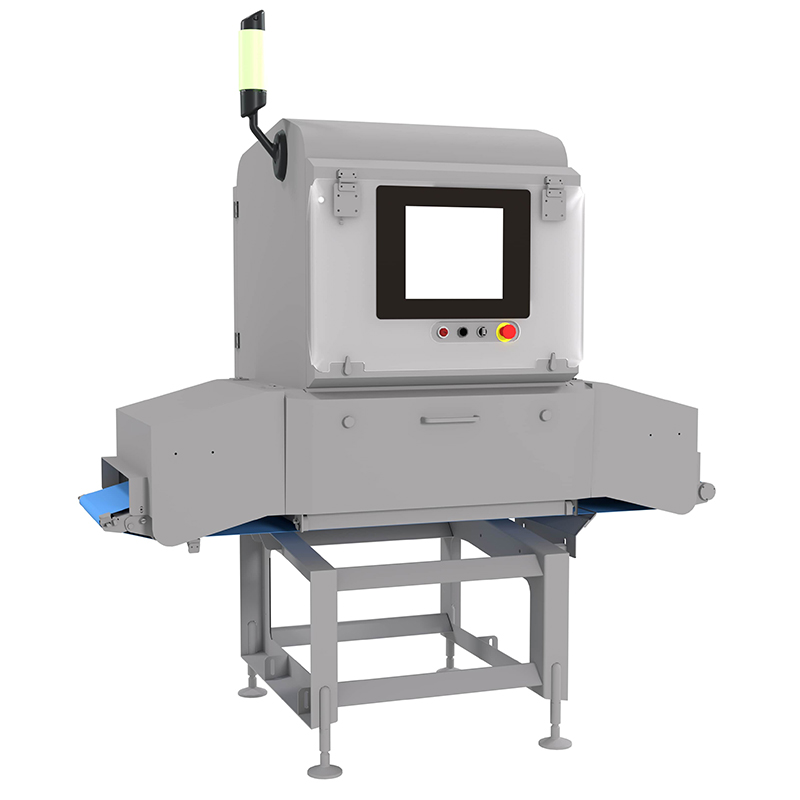
Chicken bone inspection, global poultry AI databas...
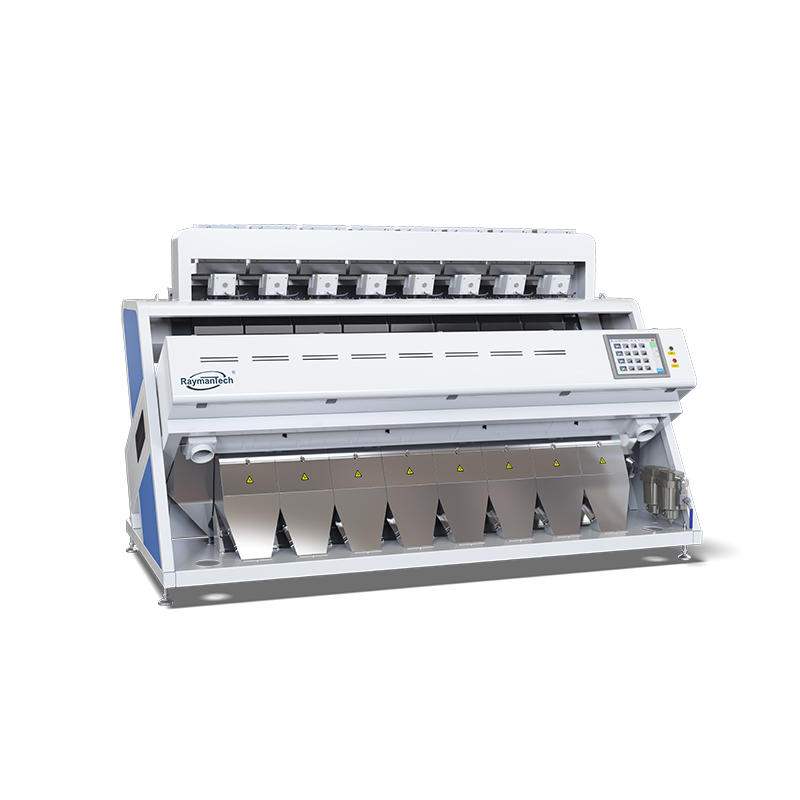
Recommedation: Rice, wheat, corn, grain, pulses, s...
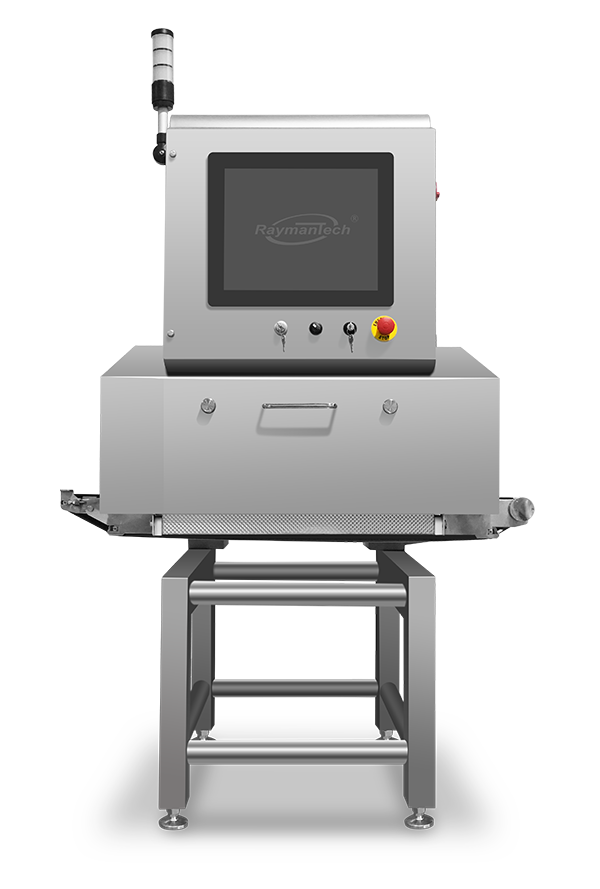
Ultra-fine contaminants detection, UHD X-Ray detec...
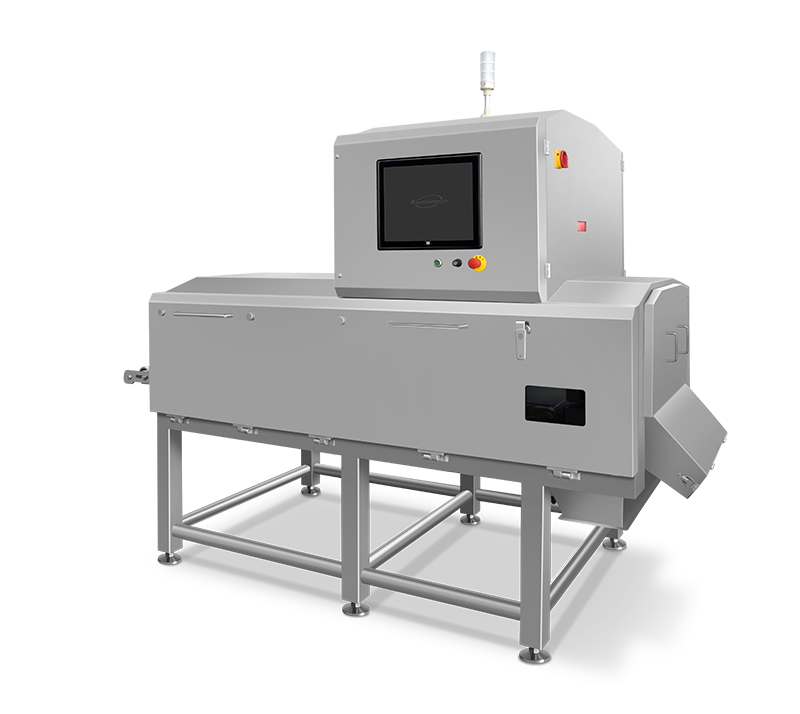
Conventional and unconventional contaminant detect...
Select the most popular foreign trade service products to meet your diverse needs
Select the most popular foreign trade service products to meet your diverse needs








User Comments
Service Experience Sharing from Real Customers
Carlos Silva
Production ManagerThis Brazil Nuts sorting machine has revolutionized our processing line. The accuracy in detecting and removing defective nuts is remarkable, and the speed has increased our output by 40%. A game-changer for our operation.
Elena Rodriguez
Quality Control SupervisorAs someone responsible for product quality, I'm thoroughly impressed. The machine's optical sorting technology consistently identifies imperfections we used to miss manually. It has significantly reduced our customer complaints about shell fragments.
James Wilson
Plant Operations DirectorThe automated sorting system has cut our labor costs substantially while maintaining excellent quality standards. The initial setup required some technical support, but once operational, it proved incredibly reliable. Minor interface improvements would make it perfect.
Maria Santos
Food Safety OfficerThis machine not only sorts by size and color but also effectively eliminates potential contaminants. The hygiene design is outstanding with easy-clean surfaces. It has helped us meet stringent international food safety standards with confidence.