 English EN
 中国 CN
中国 CN
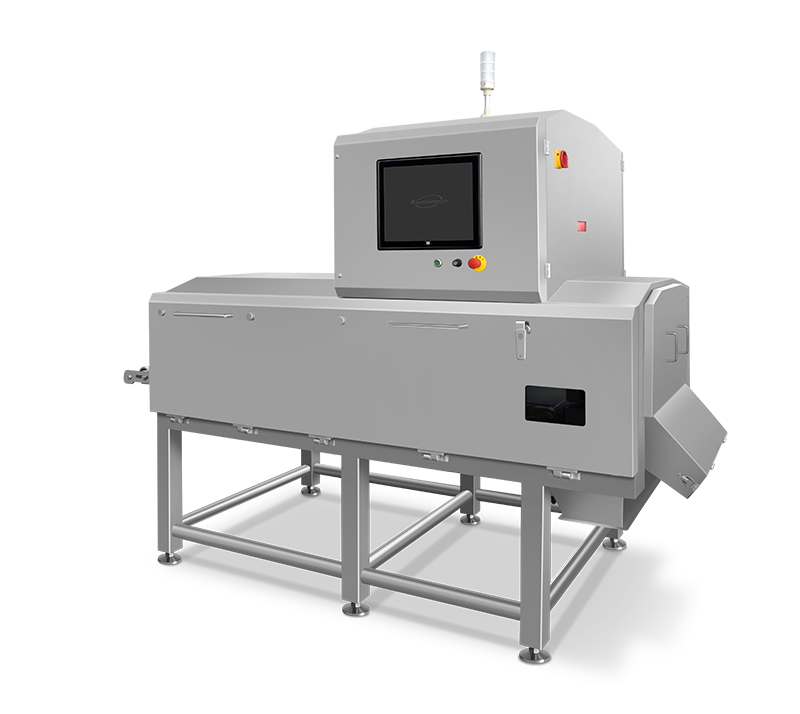
.png)

RaymanTech Whole-Chain Solution: A Deep Dive
Food safety and quality control demands have evolv...
More

An expert's dried mushrooms sorting solution prioritizes two non-negotiable rules. The first rule demands mushrooms be "cracker dry" before storage. Any remaining moisture is the primary enemy; it guarantees mold and spoilage. The second rule is using a completely airtight container. This container acts as a fortress, keeping the enemy out.
The container choice is a critical decision in the preservation process. An ideal container must provide an impenetrable, airtight seal to protect the dried fungi from their primary enemies: moisture and oxygen.
Glass mason jars represent the gold standard for mushroom storage. Their material properties make them uniquely suited for long-term preservation. A person choosing glass benefits from several key advantages.
Purity: Glass is non-toxic and non-reactive. It prevents any chemicals from leaching into the mushrooms.
Durability: The material does not degrade when storing foods, unlike some plastics.
Hygiene: A non-porous surface makes glass easy to clean thoroughly. It prevents the harboring of bacteria.
Integrity: Glass does not retain odors or stains from previous contents, ensuring the mushroom's flavor remains pure.
While glass is superior, other containers offer effective protection. Vacuum-sealed bags provide an excellent moisture barrier and remove nearly all oxygen, which significantly slows degradation.
| Feature | Vacuum Seal Bags |
|---|---|
| Air Protection | Superior (removes all air) |
| Light Protection | None (transparent) |
| Compact Storage | Excellent (reduces volume) |
| Reusability | Not reusable after sealing |
Expert Tip 💡 For maximum longevity, experts turn to Mylar bags. These bags block all light. Pairing them with an oxygen absorber creates the ultimate preservation environment, extending shelf life and protecting mushroom quality for years.
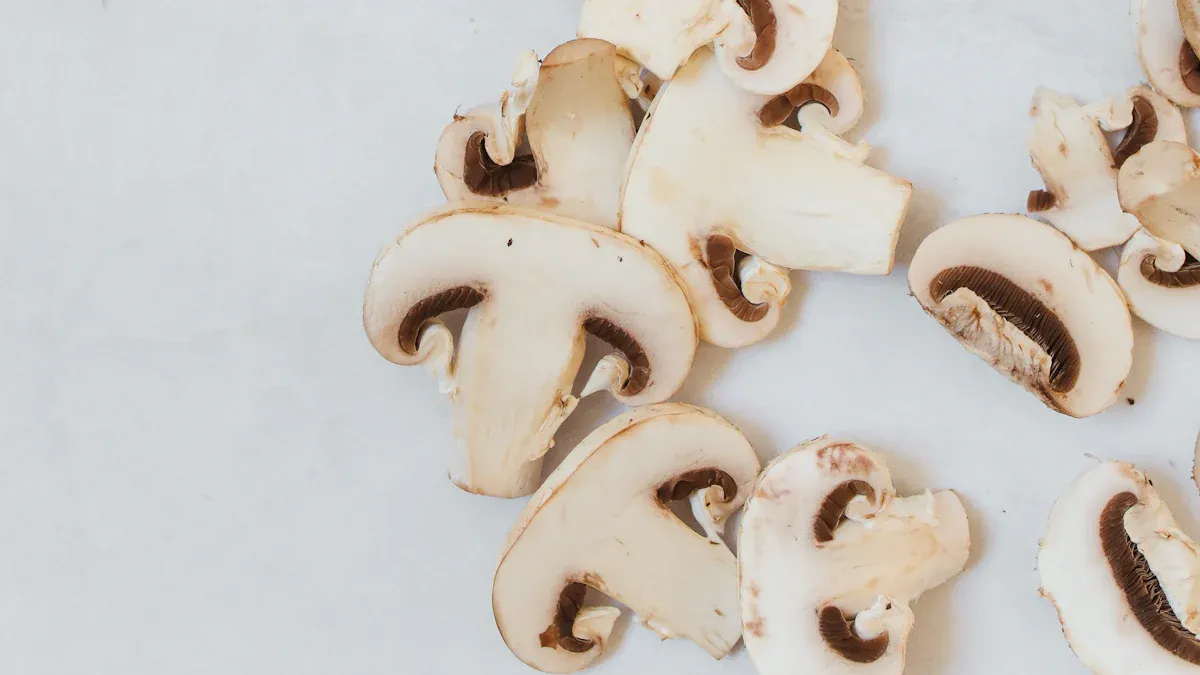
The term "cracker dry" is a literal standard, not a casual suggestion. It describes the physical state mushrooms must achieve for safe, long-term storage. Moisture, even in trace amounts, is a direct path to spoilage. A forager or chef must verify this state of absolute dryness before any mushroom goes into a jar. This simple physical test is the most reliable indicator of preservation readiness.
Visual inspection alone is insufficient to confirm dryness. The definitive method is the "snap test." A person should be able to snap a piece of the mushroom cleanly in two. The break should be crisp and decisive.
The Snap Test Litmus 🤏 A mushroom that bends, flexes, or feels leathery still contains moisture and will mold in storage. The snap should be audible, similar to breaking a dry cracker. If it bends, it fails the test.
This tactile feedback provides irrefutable proof that the mushroom's internal water content has been reduced to a safe level, making it inhospitable to mold and bacteria.
Even carefully dried mushrooms can sometimes retain hidden moisture that only reveals itself after jarring. A diligent preservationist performs follow-up checks to catch this issue early.
For the first month of storage, a person should follow a simple quality control protocol:
Regularly check the jars (e.g., twice a week) for any signs of condensation or fogginess on the glass.
If moisture appears and no mold has formed, the mushrooms require further drying.
Returning them to a food dehydrator for an additional few hours will remove the excess moisture.
Once cooled completely, they can be returned to a clean, dry jar for permanent storage.
The storage environment is just as important as the container. Dried mushrooms require a location that is cool, dark, and maintains a stable temperature. Fluctuations in temperature can create condensation inside the jar, reintroducing the primary enemy: moisture. Light, especially direct sunlight, degrades the mushrooms' color, flavor, and nutritional value over time.
A person should identify a suitable hideout that meets these specific conditions. The best locations are often overlooked spots within a home. A dark kitchen pantry, a cool basement, or an interior closet provides the necessary stability. These areas protect the jars from sunlight and the temperature swings common in a kitchen. The goal is to find a place where the environment remains consistent day after day.
The refrigerator seems like a logical choice for preservation, but it is a critical mistake for dried mushrooms. The cold, humid environment of a fridge actively works against long-term storage goals.
The Condensation Trap 💧 A refrigerator's high humidity can infiltrate packaging. This moisture ingress increases the mushrooms' water activity. Elevated water activity promotes microbial growth, which directly deteriorates the texture and compromises the safety of the product.
Furthermore, mushrooms are highly porous and absorb surrounding smells. Storing them in the fridge guarantees flavor contamination.
Mushrooms act like a sponge, absorbing strong odors from other foods.
Their delicate, earthy flavor profile can be ruined by proximity to items like onions or garlic.
Airtight containers help, but frequent opening in a fragrant environment still poses a risk.
A basic dried mushrooms sorting solution focuses on dryness and an airtight seal. An advanced dried mushrooms sorting solution incorporates tools to actively combat the two main agents of decay: oxygen and moisture. These additions elevate preservation from short-term storage to long-term investment protection.
Oxygen absorbers are small sachets that create an ideal preservation environment. They work through a simple chemical reaction. Iron powder inside the packet reacts with oxygen in the jar, forming harmless iron oxide. This process removes nearly all oxygen from the sealed container, halting the oxidative processes that degrade flavor, color, and nutrients. This upgrade is a cornerstone of a professional dried mushrooms sorting solution. A person can follow simple guidelines for their use.
Use one 100cc oxygen absorber for a standard quart-sized jar.
Add a second 100cc absorber if the jar has significant empty space.
These absorbers are versatile and also work well in vacuum-sealed bags.
This simple step dramatically extends the shelf life and quality of the stored fungi.
A desiccant is a substance that absorbs moisture from the air. While oxygen absorbers handle oxygen, a desiccant provides extra insurance against moisture. Uncooked rice is an effective and readily available desiccant for any dried mushrooms sorting solution. It helps capture any trace amounts of humidity that may remain in the jar.
DIY Desiccant Pouch 🍚 A person can place a tablespoon of uncooked white rice into a small, breathable pouch made of cheesecloth or a tea bag. Placing this pouch at the bottom of the jar before adding the mushrooms creates a simple system to maintain absolute dryness.
This low-cost addition helps buffer the mushrooms against any potential moisture ingress, keeping them cracker-dry for years.
Proper labeling transforms a simple jar of mushrooms into a well-managed pantry asset. A diligent forager understands that an unlabeled container is a mystery box of unknown age and origin. A clear label is the final step in a professional dried mushrooms sorting solution. It provides critical data for quality control, inventory management, and safe consumption. This practice ensures a person can track the age and quality of their stored fungi with precision.
A professional label contains more than just the mushroom's name. It captures essential data that informs future use. While home preservers do not need to follow full commercial regulations, adopting key principles elevates their storage system. A person should include several key details on every jar.
Name of the Food: The common name of the mushroom (e.g., "Morel," "Porcini"). This prevents dangerous mix-ups.
Date of Harvest: The month and year the mushrooms were picked and dried. This is the single most important data point for tracking freshness.
Location of Harvest: The general area where the mushrooms were foraged. This information is invaluable for foragers tracking productive spots year after year.
The Right Tool for the Job ✍️ A permanent marker on tape can fade or peel. For a truly durable and reusable system, experts use a grease pencil, also known as a China marker. The wax-based lead writes directly on glass and withstands moisture and temperature changes. The markings will not smudge or wash off, yet a person can easily remove them with a dry cloth for relabeling the jar next season.
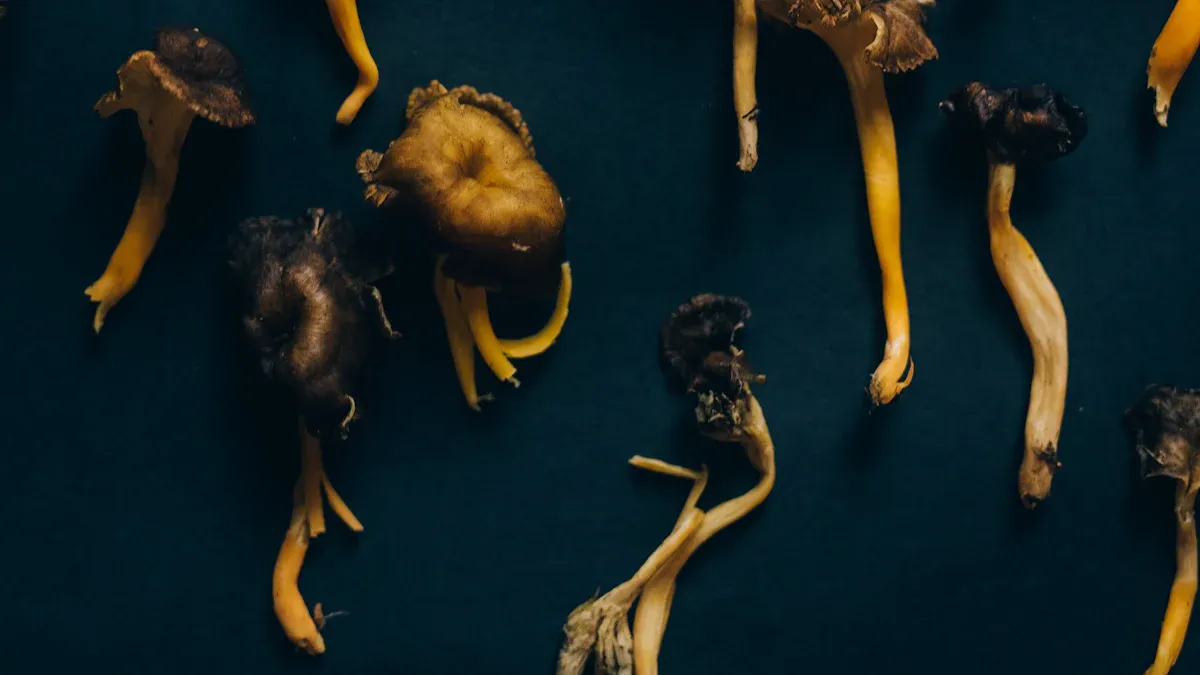
A common mistake in a novice dried mushrooms sorting solution is combining different species into one large "mixed mushroom" jar. A professional preserver avoids this practice entirely. Storing each variety in its own dedicated container is essential for maintaining the integrity and culinary value of the harvest. This separation ensures that the unique characteristics of each mushroom are protected from flavor contamination. A person who sorts carefully preserves the full potential of their collection.
Each mushroom species possesses a distinct flavor profile, a unique signature shaped by its genetics and environment. Mixing them is a culinary disservice. It creates a muddled, generic "mushroom" taste, sacrificing the specific notes that make each variety special. A forager who keeps them separate can enjoy the full spectrum of flavors their harvest offers.
Morels: Offer a deep, nutty, and uniquely earthy flavor.
Porcini (King Boletes): Provide a rich, savory, and almost meaty character.
Chanterelles: Are prized for their delicate, fruity notes, often compared to apricots.
Black Trumpets: Deliver a smoky, truffle-like richness.
The Flavor Integrity Rule 🍄 A person would not store oregano and basil in the same spice jar. The same logic applies to dried mushrooms. Preserving the individual character of each species is the hallmark of an expert. This separation allows a chef to precisely control the flavor of a dish, using the right mushroom for the right purpose.
This disciplined approach to sorting is a non-negotiable part of a superior dried mushrooms sorting solution. It protects the investment of time and effort made during the hunt and harvest.
A professional dried mushrooms sorting solution does not end once the jar is sealed. Diligent preservers conduct periodic inspections to ensure their collection remains in perfect condition. These routine checks are the final line of defense, catching any potential issues before they ruin an entire batch. A person should plan to inspect their jars every few months to confirm the long-term stability of their stored fungi.
A quality inspection relies on two primary senses: sight and smell. A person must first look for any visual signs of spoilage. Properly dried mushrooms should look and feel brittle. Any deviation from this state warrants a closer look.
Mold: Green, blue, or black patches are clear signs of contamination. A person must discard any mushrooms with these molds.
Texture: A slimy or mushy texture indicates moisture has compromised the mushrooms.
Smell: The most reliable indicator is odor. A sour, musty, or off-putting smell confirms spoilage.
Fresh, well-preserved mushrooms should only have a mild, pleasant, earthy aroma. Any other smell means the contents are no longer safe or desirable for consumption.
The shelf life of dried mushrooms is a measure of peak quality, not just safety. When stored using professional methods, dried mushrooms are safe to eat for many years. However, their potent flavor and aroma will gradually diminish over time. A preservationist's goal is to lock in that peak quality for as long as possible.
The One-Year Peak ⏳ For maximum flavor impact, a person should aim to use their dried mushrooms within one year of storage. While they can last for 2-3 years or more, the first year is when their culinary character is at its most vibrant and complex.
Following a meticulous dried mushrooms sorting solution ensures a person can enjoy a high-quality product well beyond the first year, protecting their foraging investment.
A person's key to perfectly preserved mushrooms comes down to three simple rules. First, a preserver ensures the fungi are completely "cracker dry." Second, they seal them inside an airtight glass container. Third, they find a cool, dark, and dry place for storage. Following these steps protects the investment and guarantees maximum flavor for years.
Yes, a food dehydrator is the ideal tool. A person can run it for a few hours at a low temperature. This method safely removes any remaining moisture before storage.
A person must discard the entire jar's contents immediately. Mold spores can spread invisibly throughout the container. This action prevents the risk of consuming contaminated fungi and protects personal health.
A grease pencil's wax marking resists moisture and fading. It writes directly on glass. A person can easily wipe the marking off with a dry cloth for

We provide you with comprehensive foreign trade solutions to help enterprises achieve global development
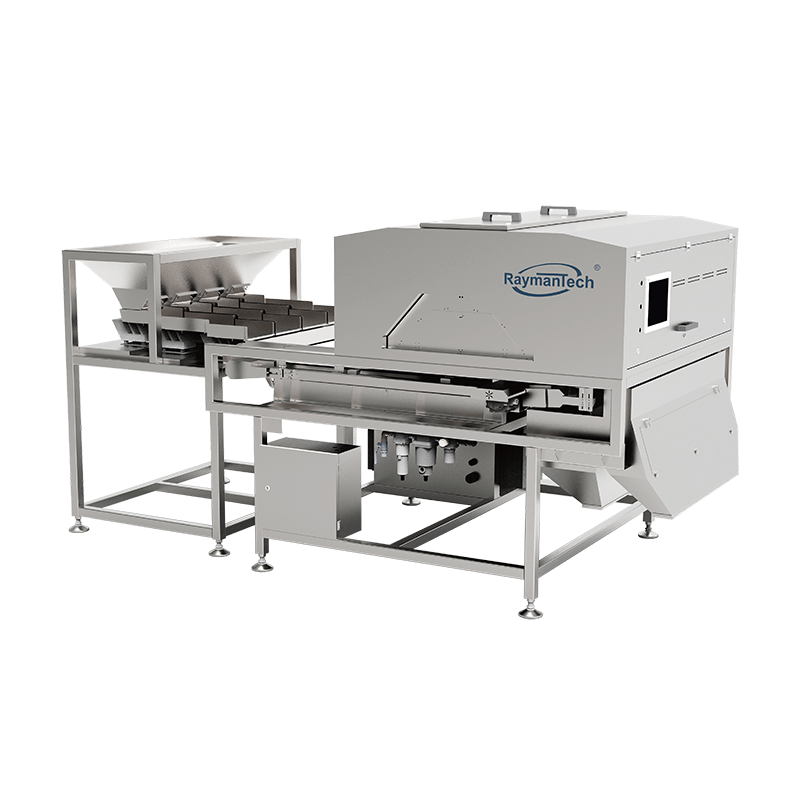
Recommedation: Small particle, flat products such...
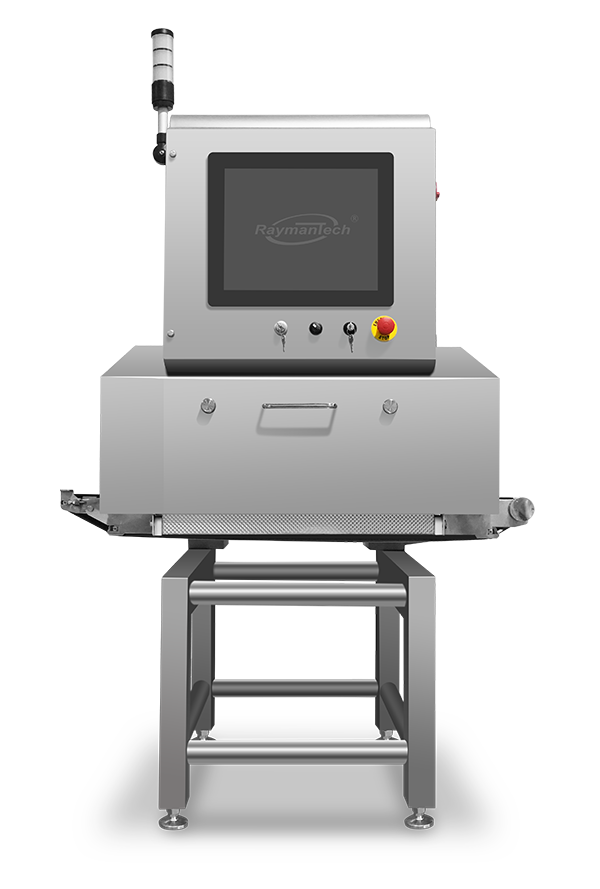
Ultra-fine contaminants detection, UHD X-Ray detec...
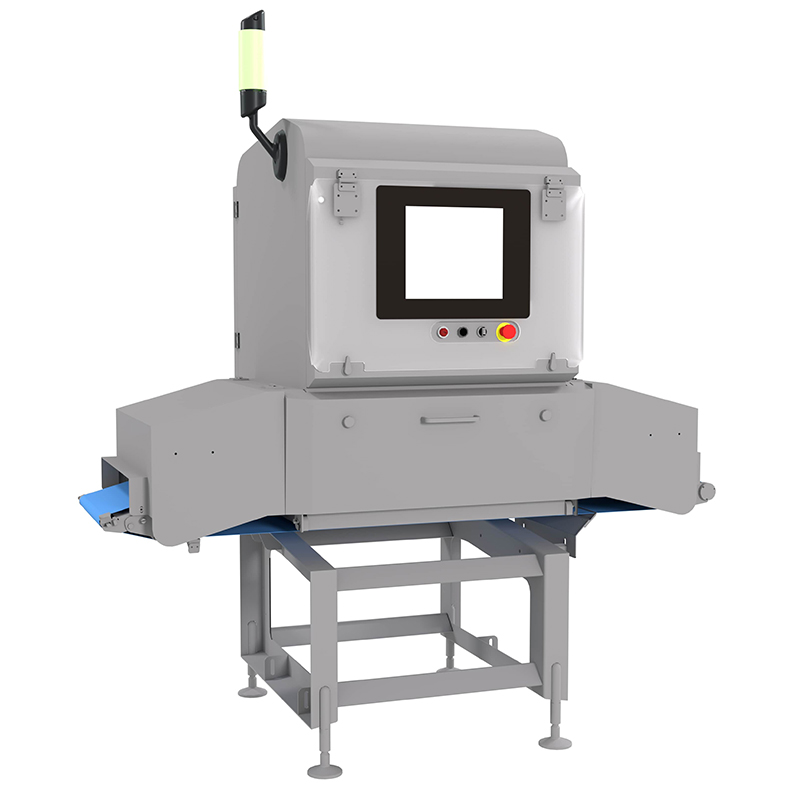
Both fat analysis and contaminant inspection (bone...
.png)
Glass-in-glass / Metal-in-metal inspection, small ...
Select the most popular foreign trade service products to meet your diverse needs
Select the most popular foreign trade service products to meet your diverse needs





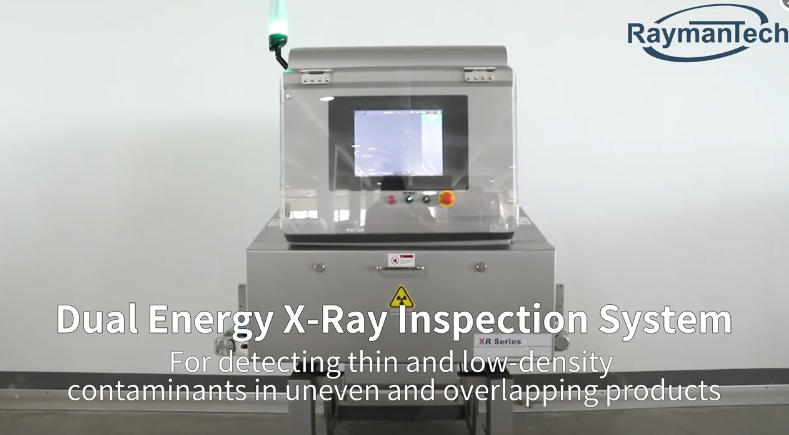



User Comments
Service Experience Sharing from Real Customers
Robert Chen
Production ManagerThis dried mushrooms sorting solution has revolutionized our processing line. The accuracy in sorting by size and quality is exceptional, reducing our waste by over 30%. The automated system integrates seamlessly with our existing equipment.
Sarah Johnson
Quality Control SupervisorHighly efficient system that significantly improved our sorting speed and consistency. The optical sorting technology effectively identifies and removes defective mushrooms. The only minor issue was the initial setup required some technical support.
Michael Rodriguez
Operations DirectorOutstanding investment for our mushroom processing facility. The machine's precision in grading dried mushrooms has enhanced our product quality and increased customer satisfaction. The user-friendly interface makes operation straightforward for our staff.
Jennifer Wang
Plant ManagerThis sorting solution exceeded our expectations. The system handles large volumes of dried mushrooms with remarkable efficiency and minimal maintenance requirements. It has significantly reduced our labor costs while improving sorting accuracy.