 English EN
 中国 CN
中国 CN
.png)

Comprehensive Introduction to IP69K Protection Rating — The Gold Standard for Equipment in Meat and Food Processing Environments
Why do IP65/IP67 fail in food plants? Discover the...
More

The global dried tomato market is expanding, driving a need for advanced processing methods. Market projections highlight this consistent growth:
| Metric | Value |
|---|---|
| Market Size in 2022 | USD 1.39 Billion |
| Market Size by 2030 | USD 1.91 Billion |
| Growth Rate (2023-2030) | CAGR of 4.10% |
An AI-powered dried tomatoes sorting solution delivers superior accuracy and speed. Yet, producers must weigh these benefits against the substantial upfront investment and technical expertise required for implementation.
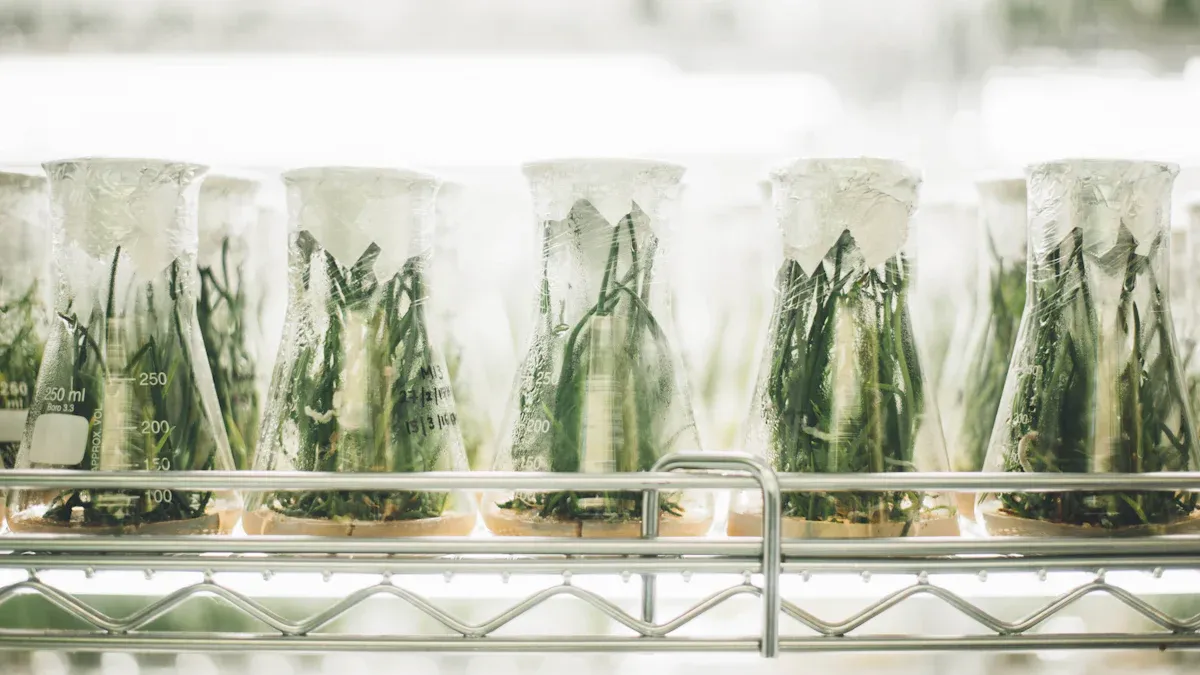
Artificial intelligence transforms dried tomato processing from a labor-intensive task into a highly efficient, data-driven operation. An AI-powered dried tomatoes sorting solution elevates production standards by delivering superior accuracy, unwavering consistency, and remarkable speed. These advancements directly boost both product quality and overall factory throughput.
Human inspectors can miss subtle defects, especially over long shifts. AI systems, however, identify imperfections with superhuman precision. They use advanced imaging and data analysis to detect issues invisible to the naked eye. This ensures only the highest quality products reach the consumer.
AI leverages sophisticated technologies to differentiate between good products and those with defects like mold, discoloration, or foreign materials. Key methods include:
Pictorial Data: Techniques like hyperspectral imaging (HSI) and X-ray imaging create detailed visual maps of each tomato. These methods reveal tiny imperfections, stains, or deformities that would otherwise go unnoticed.
Spectral Data: Near-infrared (NIR) spectroscopy analyzes the chemical composition of the tomatoes. This method detects subtle changes in food structure, identifying issues like early-stage mold with high precision.
Combining techniques such as K-mean clustering with Artificial Neural Networks (ANN) allows AI to achieve exceptional results. For example, specific models have demonstrated 99.66% accuracy in identifying early cottony mold, a common and costly defect. This level of accuracy drastically reduces the risk of contaminated batches and improves food safety.
Manual sorting quality often fluctuates. Worker fatigue, varying skill levels, and subjective judgment can lead to inconsistent results. AI sorters eliminate these variables entirely. They operate continuously without a decline in performance, applying the exact same quality standards to every single tomato, day or night.
This consistency is a major advantage for large-scale producers. It guarantees that the final product meets brand specifications every time, strengthening consumer trust and brand reputation. An AI system performs its duties with the same high level of diligence at the end of a 24-hour cycle as it does at the beginning. This reliability ensures a uniform output that manual inspection simply cannot match.
Speed is critical in meeting market demand. AI-driven sorting systems operate at speeds far exceeding human capabilities, significantly increasing production throughput. Automated systems process and sort items with incredible efficiency, which shortens order fulfillment cycles. Faster processing means producers can handle larger volumes, respond quickly to new orders, and reduce the time from harvest to market.
This enhanced speed has a direct impact on operational efficiency and profitability. By automating repetitive sorting tasks, companies can reallocate their workforce to more complex roles like quality control oversight or machine maintenance.
One company, Kookaburra, implemented an automated sorting system and reduced its reliance on labor by 65%. The system increased sorting rates to 2,400 items per hour, leading to a remarkable 470% cost reduction per order.
This example shows how a dried tomatoes sorting solution can streamline the entire workflow. AI-powered systems can process significantly more orders per hour, a crucial advantage during peak demand periods. This automation not only boosts speed but also minimizes errors, leading to faster shipments and higher customer satisfaction.
Adopting AI technology represents a significant strategic and financial decision for any producer. While the benefits are compelling, companies must first navigate the considerable costs of implementation. A thorough financial analysis reveals the initial expenses, potential long-term returns, and direct operational savings.
The primary barrier to adopting AI in sorting is the substantial upfront capital required. This investment extends beyond the physical machinery to include sophisticated software, system integration, and specialized hardware. Producers must budget for several key cost components.
Software licensing is a major factor. Companies can choose from various payment models depending on the vendor and their operational needs.
Subscription: A recurring monthly or annual fee provides access to the software and updates.
One-time License: A single, large payment grants perpetual use of the software.
Pay-as-you-go: Costs are based on usage, such as the volume of data processed.
Freemium: Basic features are available for free, but advanced functionalities require payment.
Initial system setup costs can start from $5000 and increase based on the complexity of the installation. Furthermore, integrating specialized hardware like 'Edge GPU devices' adds to the initial expenditure. While pre-trained software can help lower some upfront costs, the total investment remains a significant consideration for most businesses.
A comprehensive Return on Investment (ROI) calculation looks beyond immediate cost savings. The true value of a dried tomatoes sorting solution emerges from gains in efficiency, yield, and data-driven optimization over time. AI systems generate returns by fundamentally improving the sorting process. They enhance material flow, increase product spread on conveyors, and reduce entanglement, which directly boosts sorting accuracy and minimizes downtime.
Producers can achieve exceptional results with systems designed for AI. Custom-engineered conveyors and transfer points enable AI sorters to reach up to 99% accuracy. This precision significantly increases yield by ensuring that good products are not accidentally discarded. The data generated by these systems offers immense value for process optimization.
“Greyparrot allows us to gather a lot of valuable information from our sorting facilities and enhance our knowledge of packaging, sorting technologies and the sorting yield of the installation.”
Vincent Mooij, Director of SUEZ.circpack®, now part of Veolia Group
For example, one facility installed AI analyzers on its infeed and product lines. This allowed operators to measure valuable material at the beginning and end of the process, giving them a clear picture of sorting yield. Another company used AI data to balance its infeed blend. This change reduced the valuable material lost in its residue line by 18%, preventing an estimated £8.2 million loss over five years. Operators can now make frequent adjustments to maintain stable and efficient throughput. This level of insight transforms operations from reactive to predictive.
Automation directly addresses two of the most significant operational expenses: manual labor and the cost of human error. AI sorters operate 24/7 without fatigue, reducing the reliance on a large workforce for repetitive sorting tasks. This allows companies to reallocate employees to higher-value roles, such as system maintenance and quality assurance management.
More importantly, AI drastically cuts down on costly mistakes. Industry reports show that AI implementation can reduce error-related rework by as much as 50%. In food processing, a single sorting error can lead to a contaminated batch, a product recall, or customer complaints. These events carry direct costs and can cause lasting damage to a brand's reputation.
The financial impact of error reduction is clear. One logistics company, for instance, attributed 2% of its total savings to the reduction of picking and shipping mistakes. For a dried tomato producer, this translates to fewer costs from returns processing, wasted product, and reshipping. By ensuring only correctly sorted products leave the facility, AI minimizes these preventable losses and protects the company's bottom line.
While AI offers powerful advantages, its implementation introduces significant operational complexity. Producers must prepare for the technical demands of installing, maintaining, and adapting these sophisticated systems. Success requires a dedicated team with specialized knowledge.
AI sorting systems demand a high level of technical expertise for both installation and ongoing operation. Engineers and technicians need advanced skills to manage the hardware and software. They must be ableto troubleshoot firmware, understand fieldbus protocols, and manage precise mechanical tolerances. Routine maintenance is also crucial for preventing breakdowns and ensuring consistent performance. Daily and weekly tasks often include:
Cleaning cameras and sensors
Updating system software
Performing regular inspections
Beyond the hardware, operator training presents another operational challenge. Staff must receive specific instruction to interact with the system effectively, even for routine tasks.
An AI's effectiveness depends entirely on the quality of its training. The algorithm learns to identify defects by analyzing a vast library of images. For example, one computer vision system for tomato sorting learned from over a thousand real images gathered from fields and factory floors. This dataset taught the AI to distinguish ripe tomatoes from unripe ones and to spot foreign materials like soil or rocks. Another model used a dataset of 2,145 images captured under different lighting conditions to improve its accuracy. A robust and diverse dataset is essential for building a reliable sorting model.
A key technical challenge is the system's adaptability to new products. While an AI is trained for a specific task, its underlying technology can be flexible. This concept is proven in other industries, where single AI systems sort diverse materials.
| Company/Facility | Location | AI System Application | Types of Products Sorted |
|---|---|---|---|
| SITE ZERO | Motola, Sweden | Smart sorting technology | Mixed plastic packaging into 12 fractions |
| AMP ONE Cleveland | Cleveland, Ohio | AI-powered sortation | Recyclables, including custom streams by color |
These examples show that AI can handle significant variation. A well-designed dried tomatoes sorting solution could potentially be retrained to handle new tomato varieties or other dried products, maximizing the long-term value of the investment.

Selecting the right AI system is a critical decision that shapes future operational success. Producers must analyze how data can refine their processes, carefully vet potential vendors, and prepare their teams for the technological shift. A strategic approach ensures the chosen solution aligns with long-term business goals.
AI sorters do more than just separate good products from bad. They are powerful data collection tools that provide deep insights into the production line. This data allows operators to move from reactive fixes to proactive process optimization. Key data points include:
Quality: The system identifies specific defects like surface cracks, color inconsistencies, and internal flaws.
Size: It collects dimensional data across the full range of products.
Defect Rates: The AI logs and categorizes every defect, assigning severity scores to analyze trends and predict quality issues.
By analyzing this information, managers can pinpoint the root causes of defects and make targeted improvements to upstream processes, boosting overall yield and consistency.
The market offers a range of sophisticated sorting technologies from leading manufacturers. Companies like TOMRA, Bühler, and Cimbria provide advanced systems powered by proprietary AI software. For example, TOMRA’s LUCAi platform and Cimbria’s BRAIN™ software use deep learning to achieve exceptional accuracy. When comparing vendors, producers should look for a true partner, not just a supplier. Key evaluation criteria include software usability, hardware reliability, and the quality of customer support. A vendor should offer seamless integration with existing infrastructure and provide dedicated support after implementation.
A successful transition to a dried tomatoes sorting solution depends on team buy-in and proper training. Resistance to change is common, so open communication about the benefits of automation is essential.
Best Practice: Implement the system in phases. This approach allows teams to adapt gradually and helps identify potential issues before a full-scale rollout.
Role-based training is crucial for building confidence and competence.
Operators should learn daily checks and exception handling.
Technicians need training on calibration and preventive maintenance.
Comprehensive onboarding ensures the team can use the new technology effectively, fostering engagement and maximizing productivity from day one.
AI sorting is a game-changer for large-scale producers, where gains in efficiency and data insights justify the investment. Smaller operations must conduct a careful cost-benefit analysis, weighing the high initial expense against long-term quality improvements and labor savings. Ultimately, adopting AI is a strategic decision that hinges on production volume, quality standards, and long-term business goals.
AI delivers superior accuracy and consistency. It identifies subtle defects, reduces human error, and operates 24/7. This process ensures high-quality output and improves overall food safety.
Yes, the initial investment is a primary barrier. Costs include machinery, software licenses, system integration, and specialized hardware. Producers must budget for these significant upfront expenses.
AI automates repetitive sorting tasks. This allows companies to reallocate employees to higher-value roles. These roles include system maintenance, quality assurance management, and data analysis.

We provide you with comprehensive foreign trade solutions to help enterprises achieve global development
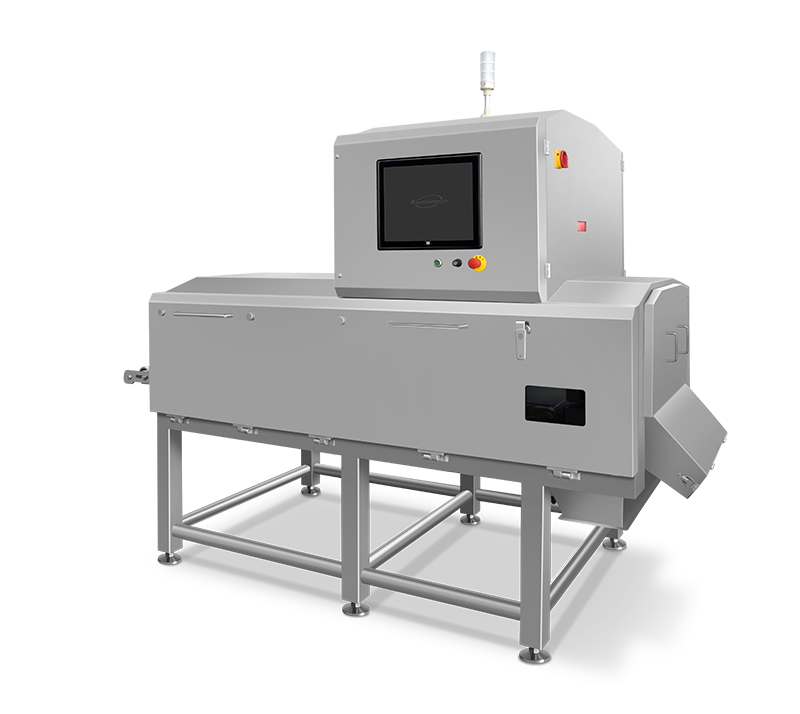
Conventional and unconventional contaminant detect...
High cost performance, compact design, high sensit...
.png)
Glass-in-glass / Metal-in-metal inspection, small ...
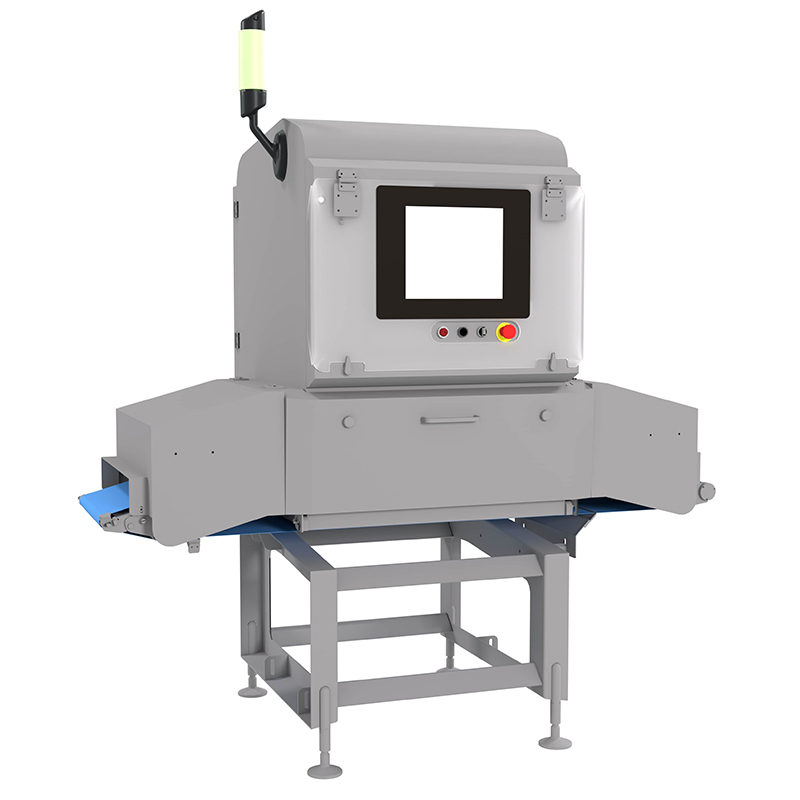
Uneven and overlapped product detection, thin & lo...
Select the most popular foreign trade service products to meet your diverse needs
Select the most popular foreign trade service products to meet your diverse needs









User Comments
Service Experience Sharing from Real Customers
Michael Rodriguez
Production ManagerThis dried tomatoes sorting solution has revolutionized our production line. The accuracy and speed are exceptional, reducing our waste by over 30%. The automated system integrates perfectly with our existing setup.
Sarah Chen
Quality Control SupervisorOutstanding sorting performance! The system consistently identifies and removes defective tomatoes with 99% accuracy. The user interface is intuitive and the maintenance requirements are minimal. Highly recommended for any dried fruit processing facility.
David Thompson
Operations DirectorImpressive sorting solution that has significantly improved our efficiency. The color and size sorting capabilities are excellent. The only minor issue was the initial setup time, but the technical support team was very helpful.
Jennifer Williams
Plant ManagerThis sorting machine has been a game-changer for our dried tomato operation. The throughput is remarkable and the consistency in quality output is exactly what we needed. The return on investment was achieved much faster than anticipated.