 English EN
 中国 CN
中国 CN

Revolutionizing Quality Control with Advanced Hazelnuts Sorting Machines
Advanced nut sorting machine technology combines H...
More

Selecting the right dried zucchini sorting machine requires a clear process. Processors first assess their production capacity and define quality standards. They then match their needs with a machine offering the correct sorting technology, like optical or X-ray. Finally, a thorough evaluation of the total cost of ownership ensures a strong return on investment.
A thorough assessment is the first step toward selecting the ideal sorting equipment. Processors must analyze their current operations and future goals. This evaluation forms the foundation for a successful investment.
Processors first quantify their production volume. They measure this in kilograms or tons per hour. This figure determines the required throughput for a dried zucchini sorting machine. A small-scale operation has different needs than a large industrial facility. Matching machine capacity to production flow prevents bottlenecks and maximizes efficiency.
Next, a company defines its quality benchmarks. These standards dictate the sorting technology needed. Key quality attributes for dried zucchini include:
Color: Rejecting pieces that are overly brown or discolored.
Defects: Removing blemishes, spots, or insect damage.
Foreign Material: Eliminating stones, plastics, or other contaminants.
Pro Tip: Top-grade dried zucchini has a moisture content of 10% or less. At this level, the product is brittle enough to shatter when struck, ensuring shelf stability and preventing microbial growth.
Smart businesses plan for expansion. The processed vegetable market shows strong growth potential, with some analysts forecasting a compound annual growth rate (CAGR) as high as 9.50% through 2032. Other projections suggest a steady 3.72% CAGR. Processors should choose a scalable dried zucchini sorting machine. This foresight accommodates rising demand without requiring a complete system overhaul later.
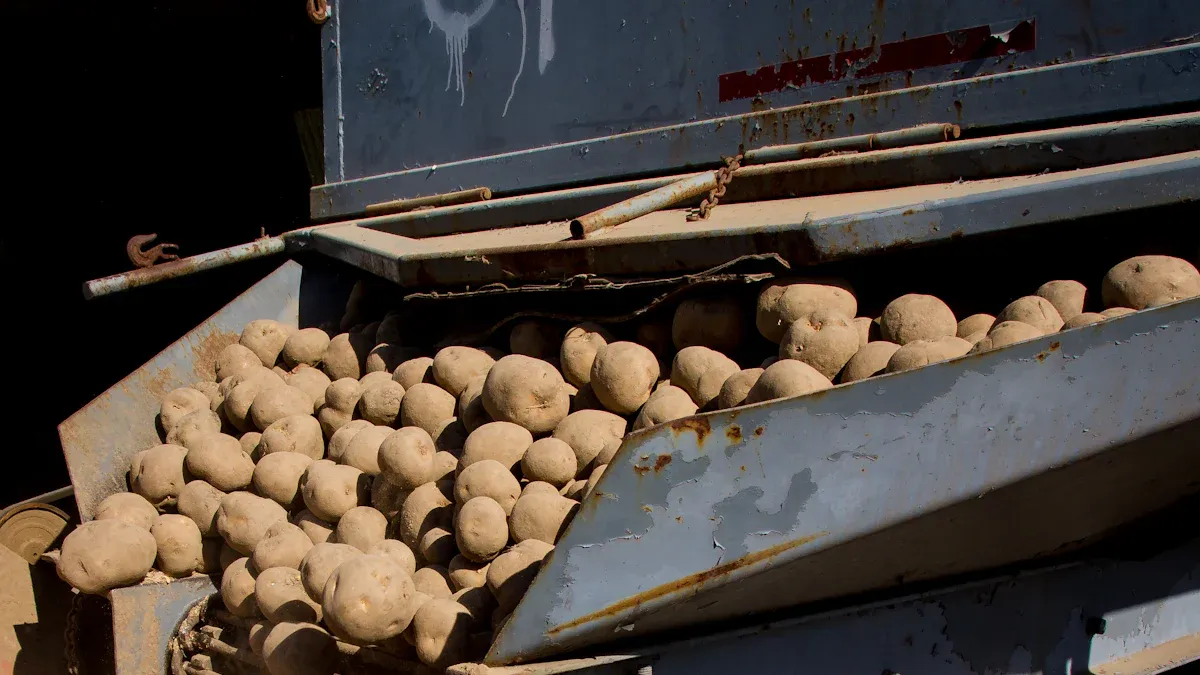
Processors select a sorting technology based on the specific defects they need to remove. Each system uses a unique method to inspect the product stream and ensure final quality. Understanding these differences is key to making the right investment.
Optical sorters are the frontline defense for aesthetic quality. These machines use high-resolution cameras and specialized lighting to analyze every piece of dried zucchini. The system compares each piece to pre-defined quality standards for color and texture. When a sorter identifies a discolored, burnt, or blemished piece, it signals an intelligent ejection system to remove the defect from the product flow. This automation delivers significant advantages.
Enhanced Product Quality: Sorters eliminate human subjectivity and error. This ensures a consistent final product free from undesirable colors or spots.
Increased Efficiency: The automated process handles large volumes rapidly. This boosts productivity and saves on manual labor costs.
Greater Marketability: A visually appealing and uniform product builds consumer trust and strengthens brand reputation.
Modern sorters often possess a 'Multi-Sorting Capability'. This allows them to check for color, shape, and size defects simultaneously, improving overall efficiency.
Product uniformity is a critical factor for many buyers, especially in packaged goods. Shape and size sorters ensure that every piece of dried zucchini meets specific dimensional criteria. These systems can operate using advanced cameras or mechanical screens. They effectively remove misshapen pieces, broken fragments, or items that are too large or small. Combining shape sorting with color sorting in a single machine creates a powerful quality control station. This integrated approach allows processors to grade products with high precision, removing off-color, misshapen, and improperly sized items in one pass.
X-ray sorters provide the highest level of food safety assurance. Unlike optical systems that see surfaces, X-ray technology inspects products based on density. This allows a dried zucchini sorting machine to detect and remove hazardous contaminants that may be embedded within the product itself. Optical sorters cannot find these dense foreign materials.
X-ray systems excel at identifying a wide range of contaminants, including:
Metal fragments (ferrous, non-ferrous, and stainless steel)
Stones, sand, and dense soil clumps
High-density plastics and rubber
Shards of glass or ceramic
The precision of modern X-ray technology is remarkable. High-resolution systems can detect contaminants of varying sizes, ensuring even the smallest fragments are removed.
| Technology | Material Detected | Minimum Detectable Size |
|---|---|---|
| Eagle™ with PXT® | Bone Fragments | Down to 1mm |
| ABM with Eagle™ | Foreign Material Fragments | Down to 0.3mm |
Safety and Compliance Note: Processors can deploy X-ray systems with complete confidence. The U.S. Food and Drug Administration (FDA) strictly regulates food inspection equipment under regulation
21 CFR 1020.40. These systems must adhere to stringent emission standards and are a critical control point for Hazard Analysis and Critical Control Points (HACCP) compliance, making them safe and essential for modern food production.
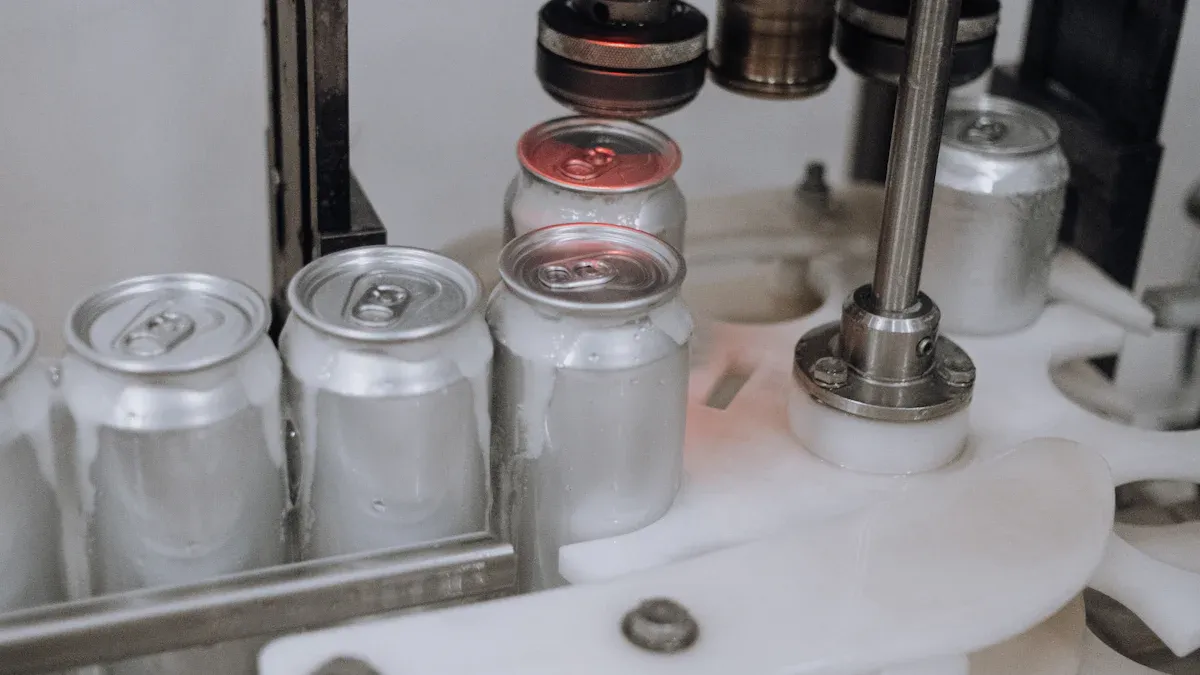
Beyond core technology, processors must scrutinize the specific features that define a machine's daily performance and long-term value. The right dried zucchini sorting machine combines powerful technology with practical, user-focused design. Key areas for evaluation include the ejection system, software interface, and overall construction.
The ejection system is responsible for physically removing defects from the product stream. The two primary types are compressed air jets and mechanical fingers. Compressed air systems, especially when enhanced with AI, offer high throughput and sorting efficiency, making them ideal for bulk processing. Mechanical ejectors provide superior precision but operate at lower speeds. This makes their cost-per-pick significantly higher than air ejection systems. For fine particle sorting, precise calibration between the detection and ejection systems is critical to ensure accuracy.
Modern sorting machines rely on sophisticated software to operate. An intuitive interface is essential for operators to manage sorting parameters effectively. Processors should look for software that simplifies complex tasks. Key usability features include:
Custom Sort Codes: The ability to define unique sort codes and assign them to different output lanes using a simple drag-and-drop interface.
Saved 'Recipes': The option to create and save sorting configurations as 'recipes'. This allows operators to switch settings quickly for different product batches or seasonal quality variations.
Food safety is non-negotiable. A sorter's design must facilitate easy and thorough cleaning to prevent microbial growth and cross-contamination. Processors should prioritize machines with open-frame construction, sloped surfaces, and stainless steel components. These features eliminate areas where product debris and water can accumulate. Easy access to all components simplifies routine maintenance and sanitation, reducing downtime and ensuring compliance with food safety standards.
Design Insight: Look for machines with an IP65 rating or higher. This certification indicates the enclosure is protected against dust ingress and low-pressure water jets from any direction, which is essential for washdown environments.
A successful purchase decision balances initial cost with long-term performance and support. Processors must look beyond the sticker price to evaluate the true value of the equipment over its entire lifecycle. This final evaluation phase ensures a reliable and profitable investment.
The initial purchase price is only one part of the investment. A comprehensive TCO calculation provides a more accurate financial picture. Processors should analyze all ongoing expenses associated with the machine. Key factors include:
Energy consumption during operation
Material waste, including good product incorrectly ejected
Frequency and cost of scheduled maintenance
Analyzing these variables helps a company understand the long-term financial impact and ensures a stronger return on investment.
Processors should never purchase a sorter without seeing it in action. A live demonstration using their own dried zucchini is essential. This trial allows them to validate the machine's performance against marketing claims. During the demo, teams should monitor key performance indicators (KPIs) through real-time analytics dashboards. Important metrics to evaluate include:
Overall Equipment Effectiveness (OEE)
Productivity and downtime rates
Quality control accuracy
This hands-on testing provides concrete data for making an informed decision.
A reliable vendor is a long-term partner. Processors must scrutinize the vendor's service level agreement (SLA) to understand their commitment to support. The SLA should clearly define performance metrics, response times, and penalties. Key terms often include:
| Metric | Description |
|---|---|
| Recovery Time Objective (RTO) | The maximum time allowed to restore service after a failure. |
| Recovery Point Objective (RPO) | The maximum acceptable data loss during an outage. |
| Uptime | The percentage of time the service is available and operational. |
A strong SLA, coupled with readily available spare parts, minimizes potential downtime and protects production schedules.
Selecting the right dried zucchini sorting machine hinges on a clear assessment of capacity, quality needs, and budget. Processors match primary defects like discoloration or foreign material to the correct technology. Advanced sorting recovers good products from waste streams, boosting yield. Consistent quality strengthens brand reputation and opens premium market opportunities.
Final Checklist ✅
Assess production needs.
Select the right technology.
Evaluate machine features.
Calculate the total cost.
Processors most frequently use optical sorters. These machines excel at identifying and removing pieces with color defects or surface blemishes, ensuring a premium final product.
Yes, combination systems are available. Processors can invest in machines that integrate optical and X-ray technologies. This provides comprehensive quality control in a single, efficient pass.
Sorters increase yield by recovering good product from the reject stream. They also reduce manual labor needs and ensure consistent quality, which strengthens brand value and market access.

We provide you with comprehensive foreign trade solutions to help enterprises achieve global development
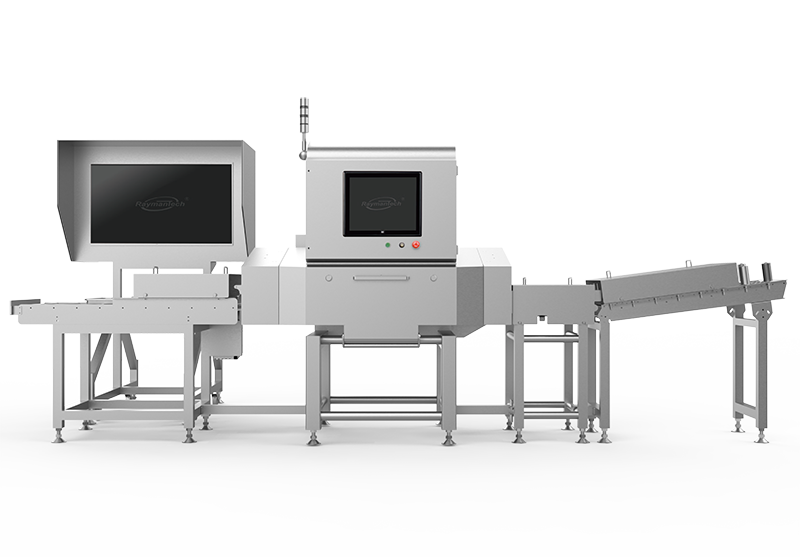
Automatic recognition and rejection, fish bone ins...
.png)
Recommedation: Aquatic products, pet food, candy, ...
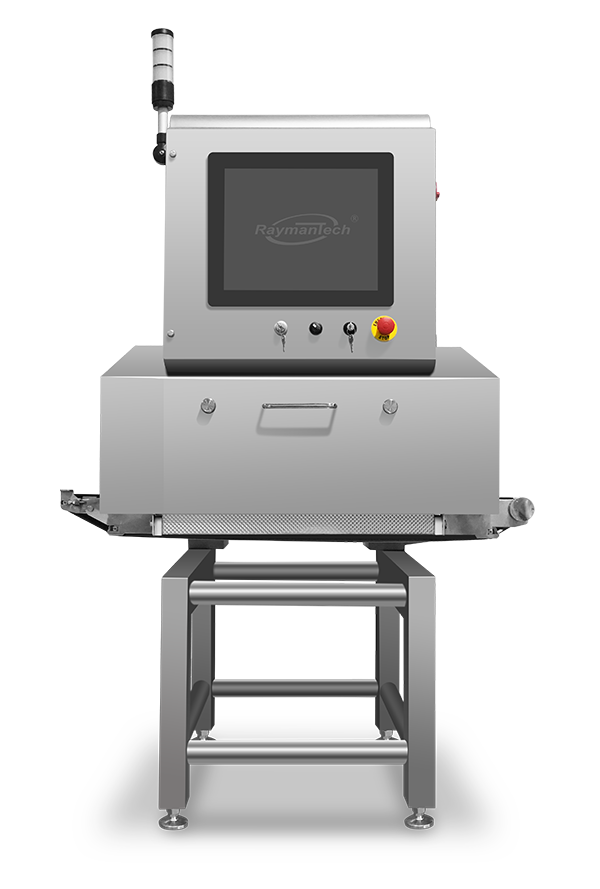
Ultra-fine contaminants detection, UHD X-Ray detec...
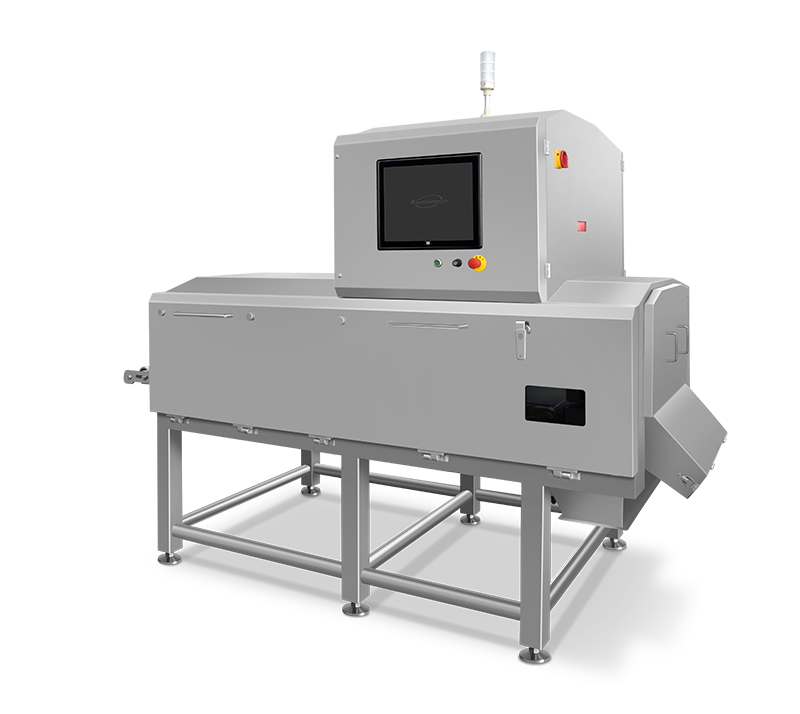
Conventional and unconventional contaminant detect...
Select the most popular foreign trade service products to meet your diverse needs
Select the most popular foreign trade service products to meet your diverse needs







User Comments
Service Experience Sharing from Real Customers
James Wilson
Production SupervisorThis dried zucchini sorting machine has revolutionized our processing line. The accuracy in detecting defects and sorting by size is remarkable. We've seen a 40% increase in throughput since installation.
Sarah Chen
Quality Control ManagerExcellent machine for dried zucchini sorting. The optical sensors are highly precise and the automated system has significantly reduced our manual labor costs. Minor maintenance issues, but overall very reliable.
Michael Rodriguez
Operations DirectorOutstanding performance! This sorting machine handles our dried zucchini with incredible efficiency. The user interface is intuitive and the technical support team is very responsive. Highly recommended for any vegetable processing facility.
Emily Thompson
Plant ManagerThis machine has exceeded our expectations for dried zucchini sorting. The consistency in quality output and minimal waste generation has improved our profitability. The ROI was achieved much faster than anticipated.