 English EN
 中国 CN
中国 CN
.png)
Introduction to RaymanTech Optical Sorters for Farm Products and Food Processors
RaymanTech, as a leading provider of inspection an...
More

Modern chocolate manufacturing faces immense pressure to meet high consumer expectations for quality and consistency. Consumers value a reliable taste experience over time.
“For the candy bar originally known as "Forever Yours", it still tastes like it did when I was a kid!”
A chocolate products optical sorter guarantees this standard by removing defects, ensuring food safety, and boosting profitability through automation.

A chocolate products optical sorter is an indispensable tool in modern confectionery. It elevates production standards by meticulously inspecting products at critical stages. This technology provides a robust defense against contaminants and inconsistencies, directly enhancing both product quality and consumer safety.
The journey to a perfect chocolate bar begins with pure ingredients. Raw cocoa beans, arriving from farms, often contain foreign materials and natural defects. Optical sorters excel at removing these unwanted elements. Advanced technologies like InGaAs (Indium Gallium Arsenide) cameras detect foreign materials that share the same color as good cocoa beans, a task impossible for the human eye.
Furthermore, hyperspectral imaging (HSI) technology gives sorters an analytical edge. Every material, from a cocoa bean to a small stone or piece of plastic, has a unique "spectral signature" based on how it absorbs and reflects light. HSI captures this data, allowing the machine to identify contaminants by their chemical composition, not just their appearance. This method is highly effective for removing:
Stones, wood, and plastic fragments
Bad beans with mold or wormholes
Beans with small disease spots or wrinkled skin
The effectiveness of HSI depends on the camera's spectral range. Different cameras capture different levels of detail, revealing distinct features that ensure reliable separation.
| Camera Model | Spectral Range (nm) | Spectral Resolution (nm) | Effectiveness in Differentiation |
|---|---|---|---|
| Specim FX10 | 400-1000 | 5.5 | Did not reveal distinct features for reliable separation |
| Specim FX17 | 900-1700 | 8 | Captured more distinguishing spectral features |
| SWIR | 1000-2500 | 12 | Displayed the most comprehensive spectral features for accuracy |
By leveraging these technologies, manufacturers achieve an unmatched level of purity in their raw materials, setting the foundation for a superior final product.
Consumers expect visual perfection, especially with premium products like assorted chocolate boxes. A chocolate products optical sorter ensures every piece meets exacting standards for color, shape, and size. The process is a marvel of high-speed engineering.
Feeding: Chocolate pieces move from a vibration feeder onto a high-speed conveyor belt.
Imaging: Multiple high-resolution cameras capture detailed images of each piece from various angles as it passes through an inspection zone.
Analysis: Sophisticated software analyzes these images in real-time. It compares each piece against preset quality parameters, such as color consistency, surface cracks, or incorrect dimensions.
Ejection: When the system identifies a defect, it activates precisely timed air jets. These jets instantly eject the substandard product into a rejection chute, leaving only perfect items to continue toward packaging.
These machines can store different quality profiles, allowing manufacturers to switch quickly between runs of dark, milk, or white chocolate. This automated precision guarantees a uniform and appealing product, reinforcing brand quality and meeting consumer expectations every time.
Allergen management is a top priority in food safety. Regulations from the FDA in the United States and the EU require clear labeling of major allergens. However, managing unintentional cross-contamination during production often relies on a manufacturer's internal controls. This is where optical sorting provides a critical advantage.
When producing different chocolates—some with nuts, some without—the risk of cross-contamination is significant. An optical sorter can identify and remove a nut-covered chocolate that accidentally mixes into a plain chocolate batch. This capability provides a powerful final check to protect consumers with allergies. However, the equipment itself must not become a source of contamination.
Note on Equipment Cleaning: To prevent cross-contamination between production runs, manufacturers must implement and validate rigorous cleaning procedures. Best practices include establishing Dirty Hold Time (DHT), the maximum time equipment can sit before cleaning, and Clean Hold Time (CHT), the maximum time it can remain idle after cleaning. These validated protocols ensure that no allergenic residues carry over to the next product batch.
By combining the precision of optical sorting with validated cleaning protocols, chocolate manufacturers can effectively manage allergen risks, protect consumers, and safeguard their brand's reputation.

Beyond quality and safety, a chocolate products optical sorter delivers significant financial returns. This technology streamlines operations, reduces operational costs, and provides valuable data. These benefits directly enhance a manufacturer's efficiency and long-term profitability.
Speed and accuracy are the cornerstones of profitable manufacturing. Optical sorters operate at speeds far exceeding human capabilities, inspecting thousands of individual chocolate pieces per minute. This high throughput accelerates the entire production line, from post-molding inspection to final packaging. The result is a greater volume of finished goods produced in less time.
Furthermore, automation maximizes product yield.
Reduces Good Product Loss: Human inspectors can accidentally discard acceptable products due to fatigue or error. Sorters use precise, objective criteria, minimizing these "false rejects" and ensuring more sellable product reaches the packaging stage.
Optimizes Material Use: By identifying defects early, manufacturers can analyze the root causes of problems, such as issues in the molding or cooling process. Correcting these issues reduces waste and optimizes the use of valuable ingredients like cocoa and sugar.
This combination of speed and precision translates directly into higher output and less waste, boosting the overall efficiency of the operation.
The manufacturing sector faces persistent labor shortages and rising employment costs. Optical sorting offers a powerful and cost-effective solution to these challenges. While manual inspection appears cheaper upfront, its long-term costs are substantial. These include salaries, benefits, training, and the financial impact of human error.
Automation provides a clear return on investment (ROI). Companies often see a full return on their initial investment within 7 to 18 months, driven by reduced labor expenses and superior productivity.
A financial comparison reveals the clear advantage of automation. An advanced machine vision system represents a one-time capital expense with predictable maintenance costs, whereas manual labor is a significant and recurring operational expense.
Eliminating just two manual inspector positions can save a company $100,000 annually in salaries and benefits.
Advanced machine vision platforms cost between $30,000 and $60,000.
Installation and annual maintenance typically add $5,000 to $15,000 each.
Yearly software licensing fees can range from $2,000 to $12,000.
Moreover, training operators for these systems is remarkably efficient. Many vendors offer simple onboarding sessions that take as little as 90 minutes, minimizing downtime and quickly integrating the technology into the workflow.
Modern optical sorters are more than just sorting machines; they are sophisticated data-gathering tools. They provide production managers with a continuous stream of actionable information, turning the factory floor into a smart, data-driven environment. This data empowers teams to make faster, more informed decisions.
Managers gain access to real-time insights through intuitive dashboards and alerts. This information includes:
Customizable alarms that send SMS or other notifications about production anomalies.
An overview of input contamination levels and product ejection rates.
Performance tracking for different shifts to identify top performers and areas for improvement.
Detailed machine status, active recipes, and other operational parameters.
Hyperspectral imaging takes this a step further. It captures the unique spectral signature of each item, providing data on chemical composition. This enables "smart sorting" based on properties invisible to the human eye. Platforms like BIOMETiC Ai and IFSYS's AI-driven technology use this data to learn and classify products with incredible accuracy, reducing the need for manual adjustments. This data flow can also be integrated with traceability solutions like F-Trace to optimize the entire production flow, from raw ingredients to final packaging. By leveraging this wealth of data, manufacturers can proactively manage quality, optimize inventory, and make strategic decisions that drive sustainable growth.
Investing in a chocolate products optical sorter is a fundamental requirement for modern competitiveness. This technology is the key to protecting brand reputation and achieving sustainable profitability, preventing costly recalls that can permanently damage consumer trust.
A single product recall can cause 21% of consumers to abandon a manufacturer's entire brand family forever.
Adopting this advanced tool is a decisive step toward future-proofing manufacturing operations.
Initial machine costs range from $30,000 to $60,000. Companies often see a full return on this investment within 7 to 18 months through reduced labor and increased yield.
No, modern systems are user-friendly. Operators can learn the system quickly, with many vendors offering simple onboarding sessions that take as little as 90 minutes to complete.
Yes, the technology is highly versatile. A single machine can store multiple product recipes, allowing manufacturers to switch between runs of dark, milk, or white chocolate with minimal downtime.

We provide you with comprehensive foreign trade solutions to help enterprises achieve global development
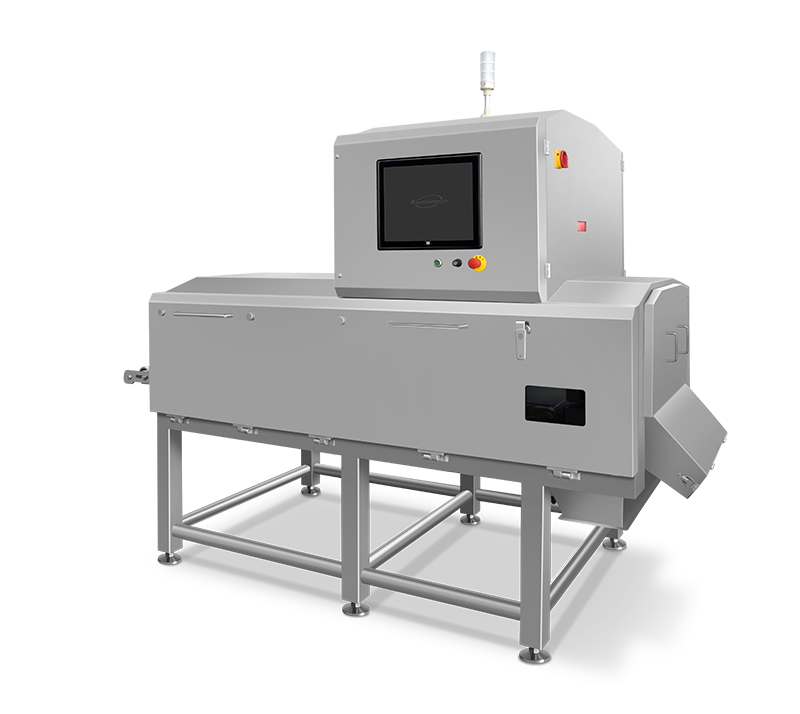
Conventional and unconventional contaminant detect...

UHD X-Ray detector, AI large model, all food indus...
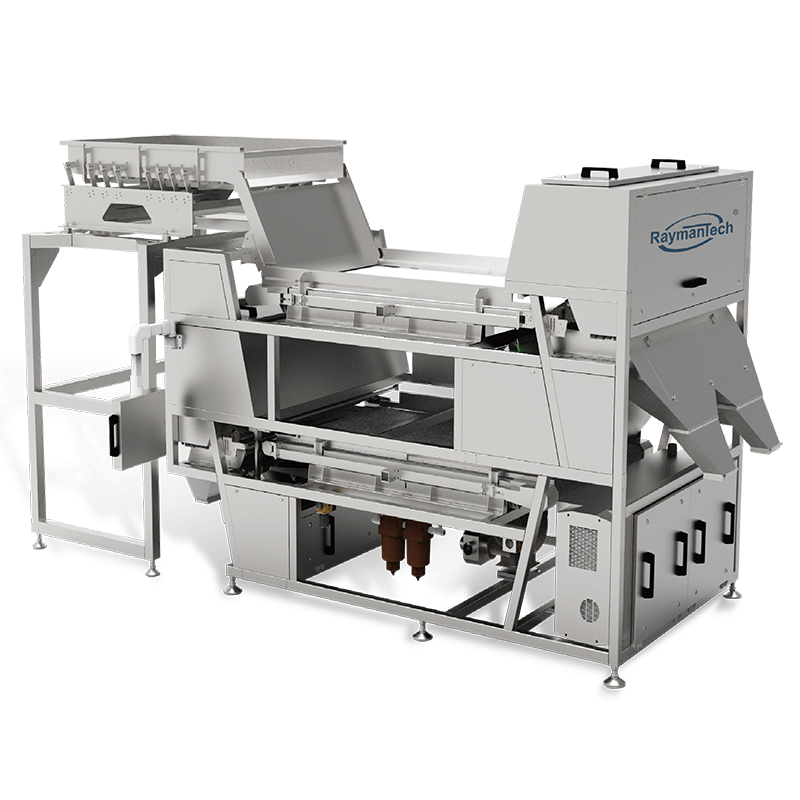
Recommedation: Chili, walnut, peanuts, soybeans, c...
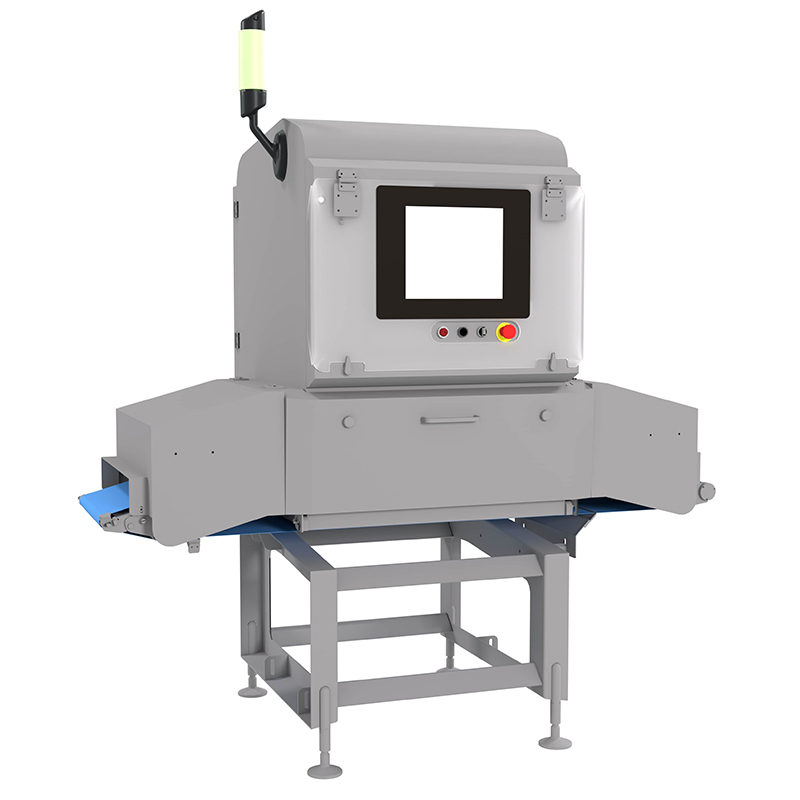
Uneven and overlapped product detection, thin & lo...
Select the most popular foreign trade service products to meet your diverse needs
Select the most popular foreign trade service products to meet your diverse needs










User Comments
Service Experience Sharing from Real Customers
Michael Rodriguez
Quality Control ManagerThis flavored coffee optical sorter has revolutionized our production line. The accuracy in detecting defective beans while preserving flavor integrity is remarkable. Our product consistency has improved by 40% since installation.
Sarah Chen
Production SupervisorOutstanding performance in sorting our vanilla and hazelnut flavored coffee beans. The machine's sensitivity to color variations while maintaining high throughput speeds has significantly reduced our waste and improved overall quality.
David Thompson
Plant ManagerExcellent optical sorter for our flavored coffee production. The system effectively identifies and removes discolored beans and foreign materials. Setup was straightforward and the technical support team was very responsive during implementation.
Jennifer Williams
Quality Assurance SpecialistThis optical sorter has been a game-changer for our premium flavored coffee lines. The precision in detecting subtle defects in caramel and mocha flavored beans is impressive. Maintenance is simple and the machine has proven very reliable.