 English EN
 中国 CN
中国 CN
.png)

Introduction to RaymanTech Optical Sorters for Farm Products and Food Processors
RaymanTech, as a leading provider of inspection an...
More

The global optical sorter market is expanding rapidly, with projections showing it will reach USD 4.1 billion by 2027. This growth highlights the industry's demand for precision sorting. A modern flower and ornamental seeds optical sorter is crucial for achieving superior seed purity. The top manufacturers delivering these advanced solutions are:
Bühler Group
TOMRA
Satake
Key Technology
Cimbria
The Bühler Group has earned a global reputation for engineering excellence and precision. The company designs optical sorters that deliver exceptional purity and protect the value of high-grade flower seeds. Its SORTEX series is a benchmark in the industry, combining robust hardware with intelligent software to meet the most demanding sorting requirements. Bühler provides solutions that enhance germination rates and ensure a uniform, premium final product.
Bühler integrates a suite of advanced technologies into its machines. These systems work together to identify and eject even the most challenging defects with remarkable accuracy.
Advanced Sensor Fusion: Bühler sorters combine high-resolution RGB cameras with specialized InGaAs (Indium Gallium Arsenide) technology. This allows the machine to detect subtle color variations, diseased seeds, and foreign materials. It can even differentiate contaminants based on their material composition.
Intuitive Operation: The SORTEX ProSort operating system simplifies machine setup. Operators can start a sorting process in just three steps without complex programming. They can easily adjust defect sensitivity using a simple slider.
Automated Performance: The SORTEX S UltraVision model automatically adjusts its detection system to variations in the product stream. This feature ensures consistent performance with minimal operator monitoring.
Bühler sorters are ideal for processors handling high-value or difficult-to-sort flower seeds. The technology excels in applications where precision is more critical than sheer volume.
Bühler machines are particularly effective for small-batch processing of special flower seeds. They can handle the tiniest seeds and remove contaminants that are nearly identical in size and color to the good product.
A prime example is the removal of Sclerotia, a black fungus, from borage seeds. Advanced InGaAs technology enables the sorter to accomplish this difficult task, making it a premier choice for operations that require the highest level of purity to protect valuable seed lots.
TOMRA stands out as an innovator in sensor-based sorting solutions. The company is renowned for developing powerful, multi-faceted systems that tackle complex sorting challenges across various industries. For flower seed processors, TOMRA's technology offers a robust defense against a wide spectrum of contaminants, ensuring high-purity output for large-scale operations. Their machines, like the Nimbus free-fall sorter, are engineered for high capacity and exceptional detection accuracy.
TOMRA equips its sorters with an impressive array of sensors that work in combination to achieve superior sorting results. This multi-sensor approach allows for the detection of defects based on numerous characteristics.
Advanced Sensor Fusion: TOMRA combines high-resolution cameras with lasers and Biometric Signature Identification (BSI+) technology. This enables the machine to analyze the biological characteristics of each object.
Specialized Detection Modules: The company offers unique modules for specific sorting tasks. Fluo™ technology detects chlorophyll, while Detox™ technology identifies mycotoxins.
Versatile Sorting Criteria: The systems can sort based on color, shape, size, and even subtle biological properties, providing comprehensive quality control.
The Nimbus series demonstrates TOMRA's commitment to scalable solutions suitable for different operational sizes.
| Specification | Nimbus 640 | Nimbus 1200 | Nimbus 1600 |
|---|---|---|---|
| Dimensions (L, W, H) | 2200 x 3500 x 2450 mm | 2660 x 4200 x 2450 mm | 3050 x 5550 x 2450 mm |
| Infeed Conveyor Width | 2200 mm | 2200 mm | 2400 mm |
TOMRA sorters are an excellent choice for high-volume processors who need to remove a diverse range of foreign material. The technology is particularly effective at identifying and ejecting contaminants that come directly from the field.
TOMRA machines excel in environments where throughput and robust foreign material removal are top priorities. Their systems efficiently handle large batches while removing everything from soil clods and stones to wood and metal fragments.
With specialized technologies like IXUS™ X-ray, TOMRA can even detect high-density materials like glass and pebbles within the product stream. This makes their sorters ideal for ensuring both the purity and safety of the final seed product.
Satake has established itself as a world leader in grain processing systems, a reputation built on decades of delivering exceptionally reliable and durable machinery. The company has installed thousands of full-color sorters worldwide, making its technology a trusted choice for processors who demand consistent, long-term performance. For flower seed operations, Satake sorters offer a robust solution that ensures product quality day after day.
Satake equips its sorters with precise inspection technology to achieve excellent sorting accuracy. The machines use a combination of full-color and infrared cameras to identify and remove a wide range of defects and foreign materials. This dual approach provides comprehensive quality control.
Full-Color RGB Cameras: Satake's EVOLUTION RGB sorter uses high-resolution cameras that can process 16 million colors. This allows operators to program the machine for very specific or difficult-to-sort products.
High-Resolution Imaging: The cameras feature a resolution of 0.14mm per pixel. This enables the detection of tiny imperfections and subtle color deviations in small flower seeds.
Infrared (IR) Inspection: The addition of IR cameras provides an extra layer of security. This technology excels at removing foreign materials that may look identical to good seeds in visible light.
Satake sorters are an excellent fit for operations of all sizes, from small-capacity labs to large industrial plants. The company's Evolution series, for example, is a high-capacity platform designed for major processing facilities.
Processors who prioritize operational uptime and consistent, repeatable results will find great value in Satake machinery. The brand is synonymous with durability and a lower total cost of ownership over the machine's lifespan.
Satake is ideal for businesses that need a dependable workhorse for removing common defects and foreign material. Their focus on robust engineering makes them a benchmark for reliability in the seed processing industry.
Key Technology is a global leader in designing and manufacturing complete automation systems. The company leverages deep processing knowledge and application expertise to deliver integrated solutions. For flower seed processors, this means more than just a sorter; it means a fully optimized line that enhances quality, boosts yield, and cuts costs. Key Technology excels at creating systems where digital sorters, conveyors, and other equipment work together seamlessly.
Key Technology's sorters, like the VERYX® platform, are engineered for superior performance and intelligence. They integrate advanced features that provide comprehensive control over the sorting process.
Next-Generation Sensors: The systems use a combination of high-resolution cameras and laser scanners for all-sided surface inspection. This ensures no defect goes unseen.
Pixel Fusion™: This advanced detection technology combines data from multiple sensors to identify challenging defects with greater accuracy.
Integrated Grading: The innovative Sort-to-Grade® software uses artificial intelligence to perform grading functions directly within the sorter. This can eliminate the need for separate mechanical grading equipment, saving floorspace and maintenance costs.
Key Technology is the premier choice for processors seeking a comprehensive, single-source system solution. The company designs its sorters, such as the COMPASS®, to integrate perfectly with its high-performance infeed and discharge conveyors.
Processors planning a new facility or a major line upgrade will benefit most from Key Technology's approach. They provide a turnkey solution that ensures all components are optimized to work together, from initial product handling to final sorting.
This integrated strategy simplifies installation, streamlines operations, and provides a single point of contact for service and support. It is ideal for businesses that want to maximize automation and efficiency across their entire processing line.
Cimbria, a brand within the AGCO Corporation, provides robust and scalable sorting solutions for the seed and grain industry. The company designs its machines for processors who handle diverse seed types and require operational flexibility. Cimbria's SEA-series sorters are known for their adaptability, allowing businesses to grow and adjust to changing market demands without needing to replace their core equipment. This focus on scalability makes them a practical choice for a wide range of agricultural operations.
Cimbria's SEA-series sorters achieve high purity through a comprehensive inspection system. The technology is designed for precision and can be customized to target specific contaminants.
Advanced Vision System: High-resolution full-color RGB cameras work with HIS (Human Interface System) software to provide vision similar to the human eye.
Shape and Size Sorting: An integrated shape-sizing function sorts elements based on their geometric characteristics, separating broken or malformed seeds.
Specialized Camera Options: Processors can add optional NIR (Near-Infrared) and InGaAs cameras to identify foreign bodies that are invisible to RGB cameras, such as sklerotium in sunflower seeds.
Precision Lighting: A dedicated LED lighting and background system ensures the camera's focus is precisely aimed at the inspection line for maximum accuracy.
Cimbria sorters are an excellent match for growing businesses and large-scale operations that process multiple seed varieties. The machines offer a high degree of flexibility and a strong return on investment.
The key advantage of Cimbria technology is its adaptability. Operators can quickly swap interchangeable components and use pre-programmed settings to switch between different crops, minimizing downtime and maximizing throughput.
The table below outlines the key functions Cimbria sorters perform for commercial seed preparation:
| Application | Key Function | Primary Benefit | Common Crops |
|---|---|---|---|
| Contaminant Removal | Eliminates weed seeds, dust, and debris | Improves seed purity and planting efficiency | Wheat, Barley, Oats |
| Size Grading | Sorts seeds by length, width, and thickness | Ensures uniform sowing and crop stand | Canola, Soybeans, Corn |
| Seed Health | Removes damaged or diseased seeds | Boosts germination and crop resilience | All field and vegetable crops |
| Commercial Prep | Cleans and standardizes seed lots | Increases market value and buyer confidence | Hybrid and certified seeds |
This versatility makes Cimbria a premier choice for processors who need a single, reliable machine for various sorting tasks.
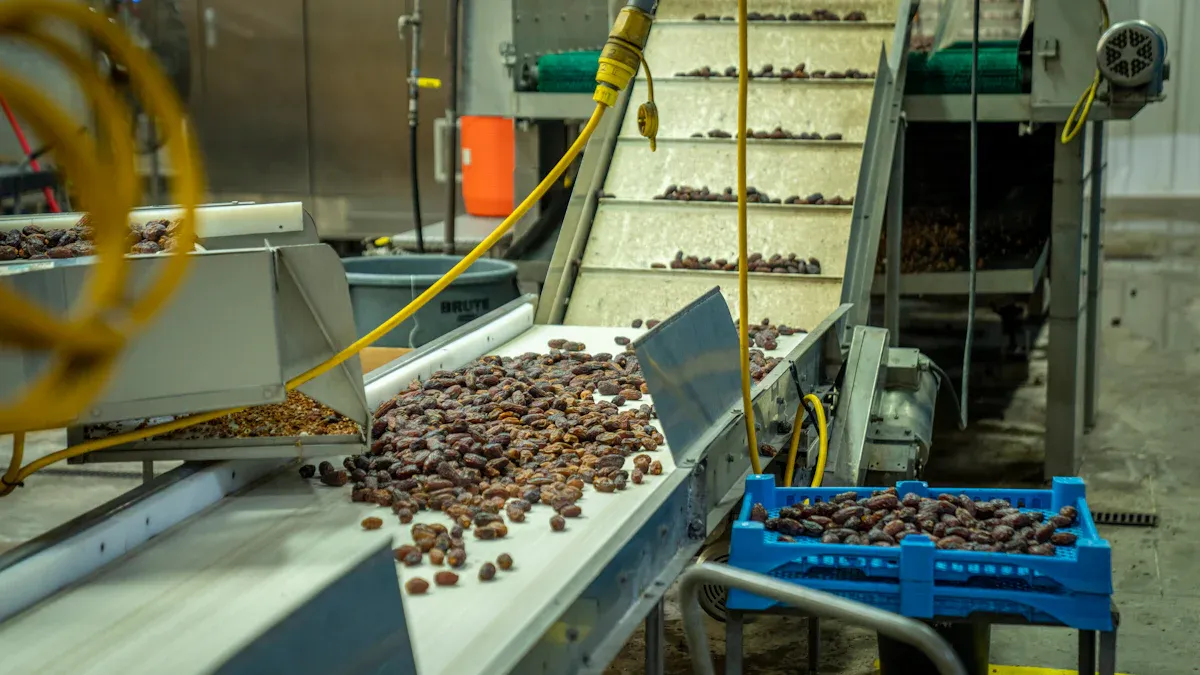
Modern optical sorters rely on a combination of advanced hardware and intelligent software to achieve exceptional purity. These core technologies work together, allowing a flower and ornamental seeds optical sorter to identify and remove defects with incredible speed and precision. Understanding these systems is key to selecting the right machine for your operation.
High-resolution RGB (Red, Green, Blue) cameras form the foundation of modern sorting. These sensors capture detailed images of each seed, analyzing millions of color variations. Advanced cameras use high-pixel sensors, such as 5400-pixel CCD arrays, to detect the slightest color deviations. This capability allows the machine to identify discolored seeds, weed seeds, and other foreign material that might otherwise go unnoticed. The high resolution is crucial for processing small flower seeds where defects are minuscule.
Some of the most challenging defects are invisible to the human eye and standard cameras. InGaAs (Indium Gallium Arsenide) and BSI+ (Biometric Signature Identification) technologies solve this problem.
InGaAs sensors operate in the short-wave infrared (SWIR) spectrum. This allows them to detect objects based on their material composition and moisture content. A flower and ornamental seeds optical sorter with this technology can identify internal rot, moisture damage, or foreign materials that look identical to good seeds.
BSI+ technology goes a step further by analyzing the unique biological fingerprint of each object, providing another layer of sorting accuracy.
Advanced algorithms enable sorters to analyze the geometric properties of each item. This function is essential for ensuring seed uniformity and removing broken or malformed seeds. These systems differentiate items by:
Extracting multi-view shape features to identify broken seeds.
Using clustering algorithms to segment touching seeds.
Analyzing characteristics like roundness and size.
This technology allows a flower and ornamental seeds optical sorter to achieve sorting accuracy rates as high as 99.99%. It effectively removes unwanted shapes, from tiny fragments to improperly sized seeds, far surpassing the capabilities of manual inspection.
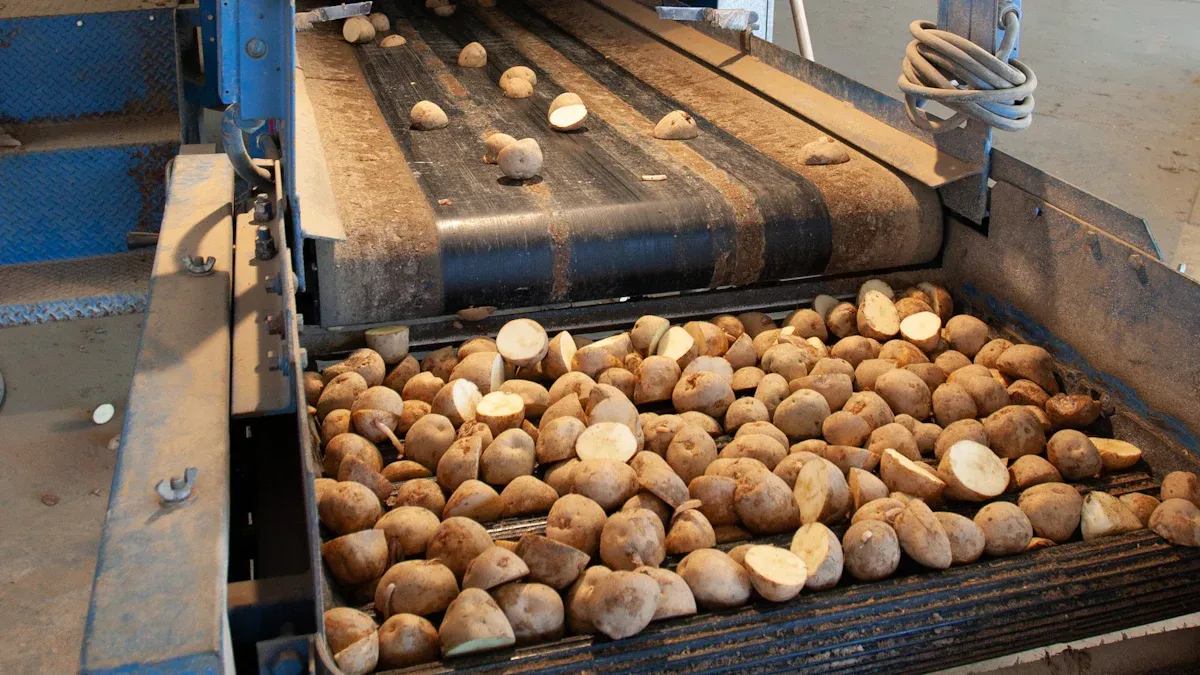
Selecting the right optical sorter requires a careful analysis of your specific operational needs. Processors should evaluate their production volume, common contaminants, and financial goals. This ensures the chosen machine delivers maximum efficiency and return on investment.
Processing capacity is a primary factor in model selection. The volume of seeds you process directly impacts the required throughput of the machine. Choosing the correct capacity prevents operational slowdowns and ensures a smooth workflow.
Sorters for products like grains and nuts can process up to 14 tons per hour.
Machines for frozen vegetables can handle up to 20 tons per hour.
High-capacity systems for other products may reach up to 30 tons per hour.
Belt sorters are particularly well-suited for large processing volumes. They move materials on a conveyor, ensuring items are spread out for accurate, high-throughput sorting. Matching machine capacity to your feed rate is essential for cost-efficiency.
Different contaminants require specific detection technologies. A processor must first identify the most common defects in their seed lots. These can include off-color seeds, mold, insect damage, and foreign debris like stones or weeds. A flower and ornamental seeds optical sorter can be equipped with various technologies to target these issues. For example, high-resolution cameras handle color defects, while magnetic separators remove metallic impurities. Understanding your primary sorting challenge helps narrow down the best technology for the job.
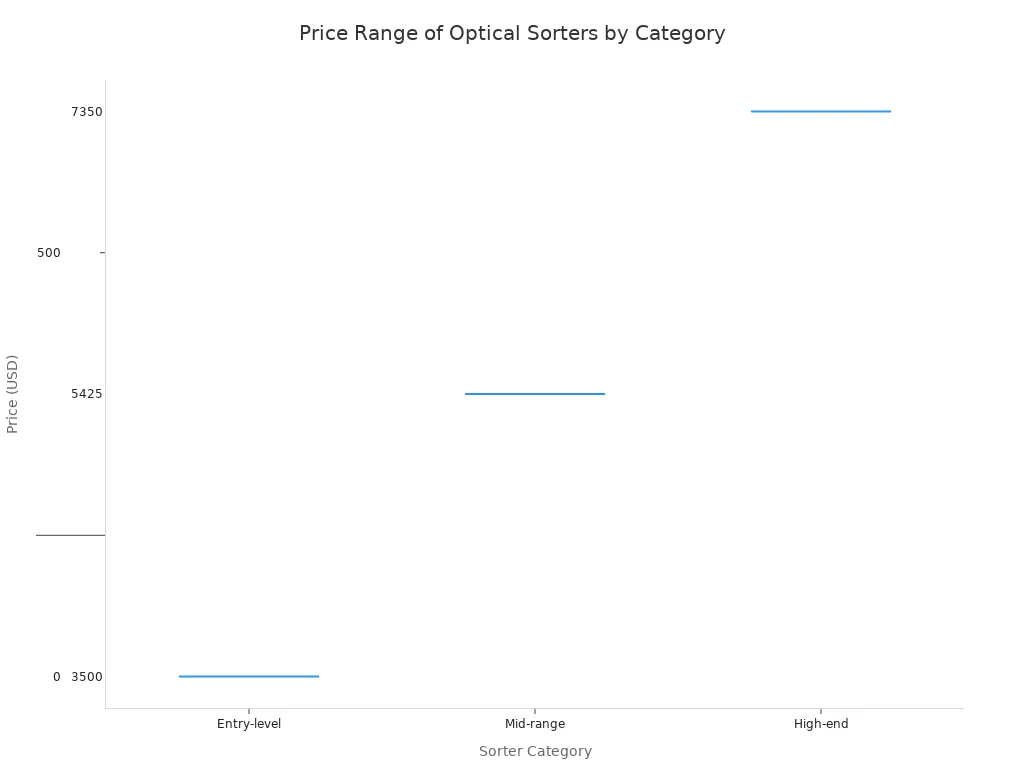
Optical sorters represent a significant capital investment, with prices varying widely based on technology and capacity. Basic models may start around 20,000 euros, while advanced systems can cost several hundred thousand. Despite the initial price, these machines are highly cost-effective, boosting purity and reducing labor costs. Processors should evaluate the total cost of ownership against the expected return on investment (ROI) from higher yields and premium product quality.
Choosing the right machine ensures a strong ROI by improving the final product and streamlining operations.
Selecting the ideal flower and ornamental seeds optical sorter requires a careful evaluation of operational needs, including processing volume and budget. The industry's top manufacturers—Bühler, TOMRA, Satake, Key Technology, and Cimbria—provide advanced and reliable solutions. Investing in the right technology is crucial for maximizing germination rates and delivering a premium final product.
It boosts seed purity and germination rates. The machine removes defective seeds and foreign material. This process results in a higher quality, more valuable final product.
Modern sorters require minimal daily maintenance. Operators perform routine checks and cleaning. Manufacturers design the systems for reliability and easy service to ensure maximum operational uptime.

We provide you with comprehensive foreign trade solutions to help enterprises achieve global development
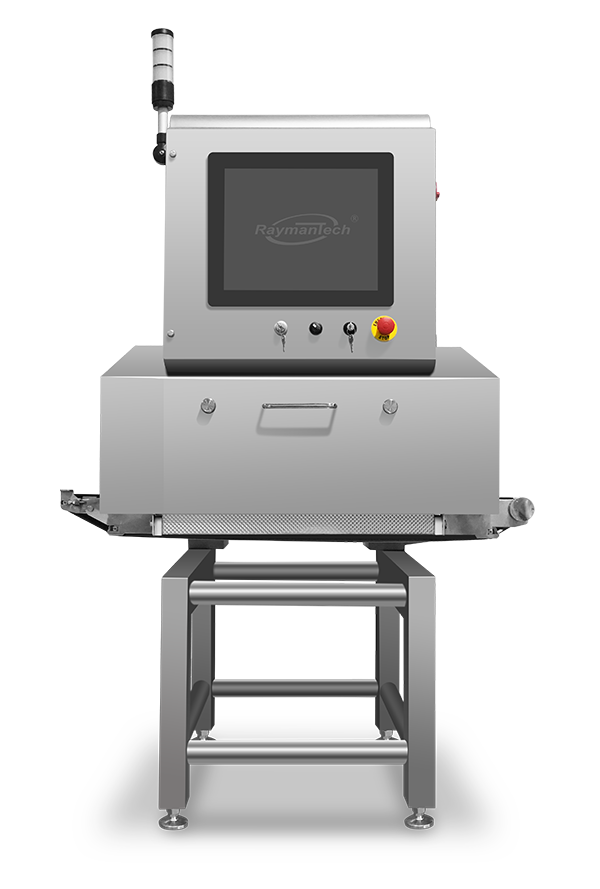
Ultra-fine contaminants detection, UHD X-Ray detec...
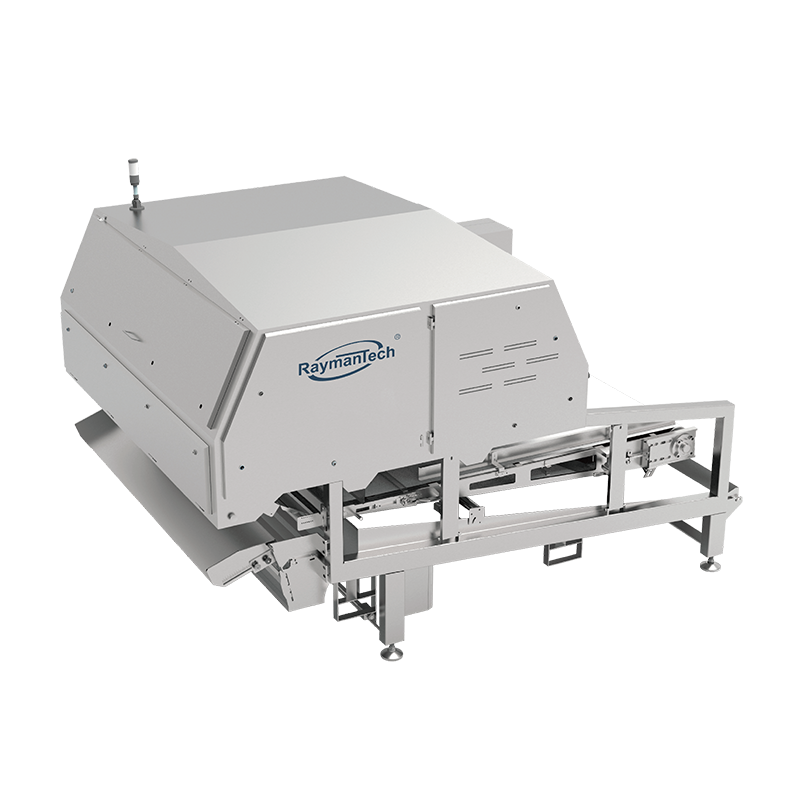
Recommedation: Frozen vegetables such as green be...
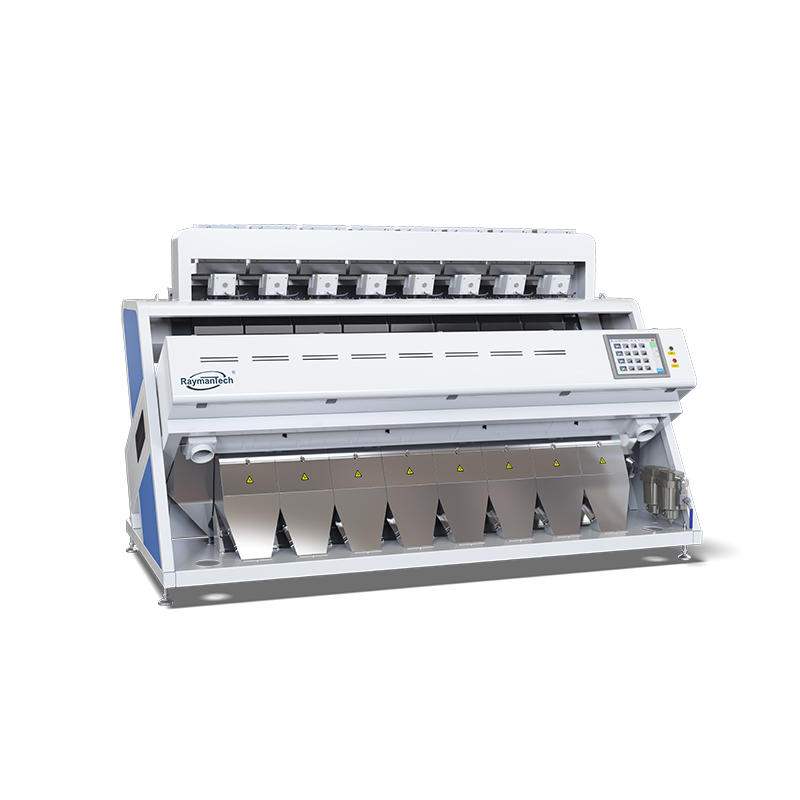
Recommedation: Rice, wheat, corn, grain, pulses, s...
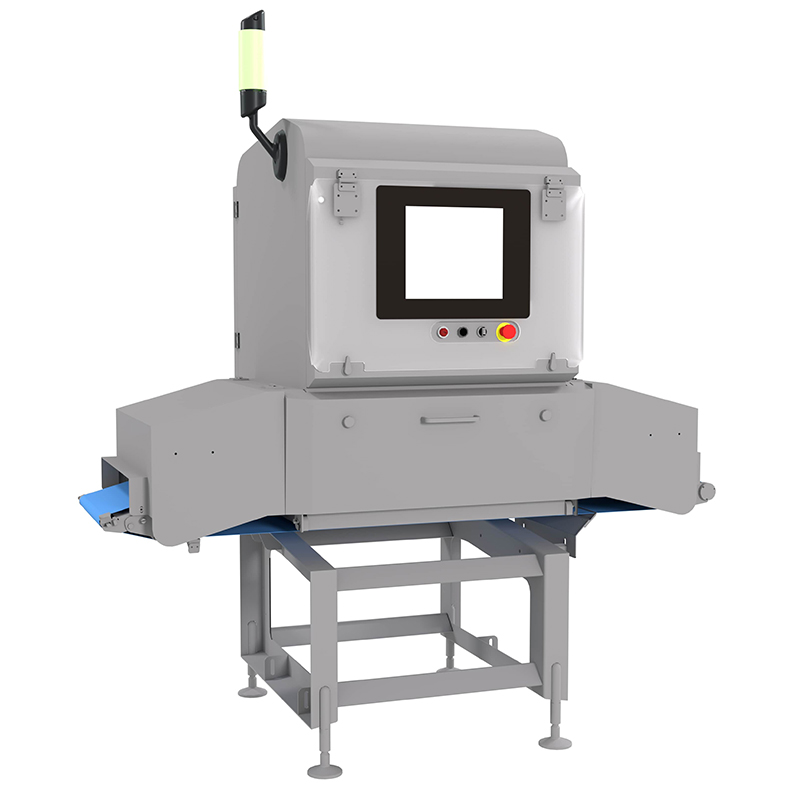
Both fat analysis and contaminant inspection (bone...
Select the most popular foreign trade service products to meet your diverse needs
Select the most popular foreign trade service products to meet your diverse needs








User Comments
Service Experience Sharing from Real Customers
James Wilson
Nursery ManagerThis optical sorter has revolutionized our flower seed processing. The accuracy in identifying defective seeds is remarkable, and we've seen a significant improvement in germination rates. The machine is also surprisingly easy to maintain.
Sarah Chen
Quality Control SupervisorAs a large-scale ornamental seed producer, precision is everything. This sorter's advanced optical sensors consistently deliver 99%+ accuracy in color and size sorting. It has drastically reduced our manual labor costs and improved our overall product quality.
Michael Rodriguez
Greenhouse OwnerThe sorter handles delicate ornamental seeds with exceptional care - no damage observed even after continuous operation. The user interface is intuitive, though the initial setup required some technical support. Overall, a great investment for our business.
Emily Parker
Seed Production SpecialistOutstanding performance in sorting rare flower varieties. The customizable settings allow us to program specific parameters for different species. The machine's throughput has increased our processing capacity by 40% while maintaining exceptional quality standards.