 English EN
 中国 CN
中国 CN
.png)

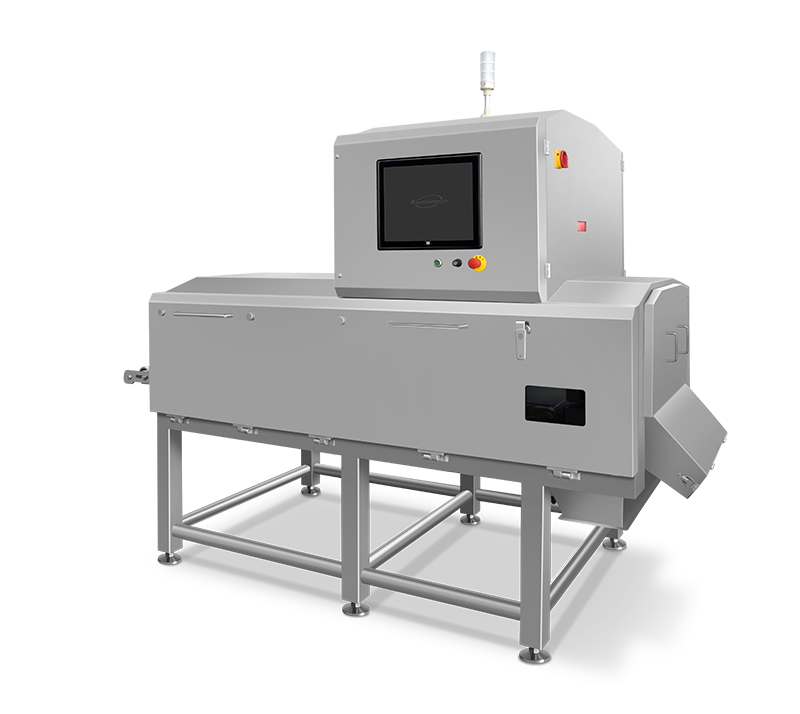
AI + Ultra-HD: The Ultimate AI Optical Sorter for Wet Processed Meat Lines
Optical sorting technology has become indispensabl...
More

Artificial Intelligence enhances food safety with predictive analytics and real-time monitoring. The technology promotes sustainability by optimizing resource use and minimizing waste across the supply chain.
Globally, roughly one-third of food produced for human consumption is lost or wasted each year.
The significant economic burden of foodborne illnesses further underscores the urgency for innovation. Food industry ai provides an indispensable tool for building a more resilient and secure global food system.
| Pathogen | Total Cost | Per-Case Cost |
|---|---|---|
| Toxoplasma gondii | $5,719,300,000 | $65,926 |
| Listeria monocytogenes | $3,964,300,000 | $2,504,296 |
| Norovirus | $2,968,300,000 | $543 |
Maintaining high quality standards is fundamental to food safety. Traditional inspection methods often rely on manual checks, which can be slow and prone to error. The food industry ai sector introduces advanced quality control systems that operate with superhuman speed and precision, transforming how producers identify and remove hazards. These technologies ensure that only safe, high-quality products reach consumers.
AI-powered vision systems are a game-changer for identifying physical contaminants on production lines. Using high-resolution cameras, these systems scan products on fast-moving conveyors. The AI analyzes the images in real-time to spot foreign materials that do not belong.
Anomaly Detection: AI vision systems can detect foreign materials such as plastic fragments, glass shards, or metal pieces.
Intelligent Robotics: The system guides robots to remove contaminated or poor-quality items, ensuring product consistency.
Vision systems incorporating hyperspectral imaging are particularly effective. They capture traceable data during manufacturing, which is vital for quality control and proving safety compliance.
Undeclared allergens pose a significant health risk. AI combined with Hyperspectral Imaging (HSI) offers a powerful solution for real-time allergen detection. HSI technology goes beyond what the human eye can see by analyzing the spectral signature of food items.
HSI combines conventional imaging and spectroscopy to obtain both spatial and spectral data from an object non-destructively. This data forms a "hypercube," where each pixel contains detailed spectral information.
AI algorithms process this complex data to map the chemical content of food. This allows the system to identify traces of allergens like peanuts or gluten, even in complex products with multiple ingredients. AI models learn from past inspections, continuously refining their accuracy and minimizing the human error associated with manual checks. This rapid, non-destructive analysis prevents cross-contamination and ensures accurate labeling.
When a food safety issue arises, speed is critical. Traditional supply chains often struggle with fragmented data, making it difficult to trace a product's journey from farm to shelf. This delay can prolong public health risks and increase economic losses. AI-powered systems create a connected, transparent digital thread that follows food products at every stage, enabling swift and precise action during a crisis.
Combining AI with blockchain technology creates a powerful system for supply chain transparency. Blockchain acts as a secure digital ledger where information is recorded in a tamper-proof manner. Once data is entered, it cannot be altered or deleted, creating an immutable history for every product. This permanent record guarantees that claims like "organic" or "sustainably sourced" are verifiable.
The decentralized nature of blockchain enhances trust. Instead of a single central authority, all participants share access to the same records. This structure prevents any single entity from manipulating data and ensures collective accountability.
This system uses digital identifiers to track products. Key components include:
Decentralized Identifiers (DIDs): A unique address on the blockchain that identifies a specific product or batch.
Verifiable Credentials: Digital, cryptographically secured records, like safety certificates, linked to a product's DID.
AI analyzes the vast amount of data flowing into the blockchain, spotting anomalies and verifying credentials in real time.
In the event of a contamination scare, this integrated system provides unparalleled advantages. Food safety managers can use AI to instantly query the blockchain ledger. They can pinpoint the exact origin of a contaminated batch, identify all locations where it was processed or distributed, and determine which final products are affected.
This capability transforms recall management from a broad, costly process into a targeted, surgical operation. Companies can recall only the specific items at risk, minimizing waste and protecting consumer trust. This rapid tracking contains the problem quickly, preventing widespread illness and demonstrating a commitment to public safety. The food industry ai sector is thus building a more resilient and responsive food system.
Food spoilage is a primary driver of waste across the supply chain, from farms to retail shelves. Traditional "use-by" dates are often conservative estimates that do not account for real-world conditions. Artificial Intelligence offers a dynamic, data-driven approach to forecast spoilage, enabling producers and retailers to take proactive steps, reduce waste, and improve profitability.
AI models excel at predicting the shelf life of perishable goods with remarkable accuracy. These systems analyze a wide range of data to understand how and when food will spoil. IoT devices integrated with AI algorithms track real-time variables, while machine learning models analyze historical data to predict spoilage conditions.
Key data sources for these predictive models include:
Environmental Factors: Temperature, humidity, and gas emission levels.
Physical Attributes: Changes in appearance, color, and texture.
Chemical Data: Shifts in pH or moisture content.
Volatile Compounds: Electronic noses (e-noses) detect Volatile Organic Compounds (VOCs) that signal the early stages of decay.
By processing this information, AI can forecast spoilage rates for specific batches of food, providing a more accurate timeline than a static expiration date.
Accurate spoilage forecasts empower businesses to manage their inventory more effectively. Retailers are adopting Dynamic Shelf-Life (DSL) systems that use real-time environmental data to adjust inventory strategies. This proactive management significantly cuts down on waste.
One online grocery retailer reduced its food waste and spoilage by 49% after implementing AI-driven demand forecasting. Another regional grocer saw a 15% reduction in waste within six months by using AI for markdown optimization.
This success comes from AI's ability to optimize several key areas. AI-powered solutions analyze factors like weather and local events for better demand forecasting. They also optimize replenishment by considering product shelf life, preventing overstocking. Finally, AI determines the perfect time to mark down perishable items, minimizing waste while protecting profit margins.
Precision agriculture represents a fundamental shift from traditional farming methods. Instead of treating an entire field uniformly, it uses AI to manage specific areas based on their unique needs. This data-driven strategy allows farmers to apply resources exactly where and when they are needed, dramatically improving efficiency and sustainability. It transforms agriculture into a precise, science-backed operation.
AI-powered systems rely on a constant stream of high-quality data collected directly from the fields. Drones equipped with advanced cameras and ground-level IoT sensors act as the eyes and ears of the modern farm. Machine learning models process thousands of high-resolution images to identify patterns and anomalies that the human eye might miss. These advanced systems gather a wealth of information, including:
Crop Health: Multispectral imaging detects plant stress, disease, and nutrient deficiencies before they become widespread.
Soil Conditions: Ground sensors measure moisture levels, pH balance, and nutrient content in real time.
Pest Activity: Drones spot early signs of insect infestations, allowing for rapid intervention.
Irrigation Efficiency: Thermal imaging assesses water distribution by detecting temperature variations across the field.
This detailed field data empowers farmers to take precise action. AI algorithms, particularly computer vision, analyze the information to guide automated machinery. For example, smart sprayers can identify individual weeds and apply herbicide only to them, rather than blanketing an entire crop. This targeted approach yields significant environmental and economic benefits, with studies showing it can reduce water usage by up to 50% and chemical use by as much as 90%.
This precision minimizes waste and protects the environment. It leads to a dramatic reduction in chemical runoff, which protects water quality, soil health, and local biodiversity. By avoiding blanket sprays, farmers can preserve beneficial insects that contribute to natural pest control.
Ultimately, this technology helps farmers produce higher yields on existing farmland while significantly reducing their ecological footprint.
An efficient supply chain is the backbone of the food system, but it faces constant challenges from fluctuating demand and logistical complexities. The food industry ai sector offers powerful tools to streamline these operations. AI analyzes historical sales data, weather patterns, and market trends to create highly accurate demand forecasts. This predictive power helps companies optimize inventory and prevent stockouts or overproduction. At the same time, AI algorithms calculate the most efficient delivery routes, saving time and resources.
AI-powered platforms transform how food distributors manage their operations. Companies can now anticipate customer needs with remarkable precision, ensuring the right products are in the right place at the right time. For example, Sysco, a leading food distributor, uses an AI system to optimize its truck routes. This technology considers traffic, delivery windows, and vehicle capacity to create the most efficient schedules.
Another success story comes from Suministros & Alimentos, a major distributor in Central America. The company deployed AI for demand forecasting and saw impressive results:
Reduced inventory by 7% across its distribution centers.
Saved over 17,500 hours in order processing.
Maintained service levels above 90% even during peak demand.
These examples show how AI drives both efficiency and reliability in food logistics.
Optimized logistics directly contribute to a more sustainable food system. Accurate demand forecasting minimizes overproduction, a significant source of food waste. When companies produce only what is needed, they conserve energy, water, and raw materials. Furthermore, efficient route planning reduces the environmental impact of transportation.
AI-driven logistics have shown remarkable results in sustainability. Some retailers have achieved an 18% decrease in fleet fuel consumption and a 12% reduction in delivery times.
These improvements mean fewer miles driven and less fuel burned. The direct result is a significant drop in carbon emissions from food transportation. By fine-tuning the journey from warehouse to storefront, AI helps reduce the food industry's carbon footprint, making the entire supply chain greener.
Unexpected equipment breakdowns halt production and introduce serious safety hazards. Traditional maintenance schedules often fix problems only after they occur. Predictive maintenance flips this model by using AI to forecast failures before they happen. This proactive approach keeps production lines running smoothly and creates a much safer environment for both workers and consumers.
AI systems serve as a constant health monitor for critical machinery. They analyze massive streams of data from sensors that track temperature, vibration, pressure, and fluid levels. Machine learning algorithms then process this information to build a detailed model of normal equipment performance.
These systems excel at detecting the earliest signs of trouble:
They automatically flag deviations from normal operating conditions, like unusual vibration frequencies or slight temperature spikes.
Algorithms identify complex patterns that correlate with known failure modes. For instance, a specific vibration signature can signal bearing fatigue long before a critical breakdown.
The AI learns from historical data and real-time performance to continuously improve its predictive accuracy, adapting its models as equipment ages.
This allows maintenance teams to schedule repairs proactively, turning potential emergencies into routine tasks.
Sudden equipment failures are a primary source of physical and biological contamination. A breakdown can release metal fragments, plastic shards, or glass into the food supply, posing severe injury risks. Furthermore, worn-out equipment with cracks or porous surfaces can harbor bacteria and allergens, leading to biological hazards.
AI-powered predictive maintenance directly mitigates these dangers by preventing the breakdowns that cause them. By forecasting issues, facilities can take targeted action to avert contamination events.
| Equipment Type | AI-Predicted Problem | Contamination Risk Prevented |
|---|---|---|
| Industrial Mixers | Bearing fault detected via vibration analysis. | Averted batch loss and potential metal fragment contamination. |
| Conveyor Systems | Rising temperature on a roller bearing. | Prevented a plant-wide shutdown and potential hazards from a broken line. |
| Refrigeration Systems | Decreased efficiency and pressure anomalies. | Saved thousands in costs and protected product from spoilage. |
This intelligent monitoring ensures equipment integrity, reduces the risk of costly recalls, and upholds the highest standards of food safety.
Meeting future food needs is one of the greatest challenges of our time. Projections show that global food demand could increase by as much as 56% between 2010 and 2050. This reality requires a dramatic boost in agricultural productivity. Artificial Intelligence provides the tools to achieve these necessary yield increases, ensuring a stable food supply for a growing population.
AI transforms agricultural data into powerful, actionable strategies. It analyzes information from soil sensors, weather forecasts, and satellite imagery to guide farmers. These insights help determine the perfect time for planting, irrigating, and harvesting, maximizing the potential of every crop cycle. This data-driven approach has already delivered impressive results in field trials.
An AI-managed experiment in California increased grape production by 25% while using 20% less water.
Cotton farmers using AI-driven sowing recommendations saw a statistically significant yield increase of 12–17%.
Agritech firm CropIn used AI models to boost crop yields by up to 20% and reduce pesticide use by 30%.
These examples demonstrate how AI translates complex data into tangible gains in productivity.
The key to sustainable agriculture is producing more food without using more land. AI makes this possible through precision farming. It enables autonomous machinery and smart systems to manage resources with incredible accuracy. AI-equipped harvesters differentiate between ripe and unripe produce, minimizing waste at the source. Smart irrigation systems use real-time data to deliver water exactly where it is needed, preventing waste and protecting crops from drought.
By analyzing drone imagery, AI can detect early signs of disease or nutrient deficiencies. This allows for targeted interventions that stop problems from spreading, safeguarding the entire harvest.
This "more with less" approach is a cornerstone of the modern food industry ai. It helps farmers increase output on their existing fields, reducing the pressure to convert natural habitats into farmland and promoting a more sustainable agricultural model.
Artificial Intelligence is accelerating the creation of foods that are better for both consumers and the planet. It analyzes complex data to guide the development of innovative products, from nutritious plant-based alternatives to precisely fortified staples. This capability allows companies to meet evolving consumer demands for health and sustainability.
AI systems process enormous datasets, including consumer preferences, market trends, and scientific research, to drive product innovation. Machine learning models identify opportunities and predict success, reducing the time and cost of traditional research and development. AI's role in this process is multifaceted.
Discovery: It uncovers novel ingredient sources by analyzing the chemical and mechanical properties of plants to mimic animal-based products.
Prediction: It forecasts the taste profiles of new ingredient combinations and predicts consumer acceptance of novel foods.
Optimization: It fine-tunes formulations to maximize nutritional value while minimizing environmental impact.
This analytical power allows companies to design products that meet specific criteria for flavor, texture, and health benefits, moving from concept to market-ready product more efficiently.
AI is a key partner in formulating the next generation of sustainable foods. In the plant-based sector, it helps create meat and dairy alternatives that closely match the sensory experience of the originals. AI models propose new ingredient combinations and predict how they will behave, accelerating the innovation cycle.
The technology also plays a vital role in combating malnutrition through food fortification. Digital tools enhance the efficiency and transparency of this process.
For example, organizations like Sanku use cellular-connected dosifiers to precisely mix essential micronutrients into flour at small-scale mills. The system allows for remote monitoring to ensure consistent quality.
Furthermore, computational techniques like molecular docking help scientists identify beneficial compounds in indigenous crops. This allows for the development of functional foods that target specific health issues, such as osteoporosis, turning local resources into powerful nutritional solutions.
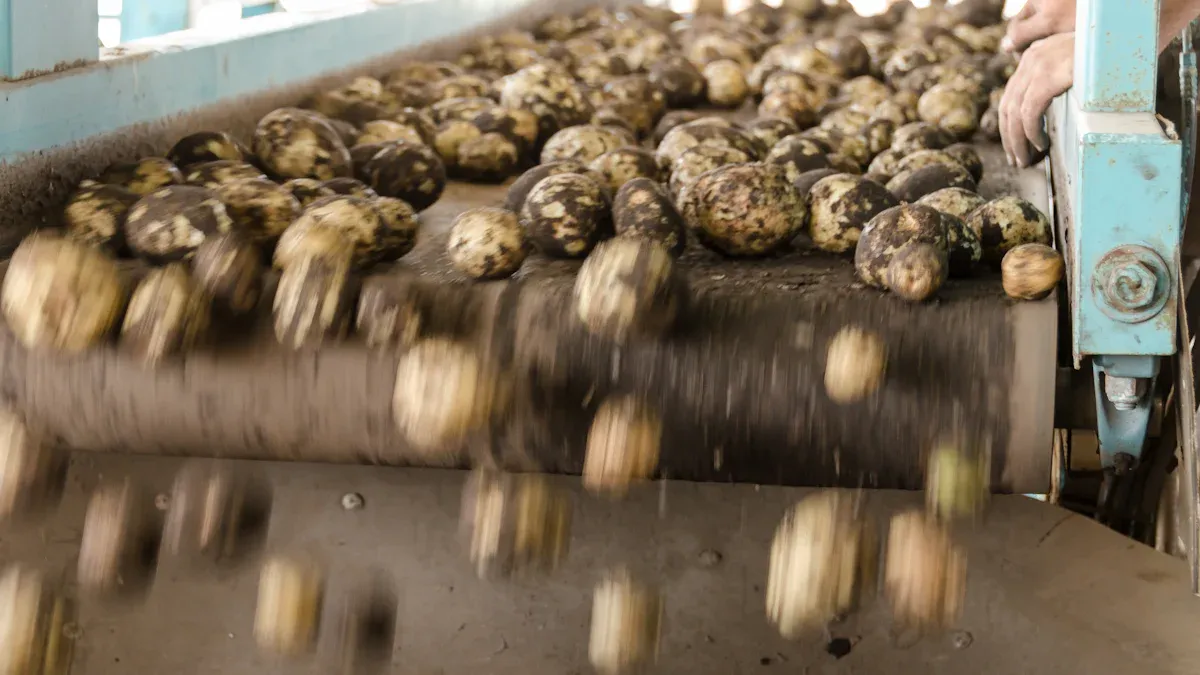
A significant portion of food waste occurs after harvest, often due to inefficient manual sorting. AI-powered automation introduces unprecedented speed and accuracy to this critical stage. It ensures that more of what is grown makes it to consumers, directly addressing post-harvest losses and improving the overall efficiency of the food supply chain.
Modern food processors use AI-powered optical sorting machines to handle a wide variety of produce, from soft berries to firm apples. These systems use high-resolution cameras and intelligent software to analyze each item at incredible speeds. The AI learns the distinct characteristics of different fruits and vegetables, allowing it to identify skin discoloration on tomatoes or other subtle imperfections.
One advanced example is the Q Eye Smart sorter by BIOMETiC. This system leverages an AI platform to continuously improve its defect detection capabilities.
It uses ultra-high-speed image processing with a resolution of up to 0.1 mm/pixel.
This precision allows it to spot even the smallest and most difficult external quality defects.
Processors can tailor sorting sessions to meet specific quality standards, ensuring consistent output.
This technology guarantees that only high-quality, fresh produce moves forward in the supply chain.
Automating the sorting process offers significant benefits beyond speed. It reduces the reliance on manual labor, which can be inconsistent and physically demanding. AI systems operate 24/7 without fatigue, providing a reliable and objective assessment of every single product. This consistency is crucial for maintaining quality standards.
By accurately grading produce, these machines maximize the value of the harvest. Instead of discarding items with minor cosmetic flaws, the system can divert them for other uses, such as juice, sauces, or frozen products.
This intelligent sorting dramatically cuts down on post-harvest waste. It ensures that edible food is not thrown away simply because it does not meet the strict aesthetic standards of fresh retail. This approach makes the food system more sustainable by maximizing the use of every crop. The food industry ai sector is thus turning a major point of loss into an opportunity for efficiency.
Artificial Intelligence is closing the information gap between food producers and the public. It provides powerful tools that place critical safety and origin data directly into the hands of consumers. This technology transforms smartphones into personal safety assistants, fostering greater trust and transparency in the food supply. Shoppers can now make more informed decisions before they even place an item in their cart.
AI-powered mobile applications deliver personalized and immediate food safety information. These apps can send real-time alerts about product recalls directly to a user's phone, often based on their past purchases. Beyond recalls, some apps use AI to demystify complex ingredient lists. The 'Food Additive Lens' app, for example, gives consumers a powerful tool for understanding what is in their food.
It uses AI to scan and interpret ingredient labels in under five seconds.
The system cross-references information from government sources like the FDA and USDA.
An advanced AI model classifies the food, identifies additives, and explains their purpose in simple terms.
This technology empowers users to check for specific additives and make choices that align with their dietary needs and health concerns.
Consumers increasingly demand to know where their food comes from. AI helps meet this demand by enabling transparent access to a product's history. By scanning a simple QR code on the packaging, shoppers can unlock a wealth of information. AI systems compile and present data from every step of the supply chain, from the farm to the store.
This digital record can show the product's farm of origin, harvest date, processing facility, and transportation details. It also provides access to safety certifications and quality reports.
This level of transparency allows consumers to verify claims like "organic" or "sustainably sourced" for themselves. It builds confidence by giving people a clear view of a product's journey, reinforcing the safety and integrity of the food they purchase.
Artificial Intelligence offers critical, data-driven tools to solve enduring food safety and sustainability challenges. The integration of AI from farm to fork establishes a more transparent, efficient, and resilient food system.
Adopting this technology is a necessary step for the future of the global food industry. The food industry ai sector is paving the way for a safer, more secure global food supply.
While large companies often lead adoption, the technology is becoming more accessible. Cloud-based AI services and more affordable sensors are making these powerful tools available to smaller farms and businesses. This trend helps democratize food safety and sustainability improvements across the industry.
AI automates repetitive tasks like sorting and monitoring, which can change job roles. It also creates new positions in data science, AI system management, and robotics maintenance. The technology shifts human focus toward more strategic and skilled work rather than eliminating jobs entirely.
Data security is a top priority. Many systems use blockchain technology to create a tamper-proof, decentralized ledger. Standard practices like data encryption and secure cloud storage protect sensitive information from unauthorized access, ensuring the integrity of the food supply chain.
Yes, AI systems undergo rigorous validation. Developers train and test their models against industry standards and human expert decisions to ensure accuracy. Furthermore, technologies like QR codes provide consumers with transparent access to data, allowing them to verify claims and build trust.
We provide you with comprehensive foreign trade solutions to help enterprises achieve global development
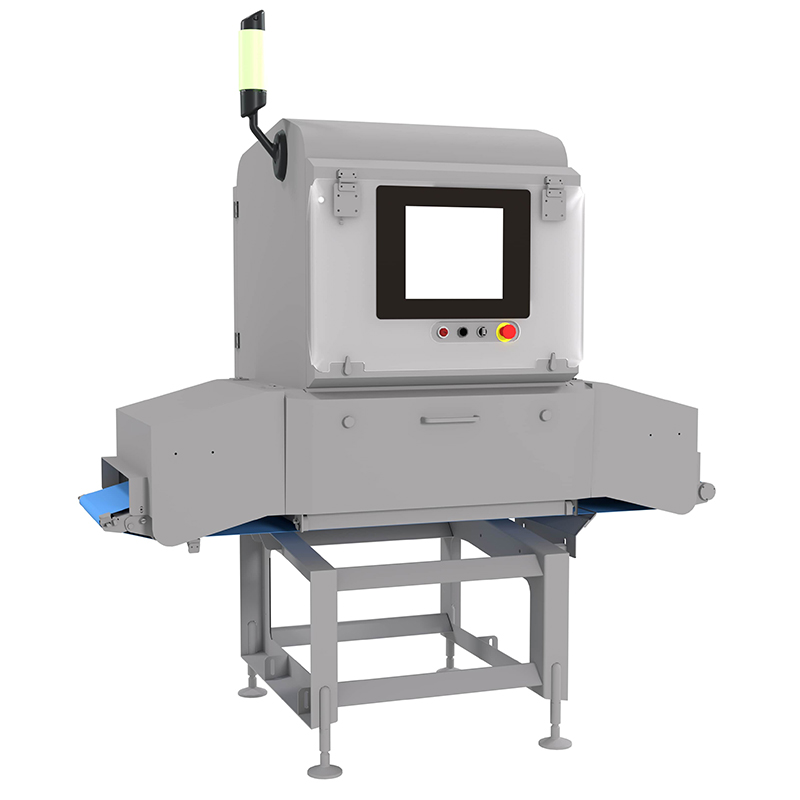
Chicken bone inspection, global poultry AI databas...
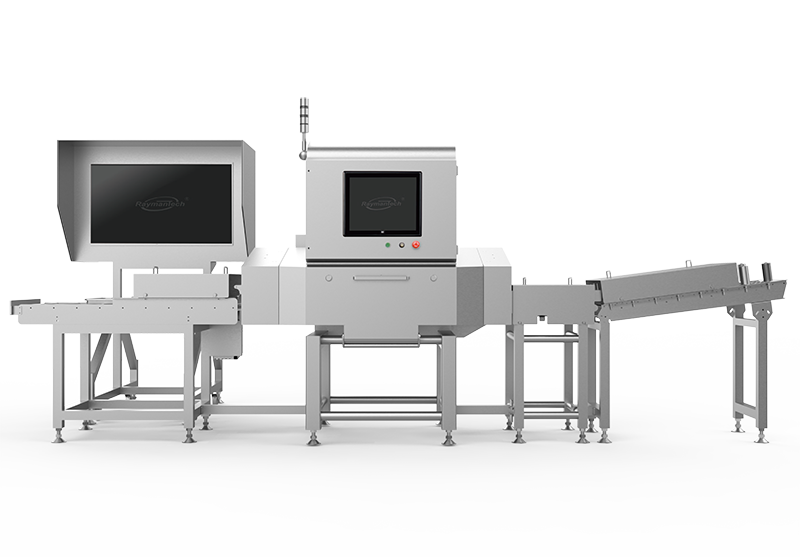
Automatic recognition and rejection, fish bone ins...
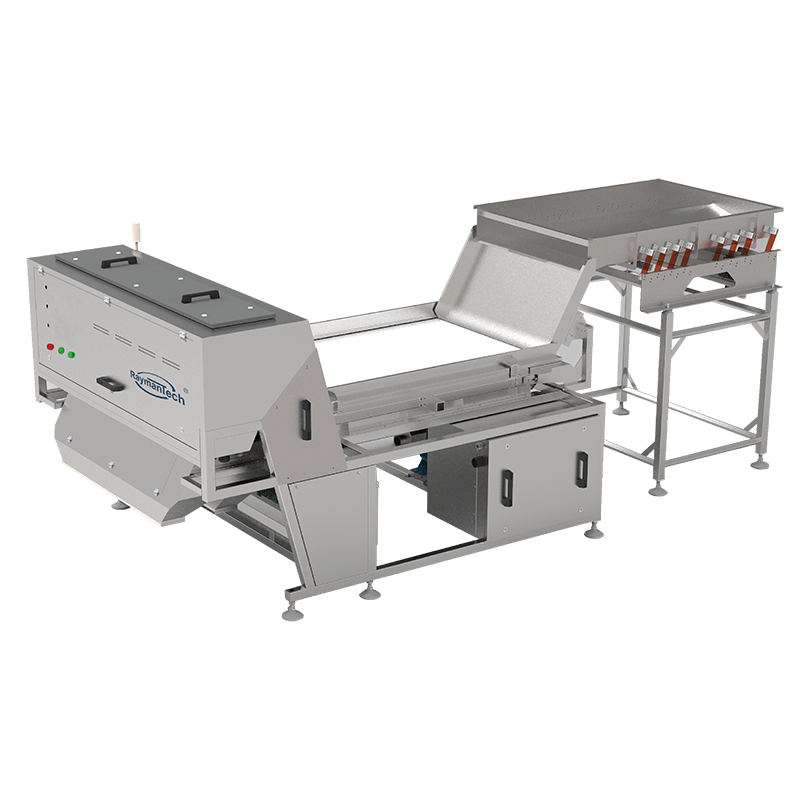
Recommedation: Chili, walnut, peanuts, soybeans, c...
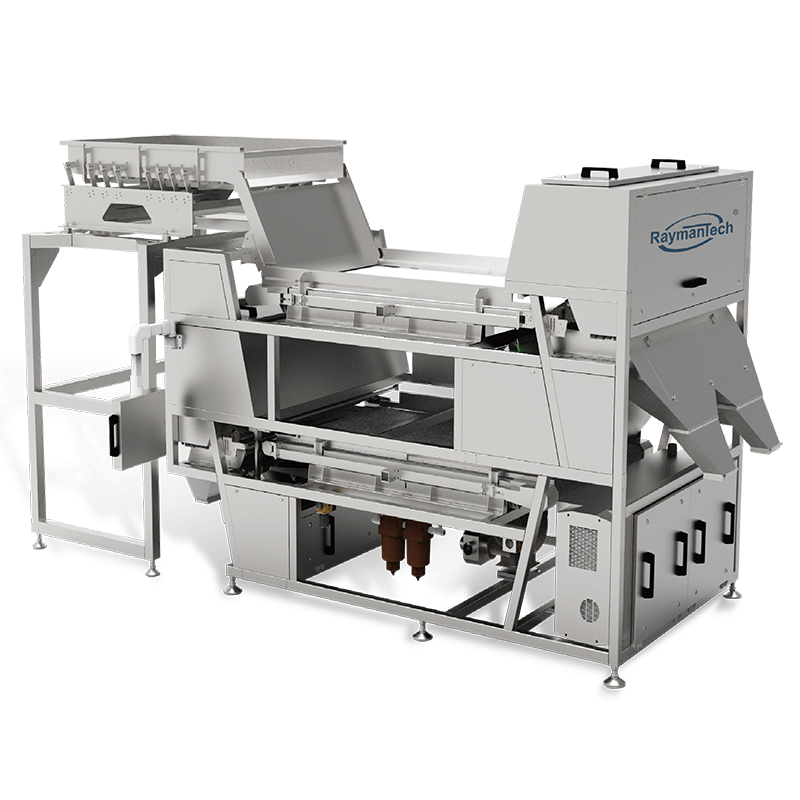
Recommedation: Chili, walnut, peanuts, soybeans, c...
Select the most popular foreign trade service products to meet your diverse needs
Select the most popular foreign trade service products to meet your diverse needs










User Comments
Service Experience Sharing from Real Customers
Michael Thompson
Quality Control ManagerThis AI system revolutionized our ingredient inspection process. It reduced false positives by 80% while catching contaminants our human team occasionally missed. The predictive maintenance feature alone saved us $50k in downtime this quarter.
Sarah Chen
Supply Chain DirectorThe demand forecasting AI has been incredibly accurate for our perishable goods. Reduced our food waste by 35% while improving stock availability. The interface could be more intuitive, but the results speak for themselves.
David Rodriguez
Executive ChefAs a restaurant owner, the AI recipe optimization tool has been game-changing. It helped us create two new menu items that became instant bestsellers while reducing our ingredient costs by 18%. Customer satisfaction scores have never been higher.
Jennifer Park
Food Safety SpecialistThe AI-powered compliance monitoring system has made audit preparation effortless. It automatically tracks regulatory changes across multiple jurisdictions and flags potential issues weeks in advance. Implementation was smooth and the support team is responsive.