 English EN
 中国 CN
中国 CN

Comprehensive Introduction to IP69K Protection Rating — The Gold Standard for Equipment in Meat and Food Processing Environments
Why do IP65/IP67 fail in food plants? Discover the...
More

An x-ray inspection system is a critical investment. It protects a food business's brand reputation and ensures the highest level of product safety. This technology is essential for meeting strict regulatory and retailer compliance standards. Investing in a food x ray inspection machine also provides a significant and measurable return on investment.
A primary advantage of x-ray inspection is its superior detection capability. It empowers food producers to find foreign bodies that other systems miss, significantly elevating product safety standards.
Traditional metal detectors are a valuable tool. They identify contaminants by sensing disruptions in a magnetic field. However, this method limits their effectiveness to only metals and other conductive objects. A modern food x ray inspection machine operates on a different principle. It analyzes density variations between a product and any potential foreign object.
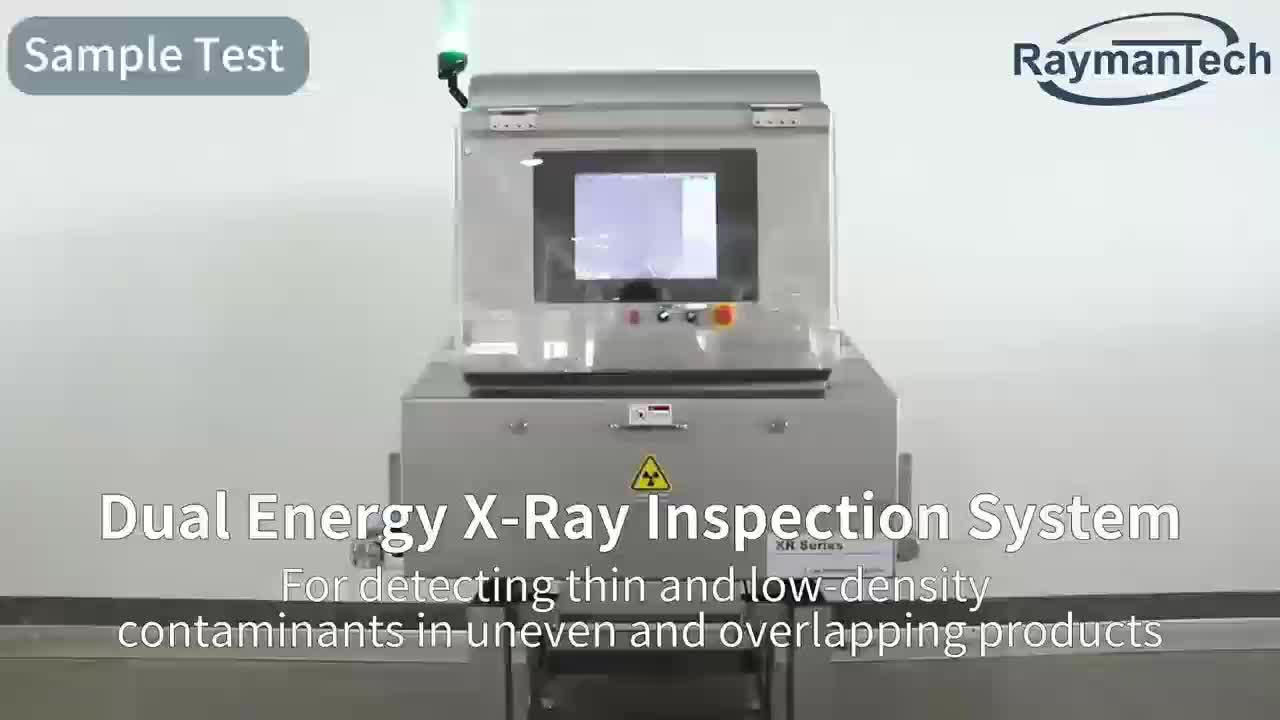
X-ray systems create an image based on density. Denser contaminants like glass or stone appear as darker shadows, making them easy to identify even when non-metallic.
This technology allows for the detection of a much wider spectrum of materials, providing a more comprehensive safety net.
Many of the most common physical hazards in food production are non-metallic. X-ray inspection systems excel at finding these hidden dangers. Sources of contamination are diverse and can enter the production line unexpectedly. Common examples include:
Glass fragments from broken jars, light fixtures, or gauges.
Calcified bone in meat, poultry, and fish products.
Stones and rocks that may be harvested along with raw agricultural goods.
High-density plastics and rubber from worn or broken machinery parts like gaskets or conveyor belts.
Detecting these materials is crucial for preventing consumer injury and costly recalls.
Product packaging presents a significant challenge for inspection. Metal detectors often cannot inspect products packaged with metallized film, foil lids, or in metal cans. The packaging itself triggers the detector, rendering it ineffective. X-ray systems overcome this obstacle. They can effectively scan through many packaging types, including glass jars, metal cans, and foil pouches. The system's software can differentiate the packaging from a contaminant inside, ensuring that items like metal fragments, glass shards, or stones are found before the product leaves the facility.
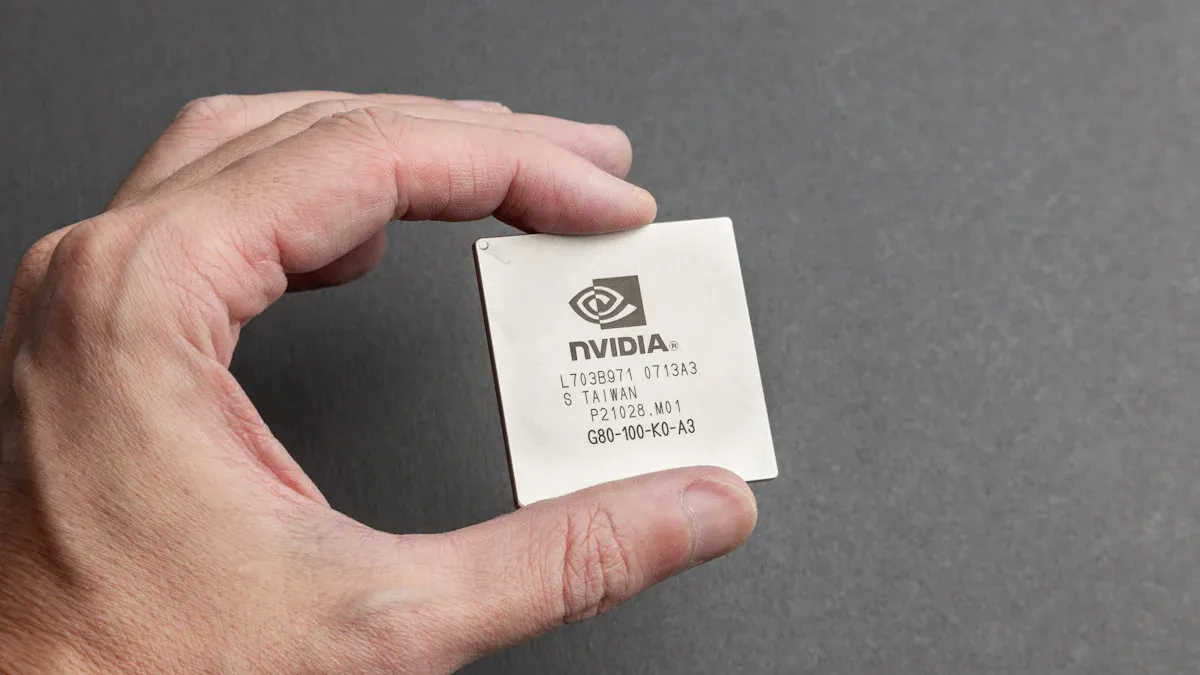
Protecting a brand and its consumers is the foremost responsibility of any food business. An investment in advanced inspection technology is a direct investment in the company's long-term viability and public image. It serves as a powerful defense against the catastrophic consequences of a food safety failure.
A product recall is one of the most destructive events a food company can face. The immediate costs of logistics, product destruction, and legal settlements are immense. For example, Merck's Vioxx recall led to a $25 billion drop in market capitalization and billions in settlements. Recalls also cause a company's stock price to fall, which erodes investor confidence and shareholder wealth. A food x ray inspection machine acts as a critical control point, identifying and removing contaminated products before they ever leave the facility. This proactive measure prevents the financial and operational chaos associated with a public recall.
Consumer trust is a fragile asset that is hard-earned and easily lost. A single safety incident can undo years of brand-building efforts. Research shows the severe impact of recalls on consumer loyalty:
55% of consumers will temporarily switch brands.
21% will avoid all products from the manufacturer.
15% will never purchase the recalled product again.
These statistics highlight a significant loss of market share. By demonstrating a commitment to the highest safety standards, companies build a foundation of trust. Consumers feel confident that the products they purchase are safe, which fosters loyalty and repeat business.
A company's reputation is its most valuable, yet intangible, asset. A major recall can trigger widespread negative media coverage, amplifying public skepticism and tarnishing a brand for years. The 2008 recall of 143 million pounds of beef is a stark reminder of how a single incident can inflict lasting reputational damage. Proactively investing in superior inspection technology safeguards a company's name. It sends a clear message to partners, retailers, and consumers that the brand prioritizes safety above all else, mitigating risk and preserving its market position.
Navigating the complex landscape of food safety regulations is a major challenge. X-ray inspection technology provides a robust solution for meeting and exceeding these stringent requirements, securing a company’s place in the market.
Global Food Safety Initiative (GFSI) schemes like BRCGS require a documented risk assessment for foreign body contamination. While no law explicitly mandates x-ray use, these systems are an ideal solution for compliance. They serve as a validated Critical Control Point (CCP) within a HACCP plan, actively preventing hazards from reaching consumers. An x-ray system directly addresses key clauses:
Clause 4.10.1.1 (BRCGS): It provides the documented equipment needed to detect and remove foreign bodies.
Clause 2.7.3 (BRCGS): It acts as a critical control measure to eliminate physical hazards to an acceptable level.
This makes the technology an essential tool for any facility seeking GFSI certification.
Leading retailers increasingly set their own safety standards that go beyond federal regulations. To gain or maintain contracts, suppliers must meet these specific mandates.
For example, as of April 1, 2023, Costco requires its food product suppliers to implement a comprehensive foreign material control program. This program includes mandatory x-ray inspection for most finished products, making the technology a prerequisite for doing business with the retail giant.
Failing to adopt this technology can lock a business out of lucrative supply chains.
Proving compliance is just as important as achieving it. Modern x-ray inspection systems create an indisputable digital trail for due diligence. Advanced software automatically captures and stores time-stamped data and images for every product inspected. This creates a detailed, easily accessible record for internal reviews or external audits. During an audit, a company can instantly provide verifiable proof of its inspection processes, demonstrating a proactive commitment to food safety and protecting the business from liability.
An x-ray inspection system is a multi-functional quality assurance tool. Its capabilities extend far beyond just finding contaminants. This technology provides comprehensive checks that protect product integrity and consistency, ensuring every item meets brand standards.
A food x ray inspection machine performs detailed visual inspections that a simple scale cannot. It ensures the completeness and quality of packaged goods. For example, it can identify a missing item in a variety pack even if the total package weight is within tolerance. This prevents customer complaints and upholds brand promises. The system can detect numerous physical defects, including:
Broken or incomplete products, such as a cracked cookie.
Products with incorrect shapes or deformities.
Unwanted air bubbles in products like sausages.
Missing components, like a promotional item inside a cereal box.
This level of inspection guarantees that only perfect products reach the consumer.
Inconsistent fill levels and weights lead to product giveaway and unhappy customers. X-ray systems offer a precise solution for monitoring both.
The system analyzes a product's grayscale image. Denser areas appear darker, allowing the software to calculate the product's total mass. For fill levels, the system performs a simple 2D check, rejecting any container where the contents do not reach a pre-set height.
This dual capability ensures compliance with weights-and-measures regulations. It also maximizes yield by preventing costly overfills.
A compromised package seal can lead to product spoilage, reduced shelf life, and potential safety risks. X-ray inspection technology helps verify seal integrity on various packaging types, including metal cans and pouches. The system can detect product caught in the seal area or other packaging defects that might compromise the closure. By catching these issues on the line, companies prevent spoiled products from reaching store shelves, protecting both consumers and brand reputation.
Beyond safety and quality, an x-ray inspection system significantly enhances a facility's operational efficiency. This technology streamlines production by minimizing disruptions and automating critical checks, directly impacting the bottom line. It transforms quality control from a potential bottleneck into a driver of productivity.
False rejections create unnecessary waste and slow down production. Traditional metal detectors can be prone to "product effect," where high salt or moisture content triggers a false alarm. This leads to the needless disposal of perfectly good products.
X-ray inspection systems are not affected by these product characteristics. They analyze density, not conductivity, resulting in far greater accuracy and a dramatically lower false rejection rate. This precision eliminates the need to desensitize equipment, which would otherwise risk missing actual contaminants.
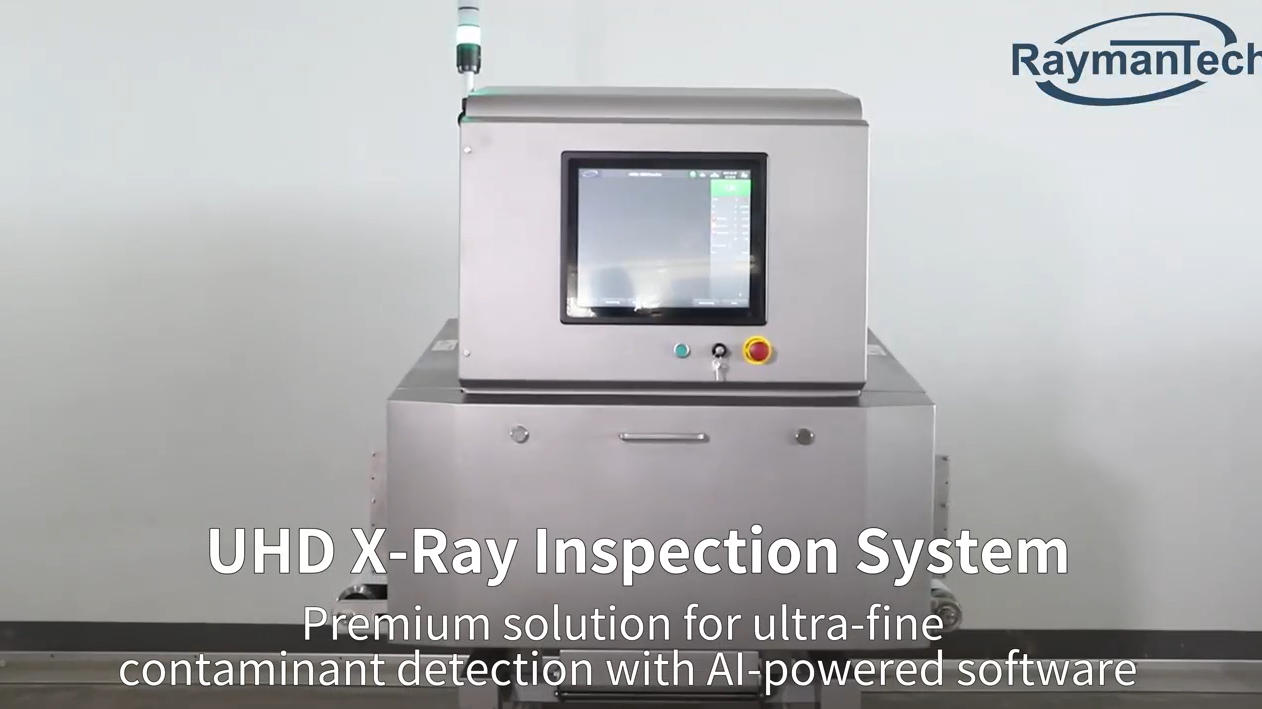
Modern systems use advanced algorithms and AI data analysis to further refine screening and minimize incorrect rejections.
Every false rejection stops the line, requiring operators to investigate and often rework or discard the product. Reducing these interruptions directly boosts throughput. The benefits are substantial:
Fewer rejections mean less time spent on manual inspections and reprocessing.
Consistent line operation increases the number of units produced per shift.
Reduced waste lowers costs associated with raw materials, energy, and labor.
By accurately identifying only truly contaminated or defective items, a food x ray inspection machine keeps the production line moving, maximizing output and profitability.
Automated X-ray Inspection (AXI) replaces inconsistent manual checks with a reliable, high-speed process. These systems work tirelessly, inspecting every single product with the same precision. This automation provides reliable and consistent inspection results, removing the potential for human error and standardizing quality across all shifts. AXI systems also integrate seamlessly with other plant management software, providing real-time data for process optimization. This creates a fully connected and efficient quality assurance ecosystem.
Adopting advanced inspection technology is not just a defensive move. It is a strategic offensive that sets a brand apart from its competitors in a crowded marketplace. This investment becomes a powerful tool for market differentiation and growth.
Today's consumers are more informed and vigilant about food safety than ever before. A company can leverage its investment in x-ray inspection as a powerful marketing asset. By highlighting this commitment, a brand enhances transparency and builds consumer confidence. Key marketing messages can include:
Ensuring Safer Products: Communicating that the technology finds hard-to-see contaminants like small bones or glass fragments.
Demonstrating Quality: Showcasing the investment in cutting-edge platforms as proof of a dedication to the highest standards.
Building Trust: Assuring customers that products undergo rigorous, verifiable safety checks before leaving the facility.
This transparency directly addresses consumer demand for safer, contaminant-free foods.
Many lucrative business opportunities are protected by high barriers to entry, specifically stringent safety and quality standards. Having a robust x-ray inspection program unlocks access to these exclusive markets.
Some national grocery chains, major food service providers, and international markets will not partner with suppliers who cannot meet their advanced foreign material detection protocols.
Implementing this technology moves a business from being merely compliant to being a preferred supplier, opening doors to new contracts and revenue streams that competitors cannot access.
A proactive approach to food safety elevates a brand's status from a simple producer to an industry leader. This commitment signals to the market that the company prioritizes long-term quality and consumer well-being over short-term cost savings. This leadership position strengthens relationships with retailers, builds unshakable consumer loyalty, and creates a premium brand identity that justifies customer trust and commands respect in the industry.
An x-ray inspection system is a significant capital expenditure. However, the financial returns it generates often far outweigh the initial cost. A comprehensive Return on Investment (ROI) analysis reveals that this technology is not just a safety measure but a powerful driver of profitability. Many businesses see a full payback in just 12 to 36 months.
The most compelling financial argument for an x-ray system is its ability to prevent a catastrophic product recall. A single recall event can be financially devastating. A joint study by the Food Marketing Institute and the Grocery Manufacturers Association found that the average direct cost of a food recall is a staggering $10 million. This figure includes expenses for notifications, product retrieval, and disposal.
The total cost extends far beyond these direct expenses. Businesses must also account for internal administrative costs, such as the labor hours from quality, legal, and operations teams, as well as external costs like third-party audits and customer penalties. Preventing just one recall can justify the investment in a food x ray inspection machine many times over.
A food x ray inspection machine boosts profitability by minimizing product waste. Its high precision and low false rejection rate mean that good products are not needlessly discarded. Unlike other systems affected by product characteristics, x-ray technology accurately identifies only non-compliant items. This precision prevents unnecessary production downtime and rework. By integrating inspection at critical points, contamination is caught early, reducing the volume of products that must be discarded. This efficiency directly increases manufacturing yield and maximizes profit.
Selecting the right system is crucial for maximizing ROI. A business must consider several key factors to ensure the machine aligns with its specific needs.
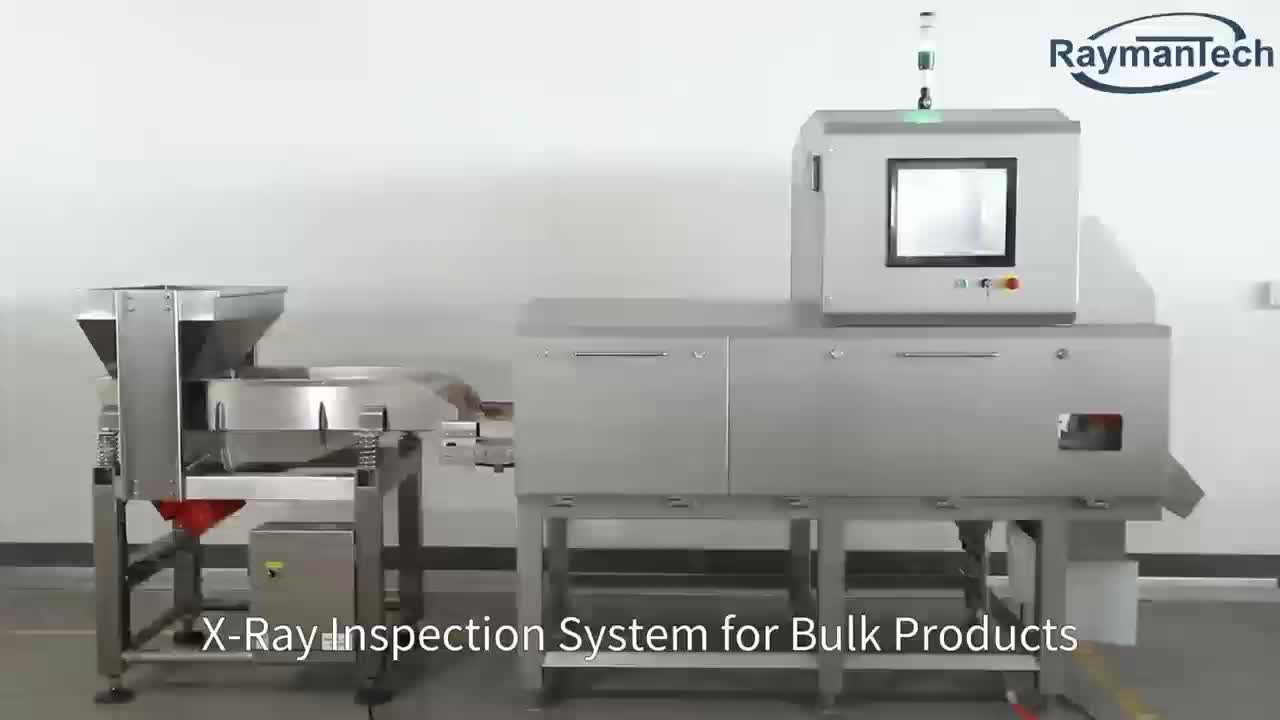
Application Compatibility: The system must match the product type (bulk, packaged, or bottled), packaging material, and production line speed.
Hygiene and Safety: The machine should feature a hygienic design for easy cleaning and meet all safety standards for operator radiation exposure, which is lower than natural background radiation.
Integration and Operation: Look for a system with an intuitive interface and the ability to integrate with other plant software for seamless data reporting and traceability.
By carefully evaluating these factors, a company can choose a system that delivers optimal performance, ensures compliance, and provides the strongest possible financial return.
Investing in a food x ray inspection machine is a proactive growth strategy, not just a defensive measure. The seven key benefits prove its essential role in modern food production. Integrating this critical technology helps a business achieve its most important goals.
Protect the brand
Ensure compliance
Drive business growth
Contact us today to find the right x-ray inspection solution for your production line.
Yes. Food x-ray inspection systems do not affect food safety, taste, or texture. The energy levels are extremely low. The food does not become radioactive or lose nutritional value.
X-ray systems identify contaminants based on density differences. Metal detectors find objects using magnetic fields. This allows x-rays to find non-metallic items like glass, stone, and bone.
✅ Absolutely. Modern systems have robust shielding and safety interlocks. Operator radiation exposure is typically less than the natural background radiation a person receives from the environment every day.

We provide you with comprehensive foreign trade solutions to help enterprises achieve global development
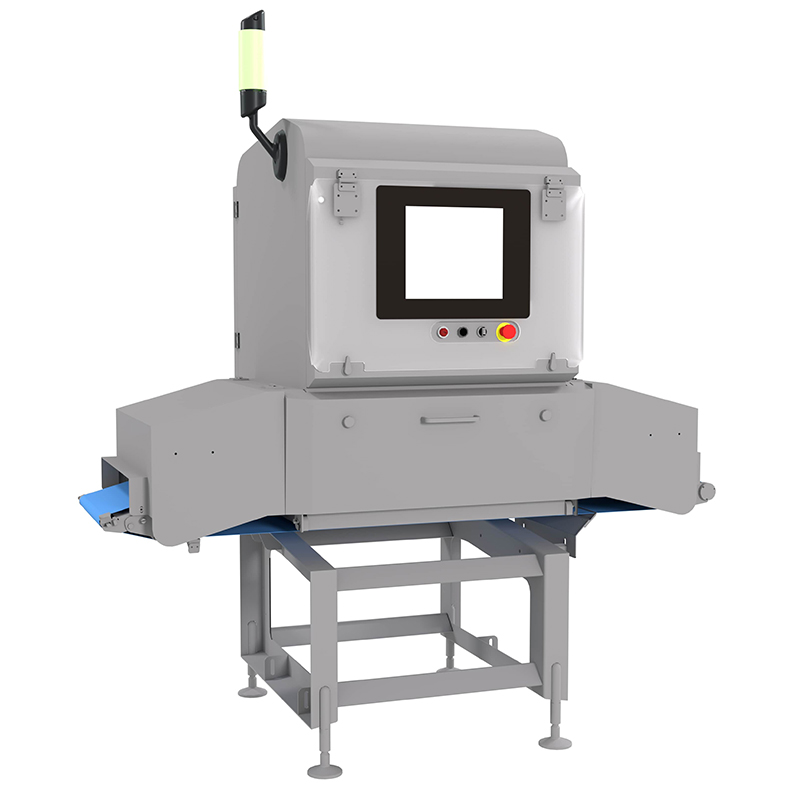
Both fat analysis and contaminant inspection (bone...
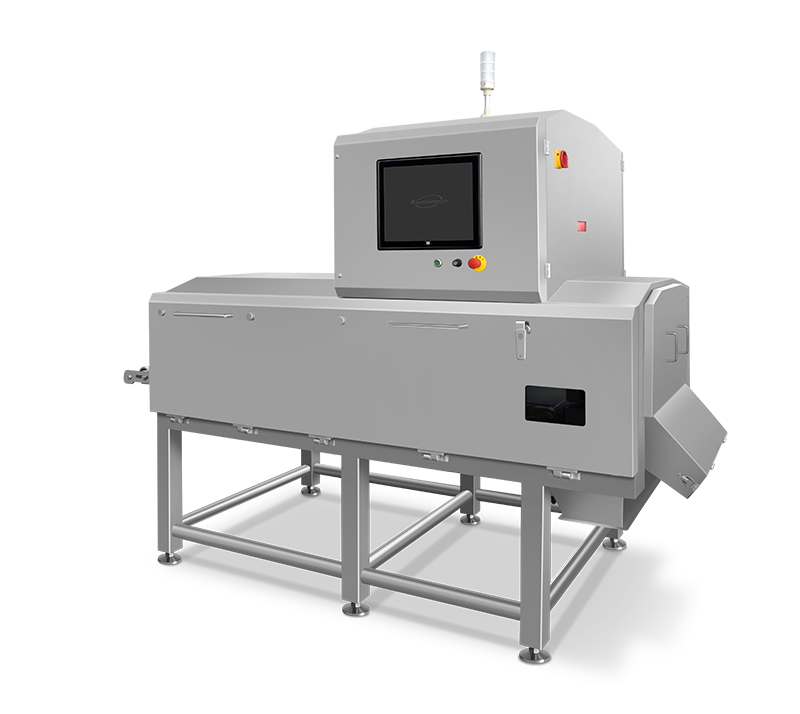
Conventional and unconventional contaminant detect...
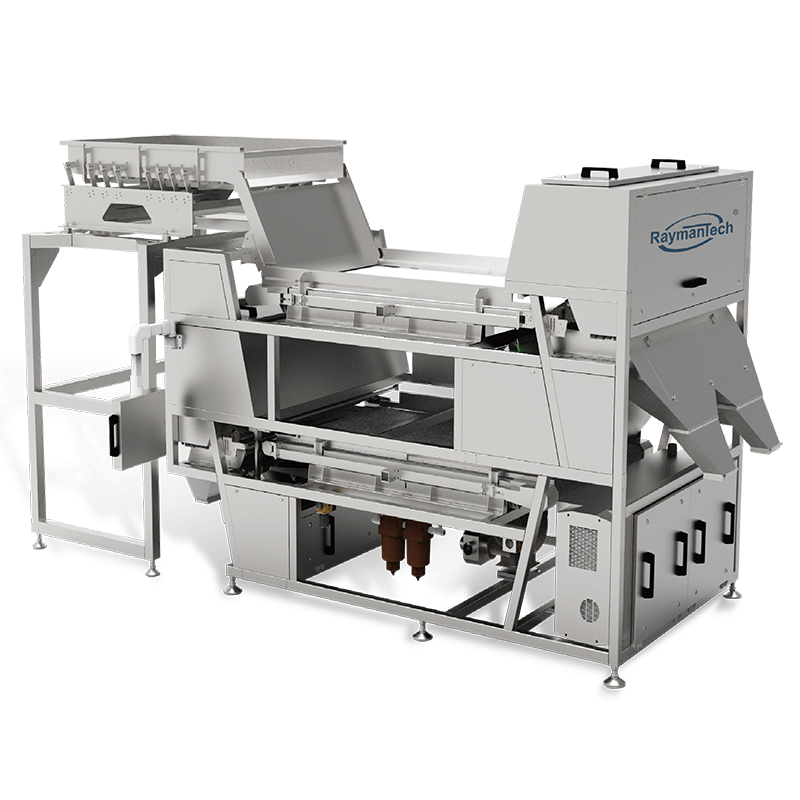
Recommedation: Chili, walnut, peanuts, soybeans, c...
.png)
Recommedation: Aquatic products, pet food, candy, ...
Select the most popular foreign trade service products to meet your diverse needs
Select the most popular foreign trade service products to meet your diverse needs







User Comments
Service Experience Sharing from Real Customers
Michael Rodriguez
Quality Control ManagerThis food x-ray inspection machine has revolutionized our quality control process. The detection accuracy for foreign objects like metal fragments and glass shards is exceptional. We've significantly reduced product recall risks since installation.
Sarah Chen
Production SupervisorOutstanding performance in detecting contaminants in our packaged snacks. The machine's user-friendly interface and quick calibration make it perfect for our fast-paced production line. Maintenance requirements are minimal and reliability is top-notch.
David Thompson
Plant ManagerHighly impressed with the machine's ability to identify bone fragments in our poultry products. The image clarity is excellent and the automated rejection system works flawlessly. Training our operators was straightforward and the technical support team is responsive.
Jennifer Williams
Food Safety DirectorThis x-ray inspection system has been a game-changer for our compliance with food safety regulations. It consistently detects even the smallest foreign materials while maintaining high throughput. The data logging features are perfect for audit documentation.