 English EN
 中国 CN
中国 CN
.png)

Introduction to RaymanTech Optical Sorters for Farm Products and Food Processors
RaymanTech, as a leading provider of inspection an...
More

A hybrid green beans optical sorter provides the most comprehensive solution by combining technologies. When a processor must choose a single system, the decision hinges on their main sorting challenge.
Cameras address product quality like color and blemishes. Lasers ensure food safety by removing dangerous foreign materials.
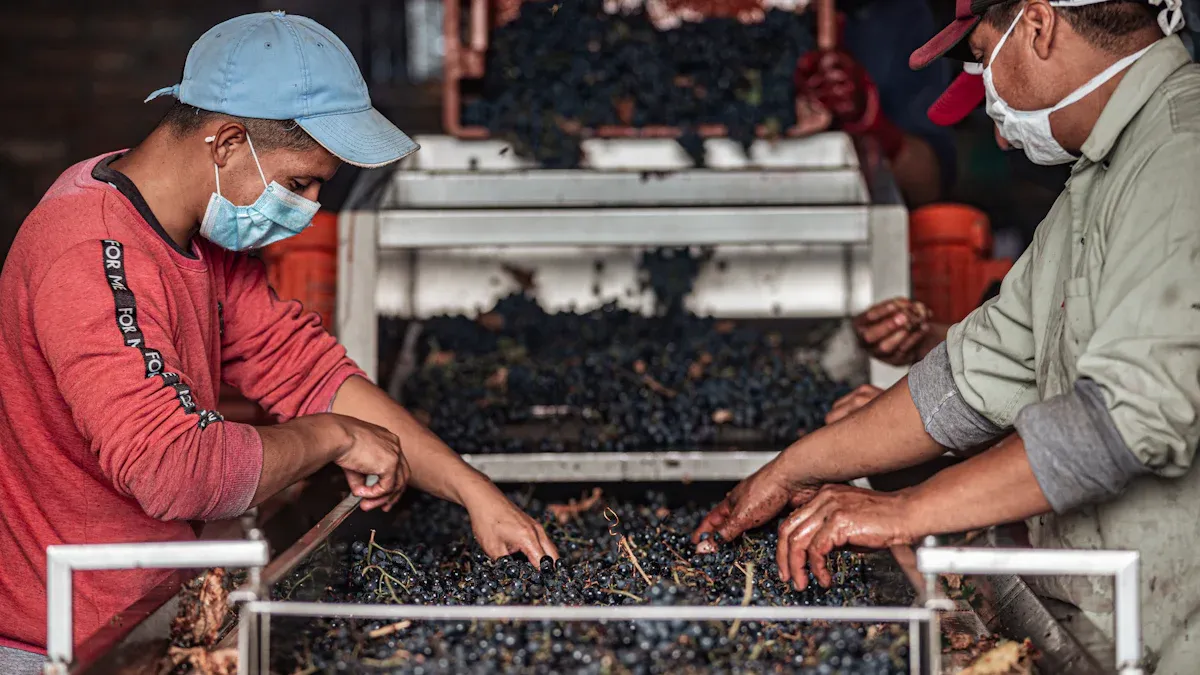
Camera-based systems are the specialists for assessing the visual quality of green beans. They function as a high-speed, automated inspection team, ensuring every bean meets precise appearance standards. A modern green beans optical sorter uses this technology to protect brand reputation by delivering a consistently high-quality product.
The sorting process begins as green beans pass through the machine's inspection zone. High-resolution CCD cameras capture detailed, real-time images of each individual bean from multiple angles. These advanced cameras can detect imperfections as small as 0.04 mm. The system’s computer then analyzes these images, comparing them against pre-set quality parameters for acceptable color, size, and shape.
Beyond standard color, many systems employ multispectral imaging. This technology captures data from light spectrums invisible to the human eye, such as near-infrared (NIR). It reveals subtle defects related to chlorophyll content or moisture, identifying issues like chlorosis (yellowing) long before they become obvious visual flaws.
The primary strength of camera sorting is its ability to enforce strict product quality and grading. By identifying and ejecting undesirable beans, processors can consistently meet stringent industry benchmarks, such as the USDA grades for frozen green beans (U.S. Grade A, B, and C). This capability is crucial for achieving premium pricing.
Cameras excel at detecting a wide range of visual defects, including:
Black, sour, or faded beans
Insect-damaged or nipped beans
Immature or shrunken beans
Broken or crushed pieces
This precise defect removal ensures the final product is uniform, vibrant, and free from blemishes, directly impacting consumer satisfaction and brand loyalty.
While cameras focus on appearance, laser-based systems prioritize food safety. A laser-equipped green beans optical sorter acts as a guardian against dangerous contaminants that could otherwise end up in the final package. This technology is the frontline defense for preventing product recalls and protecting consumers.
Lasers operate on a more advanced principle than simple color detection. They analyze the unique structural and chemical properties of objects passing through the inspection zone. The key technology for green vegetables is chlorophyll fluorescence. A laser illuminates each item with a specific wavelength of light. The chlorophyll within a healthy green bean absorbs this energy and re-emits it as light at a different wavelength, a process called fluorescence.
Foreign materials like green plastic, wood, or insects lack chlorophyll. They do not fluoresce under the laser. The sorter’s sensors instantly detect this difference in light signature, identifying the object as a contaminant and triggering its ejection, even if it is the exact same color as a good bean.
The undeniable strength of laser sorting is its unmatched ability to remove hazardous foreign material (FM). This capability is non-negotiable for any processor concerned with food safety compliance and brand protection. Lasers effectively identify and remove a wide array of contaminants that are inadvertently collected from the field during harvest.
Common foreign materials removed by lasers include:
Stones, glass, and metal fragments
Insects and small animals
Undesirable vegetable matter like pods, thorns, or wood
Plastics and other man-made debris
By eliminating these dangerous items, laser sorters prevent consumer injury, minimize the risk of costly recalls, and ensure the final product is safe for consumption.
Neither camera nor laser technology offers a perfect, standalone solution. Each system has inherent limitations that create significant gaps in detection. Understanding these blind spots is crucial for processors aiming for total product integrity.
A camera-based sorter is only as effective as what it can see. Its primary weakness is its inability to reliably detect foreign material that matches the color of the product. This creates a serious food safety risk.
Cameras struggle to identify contaminants like clear glass or light-colored plastics. These materials often blend in with the green beans or the conveyor belt, making them nearly invisible to color image processing algorithms.
Furthermore, camera performance depends heavily on a controlled environment. External factors can easily compromise inspection accuracy.
Inconsistent Lighting: Ambient factory light or sunlight creates uneven illumination and glare, obscuring defects.
Reflective Surfaces: Glare from wet beans or the conveyor can create bright spots that hide imperfections.
Environmental Debris: Dust and particulates in the air can reduce lighting effectiveness and overall image clarity.
Lasers operate on a different principle, which creates its own set of limitations. While excellent for detecting foreign material, a laser sorter cannot perform quality-based grading. The technology identifies objects based on their structural properties, primarily the presence of chlorophyll.
A laser sees a pale, low-quality bean and a vibrant, high-quality bean as the same because both fluoresce. It cannot distinguish between different shades of green to sort beans into premium and standard grades. This makes it unsuitable for processors who need to meet specific visual quality standards like U.S. Grade A. The laser’s job is safety, not aesthetic grading.
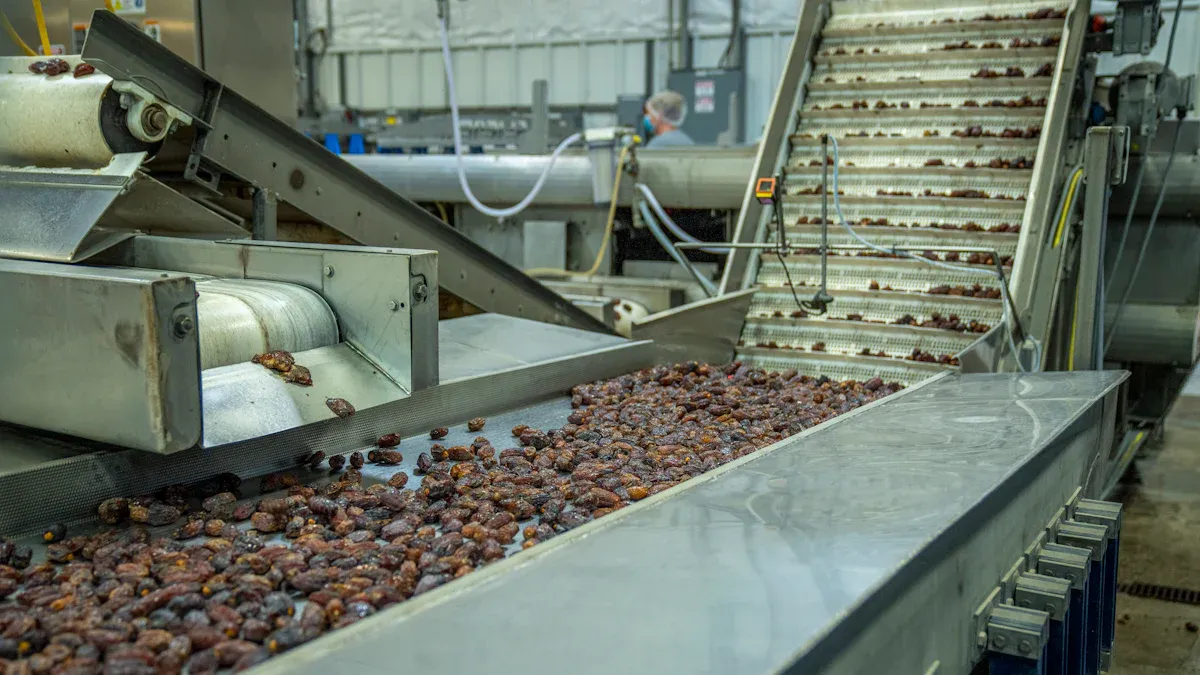
A hybrid system represents the pinnacle of sorting technology. It integrates cameras and lasers into a single, streamlined machine. This approach eliminates the trade-offs between quality and safety by creating a comprehensive inspection solution that addresses the weaknesses of each individual technology.
Hybrid sorters provide complete inspection coverage in a single pass. As green beans flow through the machine, they are simultaneously scanned by both high-resolution cameras and advanced lasers. The system's software fuses the data from both technologies. It creates a detailed profile of each object to make highly accurate accept-or-reject decisions. This dual-detection method ensures that no defect or contaminant goes unnoticed.
Leading manufacturers offer robust hybrid solutions for vegetable processors. For example, some of the most advanced systems on the market include:
The Manta Digital Camera / Laser Sorter
The Optyx Digital Camera/Laser Sorter
These machines combine powerful imaging and laser detection to deliver total product integrity.
The nature of green bean harvesting and processing makes a hybrid green beans optical sorter the ideal choice. Mechanical harvesting often introduces a wide array of foreign material, from field debris like wood and stones to man-made contaminants like plastic. At the same time, processors must meet strict grade standards based on color, blemishes, and size.
A hybrid sorter offers the best of both worlds. It empowers processors to remove dangerous, same-color foreign material with lasers while simultaneously using cameras to grade for visual quality and remove product defects.
This all-in-one capability ensures the final product is both safe for consumption and visually appealing to the consumer. It provides the highest level of brand protection and quality assurance possible.
While a hybrid system offers the most complete protection, budget constraints may force a choice between standalone camera or laser units. The optimal decision for a single green beans optical sorter depends entirely on a processor's primary business objective: achieving premium product quality or guaranteeing absolute food safety.
Processors must evaluate their greatest risk and biggest opportunity. A camera-based sorter is the right choice for businesses competing on product appearance. It excels at grading and removing blemishes to meet strict customer specifications for premium-tier products. A laser sorter, however, is the essential choice for processors whose top priority is mitigating food safety risks. It provides the critical defense against hazardous foreign materials that cameras cannot see.
The decision boils down to a simple question: Does a batch rejection due to poor color grade cost more than a product recall due to a piece of glass? The answer will point to the correct technology.
Calculating the return on investment (ROI) for an optical sorter requires looking beyond the initial purchase price. A comprehensive analysis considers all associated costs to determine the machine's true value over its lifespan. Processors should account for both immediate and ongoing operational expenses.
Key cost factors to include in an ROI calculation are:
Energy consumption and maintenance needs
Software updates and operator training
Installation and integration factors, including:
Facility requirements like floor load capacity and ceiling height
Adherence to safety protocols
Electrical and power infrastructure
Synergy with the existing production line
A thorough evaluation of these elements provides a realistic picture of the total cost of ownership and helps justify the investment.
A hybrid green beans optical sorter provides the gold standard for comprehensive protection. Processors must decide if their top priority is product appearance or food safety when choosing a single unit. Future systems integrating Artificial Intelligence (AI) will further boost sorting accuracy and efficiency.
💡 Key Takeaway: Cameras manage visual quality. Lasers guarantee food safety.
Cameras sort by color and shape to ensure product quality. Lasers detect foreign materials based on structural properties, which guarantees food safety and prevents recalls.
A hybrid sorter combining cameras and lasers is the ideal solution. It provides comprehensive inspection for both product quality and food safety, offering maximum brand protection.
Yes, modern optical sorters are versatile. Manufacturers design them to handle various product states, including fresh, blanched, and individually quick frozen (IQF) green beans with simple software adjustments.

We provide you with comprehensive foreign trade solutions to help enterprises achieve global development
.png)
Glass-in-glass / Metal-in-metal inspection, small ...
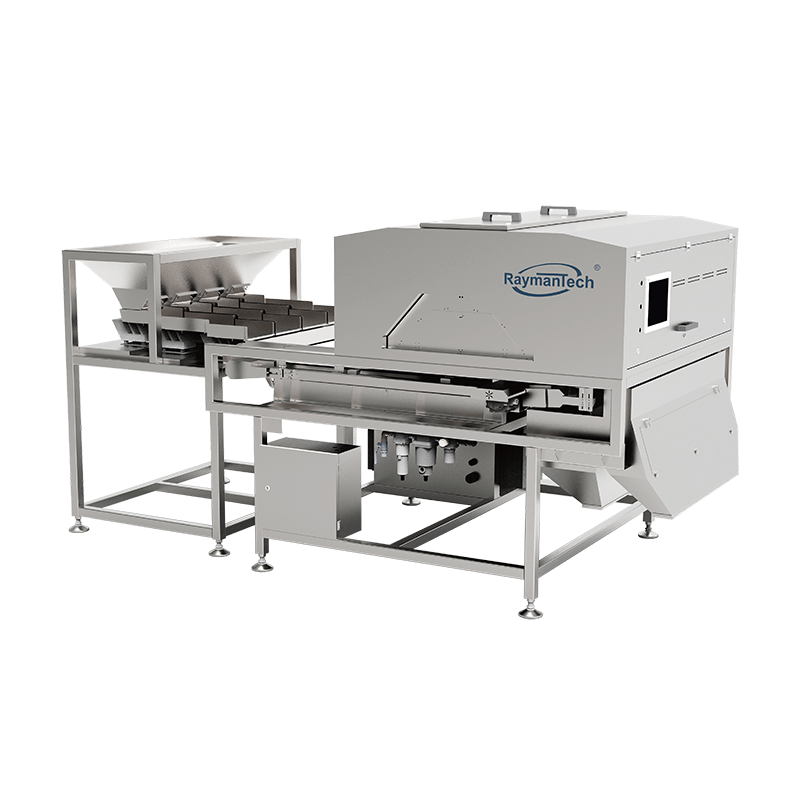
Recommedation: Small particle, flat products such...
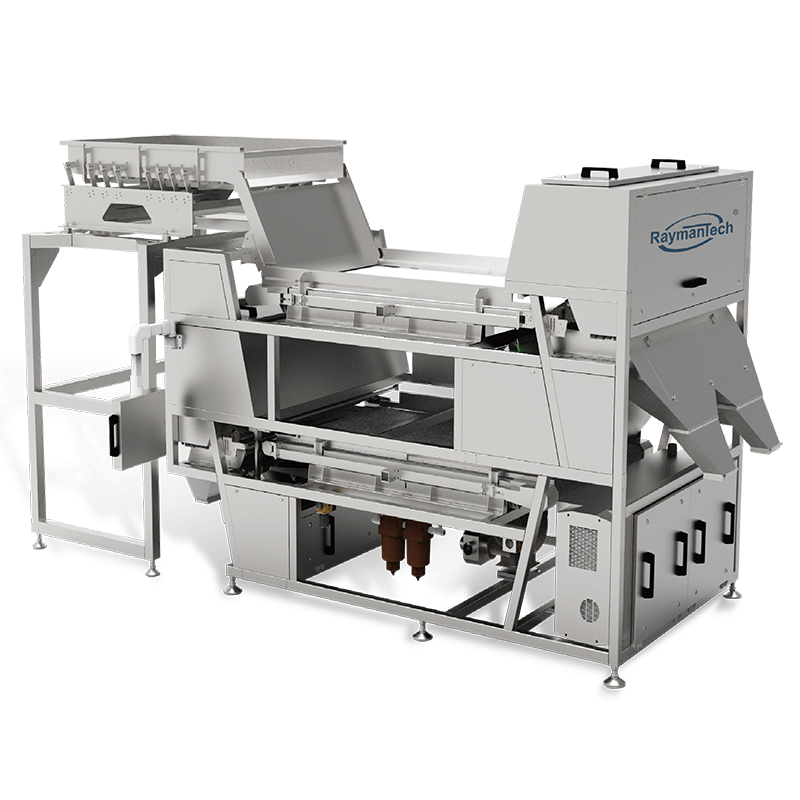
Recommedation: Chili, walnut, peanuts, soybeans, c...
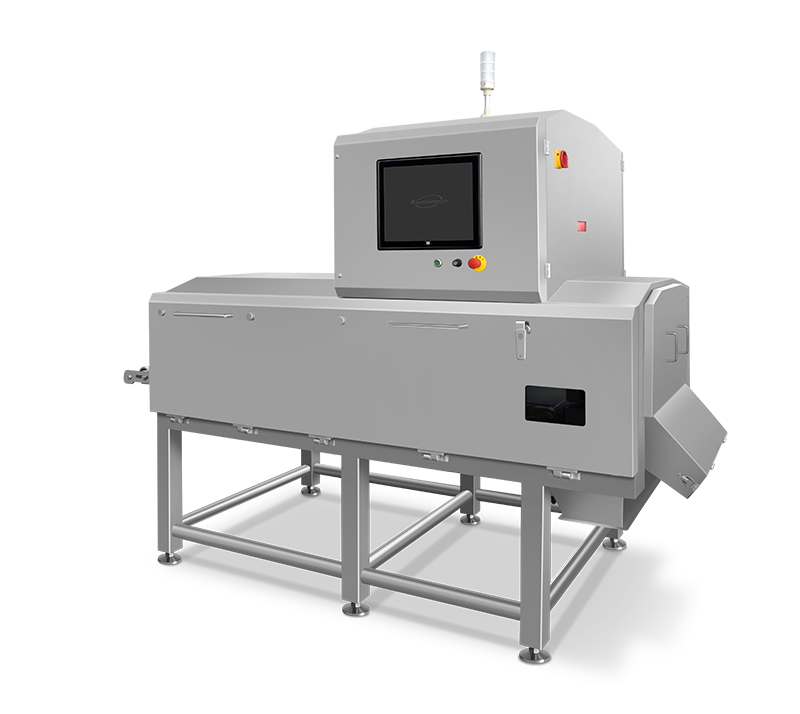
Conventional and unconventional contaminant detect...
Select the most popular foreign trade service products to meet your diverse needs
Select the most popular foreign trade service products to meet your diverse needs







User Comments
Service Experience Sharing from Real Customers
Michael Rodriguez
Quality Control ManagerThis green beans optical sorter has revolutionized our quality control process. The accuracy in detecting and removing defective beans is exceptional, and it has significantly increased our production efficiency.
Sarah Chen
Production SupervisorOutstanding performance! The optical sorter consistently delivers perfect sorting results with minimal maintenance required. It has greatly improved our product quality and reduced waste.
David Thompson
Operations DirectorHighly reliable green beans sorter that has streamlined our operations. The user-friendly interface and consistent performance make it a valuable asset to our processing line.
Jennifer Williams
Plant ManagerThis optical sorter exceeded our expectations. The precision in color sorting and defect detection is remarkable, resulting in superior quality green beans that meet our highest standards.