 English EN
 中国 CN
中国 CN
.png)

RaymanTech Whole-Chain Solution: A Deep Dive
Food safety and quality control demands have evolv...
More

An optical sorter significantly improves coffee quality. It removes defects from green and roasted beans. This technology ensures product consistency. However, the decision to invest involves careful consideration. Businesses must weigh the high cost against their specific scale and goals. A ground coffee optical sorter represents a major commitment.
| Metric | Value |
|---|---|
| Market Size 2024 | USD 799.2 Million |
| Market Size 2025 | USD 846.3 Million |
| Market Size 2035 | USD 1,500 Million |
| CAGR (2025-2035) | 5.9% |
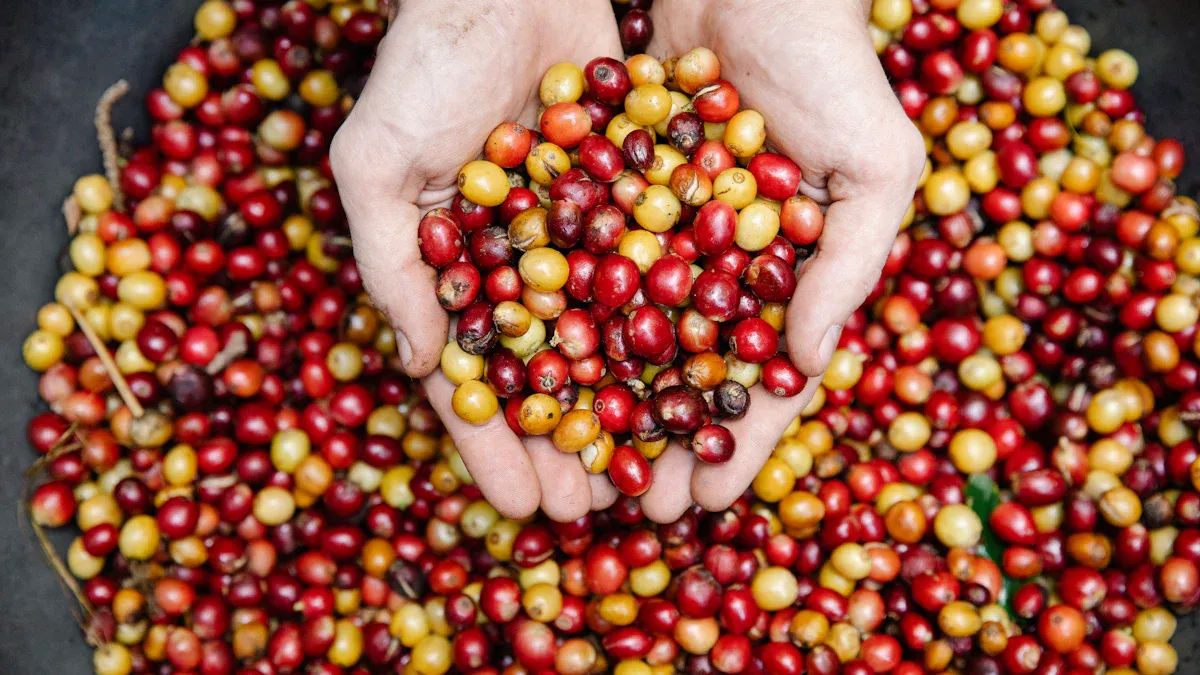
A ground coffee optical sorter automates quality control with remarkable precision. It uses advanced imaging technology to analyze and separate beans at high speeds, ensuring only the best ones make it into the final product.
The sorting process relies on a sequence of high-tech components working in unison. The machine operates through a clear, three-step process.
Inspection: High-resolution cameras, including full-color and Near-Infrared (NIR) systems, capture detailed images of each bean as it passes through the machine.
Recognition: Sophisticated software analyzes these images in real-time. It compares each bean against pre-defined criteria for color, size, and even chemical composition.
Ejection: When the system identifies a defective bean, it activates rapid-firing air jets that precisely eject the unwanted particle from the stream of good coffee.
Before roasting, a sorter is crucial for removing problematic green beans. It excels at identifying a wide range of issues that would otherwise spoil a batch. The technology detects subtle color variations that signal defects like mold, insect damage, or under-ripeness. It efficiently removes foreign materials such as sticks, stones, and metallic particles, protecting both the coffee's quality and the roaster's grinding equipment.
After roasting, a ground coffee optical sorter performs a final quality check. It identifies beans that did not roast properly, ensuring uniformity in the finished batch.
The machine’s sensors can detect frequencies beyond human perception. This allows it to spot defects like quakers (immature beans) that appear pale, as well as scorched, over-fermented, or underdeveloped beans.
This final pass guarantees that the coffee's flavor profile remains consistent and free from the off-tastes caused by imperfections.
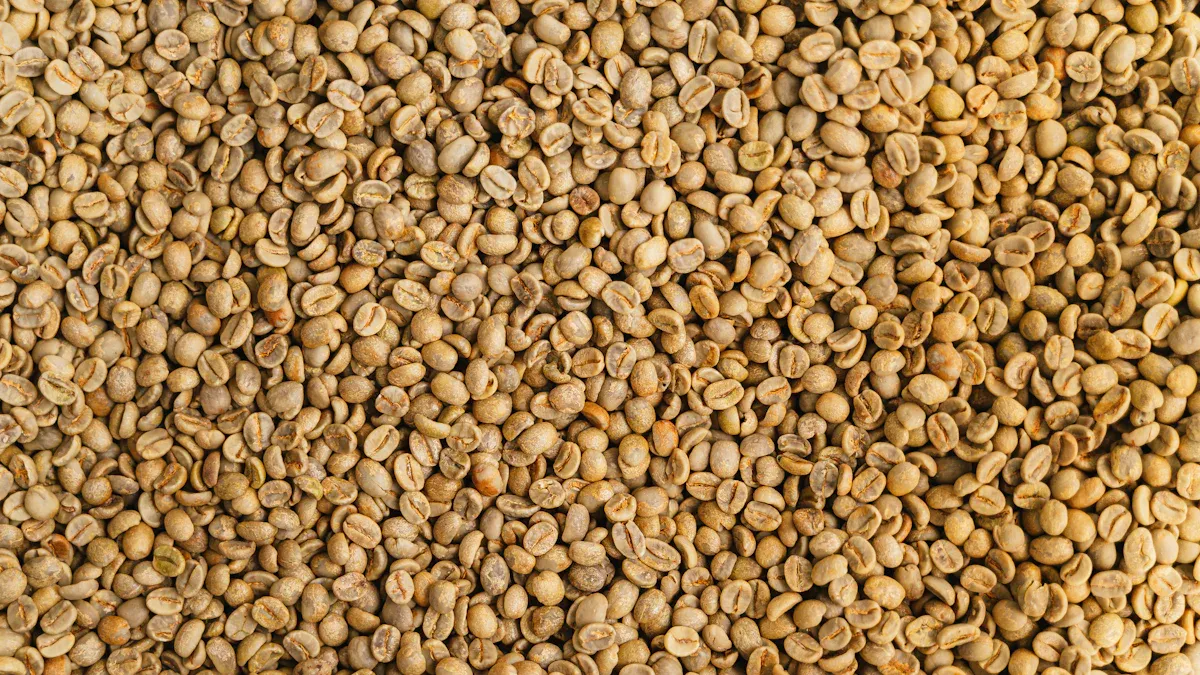
Investing in an optical sorter brings transformative advantages to a coffee business. The technology moves quality control from a subjective art to a data-driven science. This shift delivers measurable improvements in product quality, operational speed, and market standing.
An optical sorter provides the ultimate tool for quality assurance. It meticulously removes imperfections that human eyes can miss, guaranteeing a cleaner, more consistent final product. A ground coffee optical sorter elevates the sensory experience by eliminating the source of negative flavors before they reach the consumer.
Specific defects introduce distinct off-flavors:
Quakers (underripe beans): Create a dry, papery, or cereal-like taste.
Black beans: Impart harsh phenolic, fishy, or overly fermented notes.
Insect damage: Can lead to muted acidity and unpleasant sourness.
Burnt beans: Add ashen, smoky, and burnt flavors to the cup.
Broken beans: Roast unevenly and contribute to an unbalanced flavor profile.
Removing these defects directly translates to higher cupping scores. Research shows significant, quantifiable gains in quality after sorting.
| Bean Type | Improvement in Cupping Score |
|---|---|
| Light Green Hue | 3.25 points |
| Medium Hue | 1 point |
| Hue Sorting | Close to or over 2 points |
Industry experts and users confirm these results. Coffee reviewer Ken Davids suggests that the improved cup clarity from sorting can raise a coffee's rating by one to two points. Likewise, roasters using sorting technology report an average improvement of two to three points in their cup scores, especially for natural processed coffees.
Manual sorting is a labor-intensive, time-consuming, and error-prone process. Optical sorting automates this task with incredible speed and precision, dramatically increasing a roaster's production capacity. The technology operates continuously without fatigue, ensuring consistent performance around the clock.
This efficiency boost is substantial. A single machine can process huge volumes of coffee that would otherwise require a large team of workers. For example, a compact commercial unit like the SOVDA Pearl Mini processes up to 500 kg of green coffee or 250 kg of roasted coffee per hour. This level of throughput allows businesses to scale operations, reduce labor costs, and maximize their yields by minimizing human error.
A strong brand is built on trust, and trust is earned through consistency. Optical sorting is a powerful tool for building that trust. By delivering a consistently superior product free of defects, a roaster establishes a reputation for quality that customers can rely on. ☕
This consistency becomes a key market differentiator.
Enhanced Customer Satisfaction: Every bag of coffee meets the same high standard, leading to positive customer experiences and repeat purchases.
Increased Customer Loyalty: Consumers who trust a brand's quality are more likely to remain loyal, even at a premium price point.
Improved Market Position: A reputation for excellence allows a roaster to command better prices and strengthens their position as a provider of specialty-grade coffee.
Ultimately, the enhanced purity and quality of the sorted coffee directly contribute to higher customer satisfaction, fostering the loyalty that underpins a successful and respected brand.
While optical sorters offer significant advantages, they also present considerable challenges. A business must carefully evaluate these downsides before committing to such a transformative technology. The drawbacks primarily revolve around cost, complexity, and the potential for product loss.
The most significant barrier for many coffee businesses is the substantial upfront cost. A ground coffee optical sorter is a major capital expenditure. Even entry-level models designed for smaller operations represent a serious financial commitment. The initial purchase price is just the beginning of the total investment.
For small-scale roasters, the cost can be particularly daunting. Basic machines with lower throughput often fall within a specific price range:
Small-capacity sorters (0.2-0.4 t/h) for coffee beans generally cost between $3,000 and $4,000.
This price point applies to various models, including those with color, shape, and size sorting capabilities.
It is important to note that these prices are for smaller units. High-capacity, multi-spectrum machines for large industrial operations can cost tens or even hundreds of thousands of dollars.
Beyond the machine itself, businesses must also budget for shipping, installation, potential facility modifications, and ongoing maintenance contracts. This total cost of ownership requires careful financial analysis to ensure a viable return on investment.
Optical sorters are not simple plug-and-play devices. They are sophisticated instruments that demand technical expertise to operate effectively. Achieving optimal performance requires a deep understanding of the machine’s software and hardware.
Operators need specialized training to manage the system. They must learn how to calibrate the sensors, define sorting parameters for different coffee lots, and perform routine maintenance. To minimize errors, it is crucial to implement routine calibration and continuous monitoring of the equipment. Without a skilled team, a roaster risks running the machine with incorrect settings. This can lead to poor sorting accuracy, defeating the purpose of the investment. The time and resources required to train staff or hire qualified technicians add another layer of operational cost and complexity.
Perhaps the most frustrating downside is the potential for "false rejects." This occurs when the sorter incorrectly identifies a perfectly good bean as a defect and ejects it. This loss of acceptable product is known as the carryover rate, and it can directly impact a roaster's yield and profitability.
The average percentage of acceptable coffee beans incorrectly rejected can be alarmingly high. Without precise on-site commissioning and calibration, this carryover rate can exceed 50%. However, with expert setup, these rates can be significantly reduced, typically staying below 20% and often under 10%. Advanced systems like the SORTEX H SpectraVision use sophisticated tracking algorithms to improve machine consistency and reduce these false rejections. Furthermore, customizing the calibration for local bean varieties is a key factor in minimizing unnecessary losses. Every good bean that is mistakenly discarded represents lost revenue, making precise calibration essential for maximizing the return on this technology.
Deciding whether to invest in an optical sorter requires a careful analysis of your business's unique position. The technology offers undeniable benefits, but its costs and complexities are significant. The final choice depends on your scale, quality targets, and financial reality.
The central question for any coffee business is how to balance the pursuit of perfect quality with financial sustainability. An optical sorter represents the peak of quality control technology. It provides a level of precision and consistency that manual methods cannot replicate. This investment can elevate a brand into the specialty coffee elite.
However, this pursuit of perfection comes at a steep price. The high upfront cost, combined with ongoing operational expenses, places the technology out of reach for many. Businesses must perform a rigorous cost-benefit analysis. They need to determine if the potential gains in cup quality, brand reputation, and efficiency justify the substantial financial outlay.
The decision to sort is not just about if, but also when. Sorting at different stages of production serves distinct strategic purposes.
Green Coffee Sorting: This is a defensive strategy. Removing defects like stones, sticks, and insect-damaged beans before roasting protects expensive grinding equipment from damage. It also eliminates major flavor taints early in the process, creating a cleaner foundation for the roast.
Roasted Coffee Sorting: This is an offensive strategy focused on refinement. It targets subtle imperfections created during the roast, such as quakers or scorched beans. This final polish ensures maximum flavor consistency and visual appeal, delivering a premium end-product to the customer.
For many large-scale operations, a dual-sorting strategy is ideal. They sort green beans to protect assets and establish a baseline quality, then sort the roasted coffee to perfect the final batch. Smaller businesses must decide where an investment would yield the greatest return.
Optical sorters provide unparalleled quality control at a significant price. The investment is often essential for large-scale roasters maintaining brand consistency. For small-batch roasters, the cost can be prohibitive, making high-quality sourcing and manual checks a more practical approach. A final decision must align with production volume and financial capacity.
Yes. Operators calibrate the machine for the unique size, shape, and color of different coffee varietals. This ensures precise sorting for both arabica and robusta beans.
Routine maintenance involves cleaning cameras and lights, verifying air ejector function, and calibrating the software. These tasks ensure consistent accuracy and prevent operational errors.
Yes, by reducing food waste. The technology salvages good beans from otherwise rejected lots. This process maximizes usable coffee yield and minimizes the overall product loss.

We provide you with comprehensive foreign trade solutions to help enterprises achieve global development
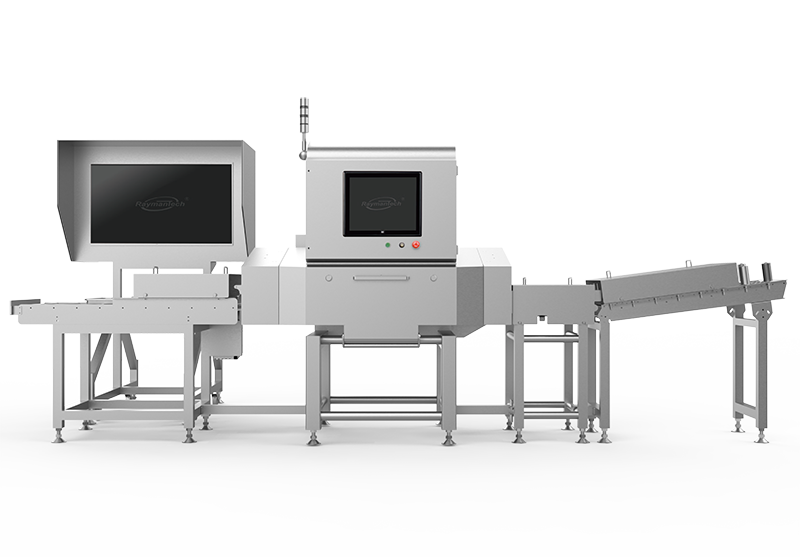
Automatic recognition and rejection, fish bone ins...
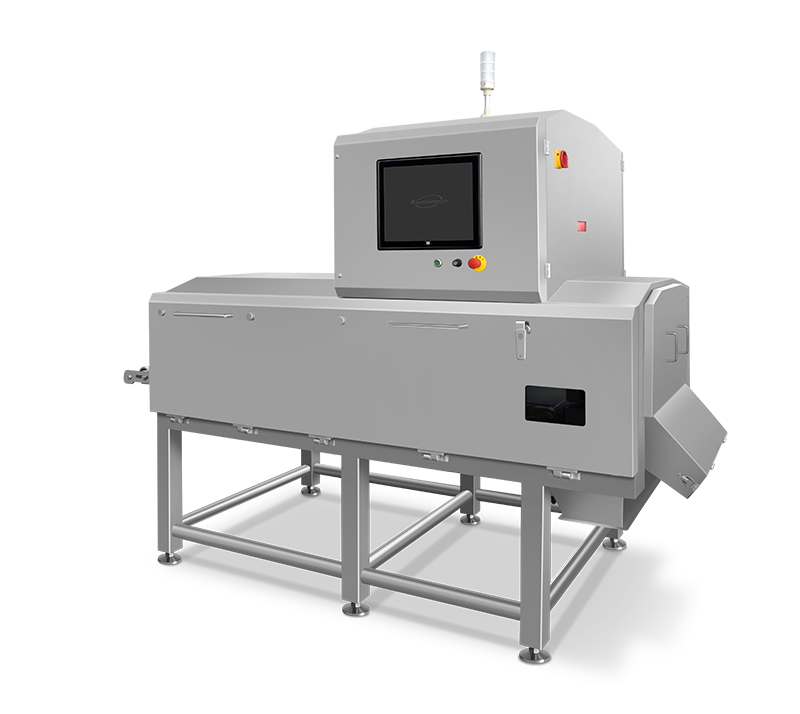
Conventional and unconventional contaminant detect...
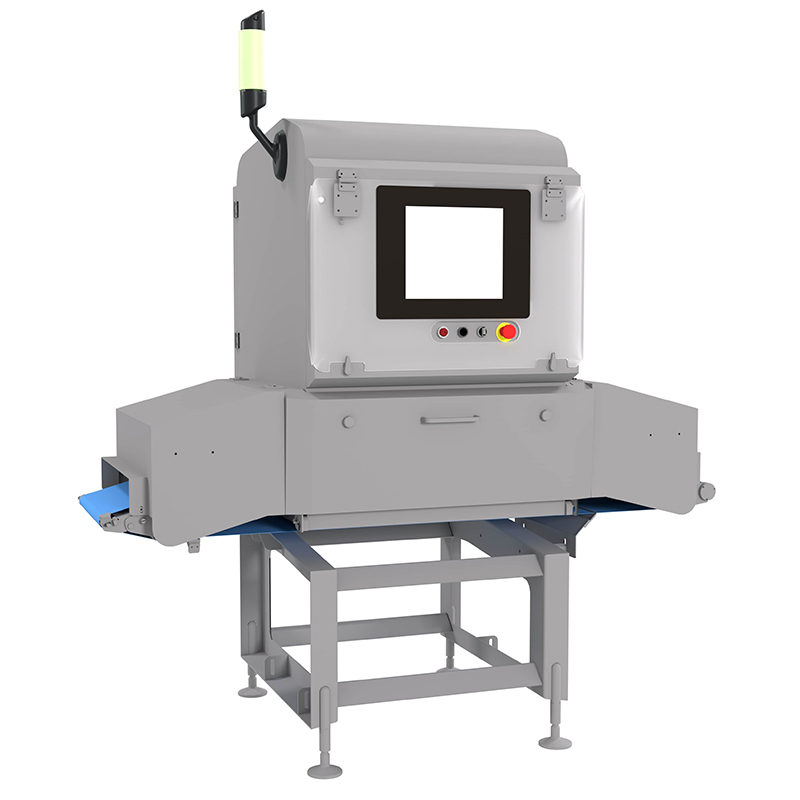
Uneven and overlapped product detection, thin & lo...
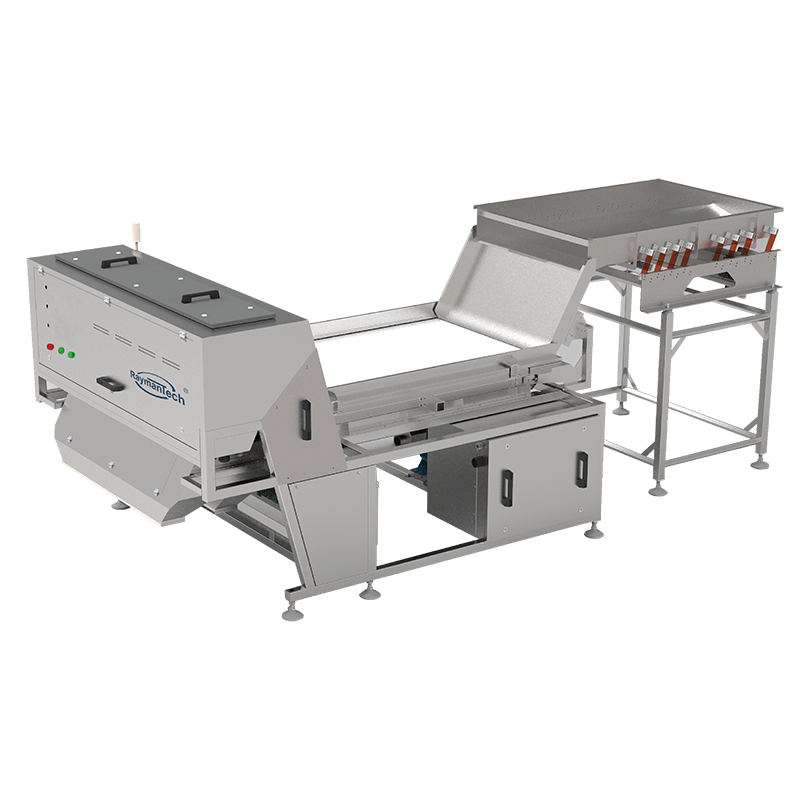
Recommedation: Chili, walnut, peanuts, soybeans, c...
Select the most popular foreign trade service products to meet your diverse needs
Select the most popular foreign trade service products to meet your diverse needs







User Comments
Service Experience Sharing from Real Customers
Michael Rodriguez
Quality Control ManagerThis optical sorter has revolutionized our coffee bean selection process. The accuracy in detecting defective beans is remarkable, and it has significantly improved our final product quality while reducing waste.
Sarah Chen
Production SupervisorOutstanding performance! The ground coffee optical sorter consistently identifies even the smallest imperfections with incredible precision. Our production efficiency has increased by 30% since implementation.
David Thompson
Operations DirectorHighly reliable machine that delivers consistent results day after day. The user interface is intuitive, and maintenance requirements are minimal. A valuable addition to our processing line.
Jennifer Williams
Quality Assurance SpecialistThis optical sorter has exceeded our expectations in every way. The color recognition technology is superb at distinguishing quality beans from defects. Our customer satisfaction ratings have noticeably improved since installation.