 English EN
 中国 CN
中国 CN

Comprehensive Introduction to IP69K Protection Rating — The Gold Standard for Equipment in Meat and Food Processing Environments
Why do IP65/IP67 fail in food plants? Discover the...
More

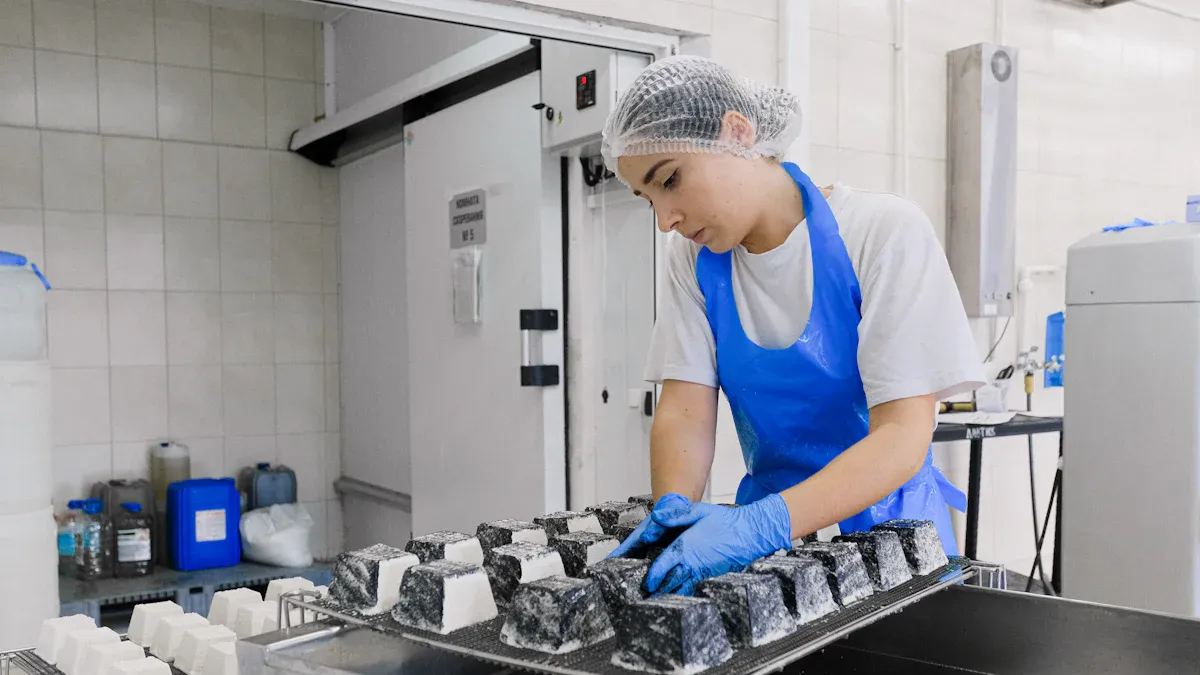
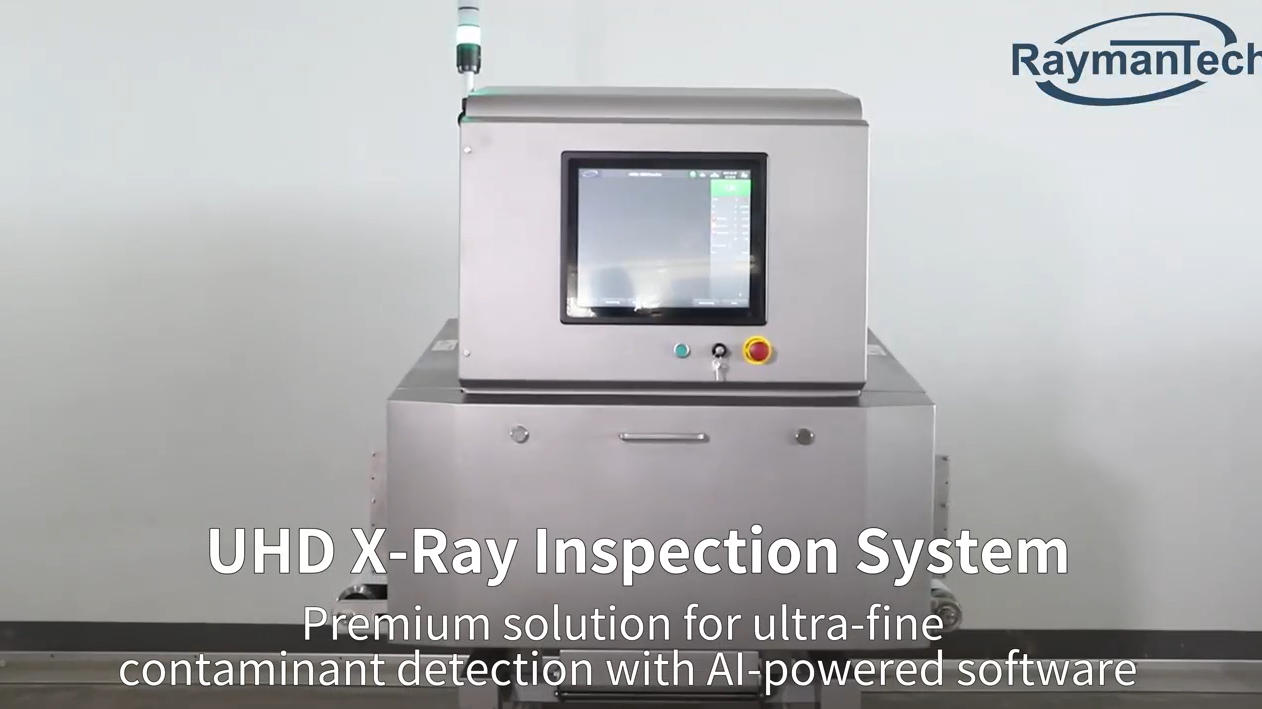
Artificial intelligence algorithms empower industrial food x ray inspection systems. They analyze images with superhuman accuracy to find previously invisible contaminants. Machine learning models differentiate product variations from true foreign bodies, drastically cutting food waste. This technology also automates complex quality checks, boosting both safety and operational throughput.
While foundational to food safety, conventional industrial food x ray inspection systems present significant operational limitations. These systems operate on a basic principle. Material density directly affects X-ray absorption. Denser materials create darker areas on an image, signaling a potential contaminant. This method, however, struggles with nuance and complexity, creating several key challenges for modern food producers.
Standard X-ray technology often fails to identify low-density foreign materials. The system cannot easily distinguish these items from the food product itself, especially in foods with high moisture content. Contaminants that frequently go undetected include:
Wood fragments
Thin plastics
Light metals like aluminum
Human hair
This gap leaves a production line vulnerable to subtle yet serious contamination events.
These systems frequently generate false positives. They may flag normal product variations, such as overlapping ingredients or dense seasoning clumps, as foreign bodies. Each false alarm triggers a rejection, removing perfectly safe products from the line. This process directly increases food waste and reduces overall yield, impacting the bottom line.
Traditional X-ray inspection is a one-dimensional tool. Its capability is largely confined to detecting dense, foreign objects. It lacks the sophistication to perform multifaceted quality control tasks. Functions like verifying package seal integrity, checking for missing components, or measuring product mass remain outside its scope.
Relying on human review introduces significant risk. Studies show that manual inspectors can miss 20% to 30% of actual defects due to factors like mental fatigue and inconsistent judgment.
This heavy reliance on manual oversight creates a major bottleneck. Human operators must verify countless alerts, a process that is slow and notoriously prone to error. This dependence not only slows down throughput but also compromises the reliability of the entire inspection process.
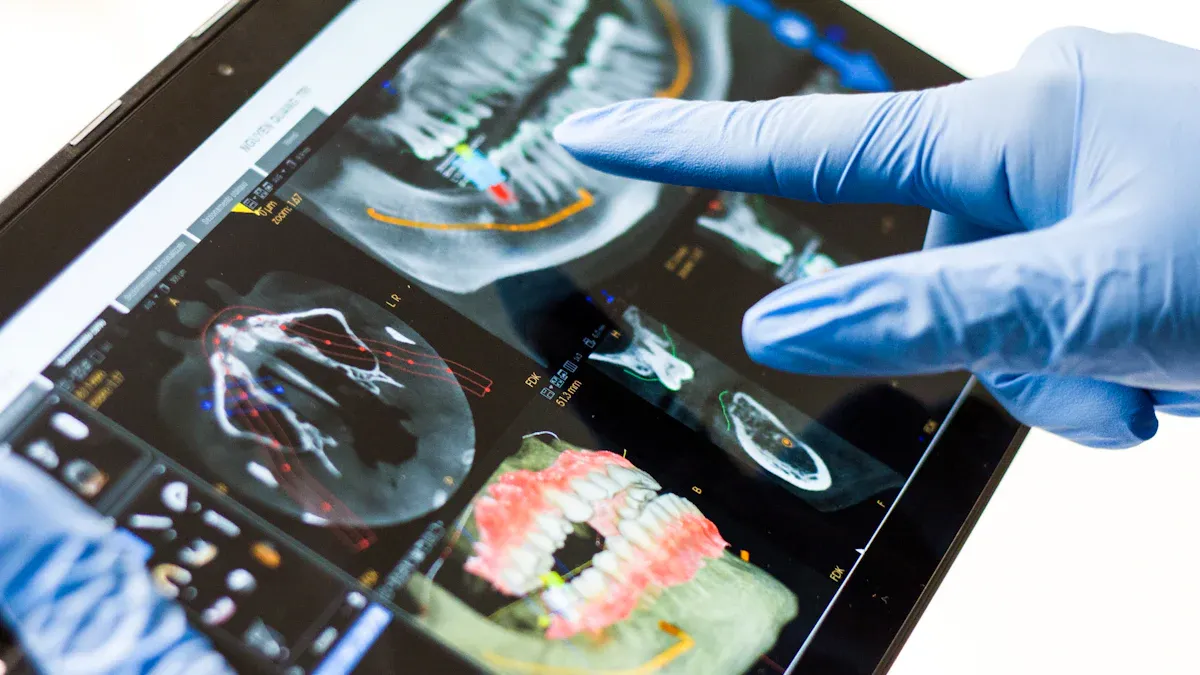
Artificial intelligence transforms X-ray inspection from a limited detection tool into a dynamic, intelligent quality control hub. AI algorithms process visual data with a level of nuance and speed that surpasses human capability. This integration overcomes the core weaknesses of traditional systems, creating a new standard for safety and efficiency in food production.
AI-powered systems achieve unparalleled accuracy in identifying foreign bodies. Deep learning algorithms analyze vast libraries of image data, learning to spot subtle differences in texture, shape, and density. These intelligent models can recognize complex patterns, classify defects, and adapt to new contaminant threats. They excel at detecting low-density materials like plastic, rubber, and bone fragments that conventional X-rays often miss.
Next-generation X-ray systems use machine learning to continuously improve. They learn from live production data, adapting to variations in raw materials or processing conditions. This adaptive recognition significantly boosts detection accuracy for challenging contaminants. The table below illustrates the performance leap when using an AI-enhanced dual-energy system (DXD/DXD+) compared to traditional single-energy X-ray technology.
| Contaminant Type | Product | Contaminant Size (DXD/DXD+) | Detection Probability (DXD/DXD+) |
|---|---|---|---|
| Aluminum | Chicken Breasts (650g) | 2 mm | 100% |
| Rubber | Chicken Breasts (650g) | 5 mm | 100% |
| Wishbone | Chicken Breasts (650g) | N/A | 100% |
| Rib Bone | Chicken Breasts (650g) | N/A | 95% |
| Low-Mineral Glass | Pasta (500g) | 3 mm | 100% |
Note: Traditional single-energy X-ray systems are significantly less effective or completely unable to detect many of these contaminants at these sizes.
A major financial drain for food producers is the high rate of false rejects. Traditional systems mistakenly flag safe product variations as contaminants, leading to unnecessary food waste and lost revenue. AI solves this problem by learning the difference between a threat and an acceptable variation.
Machine learning models analyze an object's specific characteristics to make an informed judgment. If a human inspector can visually identify a material, an AI model can be trained to do the same with greater consistency. This allows the system to:
Identify features based on an object's unique shape and texture.
Distinguish a foreign object from a natural part of the product.
Correctly classify acceptable variations, such as a green stem in a batch of green beans or translucent skins in chopped onions.
This intelligent differentiation ensures that only genuinely contaminated or defective products are removed from the line, maximizing yield and profitability.
AI expands the role of industrial food x ray inspection systems beyond simple contaminant detection. These intelligent systems can perform multiple quality control checks simultaneously, automating tasks that once required separate equipment or manual oversight. This creates a powerful, all-in-one inspection point on the production line.
AI-driven quality checks include a wide range of critical functions:
Package Integrity: Verifying that seals on packaged goods are intact to prevent spoilage and ensure safety.
Product Completeness: Ensuring every package is correctly filled and contains all necessary components, from individual chocolates in a box to pills in a blister pack.
Component Inspection: Checking for damaged or broken items within a package, such as cracked cookies or chipped tablets.
Mass and Fill-Level Verification: Measuring product mass and confirming fill levels to meet regulatory and quality standards.
The true power of AI is its ability to translate analysis into immediate action. AI-powered systems make sorting decisions in real time, physically removing unwanted items from the production flow with incredible speed and precision. This process relies on a combination of advanced imaging and intelligent processing.
The system executes sorting through a multi-step, high-speed sequence:
Dual-energy X-ray technology scans items to assess both material density and atomic composition.
An AI engine uses real-time neural processing to classify each item based on its internal structure, not just its surface appearance.
The system tracks each object's position on the conveyor belt as it makes a classification.
High-speed air jets receive a signal from the AI and precisely eject the targeted contaminant or defective product from the stream.
This closed-loop system of detection, classification, and ejection operates continuously, enabling high-confidence sorting even in complex and fast-moving production environments.
The integration of artificial intelligence is pushing the boundaries of what industrial food x ray inspection systems can achieve. These emerging trends are not just improving existing capabilities; they are redefining the future of food safety and production efficiency. AI is transforming inspection from a simple checkpoint into an intelligent, predictive, and integral part of the manufacturing ecosystem.
Deep learning models give AI the power to mimic human-like intelligence. Unlike traditional rule-based machine vision, which fails with slight product changes, deep learning excels in complex environments. It combines the flexibility of human sight with the speed of a computerized system.
It learns to distinguish between acceptable natural variations and actual defects.
It dynamically adapts to changing conditions and new information.
It achieves detection rates above 99% for various defect types, including subtle ones.
This technology allows systems to identify food quality, grade products, and spot foreign objects with unparalleled accuracy.
AI enables predictive maintenance, which significantly boosts system uptime. By continuously analyzing data from system logs and Industrial Internet of Things (IIoT) sensors on critical components like X-ray generators, AI can forecast potential equipment failures. This proactive approach allows maintenance teams to address issues before they cause costly production stoppages, ensuring the inspection line runs smoothly.
AI turns inspection data into actionable insights for the entire production line. It analyzes trends in defect rates, throughput, and downtime to identify root causes of inefficiency. For example, by identifying patterns in defects, AI can provide immediate recommendations to adjust upstream processes. This transforms the vision system from a passive monitor into an active tool that helps teams proactively enhance quality and reduce waste.
AI-powered inspection creates a robust digital record for every item that passes through the line. Each X-ray image and its corresponding defect data are logged and tied to a specific product batch. This detailed information enhances supply chain traceability, allowing producers to quickly pinpoint and isolate affected products during a recall. This capability is crucial for protecting consumers and maintaining brand trust.
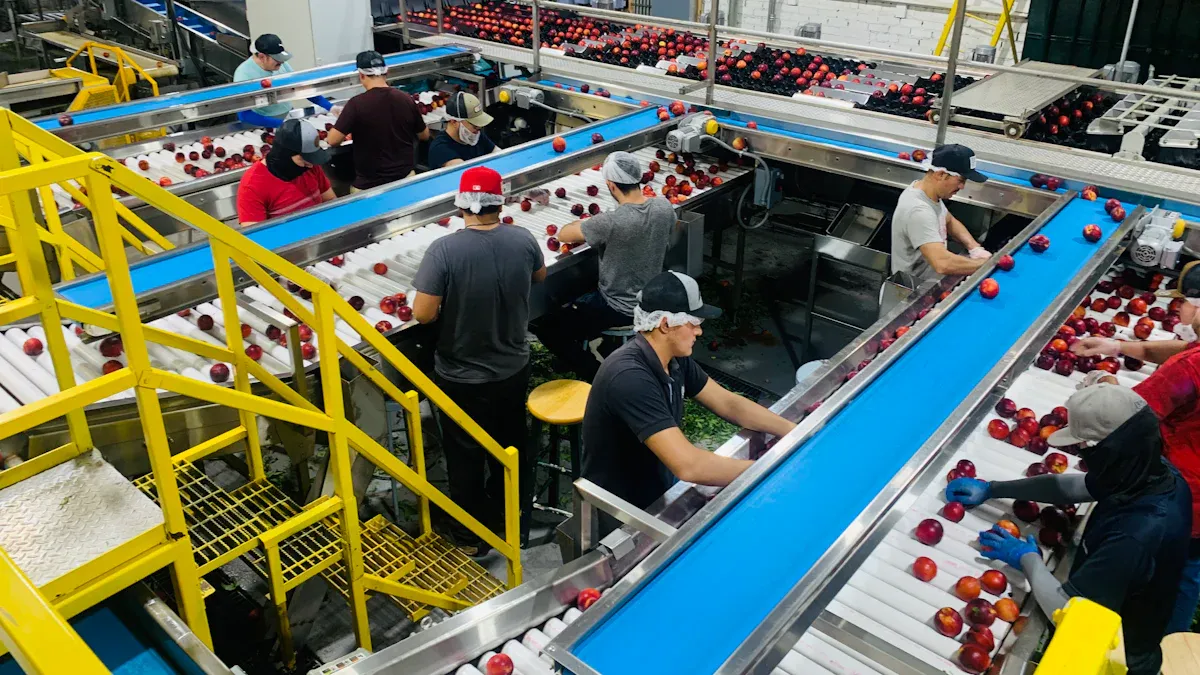
Adopting AI is a strategic business decision that delivers measurable returns. Integrating this technology into industrial food x ray inspection systems creates significant value across operations, from the production floor to the company's public image. The benefits extend far beyond enhanced safety, building a compelling case for investment.
AI directly increases production efficiency. It minimizes false rejects, ensuring that safe products remain on the line. This reduction in waste and rework boosts overall yield. For example, one poultry processor cut customer complaints in half by implementing an AI-powered system. The system's ability to reduce false detections led to a more efficient inspection process and higher throughput.
A single food safety incident can cause lasting brand damage, as seen in historical recalls like the Bon Vivant botulism case. AI-powered inspection serves as a powerful defense. It protects a company’s reputation by:
Detecting threats before products reach consumers.
Ensuring consistent product quality and integrity.
Creating detailed traceability records to quickly isolate issues.
This advanced capability builds consumer trust and solidifies a brand's commitment to safety.
AI simplifies adherence to strict food safety regulations. Automated data logging provides the documentation needed for audits under standards like FSMA and HACCP. AI-enhanced systems help companies meet key regulatory requirements with greater accuracy and less manual effort.
| Regulation/Rule | How AI-Enhanced X-ray Inspection Helps |
|---|---|
| FSMA: Preventive Controls | Documents physical hazard prevention at critical control points. |
| HACCP Integration | Provides robust data for managing physical hazard risks. |
| FSMA: Recordkeeping | Automates documentation of inspection results and system performance. |
While there is an initial investment in hardware and software, the financial returns are clear and swift. Many food producers see a return on investment (ROI) in under 18 months, with some achieving payback in less than a year from labor savings alone. The gains from increased productivity, reduced waste, and protected brand value make AI-powered industrial food x ray inspection systems a financially sound upgrade.
AI integration in X-ray inspection is a competitive necessity, not a future concept. The technology delivers unmatched detection accuracy and operational efficiency, creating a clear advantage. With the market projected to reach $13.7 billion by 2030, these intelligent systems are becoming the new industry standard for guaranteeing food safety.
AI models continuously learn from production data. Operators can flag a new contaminant, allowing the system to retrain itself. This process improves the model's detection capabilities over time.
Integration is typically straightforward. Modern AI-powered systems are designed to work with existing X-ray hardware. This compatibility minimizes downtime and simplifies the upgrade process for food producers.
Yes, AI offers high versatility. The system trains on specific product data, enabling it to inspect a wide range of items, including:
Bottled liquids

We provide you with comprehensive foreign trade solutions to help enterprises achieve global development
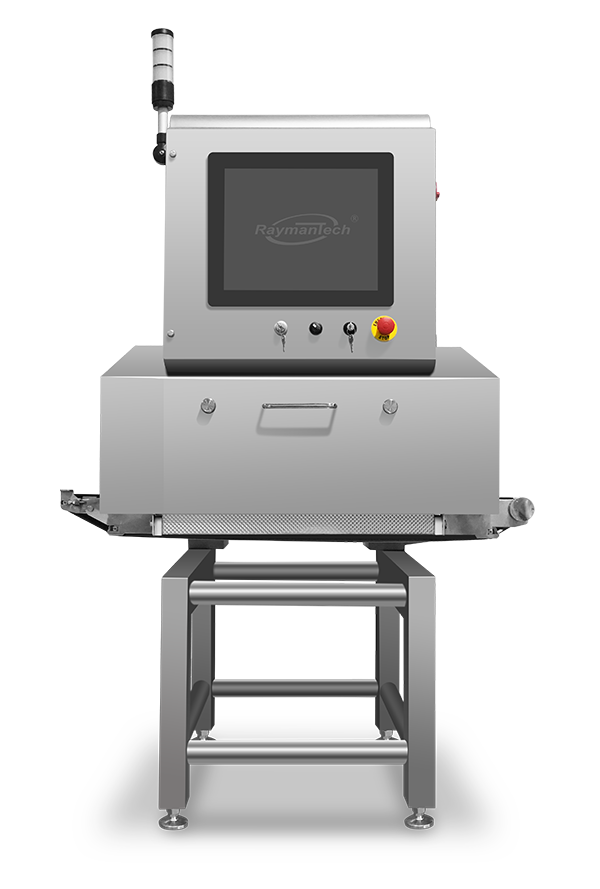
Ultra-fine contaminants detection, UHD X-Ray detec...
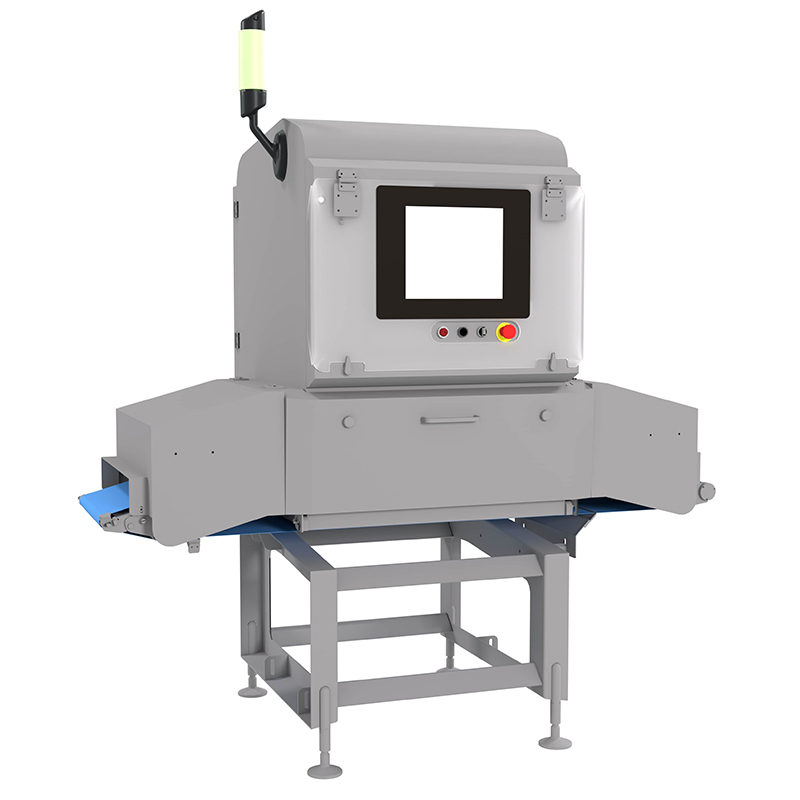
Uneven and overlapped product detection, thin & lo...
.png)
Recommedation: Aquatic products, pet food, candy, ...
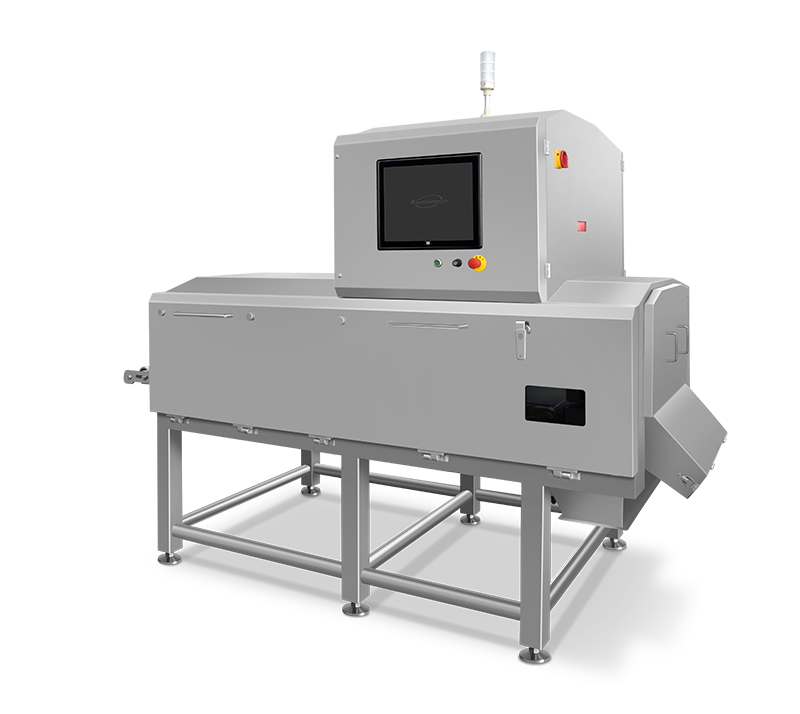
Conventional and unconventional contaminant detect...
Select the most popular foreign trade service products to meet your diverse needs
Select the most popular foreign trade service products to meet your diverse needs







User Comments
Service Experience Sharing from Real Customers
Michael Thompson
Quality Assurance ManagerThe X-ray inspection system has revolutionized our quality control process. Its detection accuracy for foreign objects like metal and glass is exceptional, significantly reducing our risk and protecting our brand reputation.
Sarah Chen
Production Line SupervisorIncredibly reliable and easy to integrate into our existing production line. The system's ability to also perform mass and volume checks is a fantastic bonus, helping us minimize product giveaway and save costs.
David Rodriguez
Plant EngineerA robust and well-built machine. The image clarity is superb, making it easy to identify even the smallest contaminants. The initial setup was straightforward, and technical support was responsive when we had questions.
Emily Watson
Food Safety DirectorThis system gives us complete peace of mind. The comprehensive data logging and reporting features make compliance audits a breeze. It's an indispensable tool for any food processor serious about safety and quality.