 English EN
 中国 CN
中国 CN
.png)
RaymanTech Whole-Chain Solution: A Deep Dive
Food safety and quality control demands have evolv...
More

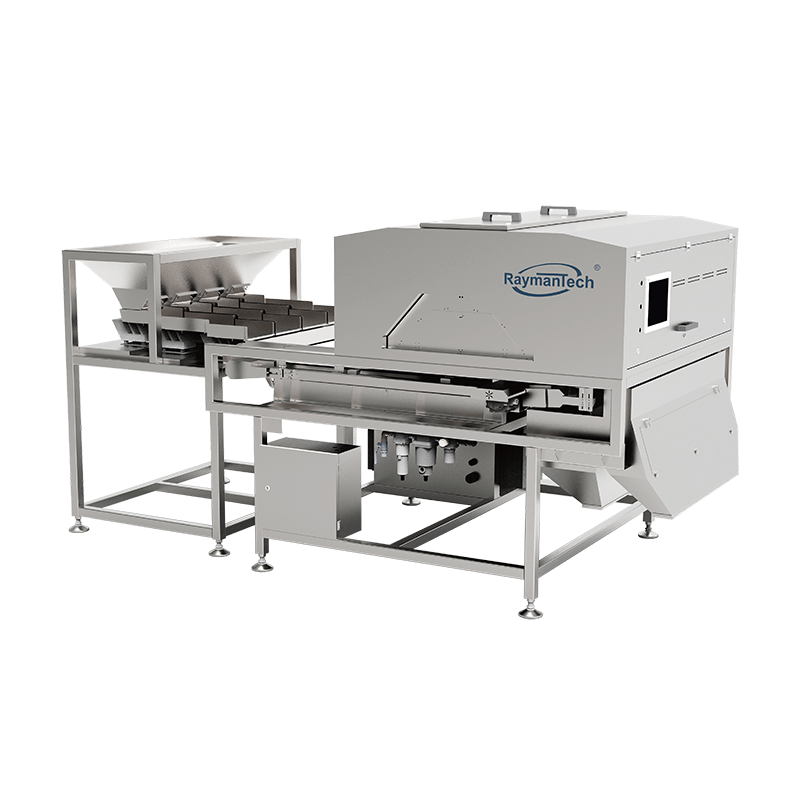
An exceptional cup of flavored coffee starts long before brewing. It begins with the quality of the bean itself. The flavored coffee market is rapidly expanding, with projections showing significant growth. This highlights a growing consumer demand for premium, reliable products. A flavored coffee optical sorter plays a critical role in meeting this demand. It precisely removes defective beans and foreign material. This process ensures a consistent taste profile and guarantees product safety in every single batch.
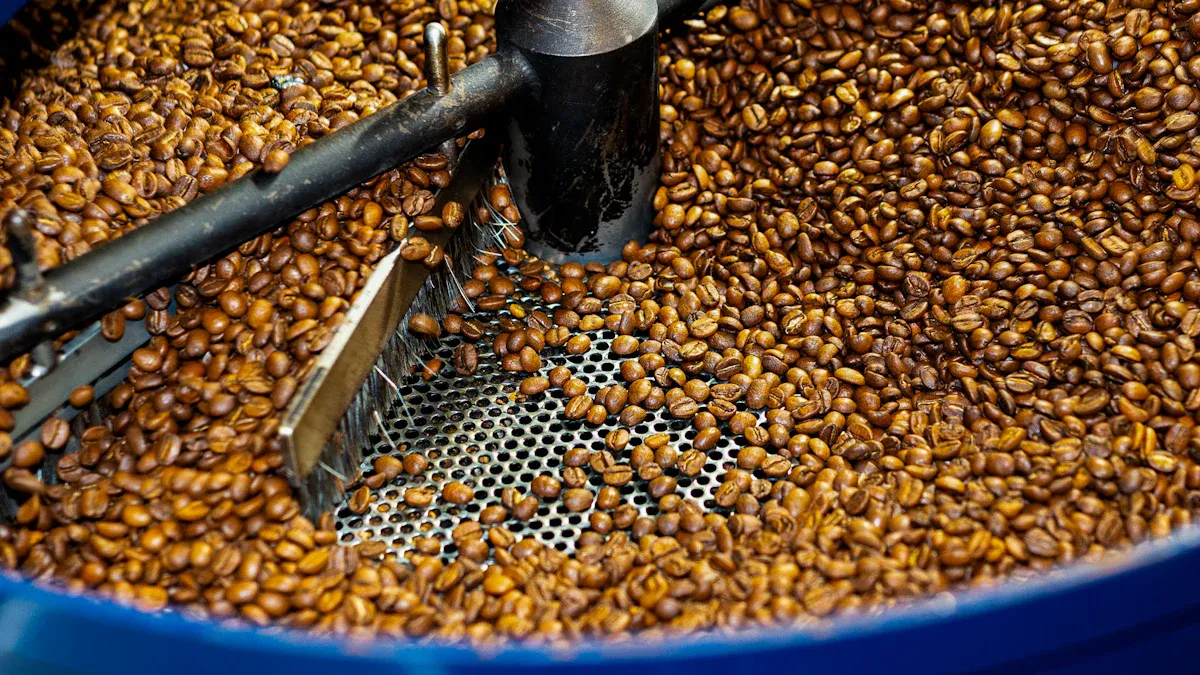
Optical sorters are essential tools for quality control in flavored coffee production. They refine the product at critical stages. This ensures a superior final cup for the consumer. The process involves sorting both before and after the application of flavorings.
Producers must start with a flawless base of green coffee beans. Sorting before flavoring creates a "clean canvas" for the added aromas. A flavored coffee optical sorter uses advanced imaging to identify and eject defective beans that would otherwise introduce off-flavors. Key defects targeted for removal include:
'Stinkers': These beans produce unpleasant odors and fluoresce under UV light.
'Whitish beans': Caused by bacteria, they create bitter or woody tastes.
'Speckled' beans: Damaged beans that can alter the coffee's acidity and flavor profile.
Removing these imperfections ensures the intended flavor profile shines through without interference.
After the flavoring process, another sorting pass guarantees product consistency. Sorters can detect beans with uneven flavor coating or those that have clumped together. This step is vital for visual appeal and taste uniformity. A batch with consistent color and size looks more premium. It also delivers the same flavor experience in every package, strengthening brand trust.
Product safety is non-negotiable. Optical sorters excel at removing dangerous and unwanted foreign materials from the coffee stream. This technology effectively identifies and ejects a wide range of contaminants. Common examples include small sticks, stones, dirt, and other foreign seeds that may have mixed with the beans during harvesting or processing. This automated vigilance protects consumers and upholds food safety standards.
The technology powering optical sorters is evolving at a rapid pace. By 2026, standard color cameras are no longer sufficient for the demands of premium flavored coffee. Producers now leverage a suite of advanced technologies. These systems provide deeper analysis, smarter decision-making, and unparalleled precision to guarantee a perfect product.
Modern sorters see far beyond the visible spectrum. Two key technologies, Hyperspectral Imaging (HSI) and Indium Gallium Arsenide (InGaAs), give processors a comprehensive view of each coffee bean, both inside and out.
Hyperspectral imaging captures data across hundreds of narrow light bands. This creates a unique "spectral signature" for each object. It reveals chemical and structural properties that are invisible to the human eye and standard cameras. The technology offers a significant leap in defect detection capabilities.
| Feature/Technology | Hyperspectral Imaging (HSI) | Standard RGB/Traditional Imaging |
|---|---|---|
| Spectral Information | Captures internal spectral data from ~200 bands | Limited to external color in 3 bands (Red, Green, Blue) |
| Defect Detection | High detection rate for subtle and internal defects | Detects only visible discoloration (e.g., black, sour beans) |
| Analysis Scope | Performs qualitative and quantitative analysis | Evaluates external characteristics only |
| Underlying Principle | Creates detailed spectral signatures for materials | Uses the basic RGB color space |
InGaAs sensors complement this by operating in the short-wave infrared (SWIR) spectrum. This capability is crucial for analyzing the internal characteristics of coffee beans.
InGaAs cameras can accurately identify moisture levels within a bean.
They reveal internal bruising or damage not visible on the surface.
This technology enhances the visibility of defects that share the same color as good beans, ensuring their removal.
Together, HSI and InGaAs empower processors to sort based on a bean's composition, not just its appearance. This ensures a truly uniform and high-quality raw material for flavoring.
Artificial intelligence (AI) and machine learning (ML) are the brains behind next-generation sorters. These intelligent systems enable machines to adapt, learn, and make complex sorting decisions with minimal human intervention. Machine learning algorithms, such as Convolutional Neural Networks (CNNs), can identify subtle and previously unknown defects, including specific types of mold or insect damage.
The biggest advantage of AI is its ability to simplify setup and improve accuracy over time. A modern flavored coffee optical sorter no longer requires complex programming for each new batch.
Operators can simply show the machine samples of acceptable and unacceptable beans. The AI learns the desired characteristics—from color variations to size differences—and builds its own sorting model. This "show-and-tell" approach allows the sorter to adapt quickly to new bean origins or different flavor coatings.
This self-learning capability ensures the sorter becomes progressively smarter and more efficient, continuously refining its performance with every batch it processes.
Advanced imaging and AI are only effective if the sorter can physically remove the unwanted material with pinpoint accuracy. The ejection systems of 2026 are engineered for speed and precision, ensuring that good beans are not accidentally discarded with the rejects.
These systems use high-speed pneumatic air jets to target and eject individual defects. The key benefits of modern ejection technology include:
🎯 Unmatched Accuracy: Ejectors can target a single defective bean in a dense stream, minimizing the loss of good product.
⚡ Incredible Speed: They operate at microsecond speeds to keep up with high-throughput production lines.
⚙️ Durability and Reliability: Built for continuous operation, these systems offer long-term performance with minimal maintenance.
This precision is vital for profitability. By reducing the amount of good coffee lost during sorting, producers maximize their yield and protect their bottom line while delivering a flawless final product.
Choosing the right optical sorter is a strategic investment that directly impacts product quality, operational efficiency, and profitability. A successful selection process moves beyond the initial price tag. It involves a thorough analysis of your specific production needs, the technological capabilities available, and the long-term financial benefits. Making an informed decision ensures the equipment aligns perfectly with your business goals.
The first step in selecting a sorter is to assess your production volume, or throughput. Throughput is the rate at which the machine can process coffee, typically measured in tons per hour. Matching the sorter's capacity to your production line is critical. A machine with insufficient throughput will create a bottleneck, slowing down your entire operation. Conversely, an oversized machine represents an unnecessary capital expense.
Producers should evaluate their current needs while also planning for future growth. 📈 Capacities vary widely across different models:
Small to medium-scale sorters can process up to 0.250 tons per hour of green coffee.
The same machines can handle up to 0.125 tons per hour of roasted coffee, which is less dense.
For large-scale industrial operations, the requirements are substantially higher. Top-tier coffee optical sorters can achieve a massive throughput capacity of up to 14 tons per hour. This level of performance is essential for global distributors and large roasting facilities that process huge volumes daily.
Modern sorters offer a range of sensor technologies, each designed to detect different types of defects. The ideal flavored coffee optical sorter for your operation will have a sensor configuration that targets your most common and challenging quality issues. When evaluating models, producers should consider the primary function of each sensor type.
🔬 A detailed comparison reveals the distinct advantages of each technology:
| Sensor Type | Primary Function | Best For Detecting |
|---|---|---|
| Standard RGB Camera | Analyzes visible color | Black beans, sour beans, color variations, foreign material with distinct colors. |
| InGaAs (SWIR) | Detects moisture and density | Internal defects, insect damage, moisture discrepancies, foreign materials like sticks and stones. |
| Hyperspectral (HSI) | Identifies chemical composition | Subtle mold, unripe beans, and other defects invisible to RGB and InGaAs sensors. |
A roaster primarily concerned with removing sticks and stones might find an InGaAs-equipped sorter sufficient. However, a specialty producer aiming to eliminate subtle, flavor-altering defects like mold or under-ripe beans will gain a significant advantage from hyperspectral imaging. The key is to match the technology to the problem.
An optical sorter is a significant capital investment, and justifying the expense requires a clear calculation of its return on investment (ROI). A comprehensive ROI analysis provides the business case needed to move forward. The calculation involves weighing the total costs against the financial gains the machine will generate.
💰 Key factors in the ROI equation include:
Costs: The initial purchase price, installation, operator training, and scheduled maintenance.
Gains:
Increased Yield: High-precision ejectors minimize the loss of good beans, maximizing the amount of sellable product.
Premium Pricing: Superior, consistent quality allows producers to command higher prices for their flavored coffee.
Reduced Labor: Automation drastically cuts the costs and inconsistencies associated with manual sorting.
Brand Protection: Preventing a single contaminated batch from reaching the market can save a company from costly recalls and irreversible brand damage.
The payback period can be surprisingly short for producers focused on quality.
One customer reported that the investment in an optical sorter paid for itself in just 14 months. This rapid return was attributed to the ability to achieve higher auction prices for the coffee lots that had been sorted by the machine.
By quantifying these benefits, a producer can clearly see that an optical sorter is not just a cost but a powerful engine for profitability and growth.
Maximizing the value of an optical sorter requires more than just a successful installation. Producers must adopt best practices for calibration, maintenance, and workflow integration. These operational standards ensure the machine performs consistently, protects the investment, and delivers the highest quality product day after day.
Proper calibration is essential for sorting flavored coffee. Each flavor profile, from a dark chocolate coating to a light vanilla dusting, alters the bean's appearance. The sorter must be precisely calibrated for each unique batch to distinguish acceptable beans from defects. Operators should also maintain a controlled environment for consistent results.
Extraneous light can trick optical sensors, so maintain stable lighting conditions. Fluctuations in temperature and humidity can also alter sensor readings and impact performance.
By managing these environmental factors, producers ensure the sorter’s settings remain accurate and effective for every flavor.
Regular maintenance and cleaning are non-negotiable for peak performance. Flavorings and oils can build up on viewing windows, camera lenses, and background plates, which can obstruct the sorter's vision. A routine cleaning schedule prevents this residue from compromising accuracy. Operators should also inspect and clean the high-speed air ejectors to ensure they function correctly. Consistent upkeep guarantees the machine’s longevity and reliability.
A flavored coffee optical sorter operates best as part of a fully integrated system. A seamless production line requires specific ancillary equipment to manage the flow of beans to and from the machine. Proper integration prevents bottlenecks and maximizes throughput. Key components for a smooth workflow include:
Infeed Conveyors and Hoppers: These ensure a steady, even presentation of beans to the sorter.
Chutes and Diverters: They guide the accepted and rejected product streams into the correct collection bins.
Guarding Packages: These protect both the equipment and the operators during operation.
A well-designed workflow allows the sorter to function at its full potential, creating an efficient and automated quality control process.
Adopting advanced optical sorting is a necessity for competitive flavored coffee producers. Companies like Black and White Coffee Roasters prove this technology boosts brand reputation through superior quality. It delivers unparalleled consistency and profitability. Producers should evaluate their needs now to meet future demands for specialty and sustainable coffee.
Yes. Most modern sorters process both green and roasted coffee. Operators adjust calibration settings to match the different color, size, and density profiles of each bean type.
Modern high-precision ejectors minimize good product loss. The rejection accuracy is extremely high. This often results in a good-to-bad product ratio of 1:5 in the reject stream.
💡 An optical sorter is a long-term investment. Producers can expect a lifespan of 10 to 15 years or more with proper maintenance and regular software updates.

We provide you with comprehensive foreign trade solutions to help enterprises achieve global development
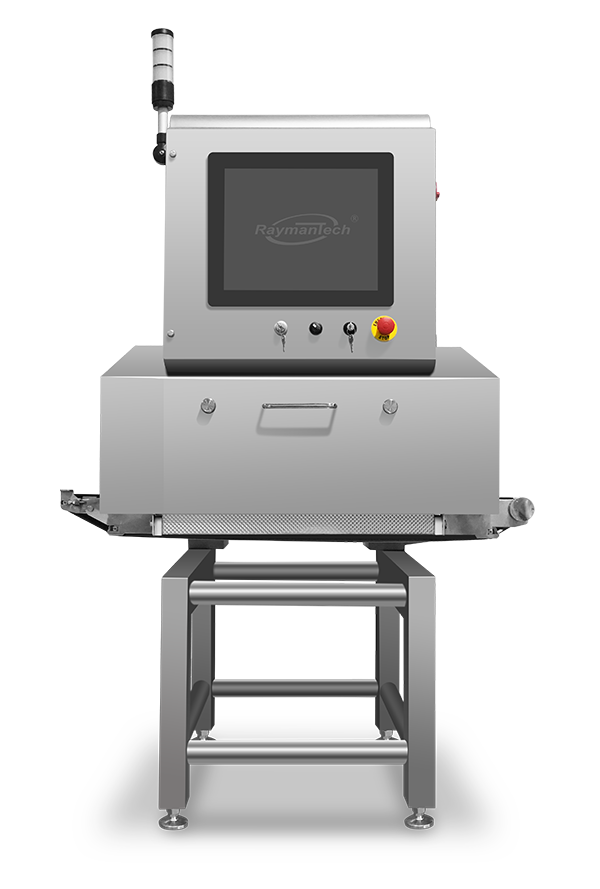
Ultra-fine contaminants detection, UHD X-Ray detec...
.png)
Glass-in-glass / Metal-in-metal inspection, small ...
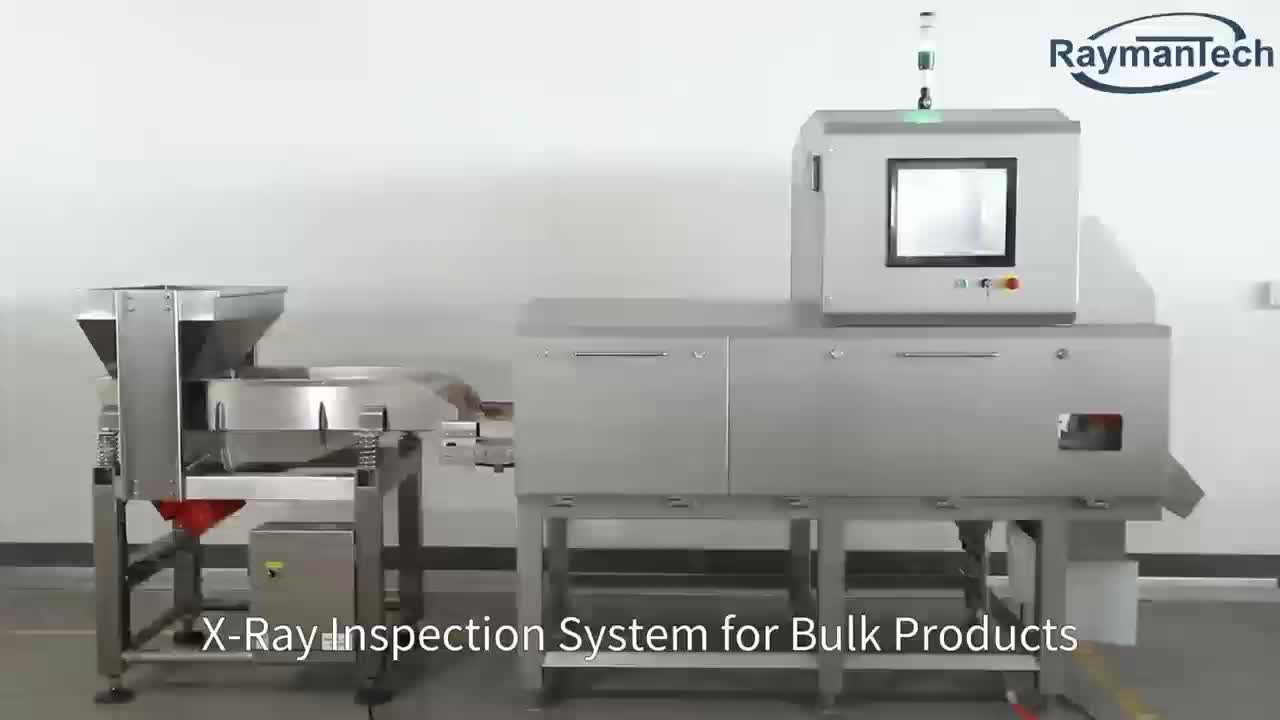
Recommedation: Small particle, flat products such...

UHD X-Ray detector, AI large model, all food indus...
Select the most popular foreign trade service products to meet your diverse needs
Select the most popular foreign trade service products to meet your diverse needs









User Comments
Service Experience Sharing from Real Customers
Michael Rodriguez
Quality Control ManagerThis instant coffee optical sorter has revolutionized our production line. The accuracy in detecting and removing defective beans is exceptional, resulting in a consistently superior final product. Highly recommended for any serious coffee processor.
Sarah Chen
Production SupervisorImpressive performance from this optical sorter. It significantly reduced our waste percentage and improved overall product quality. The user interface is intuitive, though the initial setup required some technical support.
David Thompson
Plant Operations DirectorOutstanding investment for our instant coffee facility. The machine's high-speed sorting capability combined with precise defect detection has increased our throughput by 30% while maintaining quality standards. The maintenance requirements are minimal.
Jennifer Williams
Quality Assurance SpecialistThis optical sorter delivers exceptional value. The color recognition technology effectively identifies even the slightest imperfections in coffee beans. Our product consistency has improved dramatically since installation, and customer complaints have dropped significantly.