 English EN
 中国 CN
中国 CN
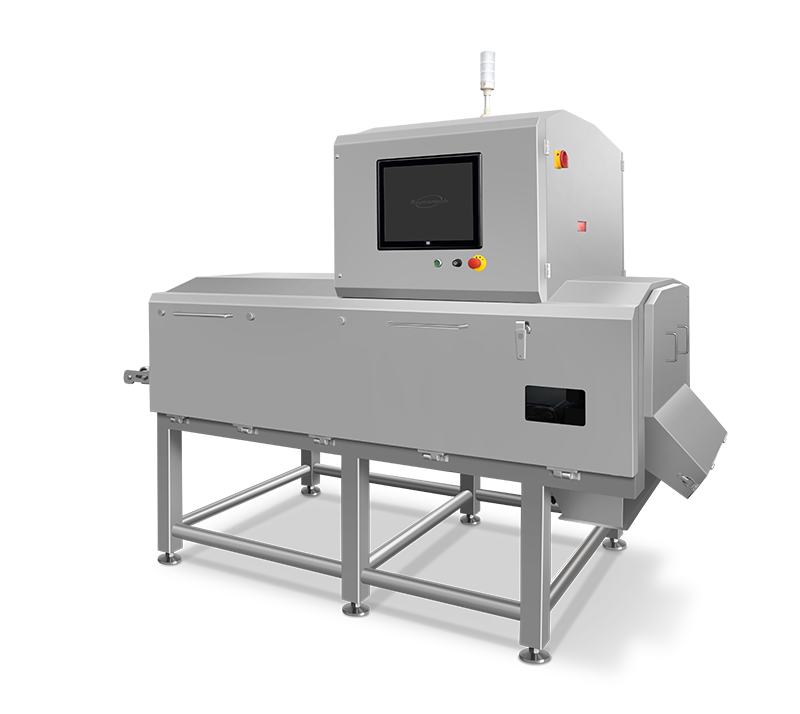
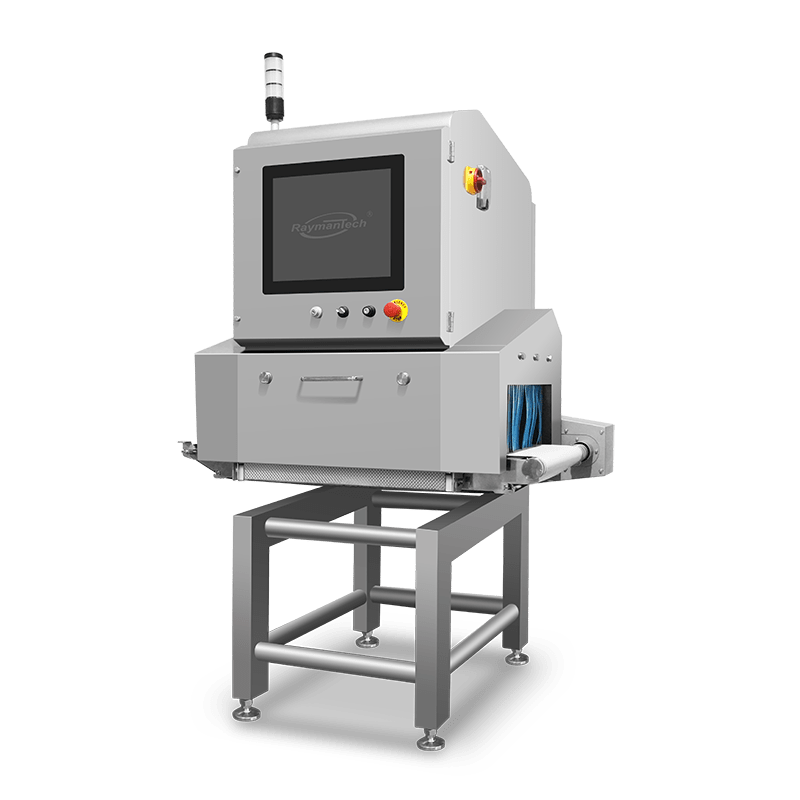
RaymanTech Whole-Chain Solution: A Deep Dive
Food safety and quality control demands have evolv...
More

The global kidney bean market shows significant growth projections, underscoring the need for efficient processing.
| Attribute | Value |
|---|---|
| Market Size in 2026 | US$ 9.02 Billion |
| Market Size by 2035 | US$ 13.92 Billion |
| Growth Rate (CAGR) | 4.5% from 2026 to 2035 |
| Forecast Period | 2026 - 2035 |
A processor's choice of a kidney beans sorting machine depends on three factors: required capacity, specific defects for removal, and budget. These considerations are essential for maximizing return on investment.
Selecting the correct machine capacity is the first step toward an efficient processing line. A processor must accurately assess their production volume to find a machine that aligns with their operational goals and budget.
Throughput is the amount of product a machine can process in a given time, usually measured in tons per hour (T/H). Processors can determine their required throughput with a straightforward calculation.
Step 1: Identify the total weight (in tons) of kidney beans processed during a typical shift or day.
Step 2: Determine the total number of operating hours for that period.
Step 3: Divide the total weight by the operating hours to find the required T/H capacity.
Formula: Total Tons per Day / Operating Hours per Day = Required T/H
Machine capacities vary widely to serve different business sizes. Small-scale operators might need a machine with a 1-2 T/H capacity. Medium to large-scale operations require more power. For instance, a complete red kidney bean processing line often features equipment rated for 5 tons per hour. Processors should choose a machine that slightly exceeds their current calculated need. This extra capacity accommodates future growth and seasonal peaks in production.
Choosing the wrong machine size has significant financial and operational consequences. Both undersizing and oversizing create distinct problems for a business.
Note: An incorrectly sized kidney beans sorting machine directly harms profitability. An undersized unit creates production bottlenecks, limiting output and revenue. An oversized machine represents a poor use of capital and consumes excess energy, increasing operational costs and lowering the overall return on investment.
Understanding the technology inside a sorting machine is crucial for selecting the right equipment. Modern sorters use a combination of sensors and software to analyze each bean, ensuring the final product meets stringent quality standards. The choice of technology directly impacts the machine's ability to detect specific defects.
Color sorting is the foundational technology for any bean processing line. High-resolution Charge-Coupled Device (CCD) or full-color RGB cameras capture detailed images of each kidney bean as it passes through the machine. Advanced software then analyzes these images to identify and eject beans with imperfections.
These systems are highly effective at removing a wide range of color-based defects. Common issues they target include:
Discoloration from sun damage or disease
Unwanted spots or stains
Mold spots and other signs of spoilage
Immature or otherwise bad beans
Foreign beans, such as black beans mixed in a red kidney bean batch
The agricultural sector's digital transformation continues to push this technology forward. Processors in related industries are already adopting 64-channel CCD systems for superior grain sorting and dual-camera setups for simultaneous size and color analysis. This trend highlights the growing demand for multi-crop compatible sorters, with some markets projected to invest over $1.2 billion in sorting technologies by 2026.
Processors must also remove beans that are broken, split, or improperly sized. Modern machines accomplish this using sophisticated shape and size sorting algorithms. These systems go beyond color to analyze the geometric properties of each item.
Optical sensors and AI-powered imaging technology create a digital profile of each bean. The machine compares this profile against pre-set standards for length, width, and overall shape. This enables the kidney beans sorting machine to accurately differentiate between:
Whole, high-quality beans
Broken or split beans
Sticks, stems, and other oblong foreign material
Round foreign material like weed seeds
Did You Know? 💡 Industrial optical sorters can achieve rejection accuracy rates exceeding 99.5% in real-world operations. This precision is possible through deep learning and centroid 3.0 algorithms, which enable multi-dimensional identification based on color, shape, and texture.
Some defects and contaminants are invisible to standard cameras. Infrared (IR) and Indium Gallium Arsenide (InGaAs) technologies operate in the Short-Wave Infrared (SWIR) spectrum to detect issues based on material composition. These sensors can identify objects that have the same color and shape as a good kidney bean but are chemically different.
InGaAs sensors are particularly skilled at detecting subtle variations in water content. This allows them to identify internal decay, bruising, or rot before it is visible. Furthermore, SWIR technology is excellent for separating organic products from inorganic foreign materials. For example, small stones and kidney beans may look identical to an RGB camera, but they appear vastly different under SWIR illumination, allowing for their effective removal. This technology is also used to remove shells and husks from the product stream.
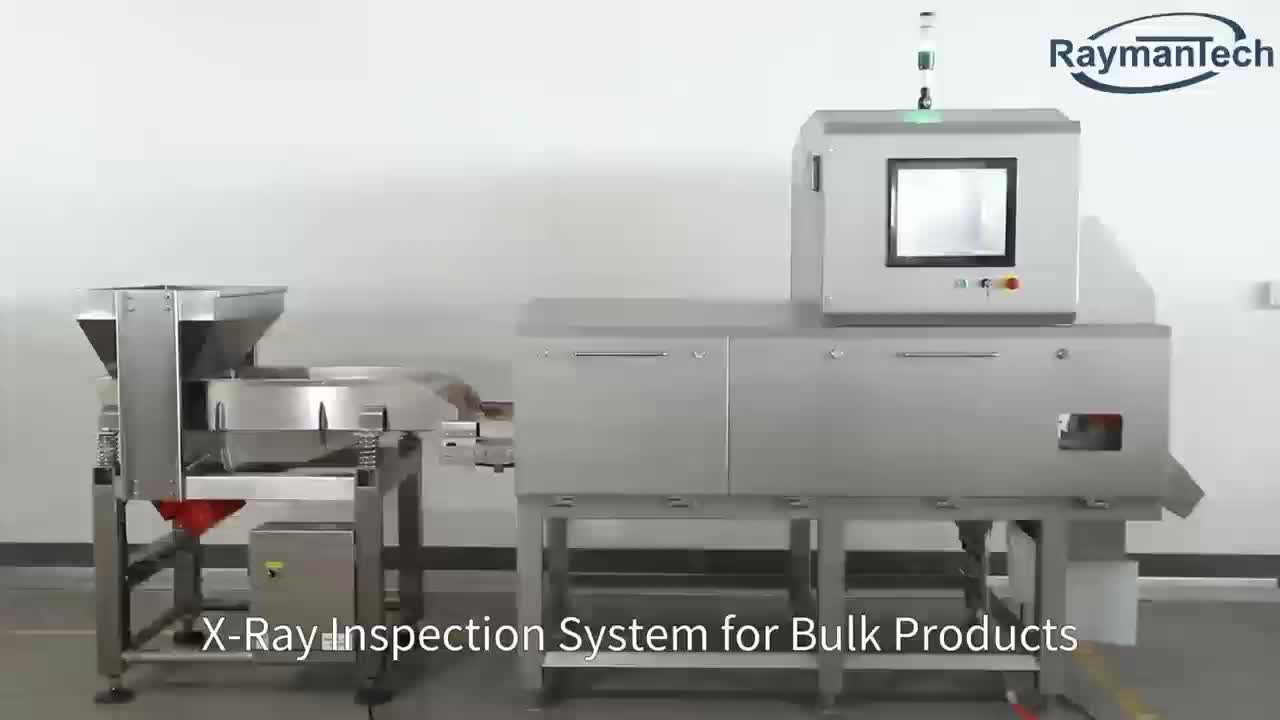
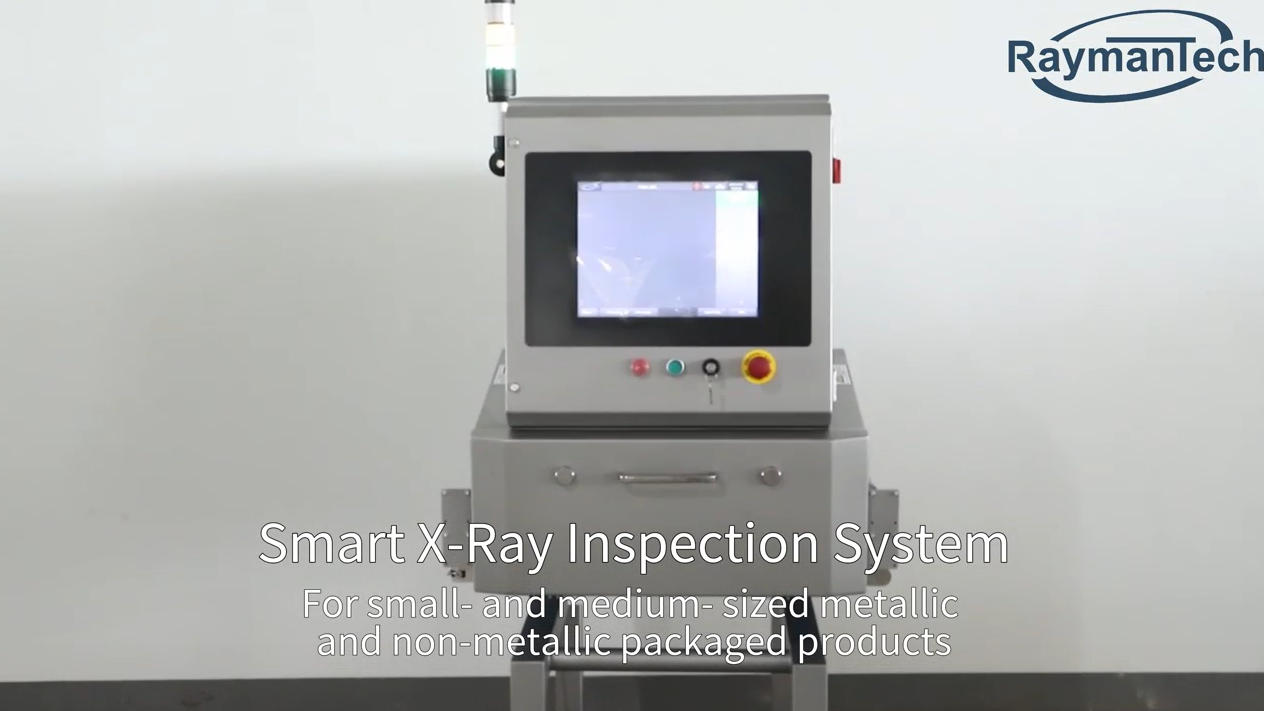
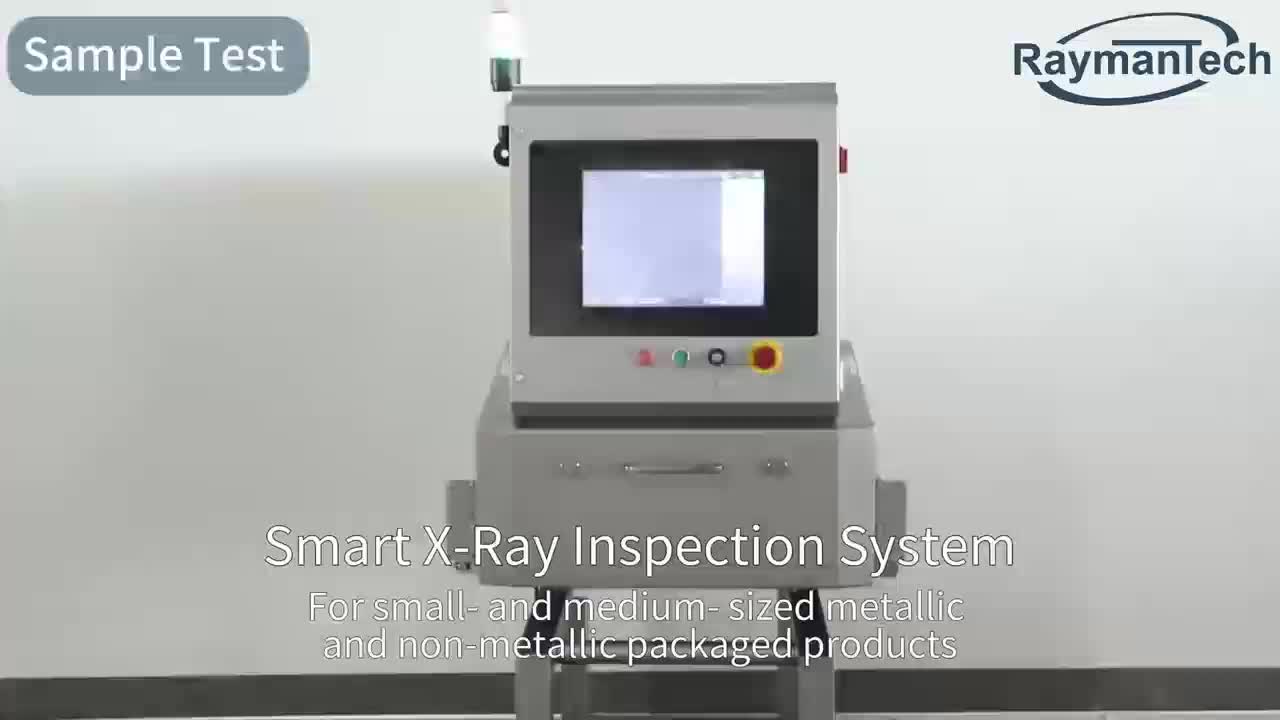
X-ray sorting provides the highest level of food safety assurance. This technology is the final defense against high-density foreign materials that other sensors might miss. An X-ray beam scans the product flow, and a detector on the other side measures how much energy is absorbed. Dense objects block more X-rays and are easily identified for ejection.
X-ray systems are essential for removing dangerous contaminants such as:
Metal fragments
Glass shards
Stones and dense rocks
High-density plastics and rubber
The use of X-ray technology in food processing is highly regulated. Machines must comply with strict global standards to ensure operator safety and product integrity. Key compliance frameworks include FDA regulations, CE marking, and ISO certification. Many processors also seek FSSC 22000 certification, which incorporates X-ray inspection as a critical control point for food safety management.
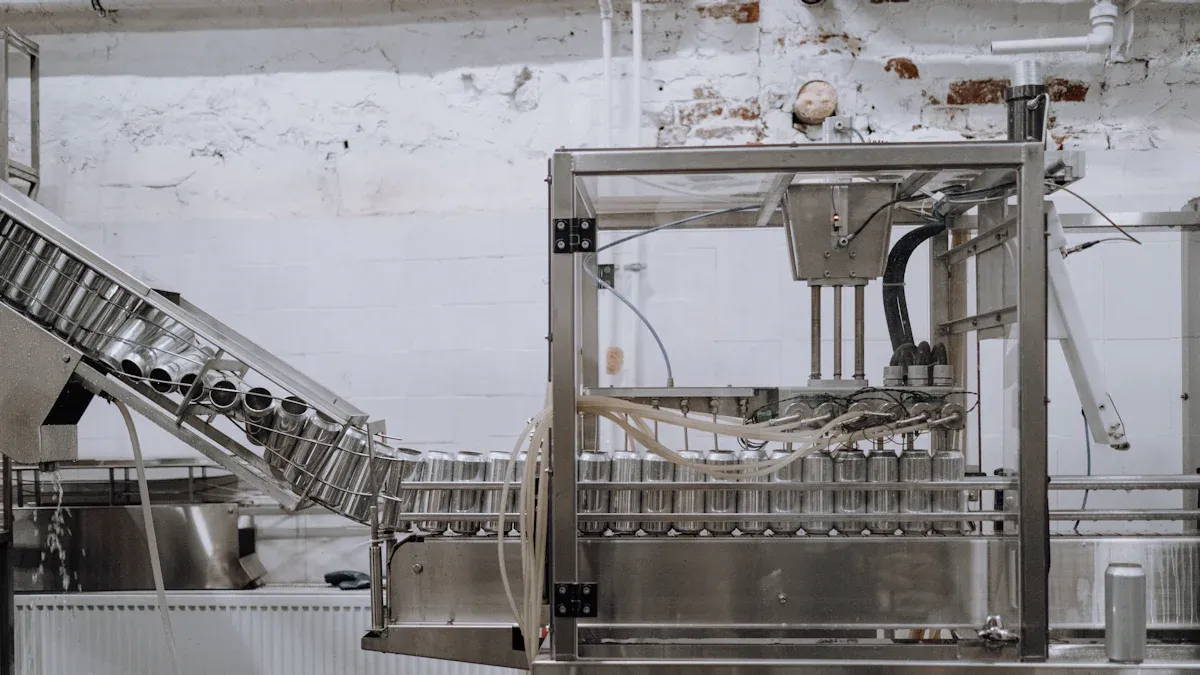
Advanced sorting technologies are only as effective as the machine's physical components and its controlling software. Processors must scrutinize the core hardware and user interface. These features determine the machine's real-world precision, reliability, and ease of use.
The ejection system is where the sorting decision becomes reality. After the sensors identify a defect, a high-speed ejector fires a precise puff of compressed air to remove the unwanted bean from the product stream. The quality of this system directly impacts profitability by determining both product purity and yield.
A key metric to evaluate is the "good-in-bad" ratio, also known as the carryover ratio. This measures how many good beans are accidentally ejected along with the bad ones. A superior ejection system minimizes this carryover. For example, a high-speed pneumatic ejection system with 126 channels ensures rapid and precise separation. This precision reduces the number of desirable beans mistakenly removed, maximizing the final yield. The carryover ratio can vary based on sorting parameters.
| Sorting Program | Carryover Ratio (Bad : Good) |
|---|---|
| Program A (Loose) | 10:1 |
| Program B (Strict) | 30:1 |
A lower ratio (e.g., 10 bad beans for every 1 good bean) indicates higher precision and less product loss. Furthermore, durability is paramount. Top-tier, high-frequency ejectors in a modern kidney beans sorting machine are engineered for extreme longevity, with a stated service time of 5 to 10 billion cycles. This ensures consistent performance and reduces maintenance costs over the machine's lifespan.
The software is the brain of the sorting operation. In 2026, user interfaces (UIs) have evolved beyond simple settings. They are now intelligent, adaptive systems that simplify complex operations and provide deep operational insights. Processors should look for machines equipped with the latest software advancements.
Key software features include:
AI and Machine Learning: The most advanced systems use AI to learn from the product stream. These algorithms dynamically adjust sorting parameters to adapt to variations in the raw product. This self-optimization reduces false rejections and improves overall sorting accuracy without constant manual intervention.
IoT Connectivity: Internet of Things (IoT) integration allows the machine to connect to a network. This enables powerful capabilities like real-time performance monitoring from a tablet or central office.
Remote Diagnostics: With IoT, technicians can remotely diagnose issues, reducing downtime. This predictive maintenance capability helps operators address potential problems before they cause a shutdown.
Intuitive Controls: Despite the complex technology underneath, the UI should be simple. Operators should be able to easily select pre-set programs, create new sorting profiles, and view performance data through a clear graphical interface.
These software integrations transform a sorting machine from a standalone piece of equipment into a data-rich hub for process optimization.
A sorter's performance is heavily dependent on how kidney beans are presented to its sensors. A poorly designed material handling system can damage the product before it even reaches the sorter, rendering the sorting process less effective. Gentle handling is essential to preserve bean quality.
Best Practices for Material HandlingTo minimize damage and ensure a consistent product flow, processors should implement several key practices. These include minimizing drop distances, controlling moisture content, and using enclosed conveying systems to prevent contamination. Adherence to standards like HACCP and ISO 9000 is also critical for maintaining food safety and quality.
The choice of conveyor technology is particularly important. Many common systems can cause significant damage.
Problematic Systems: Auger and bucket lift conveyors often cause seed coat damage and breakage due to friction, battering, and shattering during transfers.
Superior Systems: Tubular drag systems are a far better alternative. These enclosed systems use cables and discs to gently slide beans through a tube. This method avoids stress and abrasion, significantly reducing breakage and protecting the delicate seed coat.
Ultimately, the chute on the sorting machine itself must be designed to stabilize the beans and present them uniformly to the cameras. A smooth, well-angled chute prevents bouncing and ensures each bean is scanned effectively, maximizing the accuracy of the entire kidney beans sorting machine.
A machine's purchase price is only one part of the total investment. Processors must also evaluate the manufacturer's long-term reliability and calculate the total cost of ownership to make a sound financial decision. This ensures the equipment delivers value for years to come.
The relationship with a manufacturer extends far beyond the initial sale. A strong after-sales support system is crucial for minimizing downtime and protecting the investment. Processors should investigate the manufacturer's service network, including the availability of local technicians for installation, training, and emergency repairs. Quick access to spare parts is equally important. A delay in receiving a critical component can halt production for days.
A reliable manufacturer acts as a long-term partner. They provide comprehensive training for operators, offer ongoing technical support, and maintain a robust inventory of spare parts to ensure the machine operates at peak efficiency throughout its lifespan.
Calculating the Return on Investment (ROI) provides a clear financial justification for the purchase. It measures the profitability of the equipment relative to its total cost. A positive ROI indicates a profitable investment. Processors can determine their ROI by following a simple, three-step process.
Determine Total Cost of Ownership: Calculate all expenses related to the equipment. This includes the purchase price, installation, training, operational costs like energy and labor, and maintenance.
Calculate Net Profit: Identify the financial gains from the machine. This includes revenue from increased sales, savings from reduced product waste, and labor savings from automation.
Apply the ROI Formula: Use the standard formula to find the percentage return.ROI = (Net Profit – Costs) / Costs × 100
This calculation helps a business understand exactly how and when the machine will pay for itself and start generating profit.
A final checklist guides the purchase decision. Processors must define capacity needs, select the right sorting technologies, and evaluate key machine features. Vetting the manufacturer and calculating the total cost of ownership are also essential. The right kidney beans sorting machine is a strategic investment for future profitability and efficiency.
Operators perform daily cleaning. Manufacturers provide specific preventative maintenance schedules based on usage. This practice ensures machine longevity and optimal sorting performance.
Yes, modern sorters are versatile. Operators can easily switch between pre-set programs for different beans. This flexibility maximizes the machine's utility and return on investment.
X-ray technology is not essential for every operation. It provides the highest food safety level by detecting dense contaminants. Processors adopt it to meet strict quality or customer requirements.

We provide you with comprehensive foreign trade solutions to help enterprises achieve global development
High cost performance, compact design, high sensit...
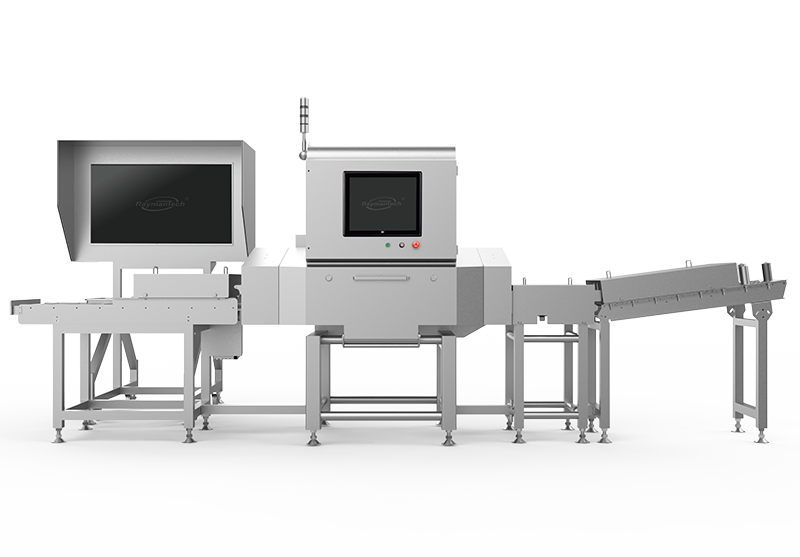
Automatic recognition and rejection, fish bone ins...
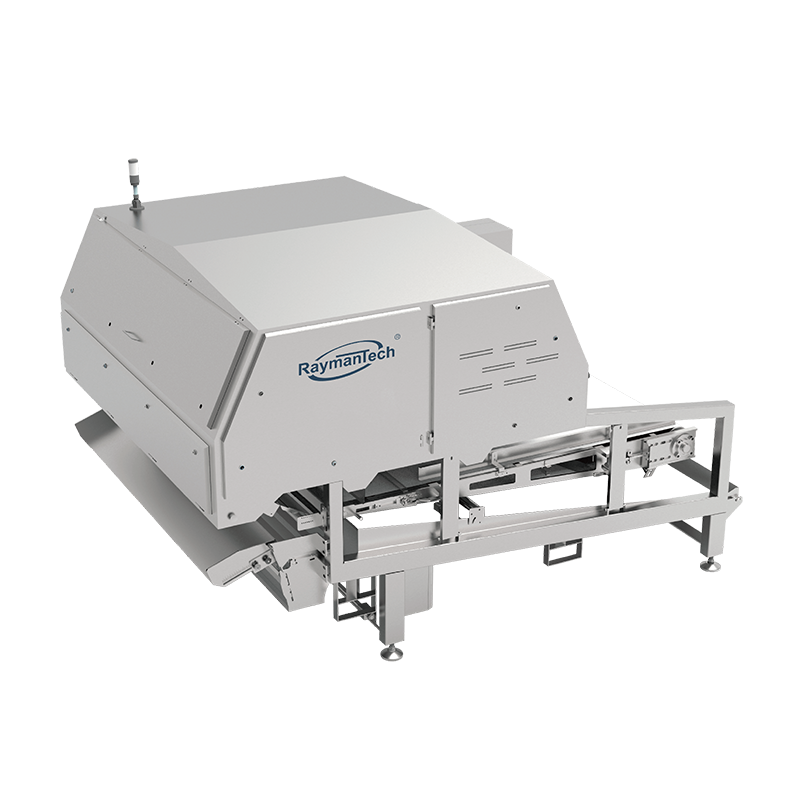
Recommedation: Frozen vegetables such as green be...
.png)
Recommedation: Aquatic products, pet food, candy, ...
Select the most popular foreign trade service products to meet your diverse needs
Select the most popular foreign trade service products to meet your diverse needs







User Comments
Service Experience Sharing from Real Customers
Michael Rodriguez
Production ManagerThis kidney beans sorting machine has revolutionized our production line. The accuracy and speed are exceptional, reducing waste by 30% in the first month alone. The automated optical sorting technology perfectly identifies and removes defective beans.
Sarah Chen
Quality Control SupervisorOutstanding performance! The machine's precision in sorting kidney beans by size and color has significantly improved our product quality. Minimal maintenance required and the user interface is incredibly intuitive. Highly recommended for any legume processing facility.
James Wilson
Operations DirectorExcellent investment for our packaging company. The sorting efficiency has increased our throughput by 40% while maintaining consistent quality. The only minor issue was the initial setup, but customer support was very helpful. Great value for money.
Emily Thompson
Plant ManagerThis machine has exceeded all our expectations. The advanced sensors perfectly distinguish between good and defective kidney beans, and the self-cleaning mechanism saves us hours of downtime. Our export quality standards have never been better met.