 English EN
 中国 CN
中国 CN
.png)
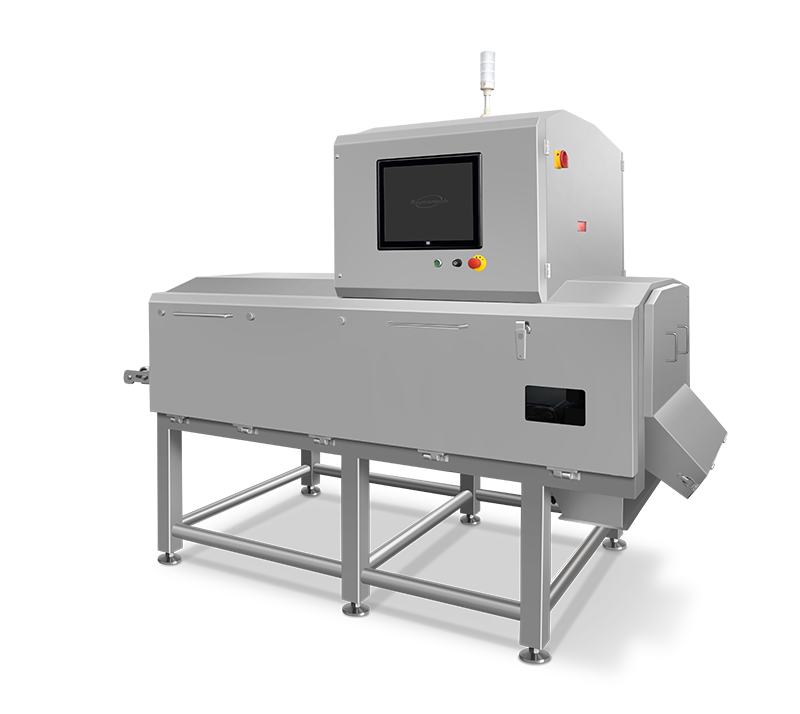
Introduction to RaymanTech Optical Sorters for Farm Products and Food Processors
RaymanTech, as a leading provider of inspection an...
More

Large-scale pasta production demands superior technology. Optical sorters outperform manual sorting for quality and speed. This advantage is critical in a competitive market.
The global pasta market was valued at over USD 71 billion in 2024. It is projected to grow steadily.
A modern linguine optical sorter delivers unmatched precision. It ensures a premium product, enhancing brand reputation and ROI.

Understanding the sorting process reveals the core differences between automation and manual labor. Each method approaches the goal of pasta perfection from a fundamentally different angle. Technology offers precision and speed, while the human touch relies on traditional inspection.
Optical sorters use advanced imaging technology to automate quality control. The process is systematic and incredibly fast.
Pasta travels at high speed on a conveyor belt into the sorting machine.
High-resolution cameras scan every single piece from multiple angles.
Sophisticated software analyzes these images in milliseconds. It compares each piece against pre-defined standards for color, size, and shape.
When the system detects a defect—like a black speck or a discolored piece—it signals a targeted air jet. The jet fires a precise puff of air, ejecting only the flawed item from the production line.
A modern linguine optical sorter executes this entire sequence flawlessly, ensuring a uniform and high-quality final product.
Manual sorting represents the classic approach to quality control. This method depends entirely on human sight and judgment.
On a production line, workers stand alongside a conveyor belt. They visually scan the pasta as it moves past them. Inspectors must spot and physically remove any items that appear defective, such as broken pieces, discolored pasta, or foreign materials. The effectiveness of this method relies heavily on the individual worker's focus, training, and speed, which can vary significantly.
This traditional technique is straightforward but faces inherent limitations in consistency and throughput.
When it comes to pasta perfection, accuracy is non-negotiable. The difference between automated and manual inspection directly impacts final product quality, brand reputation, and consumer trust. Technology provides objective precision, while human inspection introduces subjective variability.
Optical sorters deliver unparalleled consistency. These systems use advanced AI and infrared sensors to achieve up to 99% accuracy in removing impurities. A modern linguine optical sorter identifies and ejects defective particles with relentless precision. It ensures uniform product quality by catching flaws that human inspectors might overlook. This consistent performance maximizes throughput and increases yields. The technology guarantees that every batch meets the same high standard, building crucial brand trust and reducing the likelihood of product returns. This level of purity is simply unattainable through manual methods at an industrial scale.
Manual sorting is inherently subjective and inconsistent. Human inspectors are susceptible to errors from fatigue, distraction, or simple oversight, especially during long shifts. This inconsistency leads directly to variations in final product quality.
The effectiveness of manual inspection diminishes significantly with large volumes. What one worker considers a defect, another might miss, resulting in an unpredictable and uneven standard across the production line.
This variability is the high cost of human error. It can damage a brand's reputation for quality and lead to customer complaints. While suitable for small, artisanal batches, manual sorting cannot provide the reliable, high-quality results required for large-scale pasta production.
In large-scale pasta manufacturing, production speed directly impacts profitability. An efficient sorting process keeps the entire line moving, while a slow one creates costly delays. The difference in throughput between automated and manual methods is a deciding factor for any producer aiming to scale their operations and meet market demand. Automation provides a clear advantage in this race against time.
Automated systems operate at a speed far beyond human capability. An optical sorter processes immense volumes of pasta without interruption, ensuring a continuous flow. This technology maintains peak performance 24/7.
| Feature | Value |
|---|---|
| Detection Accuracy | 99.9% |
| Sorting Speed | 2-10 tons/hour |
This incredible pace delivers significant operational benefits. An optical sorter streamlines the entire production line.
It minimizes product breakage with gentle handling.
It eliminates the need for a large manual sorting team.
It keeps the packing line running smoothly without delays.
It improves overall throughput and operational efficiency.
Manual sorting inevitably slows down production. Human inspectors can only process a limited amount of pasta per hour. Their speed and effectiveness decrease over a shift due to fatigue. This limitation creates a significant bottleneck, holding back the potential output of the entire facility.
A production line can only move as fast as its slowest component. When manual sorters cannot keep up with the output from the pasta extruders, the entire operation must slow down, reducing overall capacity and profitability.
This bottleneck effect makes manual sorting unsuitable for high-volume manufacturing. It restricts growth and prevents a company from responding quickly to large orders.
A thorough financial analysis reveals that the initial price tag is only part of the story. The long-term value and hidden expenses associated with each sorting method determine the true return on investment.
An optical sorter represents a significant capital investment. However, this initial expense generates substantial and rapid financial returns. The technology is a strategic asset that pays for itself through enhanced efficiency and waste reduction.
Pasta production facilities typically achieve a full return on investment within 12 to 24 months. This rapid payback comes from an average yield improvement of 3% to 7%, which directly boosts profitability while protecting brand reputation.
This impressive ROI transforms the sorter from a cost center into a profit driver. It provides predictable, long-term financial benefits that far outweigh the upfront purchase price, making it a wise investment for any scaling operation. 📈
Manual sorting appears less expensive initially but carries significant and escalating hidden costs. These expenses stem primarily from recurring labor needs and high employee turnover, which can exceed 40% annually in production environments. This constant churn creates a cycle of unpredictable expenses.
Recruitment Costs: Companies spend continuously on advertising positions and onboarding new staff.
Lost Productivity: New hires require ramp-up time, and vacant roles force existing staff to cover extra work, risking burnout.
Training Expenses: Resources are spent training employees who may leave shortly after, offering no long-term value.
Depleted Morale: High turnover can frustrate remaining team members and damage the company's employer brand.
These compounding factors make manual labor a financially draining model that hinders growth and stability.

Optical sorting technology offers tangible solutions to the most common quality control challenges in pasta manufacturing. These systems provide precise, automated inspection that directly improves product safety and consistency. They excel at identifying and removing a wide range of defects, from minor imperfections to serious contaminants.
Black specks and discoloration are common defects that detract from the visual appeal of pasta. Optical sorters use a combination of advanced technologies to identify and remove these imperfections with exceptional accuracy. The system differentiates between acceptable color variations and genuine flaws.
Full-Color RGB Cameras: These cameras scan each piece of pasta, detecting differences in color and shade. They compare the product against a pre-set quality standard to identify discolored items.
Multispectral Imaging: Advanced sorters use cameras that see beyond the visible spectrum. This technology detects subtle variations in material composition, helping to distinguish a harmless bran speck from a foreign contaminant.
AI-Powered Analysis: Modern systems incorporate artificial intelligence. The software learns to identify specific defect types, improving its accuracy over time and making smarter sorting decisions.
This multi-layered approach ensures that only pasta meeting the highest visual standards reaches the consumer.
Long-good pasta like linguine, spaghetti, and fettuccine presents unique sorting challenges. The product is fragile and prone to breakage during handling. A specialized linguine optical sorter is engineered to manage these specific requirements effectively. It uses gentle handling mechanisms to minimize damage while performing a thorough inspection.
A dedicated linguine optical sorter inspects the entire length of each strand. It identifies not only discoloration but also subtle flaws like cracks or inconsistencies in thickness that could lead to breakage during cooking.
This specialized equipment is crucial for maintaining the integrity and appearance of premium long pasta. A linguine optical sorter ensures that every strand is uniform and free from defects, protecting both product quality and brand image.
Protecting consumers from foreign materials is the most critical function of any quality control system. Optical sorters provide a powerful defense against contaminants that can enter the production line. They use technologies that can detect materials based on their chemical properties, not just their appearance. This allows the sorter to find foreign objects even if they are the same color as the pasta. 🕵️
| Technology | Detection Capability | Common Contaminants Found |
|---|---|---|
| Color Cameras | Detects objects with contrasting colors. | Dark stones, colored plastic, insects. |
| NIR (Near-Infrared) | Identifies materials by chemical structure. | Sticks, wood fragments, certain plastics. |
| SWIR / InGaAs | Analyzes material density and composition. | Low-density plastics, glass, unhulled grains. |
This comprehensive detection capability makes a modern optical sorter an essential tool for food safety. It provides a reliable final check, ensuring the final product is pure and safe for consumption.
Manual sorting has a place in artisanal settings. However, optical sorting is a necessity for any pasta producer focused on growth and market leadership. This technology provides the precision, speed, and financial benefits that manual methods cannot match.
Investing in an optical sorter is the key to guaranteeing product perfection. It secures a competitive edge in a market where consumers demand consistent quality. 🏆
Yes. Modern sorters use flexible software. Operators can easily program the system to recognize various pasta shapes and sizes, from small macaroni to long linguine strands.
Optical sorters need minimal daily maintenance. Regular cleaning of cameras and the viewing area ensures optimal performance. Manufacturers also provide scheduled service plans for long-term reliability.
No. These machines feature user-friendly interfaces. A trained operator can manage settings, monitor performance, and switch between product types with minimal effort.

We provide you with comprehensive foreign trade solutions to help enterprises achieve global development
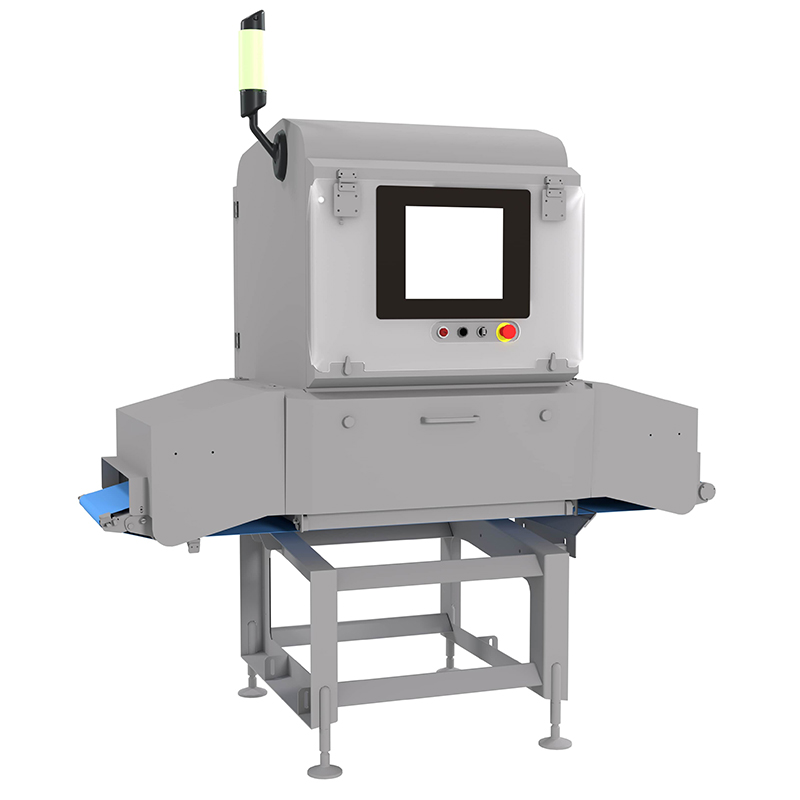
Chicken bone inspection, global poultry AI databas...
High cost performance, compact design, high sensit...
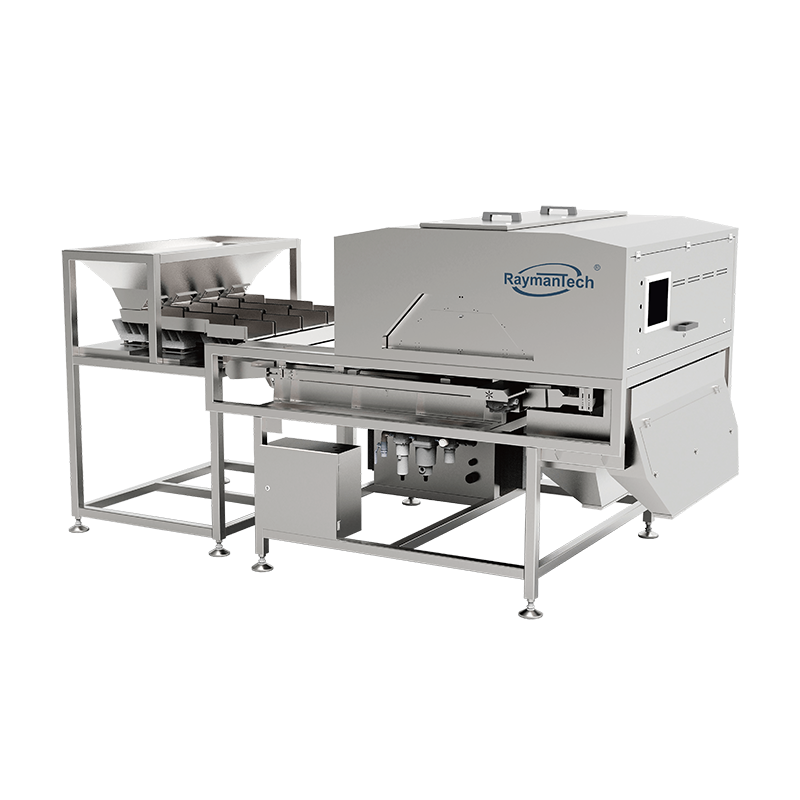
Recommedation: Small particle, flat products such...
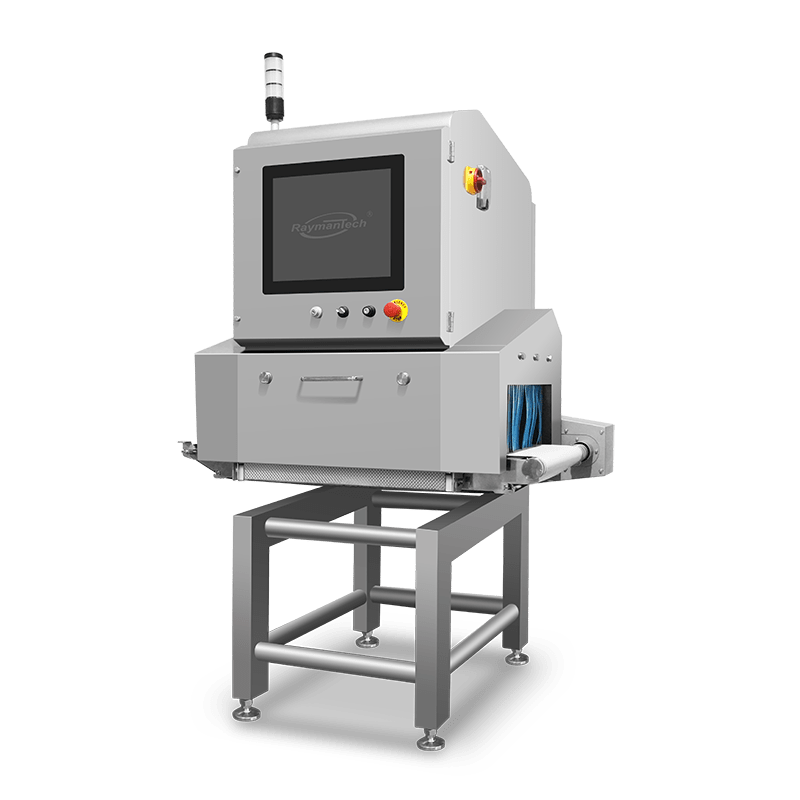
UHD X-Ray detector, AI large model, all food indus...
Select the most popular foreign trade service products to meet your diverse needs
Select the most popular foreign trade service products to meet your diverse needs








User Comments
Service Experience Sharing from Real Customers
Michael Rodriguez
Quality Control ManagerThe Linguine optical sorter has revolutionized our pasta production line. Its precision in detecting and removing defective products while maintaining high throughput is remarkable. We've seen a 40% reduction in waste since installation.
Sarah Chen
Production SupervisorOutstanding performance from the Linguine optical sorter! The AI-powered detection system accurately identifies even subtle color variations and foreign materials. Maintenance is straightforward and downtime has been minimal.
David Thompson
Plant EngineerHighly reliable optical sorter that has significantly improved our product quality. The user interface is intuitive and the technical support team responds quickly. Only minor adjustment period required for optimal calibration.
Jennifer Williams
Operations DirectorThis optical sorter has exceeded our expectations in every aspect. The accuracy rate is consistently above 99.5%, and the machine's durability in our high-volume environment has been impressive. Excellent return on investment.