 English EN
 中国 CN
中国 CN
.png)

Introduction to RaymanTech Optical Sorters for Farm Products and Food Processors
RaymanTech, as a leading provider of inspection an...
More

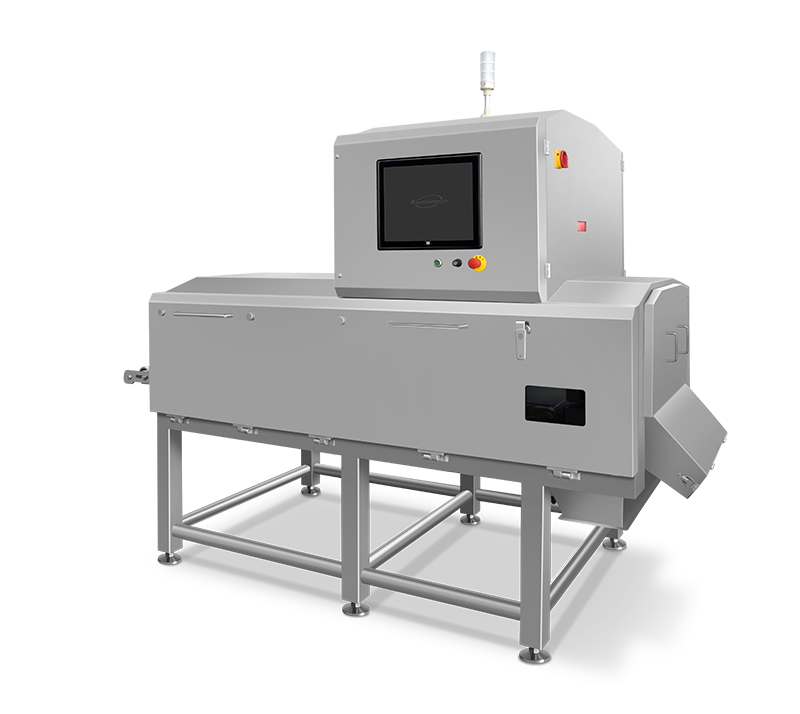
An X-ray seed sorter is an advanced agricultural machine. It uses X-ray technology to inspect the internal structure of individual seeds. This machine identifies and separates seeds based on internal quality attributes. These attributes are invisible to the naked eye or standard optical sorters. The Agricultural Sorting Equipment Market, valued at 13.91 billion USD in 2025, is projected to grow at a CAGR of 8.7% through 2033. This growth highlights the increasing adoption of technologies like the millet seed x ray machine.
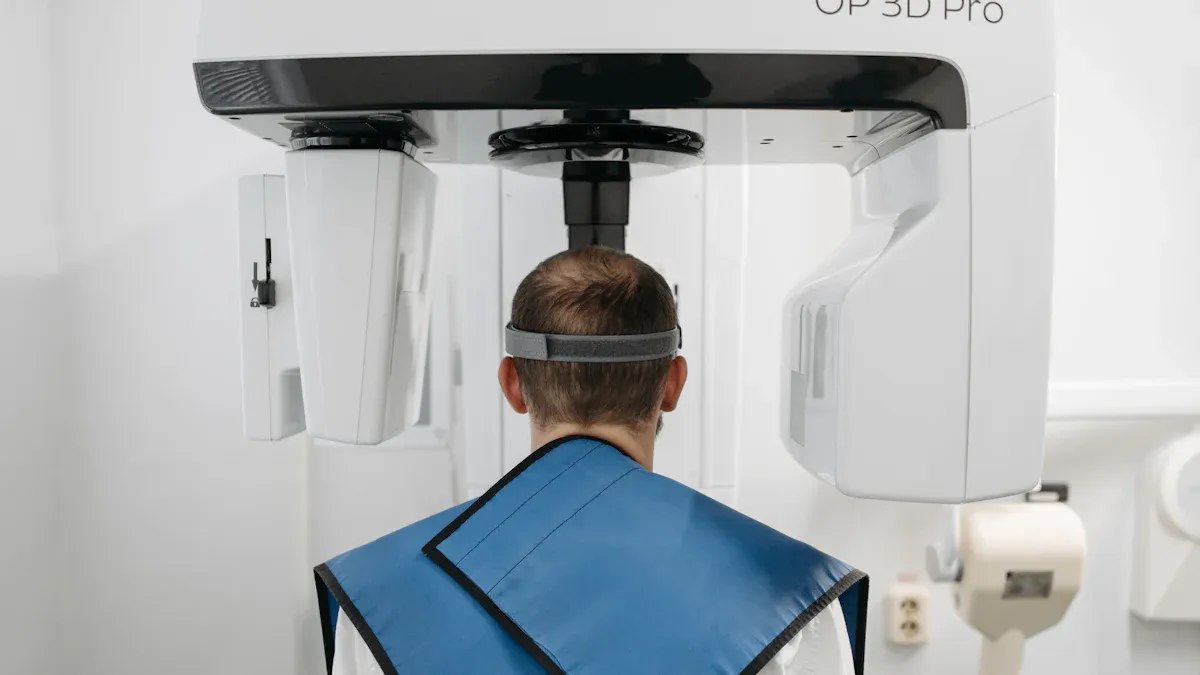
An X-ray seed sorter operates through a precise, four-step process. The machine transforms a bulk seed lot into a highly purified group with superior quality. Each step leverages advanced technology to ensure only the best seeds make it to the final batch. This systematic approach guarantees efficiency, accuracy, and a significant return on investment for seed producers.
The process begins with feeding seeds into the sorter. A hopper holds the bulk seeds and releases them onto a vibratory feeder. This feeder carefully spreads the seeds out. The primary goal of this stage is singulation. Singulation means separating the seeds into a single file line. Each seed must pass through the inspection zone one by one for an accurate individual assessment.
Modern sorters employ several advanced methods to achieve perfect singulation.
Conveyor Systems: Many machines use specialized conveyor belts or seed carriers. These systems provide streamlined transport for high-throughput workflows.
High-Speed Planter Technology: Innovations from high-speed planting systems, like the John Deere ExactEmerge, demonstrate excellent seed spacing consistency at speeds up to 10 miles per hour. This technology minimizes skips and doubles.
Acoustophoretic Systems: The most advanced sorters use ultrasonic phased array transducers (PAT). These systems create acoustic traps that levitate and arrange seeds without physical contact. This contactless method enhances sorting efficiency, reduces seed damage, and lowers maintenance needs.
Once singulated, each seed passes through the inspection zone. Here, a low-energy X-ray beam scans the seed. An X-ray detector, such as the type found in the AMD X400 series, is positioned opposite the beam. The detector captures a shadow image of the seed's internal structure. Denser materials within the seed absorb more X-rays and appear darker in the image. Less dense areas, like cracks or empty spaces, appear lighter.
Some systems enhance this process by combining technologies. The integration of Visible Light (VIS) + X-ray Imaging provides a more comprehensive analysis. VIS cameras inspect for external color and shape defects, while the X-ray reveals the internal quality. This dual approach allows machines like a millet seed x ray machine to detect a wider range of issues, from surface discoloration to internal mold.
A Note on Seed Safety
Operators must pay attention to the potential consequences of X-ray exposure. While exposure levels are generally low and brief, studies show that higher doses can lead to an increase in abnormal seedlings. Manufacturers design these systems to use the minimum energy required for effective analysis, protecting the germination potential of the seed.
The X-ray image is instantly sent to the machine's central computer. This computer runs powerful image analysis software. The software uses pre-programmed parameters and machine learning algorithms to analyze the image in milliseconds. It compares the internal features of the scanned seed against a "perfect seed" profile.
The system's software makes a "keep" or "reject" decision based on this analysis. Advanced sorters employ sophisticated machine learning algorithms to create highly accurate predictive models for seed quality. These models classify seeds based on their germination and vigor potential. Common algorithms include:
Linear Discriminant Analysis (LDA)
Partial Least Squares Discriminant Analysis (PLS-DA)
Random Forest (RF)
Support Vector Machine with radial basis kernel (SVM-r)
This intelligent analysis is what allows the sorter to identify complex internal defects that are invisible to other sorting methods.
The final step is the physical separation of seeds. Following the computer's decision, the seed continues its path toward the ejection zone. If the software identifies a seed as defective, it triggers an ejection mechanism at the precise moment the seed passes.
The most common ejection method involves a high-speed ejector. This device releases a targeted puff of compressed air. The air jet strikes the defective seed, knocking it out of the main stream and into a reject bin. Good seeds remain untouched and continue into a collection bin for accepted products. Sorters can use different configurations for this process.
Free-fall Sorters: Seeds drop through the sensor field, and air jets eject defects as they fall.
Belt Sorters: Seeds travel on a conveyor belt, and air jets or mechanical arms remove defective items with high precision.
This high-precision ejection system operates at incredible speeds, often over 1,000 times per second, ensuring minimal false rejects. The accuracy of this separation is remarkable.
| Discrimination Task | Reported Accuracy Rate |
|---|---|
| Healthy germs from twins and half-empty seeds | 74% |
| Biseeds from monoseeds (shape discrimination) | 89% |
| Biseeds from monoseeds (unlikely poses excluded) | Close to 100% |
This level of precision guarantees that the final sorted batch consists of seeds with the highest potential for germination and healthy growth.
The true power of an X-ray sorter lies in its ability to see what other technologies cannot. It peers inside each seed to identify a range of internal defects that compromise quality. Removing these flawed seeds is the key to achieving superior germination, uniformity, and yield. The machine's software identifies these issues by analyzing density variations within the X-ray image, making it an indispensable tool for modern seed producers.
Insects often bore into seeds to lay eggs or feed, leaving behind damage that is completely hidden from the outside. A seed can appear perfect externally while housing larvae or extensive internal tunnels. X-ray technology provides a non-destructive solution to this problem. The soft X-ray method effectively identifies these hidden insect infestations within grain kernels.
The X-ray image reveals these defects with clarity:
Tunnels and Cavities: Areas eaten by insects appear as darker, less dense paths or voids.
Larvae Presence: The insect larva itself has a different density than the seed tissue, creating a detectable anomaly.
Frass: Insect waste left inside the seed also shows up as a density irregularity.
By identifying and ejecting these infested seeds, sorters prevent the distribution of pests and ensure that only healthy, viable seeds are packaged for sale or planting.
Harvesting, drying, and handling processes can subject seeds to significant physical stress. This stress often creates internal micro-cracks that are invisible to the naked eye and standard optical sorters. These cracks compromise the seed's structural integrity and create pathways for pathogens.
X-ray sorters excel at detecting various forms of mechanical damage.
Endosperm and Stress Cracks: These disruptions in the seed's internal structure reduce its mechanical strength.
Internal Cracks: Fissures located near or across the embryo axis can disrupt nutrient transport.
Microstructural Porosity: High-resolution imaging can visualize and quantify tiny changes in the seed's internal composition.
Studies confirm that such mechanical damage directly leads to a loss of viability and reduced germination rates. The physical damage compromises the seed's protective layers, which can cause oxidative damage and protein denaturation. X-ray microtomography (μCT) is frequently used in research to characterize these kernel cracks and confirm their negative impact on seed quality.
A single, well-placed internal crack can sever the connection between the embryo and its food supply (the endosperm), rendering an otherwise healthy-looking seed non-viable.
For a seed to germinate and produce a healthy plant, it must contain a complete and properly developed embryo. Factors like poor pollination, environmental stress during growth, or genetic issues can lead to seeds with malformed, undersized, or entirely absent embryos.
X-ray analysis makes it possible to evaluate the internal morphology of a seed without damaging it. The technology can detect the absence of vital organs, like the embryo, or identify shrinkage of interior tissues. Advanced systems use sophisticated software to automate this assessment. This software allows operators to set user-defined parameters, such as the required 'fill %', to quantify embryo size and completeness relative to the rest of the seed. A powerful millet seed x ray machine can use this data to ensure every seed in a high-value batch has the maximum potential for vigorous growth.
Some seeds may appear full-sized and externally flawless but are actually empty or only partially filled. This issue, common in many plant species, is often a result of pollination failure or adverse growing conditions. Planting these seeds is a waste of resources, as they have zero germination potential.
X-ray sorting easily solves this problem.
The X-ray beam passes through the seed.
A healthy, dense seed absorbs more X-rays and creates a lighter gray image.
An empty or hollow seed is far less dense, allowing more X-rays to pass through and creating a much darker image.
The machine's computer instantly identifies this density difference and triggers the ejection system to remove the empty seed. This simple but effective process dramatically increases the overall quality and germination percentage of the final seed lot.
Fungal infections and other diseases can develop inside a seed, silently destroying the embryo or endosperm. By the time external symptoms like discoloration or mold appear, the infection may have already spread to other seeds in the lot.
X-ray inspection offers a first line of defense against these internal pathogens. Fungal growth, rot, or tissue decay creates localized changes in the seed's internal density. These infected areas appear as blotches, dark spots, or irregular patterns on the X-ray image. Detecting and removing these seeds at an early stage is critical for two reasons:
It prevents the planting of non-viable, diseased seeds.
It stops the spread of pathogens during storage and handling, protecting the integrity of the entire batch.
X-ray sorting technology provides critical quality control across diverse agricultural sectors. Its applications range from small, high-value seeds to large-scale commodity crops. The technology adapts to different needs, ensuring maximum value and performance.
Producers of high-value seeds, like tomato and pepper, gain immense benefits from X-ray sorting. Each seed represents a significant investment. Research from Incotec showed X-ray sorting dramatically improves tomato seed lots, yielding a high percentage of viable seedlings. The technology is also effective for other crops. X-ray imaging successfully predicts the viability of pepper seeds, a globally important vegetable. A specialized millet seed x ray machine can similarly upgrade lots of specialty grains, ensuring only the most promising seeds are selected.
X-ray sorting also enhances large-scale agronomic crops. High-speed grain sorting systems handle corn, soybeans, and wheat. These multimodal lines combine X-ray with laser and optical technologies. This approach addresses a wide spectrum of contaminants and internal grain flaws. The nuanced handling parameters can be adjusted for different grain types. A millet seed x ray machine, for example, uses specific settings optimized for small grains. This versatility makes the technology valuable for commodity crop producers seeking a competitive edge.
Researchers use X-ray technology as a powerful analytical tool. It enables non-destructive studies of internal seed morphology, treatment effects, and developmental processes. This research uncovers new ways to improve crop performance.
An experiment with peanut seeds showed that X-ray exposure could improve yield and seed oil content. The treatment also significantly reduced stem rot.
This type of investigation highlights the technology's potential beyond simple sorting. A lab-scale millet seed x ray machine allows scientists to phenotype thousands of seeds, accelerating genetic discovery and breeding programs.
X-ray sorting revolutionizes seed quality control. The technology enables non-destructive internal inspection of every single seed, a capability unmatched by other methods. It directly removes internally defective seeds from a batch. This process guarantees higher germination rates, superior crop uniformity, and a significant increase in overall yield potential.
Yes. Manufacturers design systems with low-energy X-rays. This approach protects the seed's germination potential while ensuring accurate internal analysis for most seed types.
X-ray technology excels at internal inspection. Many modern machines integrate VIS cameras. This dual system allows the sorter to detect both internal flaws and external defects simultaneously.

We provide you with comprehensive foreign trade solutions to help enterprises achieve global development
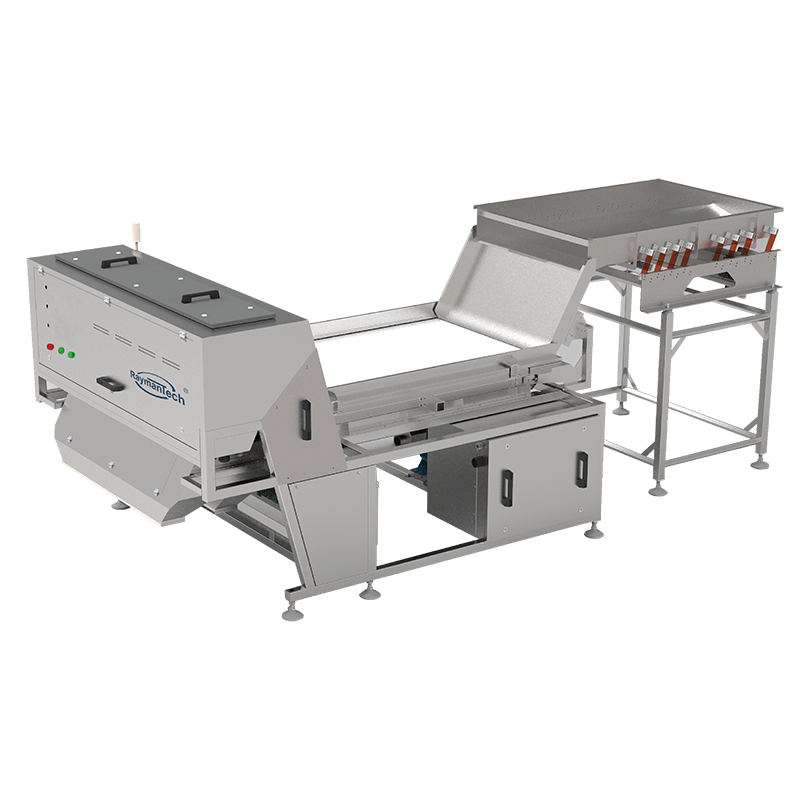
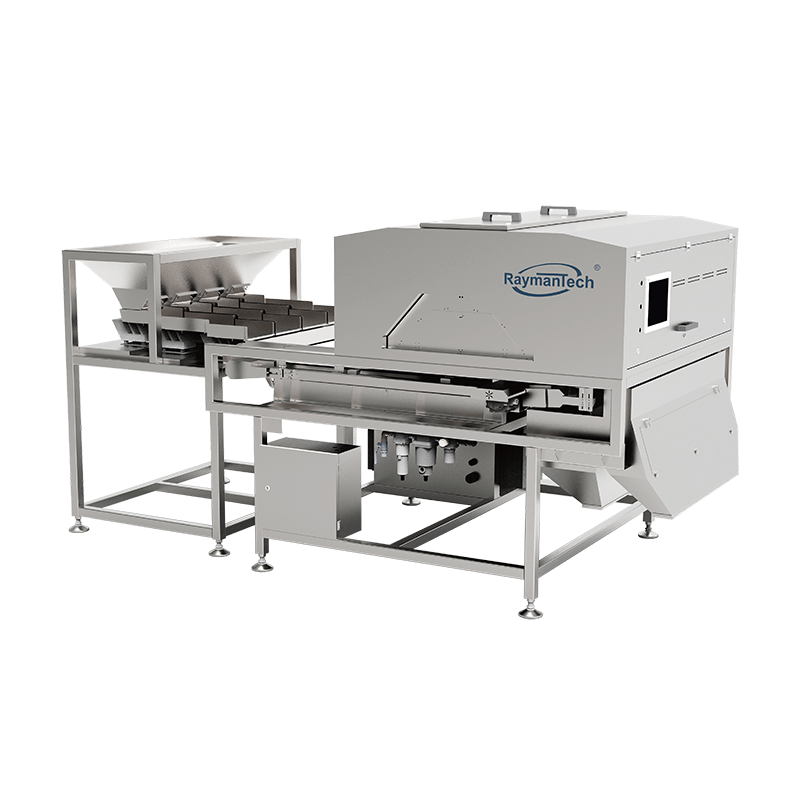
Recommedation: Chili, walnut, peanuts, soybeans, c...
Recommedation: Small particle, flat products such...
.png)
Glass-in-glass / Metal-in-metal inspection, small ...
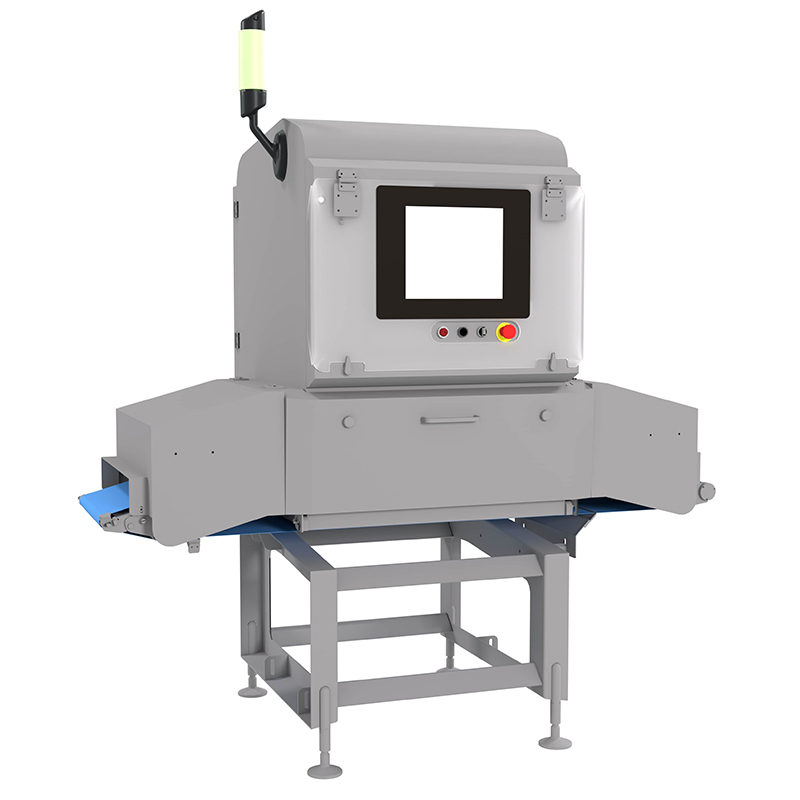
Uneven and overlapped product detection, thin & lo...
Select the most popular foreign trade service products to meet your diverse needs
Select the most popular foreign trade service products to meet your diverse needs



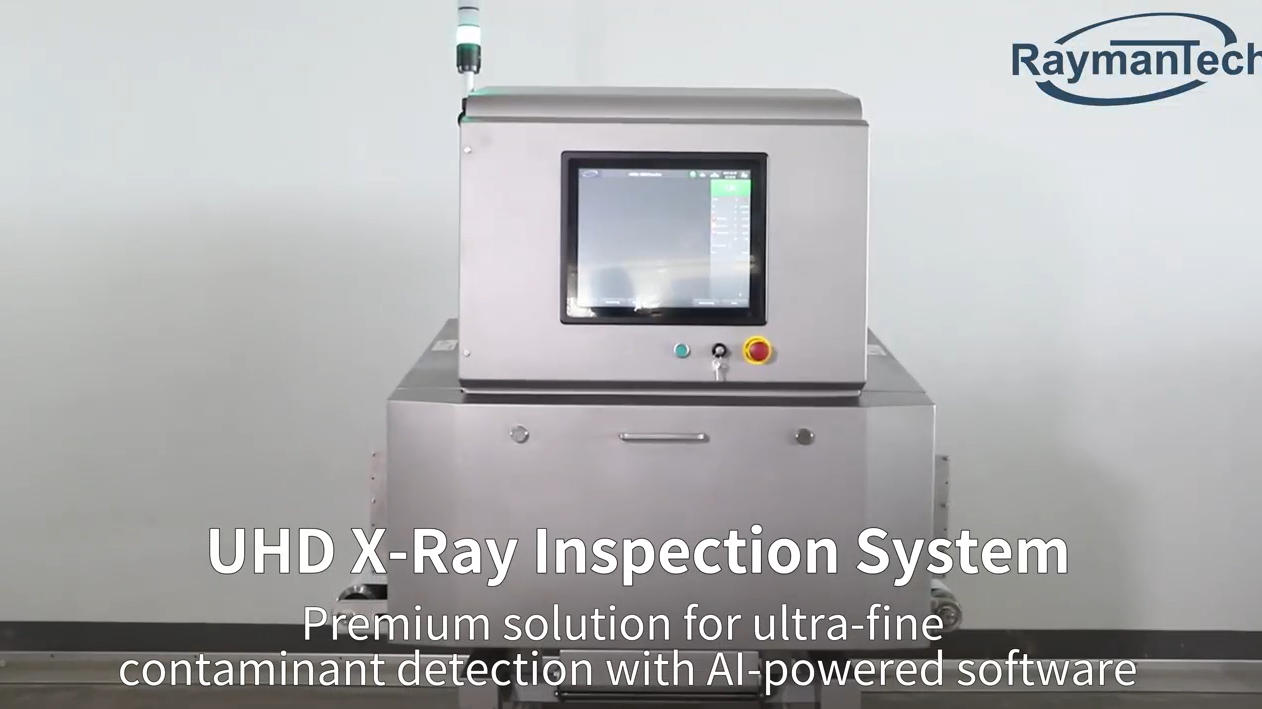

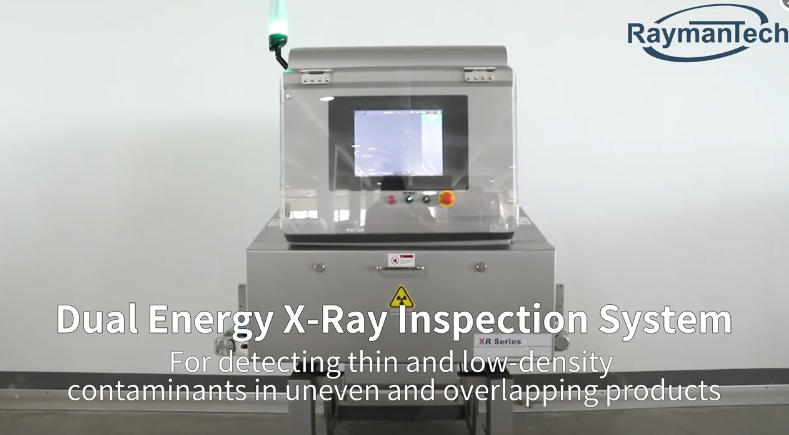



User Comments
Service Experience Sharing from Real Customers
James Wilson
Quality Control ManagerThis millet seed x-ray machine has revolutionized our quality control process. The image clarity is exceptional, allowing us to detect even the smallest defects and foreign materials with precision.
Sarah Chen
Seed Laboratory TechnicianOutstanding performance and reliability! The machine's automated sorting feature has increased our efficiency by 40% while maintaining 99.8% accuracy in seed quality assessment.
Michael Rodriguez
Farm Operations DirectorHighly impressed with the durability and user-friendly interface. The technical support team was responsive during installation. Minor software glitches were quickly resolved with updates.
Emily Thompson
Agricultural Research ScientistThe detailed imaging capabilities have significantly enhanced our seed viability studies. The machine provides consistent results and has become indispensable in our research facility.