 English EN
 中国 CN
中国 CN
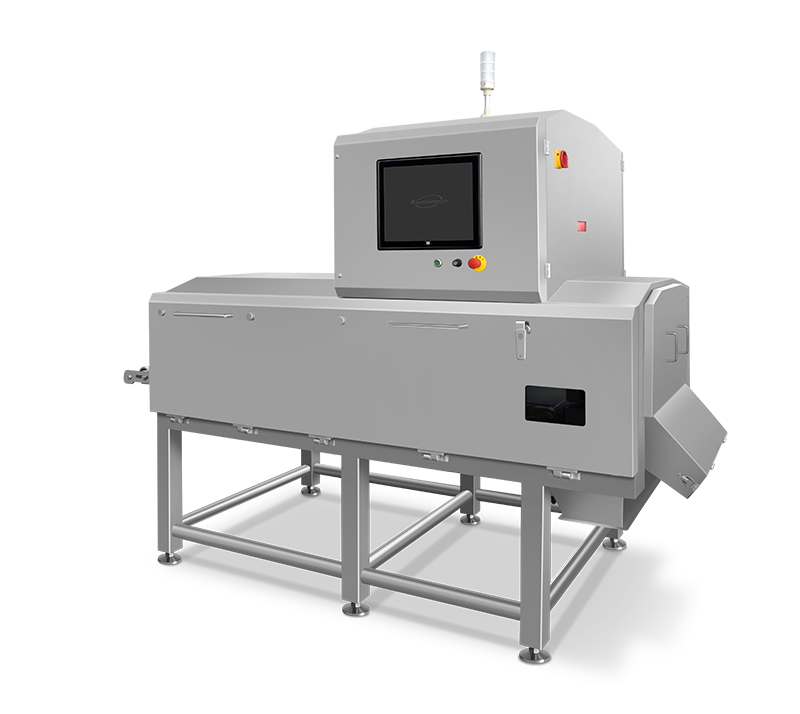

RaymanTech Bulk X-ray Inspection:The First and Most Important Line of Defense in Food Safety
In food processing, the highest-risk moment isn’t ...
More

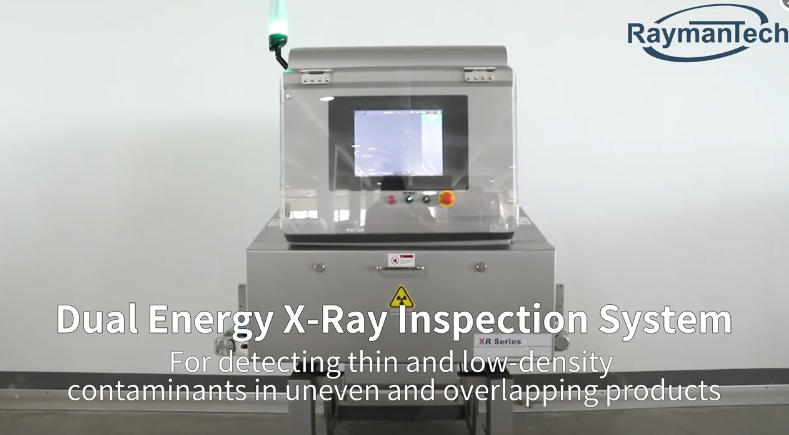
Potato x ray equipment excels at finding high-density foreign materials. These systems identify contaminants like metal fragments, glass shards, and mineral stones. Detection occurs because these unwanted items are significantly denser than the potato. The equipment's imaging technology highlights these density differences, ensuring a safer final product for consumers.
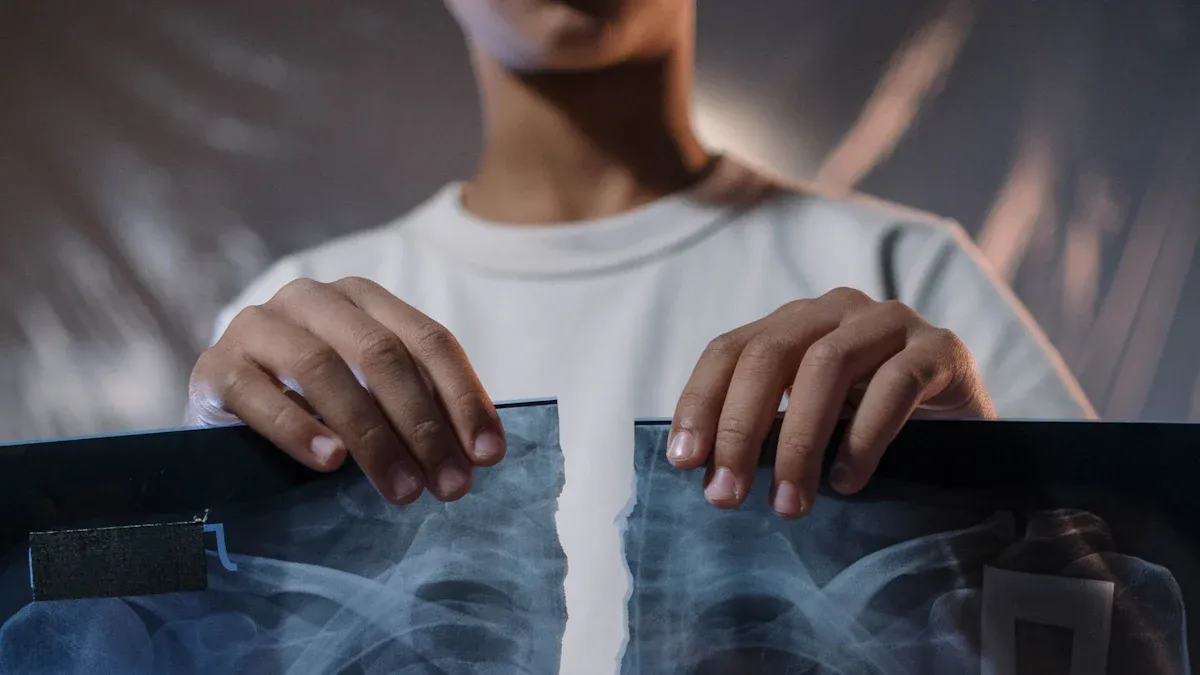
X-ray inspection systems are a powerful defense against a variety of physical contaminants. Their effectiveness hinges on a simple principle: density. Any foreign object significantly denser than the potato it is in will appear as a darker spot on an X-ray image, signaling its presence. This technology is crucial for identifying several key categories of high-density materials.
Metal is one of the most common and hazardous contaminants found in food processing. Fragments can enter the product stream from numerous sources throughout the production line.
Common sources of metal contamination include:
Machinery Components: Parts from processing equipment like cutters, grinders, and conveyors can degrade from wear, fatigue, or corrosion.
Sieves and Screens: Damaged stainless steel or aluminum mesh screens can break apart, releasing small wire pieces into the product.
Tools and Utensils: Careless handling of maintenance tools or production utensils can lead to accidental contamination.
Employee Practices: Personal items like jewelry or pens can inadvertently fall into the production line.
Modern potato x ray equipment is incredibly sensitive. These systems can reliably detect metal fragments as small as 0.5mm. Industry standards often require detection capabilities for metal pieces between 1.5mm and 3mm, depending on the product's density.
Real-World Impact: Metal Contamination Recalls 🚨 The risk of metal contamination is not theoretical. Major UK supermarkets like Sainsbury's and Waitrose have recalled potato products due to potential metal contamination. In another case, Linkletter Farms potatoes were recalled after sewing needles were deliberately placed in them, highlighting the need for robust inspection at every stage.
Glass shards and mineral stones pose a significant safety risk. These contaminants can enter the supply chain from the field (stones mixed with harvested potatoes) or within the facility (broken light fixtures, jars, or gauges). Because both glass and stone are much denser than potato flesh, potato x ray equipment identifies them effectively.
However, detecting glass presents unique challenges. The most common type, soda-lime glass, is easily found because it is very dense. Other types, like borosilicate glass, have different densities that can make them harder to spot. Furthermore, the orientation of a glass shard matters. A thin piece of glass lying flat may be clearly visible, while the same piece standing on its edge might present a much smaller profile to the X-ray beam, making it more difficult to detect.
Many people assume X-ray systems cannot find plastic, but this is a misconception. While low-density plastics like polyethylene are nearly invisible, many high-density plastics and rubbers used in food processing equipment are detectable. The key is that the material must be denser than the potato.
X-ray systems can identify several types of engineered, high-density plastics, including:
PTFE (Teflon)
Viton (a brand of synthetic rubber)
Sustarin C® (an acetal replacement)
Polystone® (a UHMW replacement)
These materials are often used to make durable machine components. Scrapers, mixing paddles, conveyor belt parts, and even measuring cups can be made from these detectable plastics. Advanced dual-energy potato x ray equipment further improves detection by analyzing the material's chemical composition, making it even better at finding inorganic plastics in products with varying densities.
Though less common in potato processing compared to meat or poultry, calcified bone fragments are another high-density contaminant that X-ray systems can find. Bone is naturally denser than plant tissue. The calcification process increases this density further, making fragments stand out clearly on an X-ray image. Should a bone fragment from an external source find its way into a batch of potatoes, the X-ray scanner provides a reliable method for detecting and removing it before it reaches the consumer.
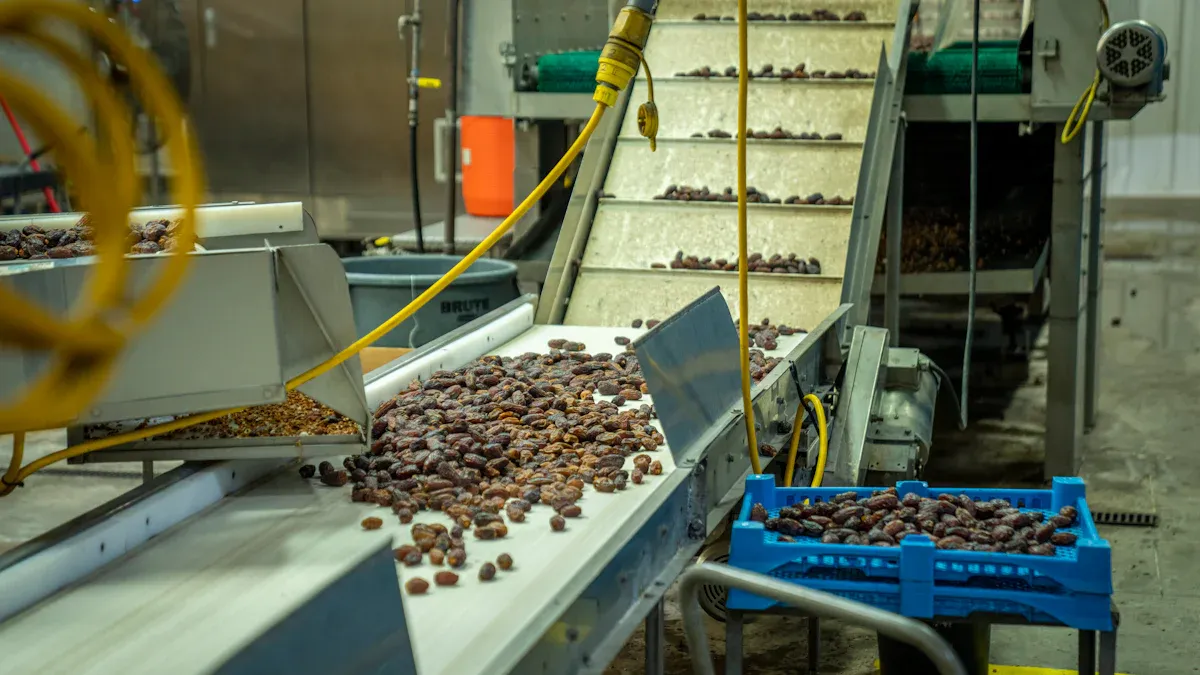
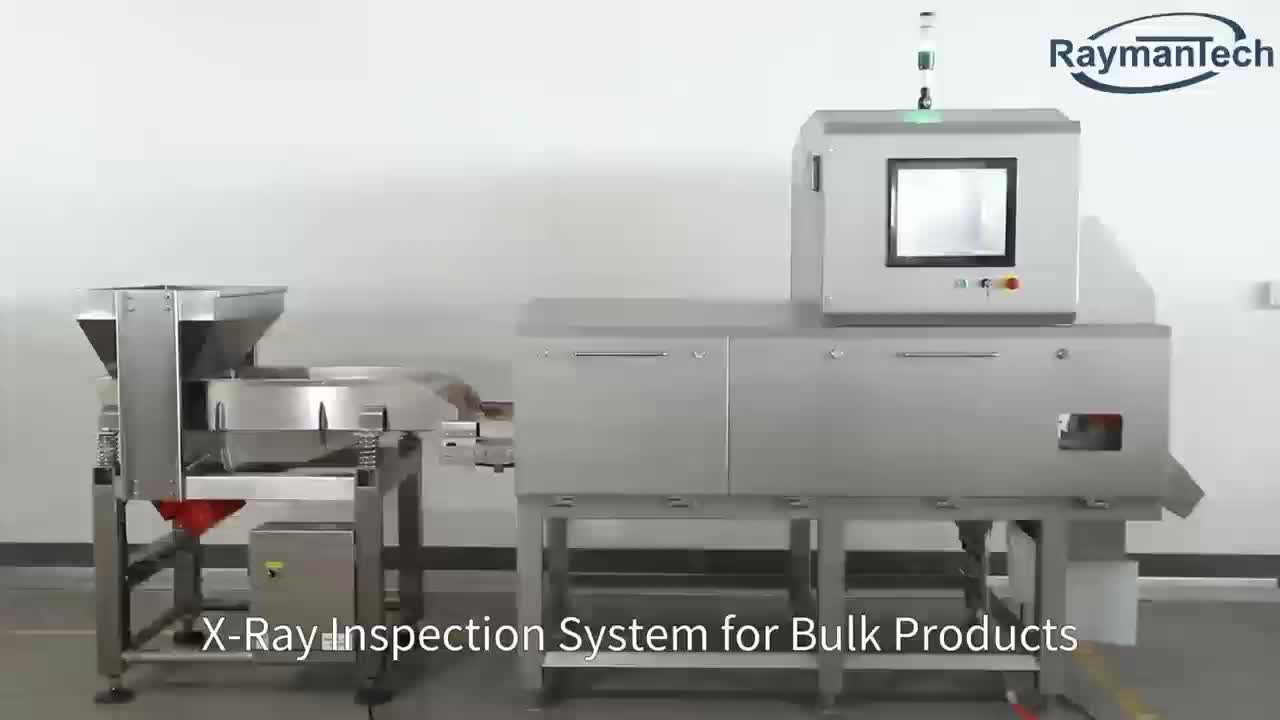
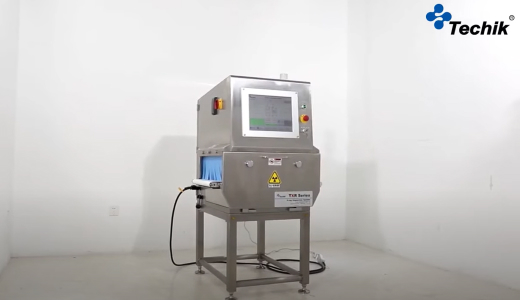
The effectiveness of potato x ray equipment stems from its ability to translate density differences into a clear digital image. This process involves fundamental physics, sophisticated hardware, and intelligent software working together to ensure product safety.
Detection begins with density contrast. X-rays pass through low-density materials more easily than high-density ones. A raw potato has a very low density, approximately 0.59 g/cm³. Foreign objects like metal, glass, or stone are significantly denser. These dense contaminants absorb more X-ray energy. The system detects this difference in absorption, creating a visible contrast between the potato and the foreign material.
An X-ray inspection system creates an image using several key components. The process follows a clear sequence:
An X-ray generator produces a beam of photons.
This beam passes through the potato as it moves along a conveyor.
A detector on the opposite side collects the X-rays that successfully pass through.
The detector plays a crucial role. It captures hundreds of individual projections of the potato. A built-in computer then uses this data to reconstruct a detailed digital image, much like a medical CT scan.
Once the image is created, the system's software analyzes it for anomalies. The computer in the potato x ray equipment uses advanced algorithms to find contaminants automatically.
Tech Spotlight: Anomaly Detection 🤖Modern systems employ powerful algorithms, such as neural network models like U-Net or object recognition paradigms, to scan images. These algorithms are trained to identify the darker spots that represent high-density foreign objects. When the software detects an anomaly, it instantly signals a rejection mechanism to remove the contaminated product from the line.
Potato x-ray equipment is a vital food safety tool. It identifies contaminants by detecting density differences, helping manufacturers meet strict regulatory standards. While the technology has limitations with low-density materials, its effectiveness is clear.
Key Detectables: Metal, glass, mineral stones, and dense plastics.
Core Principle: Detects materials denser than the potato.
Future Outlook: Advancements in AI and dual-energy technology promise even greater precision.
X-ray systems identify dense plastics like Teflon. They cannot detect low-density materials like wood. These items lack the required density for the scanner to register them.
Advanced potato X-ray equipment detects metal fragments as small as 0.5mm. This high sensitivity helps manufacturers meet stringent food safety standards and protect consumers.
Yes, the food is completely safe. The X-ray energy level is very low. It passes through the potato without affecting its nutritional value, texture, or safety.

We provide you with comprehensive foreign trade solutions to help enterprises achieve global development
.png)
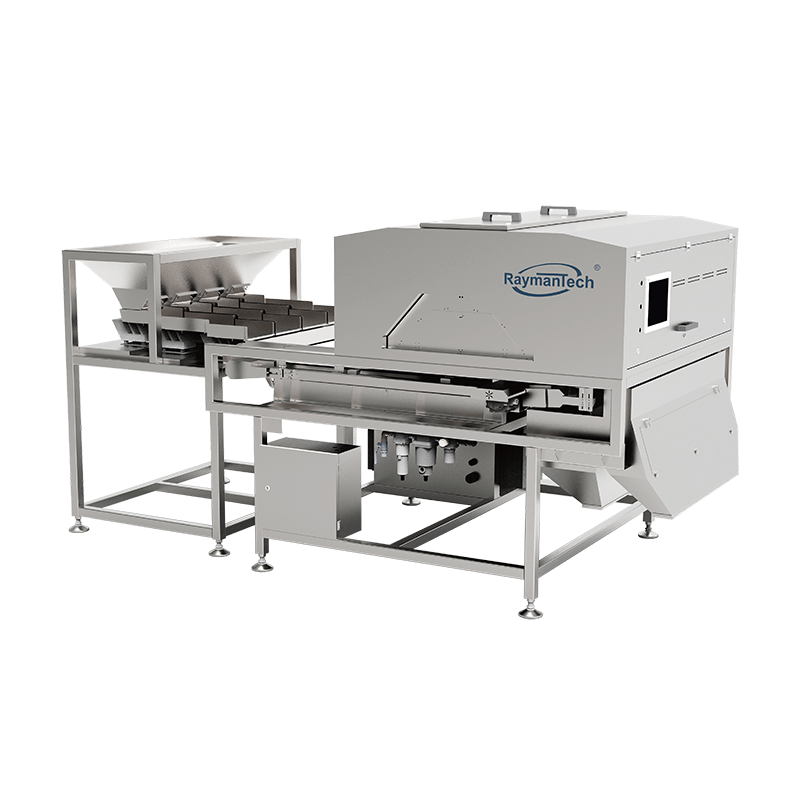
Recommedation: Aquatic products, pet food, candy, ...
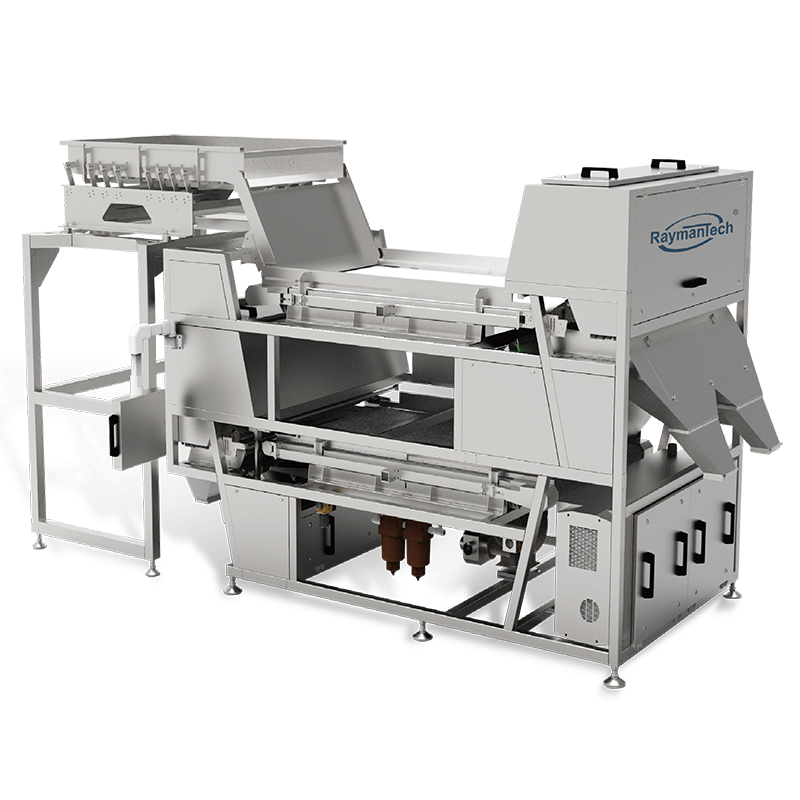
Recommedation: Small particle, flat products such...
Recommedation: Chili, walnut, peanuts, soybeans, c...
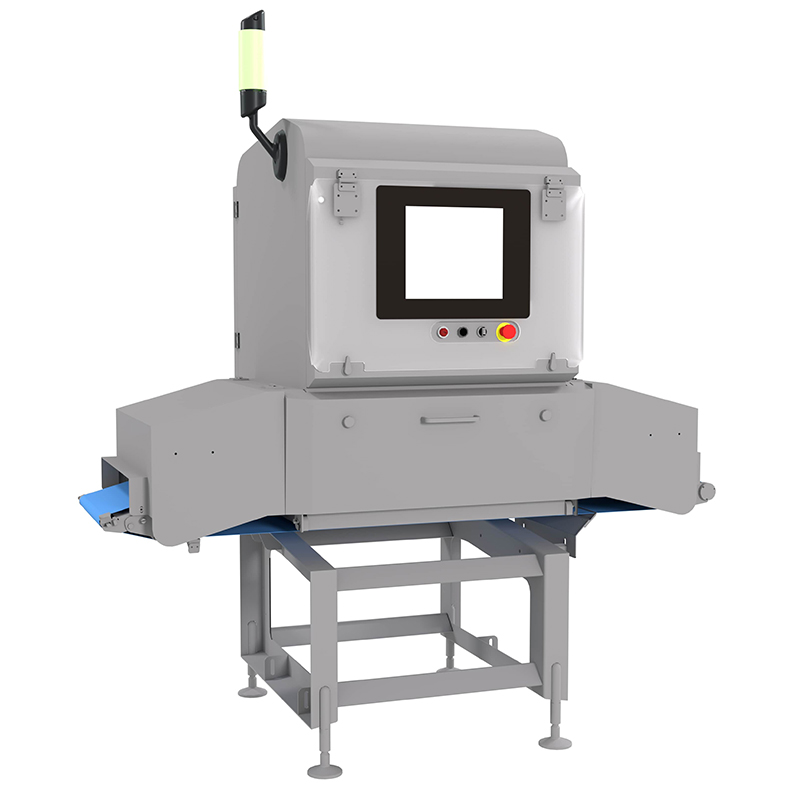
Both fat analysis and contaminant inspection (bone...
Select the most popular foreign trade service products to meet your diverse needs
Select the most popular foreign trade service products to meet your diverse needs







User Comments
Service Experience Sharing from Real Customers
Michael Rodriguez
Quality Control ManagerThis potato X-ray equipment has revolutionized our quality control process. The detection accuracy for internal defects is exceptional, significantly reducing our product waste.
Sarah Chen
Agricultural ResearcherHighly precise imaging capabilities that help us study potato internal structures without damage. The software interface could be more intuitive, but overall performance is excellent for research applications.
David Thompson
Production SupervisorOutstanding equipment that has increased our sorting efficiency by 40%. The automatic defect detection system works flawlessly with our production line. Worth every penny!
Jennifer Williams
Food Safety InspectorReliable and consistent performance in detecting foreign objects and internal defects in potatoes. The calibration remains stable over time, making it perfect for continuous operation in processing plants.