 English EN
 中国 CN
中国 CN
.png)
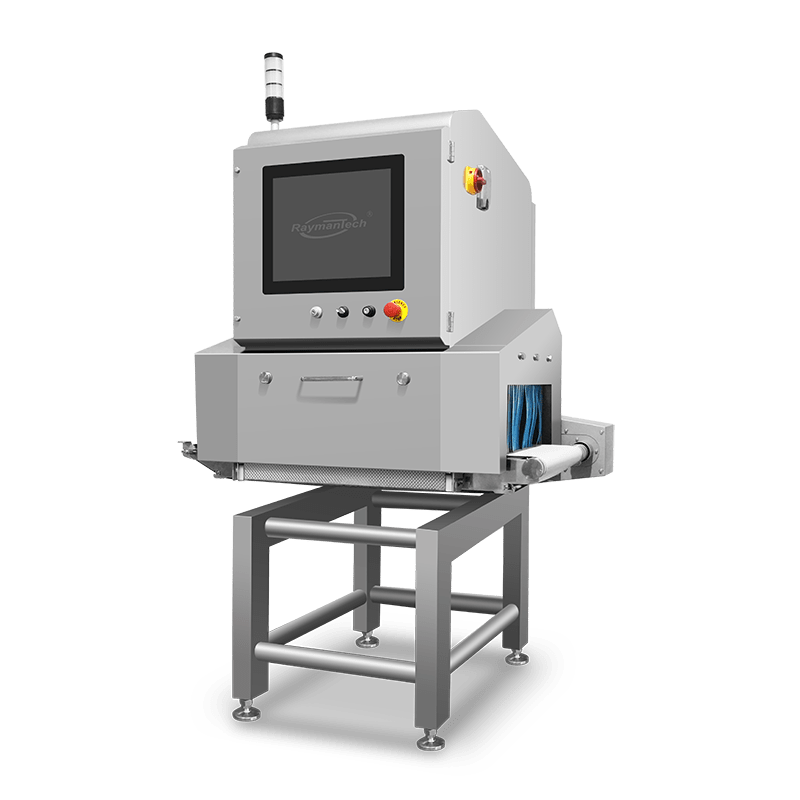
RaymanTech Whole-Chain Solution: A Deep Dive
Food safety and quality control demands have evolv...
More

Producers cultivate sorghum into four primary types: Grain, Forage, Biomass, and Sweet. An effective sorghum sorting solution categorizes each based on its end-use. The market value reflects the importance of these segments.
| End-Use Segment | Market Share | Market Value (approx.) |
|---|---|---|
| Animal Feed | 60% | $3,300 million |
| Human Consumption | 25% | $1,375 million |
| Others (Biofuels, Industrial) | 15% | $825 million |
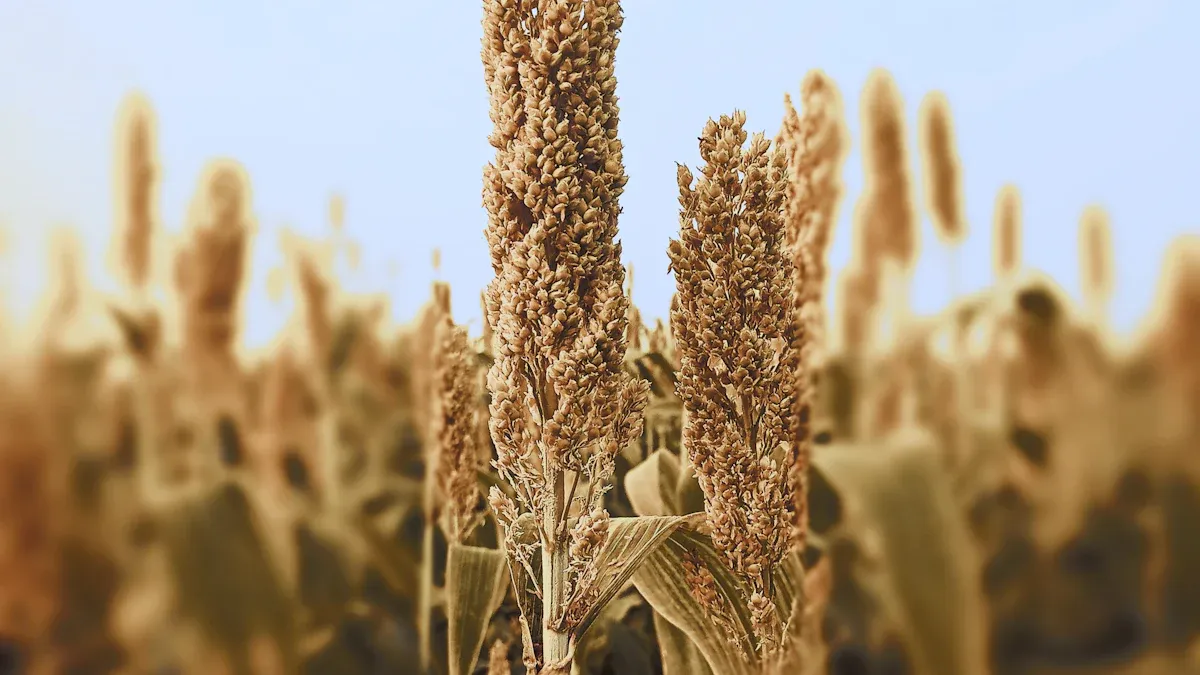
Sorghum's remarkable adaptability allows producers to cultivate it for distinct purposes. Farmers select specific varieties tailored for food, feed, or fuel. This selection process leads to four primary categories, each with unique characteristics and applications.
Grain sorghum, often called milo, is the most common type of sorghum grown in the United States. Producers primarily cultivate it for its starchy seeds. This variety is shorter than other types, which makes harvesting the grain heads more efficient. It is a cornerstone of both the animal feed and human food markets.
This warm-season grass is exceptionally drought and heat-tolerant. It performs best in hot, dry climates with low humidity.
Pro Tip: For dependable emergence, farmers should plant grain sorghum only when soil temperatures consistently reach 60-65°F at the target planting depth. The crop thrives in neutral to basic soils with a pH of 5.7 or higher.
While it can grow in various soil types, it yields best in medium-textured soils. Its tolerance for saline and sodic soils surpasses that of corn. In moisture-stressed environments where corn yields fall below 75 bushels per acre, grain sorghum often produces a competitive or even superior yield. An operation in Kansas, for example, calculated a potential dryland yield of 145 bushels per acre under fair-to-good conditions.
| Yield Range (bu/acre) | Crop Condition |
|---|---|
| <50 | Very poor |
| 50-100 | Poor |
| 100-150 | Fair |
| 150-200 | Good |
| >200 | Excellent |
For human consumption, grain sorghum offers incredible versatility. Its gluten-free nature makes it a popular alternative to wheat. Its use in the food industry includes:
Sorghum Flour: An essential ingredient for gluten-free breads, cookies, and pizza crusts.
Whole & Cracked Sorghum: Used as a base for grain bowls, salads, and porridges.
Popped Sorghum: A small, tender alternative to popcorn.
Sorghum Syrup: A sweet topping similar to molasses.
Processed Snacks: Found in products like chips, puffs, and pasta.
Producers cultivate forage sorghum varieties primarily for animal feed, utilizing the entire plant—leaves, stalk, and grain head. These varieties grow much taller than grain sorghum, often reaching heights of 8 to 15 feet to maximize plant matter for livestock. Farmers typically harvest it as silage, hay, or for direct grazing.
It serves as a high-energy feed source for various livestock, including:
Beef cattle (grazing and backgrounding)
Dairy cattle (lactating cows, growing heifers, and dry cows)
Proper harvesting techniques are critical to preserving its nutritional quality. For silage, operators harvest the crop during the dough stage of grain development. They must manage moisture content carefully, aiming for 70-75% for bunker silos to prevent nutrient loss. Using a processor on the chopper breaks up kernels, which significantly enhances starch digestibility for cattle.
For highly digestible BMR (Brown Midrib) varieties, experts recommend a longer cutting length of 1 to 1¼ inches. This practice keeps particles in the rumen longer, allowing for maximum nutrient extraction by the animal.
When making hay, a conditioner helps crush the thick stems and break down the waxy cuticle, promoting faster and more even drying. For grazing, rotational stocking allows livestock to selectively eat the nutritious leaves. Maintaining a stubble height of at least 6 inches ensures vigorous plant regrowth.
Biomass sorghum is the largest of the sorghum types, selected for maximum vegetative growth. These plants can tower over 20 feet tall and produce a massive amount of dry matter, or biomass. Its primary purpose is the production of bioenergy. The thick, fibrous stalks are an excellent feedstock for generating renewable fuels like ethanol.
The conversion process begins with a pretreatment step to break down the tough plant material. After pretreatment, enzymatic hydrolysis converts the cellulose into fermentable sugars. Microorganisms then ferment these sugars to produce bioenergy.
| Product | Microorganism | Feedstock |
|---|---|---|
| Ethanol | Yeast strain CAT-1 | Juice |
| Ethanol | S. cerevisiae | Juice and sorghum starch |
| Ethanol | Kluyveromyces marxianus | Bagasse |
| Bio-butadiene | Not specified | Sweet sorghum juice |
Using biomass sorghum for fuel offers significant environmental advantages. Cultivating it on marginal lands helps avoid competition with food crops for prime agricultural real estate. Furthermore, biofuel derived from sorghum can substantially reduce carbon emissions compared to petroleum, contributing to a cleaner energy cycle.
Sweet sorghum looks similar to grain sorghum but has a unique quality: its stalks are filled with sugary juice. Producers grow this variety specifically for its sweet juice, which they press from the stalks. This juice is then processed into sorghum syrup, a traditional natural sweetener with a taste profile similar to molasses.
While syrup is its most famous product, the high sugar content in its juice makes sweet sorghum a valuable resource for the bio-industrial market. The fermentable sugars are an ideal feedstock for creating a range of commercial products. Beyond ethanol, the juice can be used to produce:
Hydrogen
Butanol
Lactic acid
Acetone
Lipids for biodiesel production
This dual-use capability for both food and fuel makes sweet sorghum a highly efficient and sustainable crop.

After selecting a sorghum variety for a specific purpose, the next critical phase is sorting. An effective sorghum sorting solution employs a multi-stage process that begins with broad categorization and progresses to detailed quality control. Modern technology has transformed this practice from a labor-intensive task into a highly efficient, automated operation. This ensures that the final product precisely meets the stringent demands of the food, feed, and fuel industries.
The initial sorting step separates sorghum based on its fundamental composition, aligning it with its primary end-use. Key chemical markers like starch, tannin, and hemicellulose content dictate whether a batch is best suited for human food, animal feed, or biofuel production. Processors use advanced sensor-based systems to analyze these properties.
| Application | Tannin Content (g/kg) | Hemicellulose Content (g/kg) | Starch Content (g/kg) |
|---|---|---|---|
| Fuel | ≥ 15 (≥ 1.5%) | ≥ 50 (≥ 5%) | N/A |
| Food | < 15 (< 1.5%) | < 50 (< 5%) | ≥ 650 (≥ 65%) |
| Feed | < 15 (< 1.5%) | < 50 (< 5%) | < 650 (< 65%) |
The integration of automated machinery has revolutionized this primary sorting phase. These technological advancements deliver significant operational and financial benefits.
High-Speed Automation: Optical and sensor-based systems enable rapid and accurate sorting, which minimizes contamination and improves product uniformity.
Enhanced Efficiency: Automated machinery increases throughput, reduces labor costs, and ensures consistent product quality.
Improved Profitability: Mechanized cleaning and sorting boost the value of sorghum grains. This efficiency reduces post-harvest losses and improves a farmer's bargaining power in bulk markets.
Once grain sorghum is designated for food or feed, a more detailed quality sorting process begins. A common misconception is that grain color is a primary factor in grading. However, this is not the case for commercial trading.
The Federal Grain Inspection Service (FGIS) classifies sorghum by pericarp color (e.g., white, yellow, red, bronze) and the presence of tannin. This classification is distinct from official grading standards, which focus on physical quality and condition.
The true focus of quality sorting is the removal of defects and foreign material. Modern optical sorters are central to this task. These machines use high-resolution cameras to capture an image of every kernel. Advanced software then analyzes each grain's color, size, and shape, using air jets to precisely eject any unwanted material from the batch.
This sophisticated sorghum sorting solution targets several specific defects to ensure a high-quality final product:
Broken Kernels and Foreign Material (BNFM): This metric indicates the amount of clean, sound sorghum. High levels can result from improper combine settings or increase during handling.
Foreign Material: A subset of BNFM, this includes weed seeds or other non-sorghum materials that have low feed value and can cause spoilage due to higher moisture content.
Total Damage: This is the percentage of kernels that are visually damaged. It is a broad category that includes mold-damaged, insect-bored, sprout-damaged, and heat-damaged kernels.
Heat Damage: A specific type of damage with its own strict allowances, often caused by improper drying or microbial activity in storage.
For forage sorghum, the most important quality attribute is digestibility. This determines the nutritional value the crop provides to livestock. A key factor influencing digestibility is the plant's maturity at harvest. As the plant matures toward the ripe stage, its fiber content decreases while its total digestible nutrients (TDN) increase, resulting in a higher relative feed value (RFV).
Operators use several methods to measure and sort forage based on its nutritional profile. Traditional laboratory techniques provide precise analysis:
Samples are placed in porous bags and incubated in a cow's rumen for a set period.
The bags are washed, dried, and weighed to determine how much material was digested.
Further assays, such as the Weende or Van Soest methods, analyze specific components like crude protein, fiber, and starch.
While accurate, these methods are slow and destructive. For real-time analysis, the industry relies on a powerful sorghum sorting solution: Near-Infrared (NIR) spectroscopy. This technology offers a rapid, non-destructive, and cost-effective way to analyze nutritional quality. An NIR machine scans a sample with light and measures the reflected spectrum. This data allows for the instant prediction of key traits.
| Trait | Prediction Accuracy (RPRED2) |
|---|---|
| Protein | 0.87 |
| Oil | 0.71 |
| Weight | 0.63 |
By combining NIR spectroscopy with machine learning models, processors can rapidly evaluate and sort forage sorghum. This ensures that livestock receive feed with optimal nutritional content, maximizing animal health and farm productivity.
Producers categorize sorghum into four primary types: Grain, Forage, Biomass, and Sweet. An effective sorghum sorting solution is crucial for refining the crop to meet specific market demands. Global demand for sorghum is rising, underscoring the crop's growing importance in food, feed, and fuel markets.
| Metric | Period | CAGR | Projected Value |
|---|---|---|---|
| Market Volume | 2024-2035 | +1.3% | 70 million tons (by 2035) |
| Market Value | 2024-2035 | +1.7% | $26.1 billion (by 2035) |
Animal feed represents the largest market segment. It accounts for approximately 60% of global use, serving as a primary high-energy source for various livestock.
Sorting separates sorghum for specific end-uses like food, feed, or fuel. This process removes defects, ensuring high product quality and maximizing the crop's market value.

We provide you with comprehensive foreign trade solutions to help enterprises achieve global development
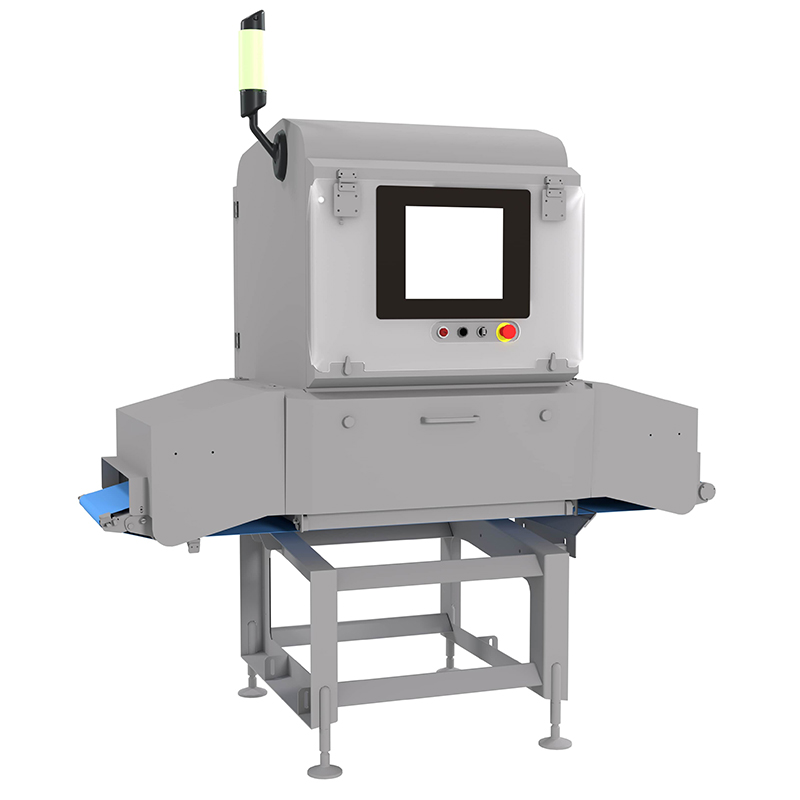
Chicken bone inspection, global poultry AI databas...
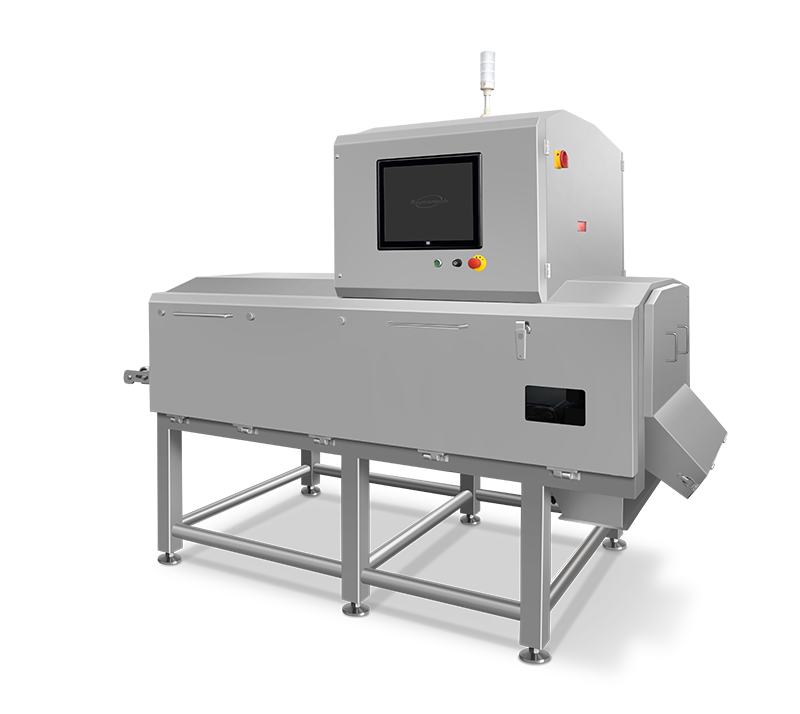
Conventional and unconventional contaminant detect...
.png)
Glass-in-glass / Metal-in-metal inspection, small ...
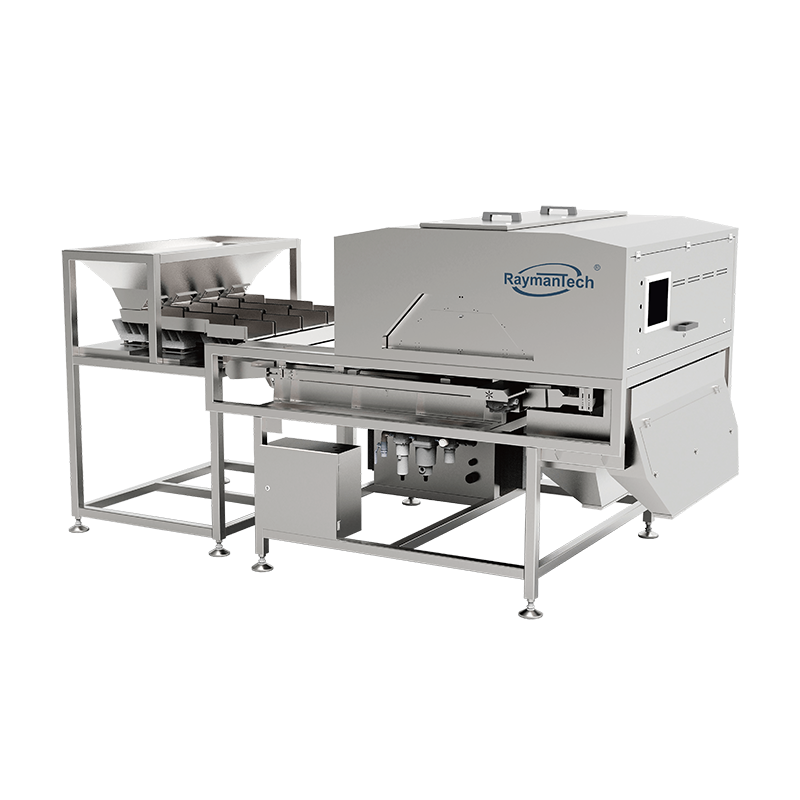
Recommedation: Small particle, flat products such...
Select the most popular foreign trade service products to meet your diverse needs
Select the most popular foreign trade service products to meet your diverse needs








User Comments
Service Experience Sharing from Real Customers
Michael Rodriguez
Quality Control ManagerThis sorghum sorting solution has revolutionized our quality control process. The accuracy and speed are exceptional, significantly reducing waste and improving our final product quality. A game-changer for our operations.
Sarah Chen
Agricultural EngineerImpressive technology that has streamlined our sorghum processing line. The sorting accuracy is remarkable, though we experienced a slight learning curve during implementation. Overall, highly recommended for grain processing facilities.
David Thompson
Production SupervisorOutstanding performance in sorting sorghum grains. The system's ability to detect and remove defective grains has improved our product consistency by over 30%. The ROI was achieved much faster than anticipated.
Jennifer Williams
Operations DirectorThis sorting solution has exceeded all our expectations. The precision in identifying foreign materials and damaged grains has dramatically reduced our manual sorting costs. The customer support team was also incredibly helpful during setup.