 English EN
 中国 CN
中国 CN
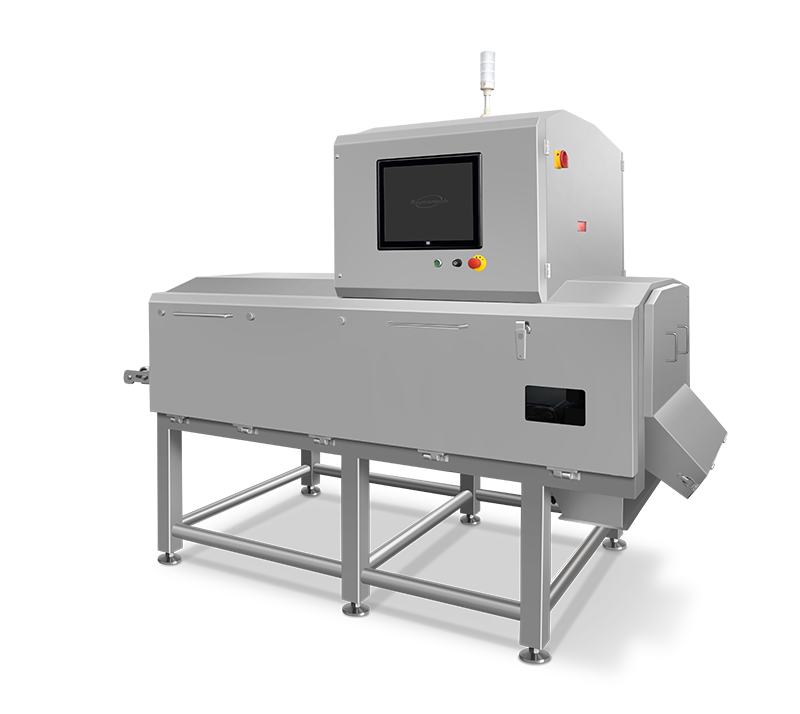
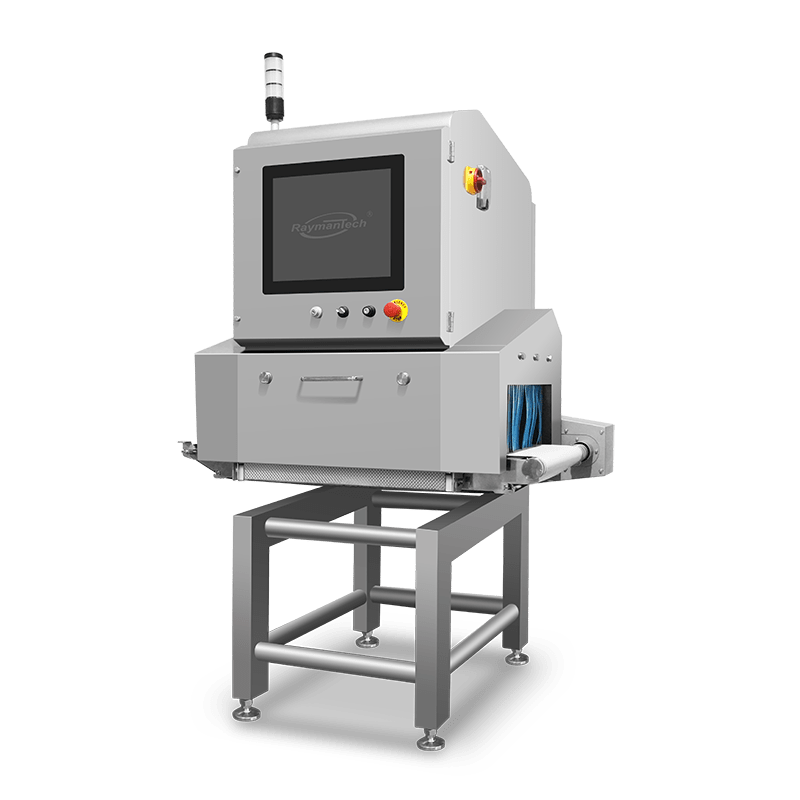
Introduction to RaymanTech Optical Sorters for Farm Products and Food Processors
RaymanTech, as a leading provider of inspection an...
More

The fruit sorting machinery market shows significant growth, with projections indicating a Compound Annual Growth Rate of approximately 5% to 7%. In this expanding field, choosing the right stone fruits optical sorter is crucial.
TOMRA often serves businesses prioritizing advanced defect detection and data analytics. Bühler, however, presents a compelling case for operations focused on high-throughput processing and cost-efficiency.
The best choice ultimately depends on specific operational needs, from fruit type to budget.
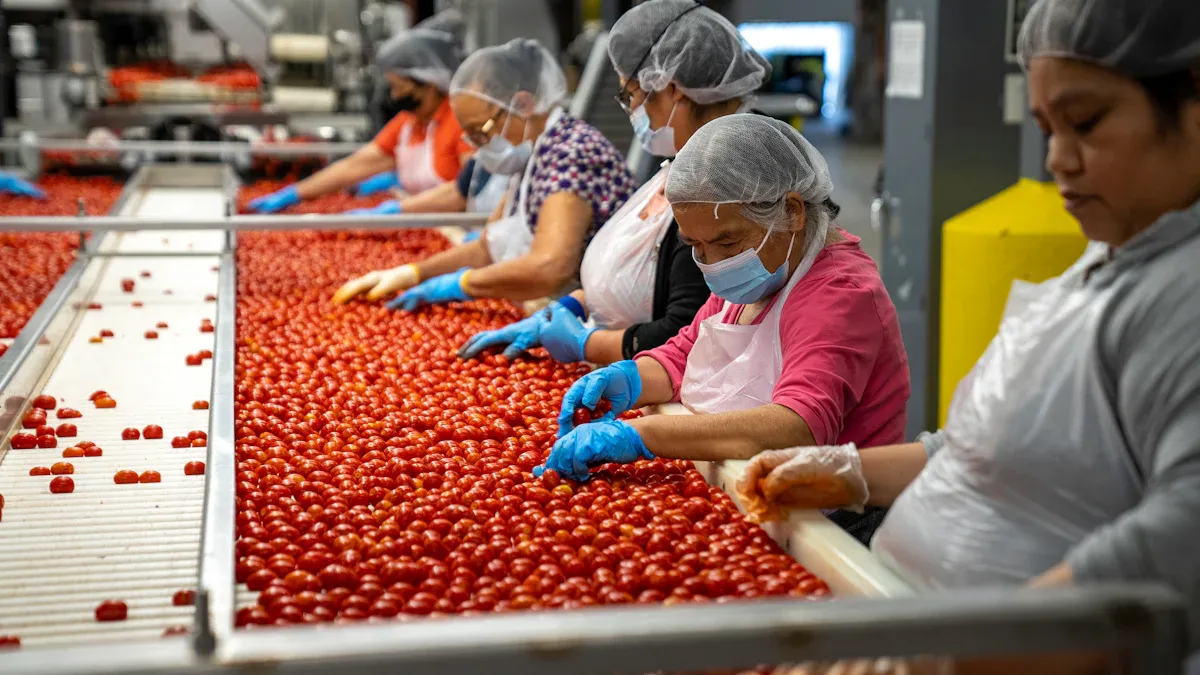
Choosing a sorter requires a deep dive into its core capabilities. Both TOMRA and Bühler are industry leaders, yet they achieve their results through distinct technological approaches. This section breaks down their performance in three critical areas: defect detection, processing speed, and product handling.
The primary function of any stone fruits optical sorter is to identify and remove imperfect products. TOMRA and Bühler approach this task with different, highly effective technologies.
TOMRA systems often integrate advanced spectroscopic sensors. These sensors analyze light across multiple wavelengths, including infrared (IR) and near-infrared (NIR). This technology allows the sorter to "see" beyond the fruit's surface. It can identify issues like internal bruising, water core, and variations in sugar content (Brix). This capability is invaluable for producers of premium stone fruits, where internal quality is just as important as external appearance.
Bühler, on the other hand, specializes in high-resolution camera technology. Its SORTEX range uses a combination of color, monochromatic, and InGaAs cameras. This setup provides exceptional accuracy in detecting surface-level defects. The system excels at identifying:
Color and shape deviations
Skin blemishes and russeting
Cuts, punctures, and rot
Note: The fundamental difference lies in depth. TOMRA's spectroscopy inspects both surface and internal attributes, while Bühler's camera systems provide a world-class analysis of the fruit's exterior.
| Feature | TOMRA (Spectroscopic Focus) | Bühler (Camera Focus) |
|---|---|---|
| Primary Technology | Multi-wavelength spectroscopy (including NIR) | High-resolution RGB, InGaAs, and PROfile™ cameras |
| Best For | Internal defects (bruising, water core), sugar content | Surface defects (color, blemishes, cuts, shape) |
| Key Advantage | Detects quality issues invisible to the human eye. | Extremely high accuracy for external grading and sorting. |
Processing capacity is a crucial metric for any packing house. Both companies engineer their machines for high-volume environments.
Bühler has built a strong reputation for maximizing throughput. Its machines are designed to handle immense volumes of fruit, often processing many tons per hour with consistent accuracy for surface defects. This makes a Bühler stone fruits optical sorter an excellent choice for large-scale operations that need to move product quickly.
TOMRA also offers impressive throughput rates. Its sorters, like the Spectrim and InVision2 models, are engineered for speed. However, the deep-level analysis performed by its spectroscopic sensors can sometimes mean a trade-off between maximum speed and detection depth. The machine balances high volume with unparalleled sorting detail, ensuring premium quality standards are met without creating a significant bottleneck.
Stone fruits like peaches, plums, and apricots are easily bruised. Gentle handling is not a luxury; it is essential for maintaining product value and shelf life.
Both manufacturers prioritize gentle product transport.
TOMRA designs its systems with minimal drop heights and smooth transitions between belts. The company often uses specialized materials and uniquely shaped conveyors to cushion the fruit as it moves through the inspection and ejection process.
Bühler focuses on optimized product trajectories. Its sorters feature carefully engineered infeed and outfeed chutes that ensure a controlled, gentle flow. The ejection system is precise, removing defective fruit with minimal disturbance to the surrounding good product.
Ultimately, both companies deliver exceptional performance in protecting the fruit. A modern stone fruits optical sorter from either brand represents a significant upgrade over older, more aggressive sorting methods.
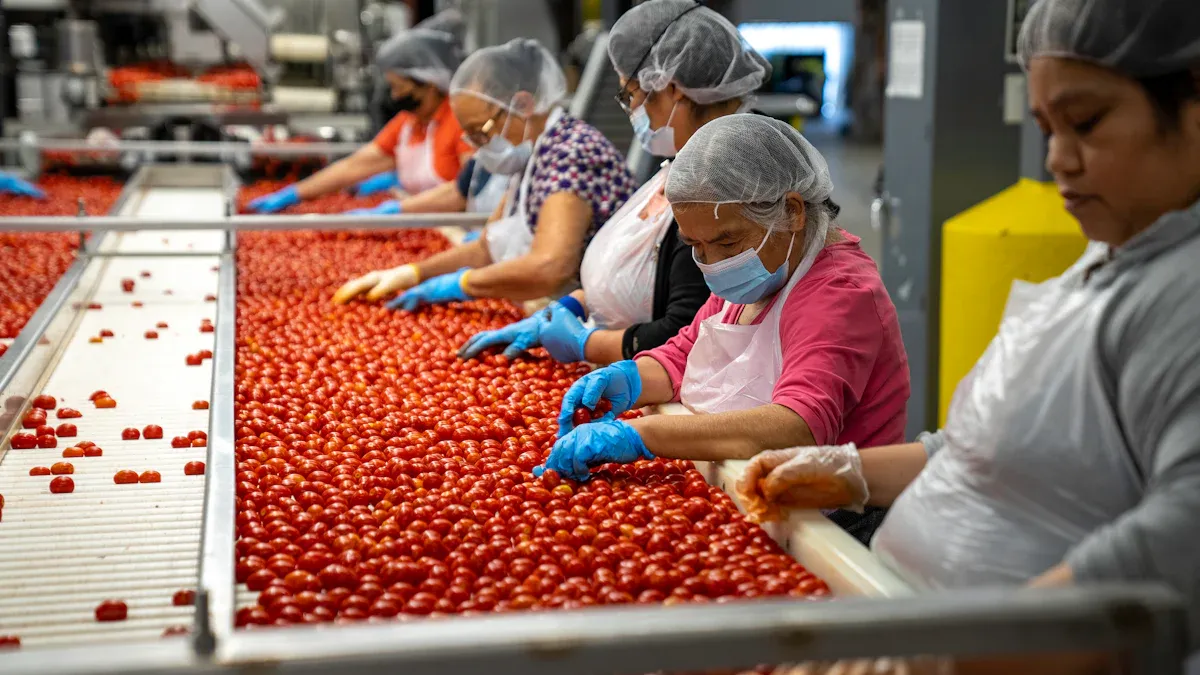
Beyond sorting performance, a machine's operational impact determines its true value. A sorter must integrate smoothly into your daily workflow, justify its cost, and receive reliable support. This breakdown examines the practical, long-term considerations of investing in a TOMRA or Bühler system.
The financial commitment is a primary factor in any equipment purchase. TOMRA and Bühler occupy different positions in the market, which influences both their initial price and long-term return on investment (ROI).
TOMRA systems typically represent a higher initial investment. This cost reflects their advanced spectroscopic technology and powerful data analytics capabilities. The ROI for a TOMRA machine materializes in several key ways:
Premium Market Access: Its ability to detect internal defects and sort by Brix level allows producers to command higher prices for guaranteed premium quality.
Brand Protection: It consistently removes subpar fruit, protecting a brand's reputation for excellence.
Reduced Food Waste: By accurately identifying quality tiers, it enables businesses to divert lower-grade fruit to other uses (e.g., juice or puree) instead of discarding it.
Bühler generally offers a more accessible price point, making it an attractive option for businesses focused on operational efficiency and volume. The ROI from a Bühler stone fruits optical sorter is direct and powerful.
The machine's high throughput directly increases processing capacity. This allows packing houses to handle more volume in less time, boosting overall revenue. Its reliable removal of surface defects also reduces manual labor costs significantly.
The choice depends on your business model. TOMRA justifies its cost through premium quality assurance, while Bühler delivers returns through high-volume efficiency and labor savings.
A powerful sorter is only effective if operators can use it confidently. Both companies have invested heavily in creating user-friendly software, but their philosophies differ.
TOMRA's software is often celebrated for its depth and data-rich interface. Operators can access detailed analytics and fine-tune sorting parameters with incredible precision.
Key Feature: The interface provides visual feedback on defect types and sorting statistics.
Best For: Tech-savvy teams and quality assurance managers who want to leverage data for continuous process improvement.
Learning Curve: The extensive features may require more initial training to master fully.
Bühler's SORTEX software prioritizes simplicity and operational speed. The interface is intuitive, allowing operators to set up and run sorting programs quickly.
Tip: Bühler's software often includes pre-set modes for different fruit types and common defects. This feature enables rapid changeovers with minimal downtime. Operators can achieve consistent results without needing deep technical expertise.
| Aspect | TOMRA | Bühler |
|---|---|---|
| Primary Focus | Data analytics and granular control | Operational simplicity and speed |
| User Experience | Powerful, detailed, data-driven | Intuitive, fast, easy to learn |
| Ideal Operator | Quality manager, data analyst | Line operator, shift supervisor |
Uptime is critical in the fast-paced stone fruit season. Reliable machinery and responsive support are non-negotiable.
Both TOMRA and Bühler design their machines for durability and ease of maintenance. Daily cleaning procedures are straightforward, with accessible components that operators can clean quickly.
TOMRA offers a global service network with highly trained technicians. The company provides comprehensive service packages, including preventative maintenance, remote diagnostics, and on-site support. Its systems' advanced diagnostics can often predict potential issues before they cause downtime.
Bühler also boasts an extensive global presence and a strong reputation for customer support. The company offers 24/7 support lines and a large inventory of spare parts. Bühler's Anyware services provide remote assistance, allowing technicians to troubleshoot and adjust machine settings from anywhere in the world, minimizing delays.
Ultimately, both companies provide world-class support. A key differentiator may be the proximity of their service hubs to your specific location. Prospective buyers should always inquire about local technician availability and parts depots.
The final decision between a TOMRA and a Bühler stone fruits optical sorter hinges on your primary business objectives. Both are excellent machines, but they serve different strategic goals.
A business chooses TOMRA when its brand reputation is built on delivering guaranteed, premium-quality fruit. The investment is justified by accessing higher-paying markets and ensuring customer loyalty. This strategy mirrors how companies like Koushuiwa Food Co., Ltd. used TOMRA's NIR technology to elevate product purity and build a premium brand.
Choose TOMRA if your operation prioritizes:
Premium Market Access: Sorting by internal quality attributes like Brix allows you to command top dollar.
Brand Protection: Removing every subpar fruit protects your reputation for excellence.
Data-Driven Improvements: Leveraging detailed analytics to refine sorting and packing processes continuously.
TOMRA is the choice for producers who sell a promise of perfection with every piece of fruit.
A business selects Bühler when the primary goals are maximizing throughput and achieving operational cost-efficiency. These sorters are workhorses, designed to process large volumes quickly and reliably, making them ideal for large-scale packing houses or processors. Bühler machines like the SORTEX E1D demonstrate this capability, sorting high volumes of frozen fruit at rates up to 7 tons per hour.
Choose Bühler if your operation focuses on:
High-Volume Processing: Moving the maximum amount of fruit to meet large contracts for retail or processing.
Labor Reduction: Automating the removal of surface defects to significantly lower manual sorting costs.
Fast ROI: Making a cost-effective investment that pays for itself through increased capacity and efficiency.
Bühler excels in environments where speed, reliability, and value are the most critical metrics for success.
The best choice is not universal. TOMRA leads in advanced detection for premium sorting, while Bühler excels in high-throughput efficiency. Optical sorters generally enhance yield efficiency by approximately 45%, reducing product losses.
Businesses should assess their operational needs, from fruit type to budget. Requesting a product demonstration tailored to specific stone fruit ensures the most informed investment.
TOMRA's spectroscopic sensors excel at identifying internal issues like bruising and sugar content. Bühler's high-resolution cameras provide world-class detection of external defects like skin blemishes and cuts.
Bühler's software prioritizes simplicity, requiring less operator training for daily use. TOMRA's powerful interface may need more instruction to master its advanced data and control features.
Yes, both companies design their machines with flexibility. Operators can load pre-set sorting programs for different fruits like peaches, plums, or cherries, ensuring quick and easy production changeovers.

We provide you with comprehensive foreign trade solutions to help enterprises achieve global development
.png)
Glass-in-glass / Metal-in-metal inspection, small ...
.png)
Recommedation: Aquatic products, pet food, candy, ...
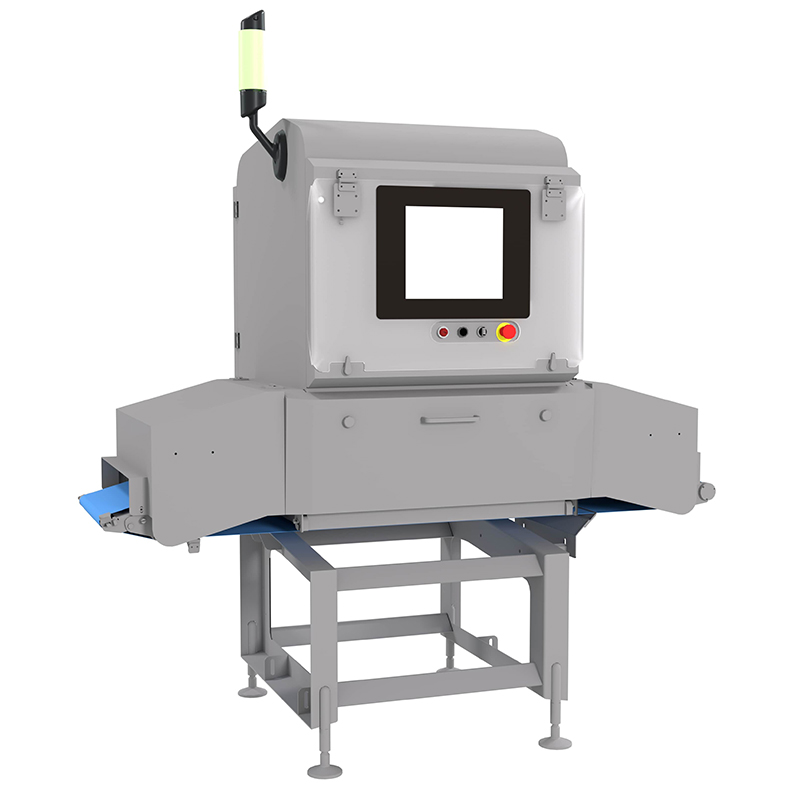
Both fat analysis and contaminant inspection (bone...
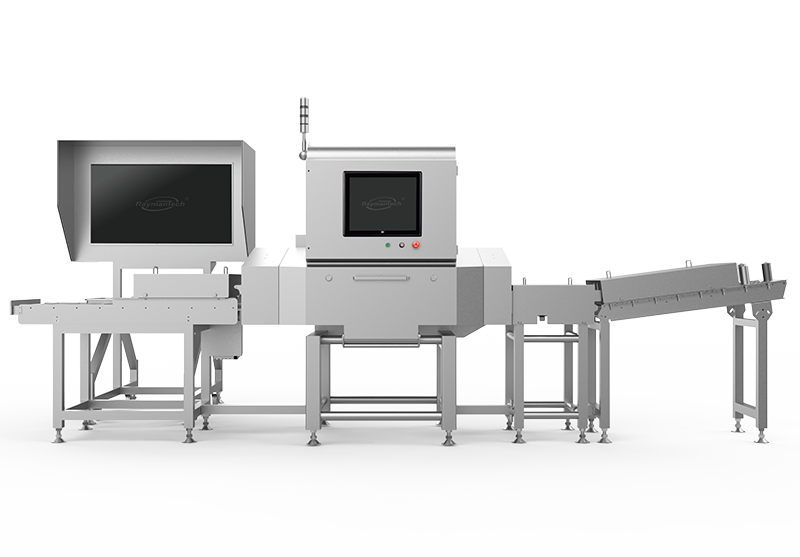
Automatic recognition and rejection, fish bone ins...
Select the most popular foreign trade service products to meet your diverse needs
Select the most popular foreign trade service products to meet your diverse needs








User Comments
Service Experience Sharing from Real Customers
Michael Rodriguez
Production ManagerThis optical sorter has revolutionized our stone fruit processing line. The accuracy in detecting defects and sorting by color/size is remarkable. Our productivity increased by 40% while reducing manual labor costs.
Sarah Chen
Quality Control SupervisorOutstanding performance in sorting peaches and plums! The AI technology consistently identifies subtle defects we used to miss. The user interface is intuitive and the maintenance requirements are minimal.
James Wilson
Operations DirectorExcellent stone fruit sorter that has significantly improved our grading efficiency. The cherry sorting capability is particularly impressive. Minor software glitches initially, but excellent customer support resolved them quickly.
Emily Thompson
Farm OwnerGame-changing equipment for our apricot and nectarine operation! The color sorting precision ensures consistent quality for our premium products. ROI was achieved much faster than anticipated. Highly recommended!