 English EN
 中国 CN
中国 CN
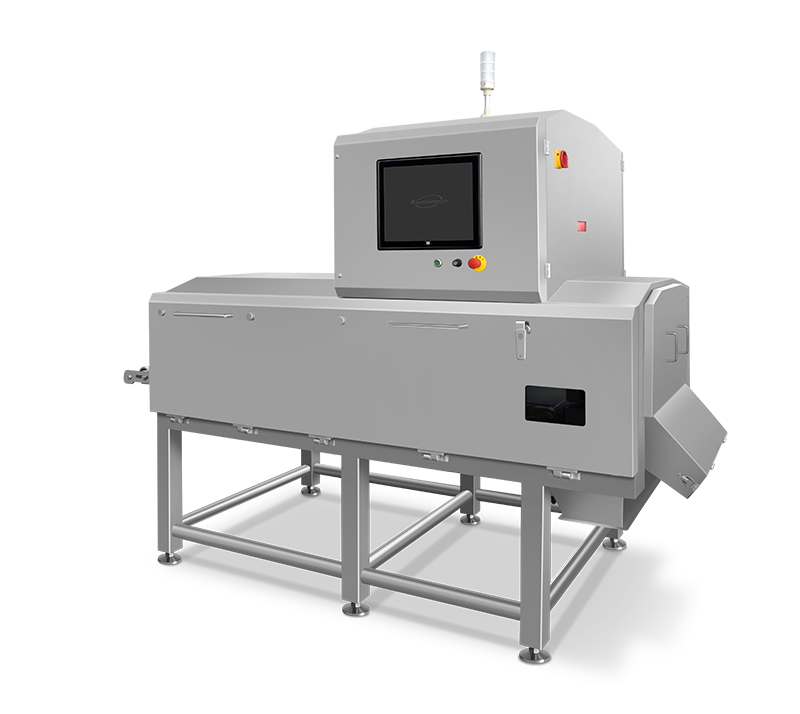

Revolutionizing Quality Control with Advanced Hazelnuts Sorting Machines
Advanced nut sorting machine technology combines H...
More

The global walnut market’s projected growth to USD 12.42 billion by 2032 intensifies the need for efficient processing. Optical sorters deliver superior purity for high-volume demands. In contrast, mechanical sorters provide a cost-effective option for basic grading.
The ideal walnuts sorting machine ultimately hinges on an operation's specific budget, throughput requirements, and final product quality standards.
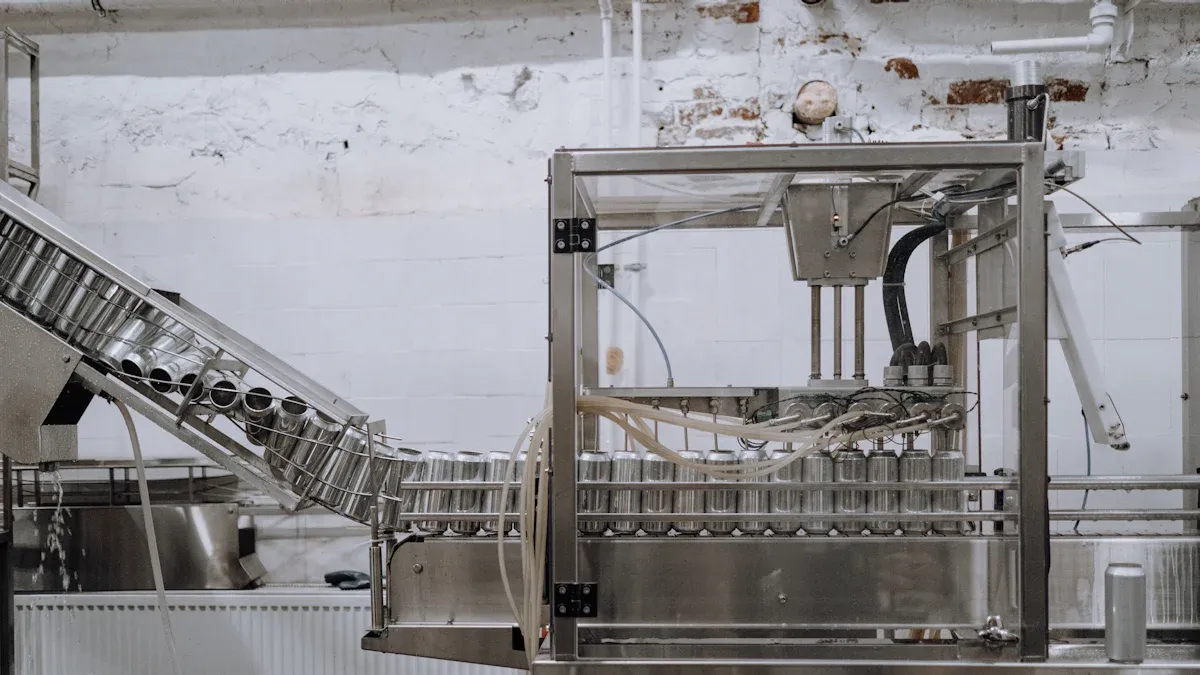
Understanding the fundamental technology behind each type of walnuts sorting machine is crucial for making an informed decision. The methods differ significantly, directly impacting accuracy, speed, and the types of defects each can remove.
Mechanical sorters operate on straightforward physical principles. They separate walnuts based on tangible attributes like size, weight, or shape. The process typically involves a series of vibrating screens, rotating drums with specific-sized holes, or conveyor belts.
As walnuts travel through the machine, smaller or lighter pieces fall through designated openings, while larger or heavier ones continue along the path. This method effectively grades walnuts by size but cannot detect issues like mold, insect damage, or discoloration.
Optical sorters represent a major technological leap. They use advanced imaging systems to analyze each walnut individually at high speeds. The machine first illuminates the walnuts and then captures images using a combination of specialized cameras. These often include:
RGB (Full-Color) Cameras: Detect defects based on color variations, such as dark spots or discoloration.
NIR (Near-Infrared) and InGaAs Cameras: Identify foreign materials like shells, hulls, or even same-color contaminants by analyzing their unique material composition.
Sophisticated software, often powered by artificial intelligence, then analyzes these images in milliseconds. Deep learning algorithms, such as U-net, enable the system to perform non-destructive analysis and identify defects with a resolution as fine as 0.1 mm. When the system identifies a defective walnut or foreign object, it signals a precise air jet to eject the unwanted item from the main product stream, ensuring a high-purity final product.
When evaluating a walnuts sorting machine, processors must analyze its performance across several critical metrics. These factors directly influence product quality, operational efficiency, and profitability. The differences between mechanical and optical technologies become most apparent in a direct comparison of accuracy, speed, and product handling.
Accuracy defines a sorter's ability to correctly identify and separate unwanted items from the main product stream. This is the most significant point of divergence between the two technologies.
Mechanical sorters provide basic grading accuracy. They reliably separate walnuts by physical dimensions like size and weight. However, their capability ends there. They cannot identify or remove defects that do not affect a walnut's size, such as discoloration, mold, insect damage, or foreign materials like shell fragments and stones. This limitation restricts their use to preliminary sizing rather than quality purification.
Optical sorters, in contrast, deliver exceptional accuracy in defect removal. By analyzing each walnut with high-resolution cameras, they identify a vast spectrum of imperfections with precision. These systems detect subtle color differences indicating rot, spot dark blemishes from pests, and distinguish between valuable kernel and low-value shell. This advanced capability ensures a final product with superior purity and safety, meeting the strict standards of today's market.
Throughput measures the volume of product a machine can process in a given time, typically measured in tons per hour (T/H).
Mechanical sorters generally operate at lower speeds suitable for smaller operations. Their throughput varies depending on the specific model and mechanism.
Smaller vibrating sieves can process between 0.2 and 0.5 tons per hour (200-500 kg/h).
Larger, more general-purpose mechanical sorters may reach capacities of up to 1.0 ton per hour.
Optical sorters are engineered for high-volume industrial processing. Modern systems achieve significantly higher throughput without sacrificing accuracy. For example, WECO WalnutTek sorters offer capacities ranging from 5 to 30 tons per hour. This scalability allows processors to handle massive volumes efficiently. Different models provide a range of throughput options to match specific operational needs.
| Optical Sorter Model | Throughput (T/H) |
|---|---|
| ZF300 | 1.0-3.0 |
| ZF500 | 2.0-5.0 |
| ZF700 | 3.0-8.0 |
Preserving the integrity of the walnut kernel is essential for maximizing its market value. The way a sorter handles the product can either protect or diminish this value.
Mechanical sorters rely on physical contact and movement. Walnuts tumble through rotating drums or shake across vibrating screens. This constant agitation increases the risk of cracking, chipping, and bruising the delicate kernels. A higher damage rate leads to a lower yield of premium-grade whole walnuts and reduces overall profitability.
Optical sorters offer a much gentler handling process. Walnuts typically travel on a smooth, fast-moving conveyor belt for inspection. When the system detects a defect, it uses a precise puff of air to eject the unwanted item. This non-contact removal method minimizes physical impact on the product. The benefits include:
Reduced risk of cracks and breakage.
Preservation of the kernel’s natural shape and appearance.
Maximized yield of high-value, intact walnuts.
This gentle handling is a key factor that contributes to a higher return on investment for optical sorting technology.
Evaluating the financial implications of a walnuts sorting machine is a critical step for any processor. The decision extends beyond the initial price tag, encompassing ongoing operational costs and the ultimate return on investment. A thorough financial analysis reveals the long-term value proposition of each technology.
The upfront cost represents the most immediate financial difference between mechanical and optical sorters. Processors must weigh this initial expense against their budget and long-term goals.
Mechanical sorters offer a low barrier to entry. Their simpler design and construction result in a significantly lower purchase price, making them an accessible option for smaller operations or those with limited capital.
Optical sorters require a substantial initial investment. The advanced technology, including high-resolution cameras, sophisticated software, and powerful processing units, places their cost significantly higher than mechanical alternatives.
However, processors can explore various funding opportunities to offset this cost. Several government programs aim to strengthen local food systems by helping businesses acquire necessary equipment. For example, the USDA's Farmers Market Promotion Program (FMPP) and Local Food Promotion Program (LFPP) now consider sorting equipment eligible for grants. These programs require the equipment to benefit more than one producer and be essential for the project's activities. Similarly, state-level initiatives like New York's Farm and Food Growth Fund (FFGF) offer 'Equipment-Only Grants' from $30,000 to $100,000 for post-harvest equipment, explicitly listing sorting machines as eligible.
Ongoing costs are a crucial factor in the total cost of ownership. The complexity of the machine directly influences its maintenance requirements and operational expenses.
Mechanical sorters are relatively simple to operate and maintain. Their needs typically include:
Regular lubrication of moving parts.
Periodic cleaning to prevent blockages.
Occasional replacement of worn screens or belts. These tasks require minimal specialized training, keeping maintenance costs low.
Optical sorters, due to their technological sophistication, demand more specialized attention. Annual maintenance costs for these systems typically range from 8% to 12% of the initial purchase price. This budget covers essential services like technical support, software updates, and regular calibration by trained technicians. Operator training is also vital to ensure the machine's AI components and multiple sensors perform at peak efficiency. While more expensive, this structured maintenance is key to protecting the investment and ensuring consistent, high-quality output.
Return on investment measures how effectively an asset generates value relative to its cost. While optical sorters have higher costs, they deliver a faster and more substantial ROI through enhanced efficiency, improved product quality, and reduced labor.
The most significant financial gain comes from labor reduction. Manual sorting is labor-intensive, whereas an optical sorter automates the process with incredible speed and accuracy. This drastically cuts down on the number of employees needed on the sorting line.
| Sorting Method | People Required | Processing Speed (tons/hour) |
|---|---|---|
| Optical Sorting | 3 | 4-6 |
| Traditional Hand Sorting | 12 | 1-1.5 |
Furthermore, optical sorters increase revenue by maximizing the yield of premium walnuts. Their gentle handling minimizes breakage, and their precision ensures that good kernels are not accidentally discarded. This higher yield of saleable, high-grade product directly translates to increased profits. Finally, the ability to guarantee a product free of defects and foreign material opens access to premium markets and buyers with strict quality standards, commanding higher prices and strengthening a processor's competitive position.
Selecting the right sorting technology requires a clear assessment of your operation's scale, budget, and quality objectives. The ideal machine for a small farm differs greatly from the needs of a large-scale international exporter.
A mechanical sorter is the practical choice for processors with specific, limited needs. It suits small-scale farms, startups, or operations with tight capital constraints. Its primary function is basic size grading, separating walnuts into different dimensional categories. This can be a valuable first step in the processing line.
A mechanical sorter provides a cost-effective entry point for basic sorting. It is ideal for businesses that prioritize initial size grading over advanced defect removal and do not need to meet stringent purity standards.
However, its inability to detect color, shell, or quality defects makes it unsuitable for producing a premium, market-ready product on its own.
Processors aiming for premium markets, high throughput, and export compliance should invest in an optical walnuts sorting machine. This technology is essential for any business that must guarantee product safety and quality to meet strict buyer requirements. For example, exporting to the European Union requires adherence to multiple food safety laws.
Optical sorters directly support compliance with regulations like (EC) No 178/2002 by removing foreign material.
They help meet Maximum Residue Limits (MRLs) by identifying and ejecting contaminants.
Crucially, they can detect and remove aflatoxin-contaminated kernels, which are invisible to the naked eye.
Advanced optical sorters also generate automated, time-stamped reports. These records provide critical evidence for third-party certifications like BRCGS, IFS, or ISO 22000, simplifying compliance audits and securing access to top-tier markets.
Optical sorters are the modern industry standard. They deliver a clear return on investment through superior accuracy, higher yield, and reduced labor costs. While mechanical sorters serve basic grading, investing in optical technology with AI and advanced sensors is key to meeting strict quality demands.
The future of profitable, high-quality walnut processing lies with these advanced sorting solutions.
Yes. Advanced optical sorters use specialized cameras. These systems identify and eject aflatoxin-contaminated kernels, which are invisible to the human eye, ensuring a safer final product.
Yes. Processors often use a mechanical sorter for initial size grading. An optical sorter then performs detailed defect removal, creating a highly efficient, multi-stage sorting line.
AI-powered software analyzes images with superior precision. It learns to identify new defects over time. This capability continuously improves sorting accuracy and maximizes the yield of high-quality walnuts.

We provide you with comprehensive foreign trade solutions to help enterprises achieve global development
.png)
Recommedation: Aquatic products, pet food, candy, ...
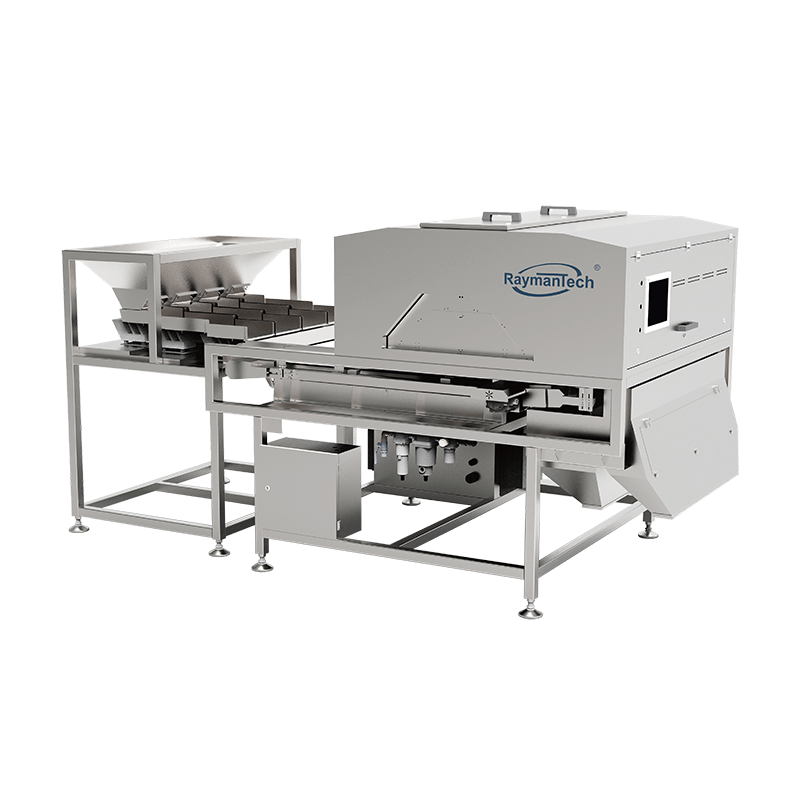
Recommedation: Small particle, flat products such...
High cost performance, compact design, high sensit...
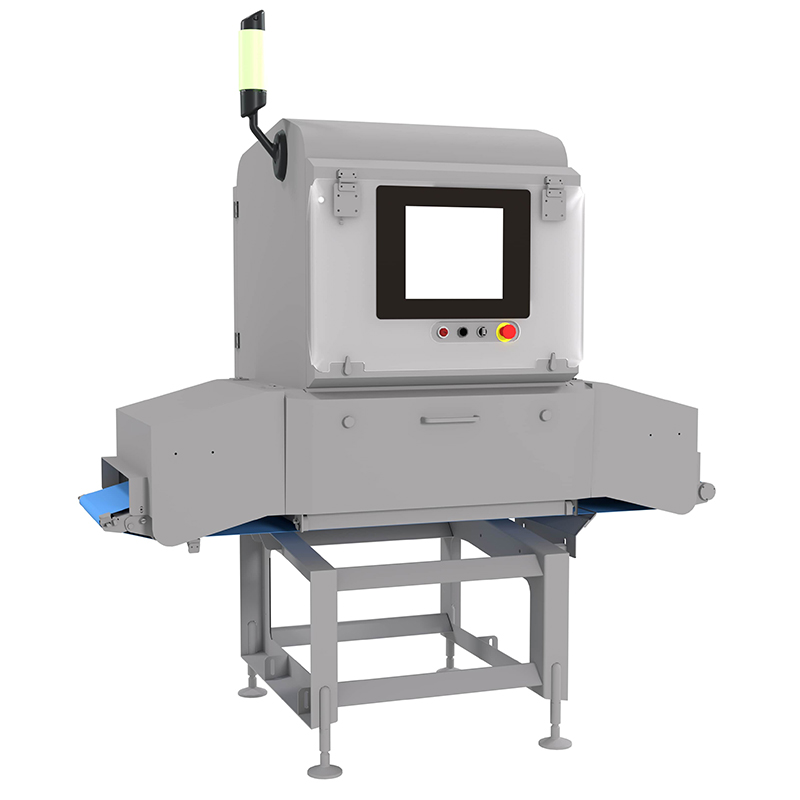
Chicken bone inspection, global poultry AI databas...
Select the most popular foreign trade service products to meet your diverse needs
Select the most popular foreign trade service products to meet your diverse needs








User Comments
Service Experience Sharing from Real Customers
Michael Thompson
Quality Control ManagerThis walnut sorting machine has revolutionized our production line! The accuracy in detecting defective nuts is remarkable, and it processes 2 tons per hour with minimal supervision. Reduced our labor costs by 40% while improving output quality.
Sarah Chen
Farm Operations DirectorAs a large walnut grower, we've been searching for reliable sorting technology. This machine delivers excellent color sorting and size grading consistency. The user interface is intuitive, though the initial setup required technical support. Overall, a great investment for our business.
David Rodriguez
Production SupervisorOutstanding performance! The optical sorting technology distinguishes between good and bad walnuts with 99% accuracy. Maintenance is straightforward, and the manufacturer provides excellent technical support. Our customer satisfaction has improved significantly since installation.
Jennifer Williams
Plant ManagerThis sorting machine exceeded our expectations. The dual-laser detection system eliminates foreign materials effectively, and the automatic calibration feature saves us hours daily. It's robust, reliable, and has increased our sorting efficiency by 60%. Highly recommended for any nut processing facility!