 English EN
 中国 CN
中国 CN
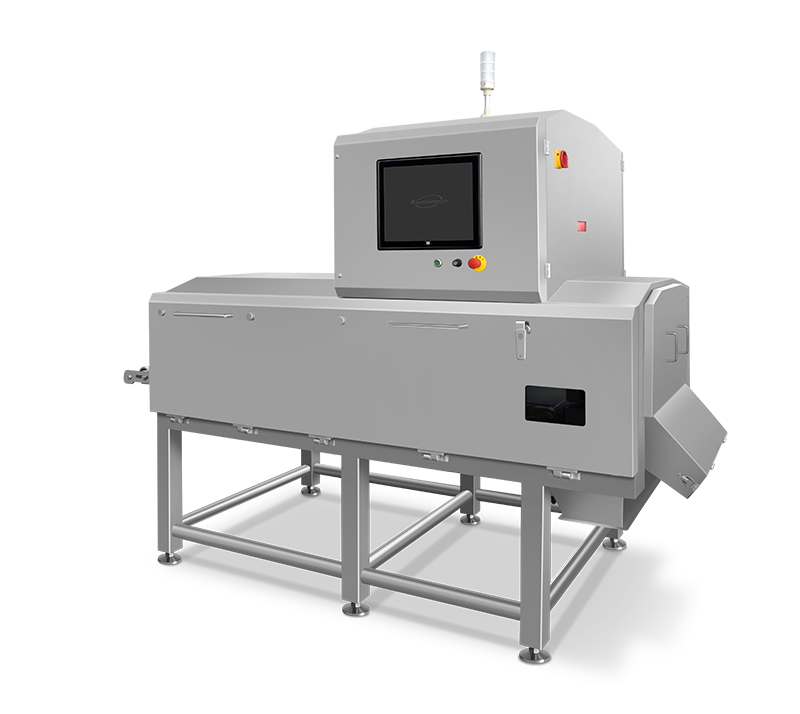
.png)

Overcoming Challenges in Large Package: Rayman Tech's AI X-ray Solutions for Meat Processing
Our AI X-ray Inspection System, tailored for high ...
More

Foreign object contamination drives 11.4% of U.S. food recalls, posing serious risks. These incidents can cost companies 10–20% of their annual revenue. The food industry trusts an x ray machine in food industry for its unparalleled detection capabilities. This technology performs critical quality checks, protecting consumers and brand integrity.
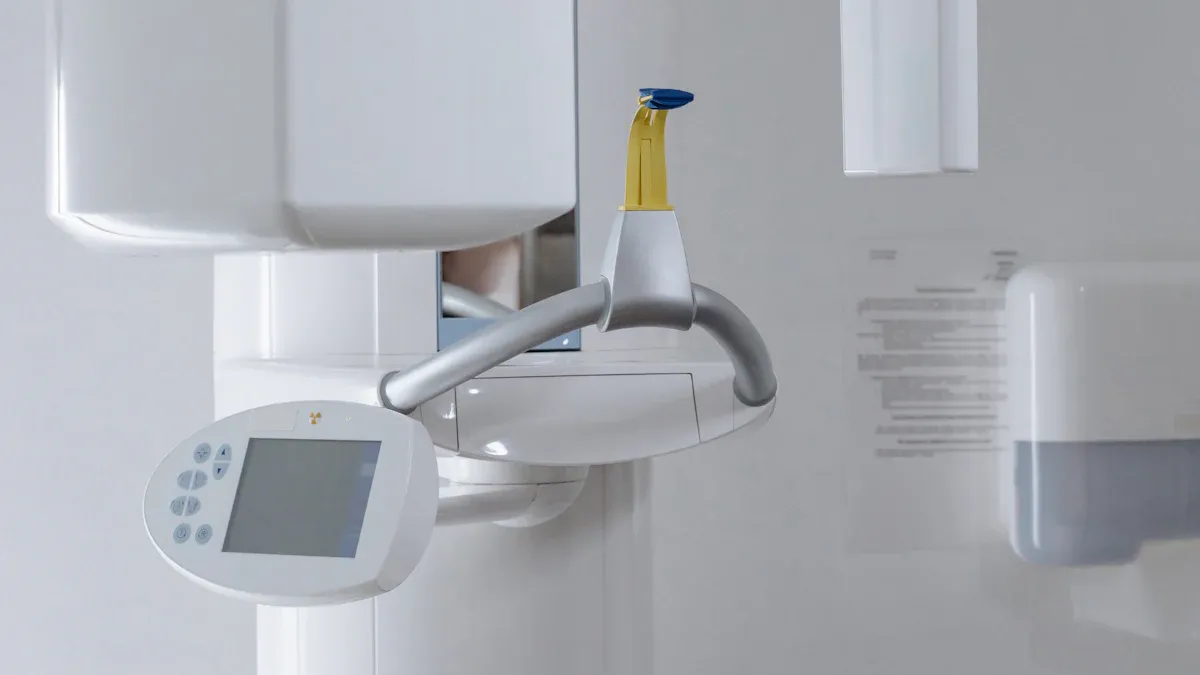
An advanced x ray machine in food industry offers more than just contaminant detection; it provides a comprehensive quality control solution. This technology empowers manufacturers to verify product integrity from the inside out, ensuring every item leaving the facility meets the highest standards of safety and quality. Its capabilities extend across multiple critical checkpoints on the production line.
Traditional inspection methods like metal detectors have significant limitations. They are often compromised by product characteristics like moisture or salinity (known as 'product effect') and are completely ineffective against non-metallic threats. X-ray inspection systems overcome these challenges by using density detection. The system identifies foreign bodies because they absorb X-rays differently than the surrounding food product.
This science allows an x ray machine in food industry to find a wide array of physical hazards that other systems cannot.
Metal: It reliably detects all metal types, including ferrous, non-ferrous, and even difficult-to-find stainless steel fragments, regardless of product temperature or salt content.
Glass: It can locate glass shards, even within glass jars—a critical capability for products like baby food and condiments.
Dense Plastics and Rubber: It identifies hard plastic or rubber compounds that may break off from machinery during production.
Calcified Bone: It finds bone fragments in meat, poultry, and fish products.
Mineral Stone: It detects stones and rocks that can mix with raw, field-grown ingredients like nuts or legumes.
Case studies repeatedly demonstrate its effectiveness. For instance, X-ray systems prevent recalls related to glass in condiments, find metal fragments in products with foil packaging that would blind a metal detector, and locate small rocks in complex trail mixes. Advanced systems using deep learning can even more accurately identify low-density plastics in foods with busy, variable textures.
Maintaining accurate product weight is essential for regulatory compliance and profitability. X-ray inspection systems provide precise mass measurement by analyzing the greyscale values in the product image. For items with inconsistent density, such as a granola bar with fruit clusters, advanced systems use a multi-step learning process or dual-energy technology to calculate mass with exceptional accuracy. This prevents costly product giveaway and ensures consumers receive the advertised amount.
Beyond weight, these systems verify that all components are present inside sealed packages. This capability is invaluable for multi-pack products and meal kits.
An X-ray system can confirm that:
A multi-pack of snack bars contains the correct number of bars.
A salad kit includes the essential dressing pouch.
A box of assorted crackers has every piece, preventing customer complaints about missing items.
A product's packaging is its first line of defense. A compromised package can lead to spoilage, contamination, and a tarnished brand reputation. An x ray machine in food industry inspects for a wide range of packaging flaws that are invisible to the naked eye. It can identify issues like product getting caught in the seal area, which weakens the seal and can cause leaks or spoilage.
Other detectable packaging defects include:
Cracks, chips, or dents in glass or rigid containers
Improper or missing caps
Deformations or structural weaknesses
Wrinkles or inconsistencies in the seal area
By catching these defects before shipment, manufacturers protect product freshness and ensure the consumer's first experience with the product is a positive one.
Customer satisfaction plummets when a product is broken or incomplete. X-ray inspection sees through opaque packaging to verify the integrity of the contents. The system can identify fractures, cracks, or broken pieces in items like biscuits, chocolate bars, or frozen patties. This ensures the product looks as good as it tastes.
Furthermore, the technology confirms that a package is complete. Consumers feel shortchanged if a package promising six burger patties only contains five, or if a promised promotional toy inside a cereal box is missing. X-ray systems use their check-weighing and counting functions to spot these discrepancies, allowing operators to correct the error before the product ever reaches a store shelf. This proactive quality check is fundamental to building and maintaining consumer trust.

Beyond its inspection capabilities, an x ray machine in food industry is a cornerstone for building consumer trust and ensuring regulatory compliance. Food manufacturers operate under intense scrutiny from regulatory bodies, retailers, and the public. Implementing X-ray technology demonstrates a proactive commitment to safety, providing the verifiable proof needed to meet and exceed the industry’s most stringent standards.
The trust in X-ray inspection is rooted in its reliable scientific principles. The system works by passing a beam of low-energy X-rays through a product. A detector on the opposite side measures the amount of X-ray energy that passes through. When a contaminant is present, its density causes it to absorb more X-rays than the surrounding food. This difference in absorption creates a darker area on the X-ray image, allowing the system to instantly identify the foreign object.
A material's detectability depends on its density and atomic number. Contaminants with higher densities and atomic weights than the food product are easily found. Food is primarily composed of carbon, hydrogen, and oxygen, which have low atomic weights. In contrast, common contaminants are significantly denser.
| Material | Typical Density (g/cm³) |
|---|---|
| Stainless Steel | 7.93 |
| Glass | 2.40 – 2.80 |
| Calcified Bone | 2.20 |
| Most Food Products | ~1.0 |
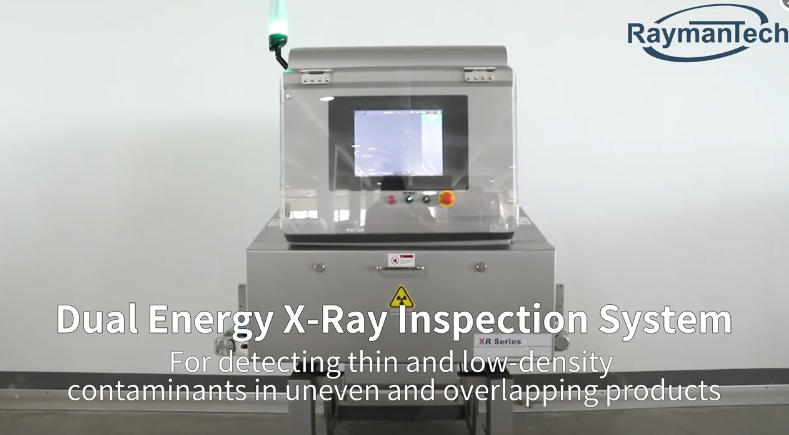
For challenging applications, such as detecting low-density plastics in a bag of mixed vegetables, advanced systems use dual-energy X-ray technology. This method employs two separate X-ray energy levels. By analyzing how a material reacts to both energy spectrums, the system can differentiate between objects with very similar densities, achieving what single-energy systems cannot. This technology provides:
Superior detection of low-density contaminants like plastic, rubber, and bone.
Enhanced contrast to distinguish hazards from complex or "busy" food textures.
A significant reduction in false positives, minimizing unnecessary product waste.
A common question from consumers is whether X-ray inspection affects the food itself. The answer is a definitive no. The process is completely non-invasive and food-safe. Scientific evidence overwhelmingly confirms that the extremely low energy levels used in food inspection have no impact on the product.
A landmark 1997 study by the World Health Organization (WHO), FAO, and IAEA confirmed that food exposed to radiation levels up to 10,000 Grays (Gy) shows no safety concerns or nutritional degradation. The dose used in an x ray machine in food industry is approximately ten million times lower than this established safety threshold. Research consistently shows that X-ray inspection does not alter a food's:
Taste or Texture: The flavor profile and physical structure remain unchanged.
Nutritional Value: Essential amino acids, vitamins, and minerals are not affected.
Appearance: The food looks identical before and after inspection.
Regulatory bodies like the U.S. Food and Drug Administration (FDA) set strict standards for food safety, and the radiation levels used in inspection fall well within these safe limits. In fact, the dose a product receives is significantly less than the background radiation we are all exposed to annually from natural sources.
A Hazard Analysis and Critical Control Points (HACCP) plan is a systematic approach to food safety that is mandatory for many food producers. This plan identifies potential hazards and establishes Critical Control Points (CCPs)—the last possible points in the production process to control them.
As explained by Donna Schaffner, a leading HACCP consultant, CCPs are vital because "if CCPs are not accurately identified, any step taken after will be compromised." She notes that for a ground beef facility concerned about foreign material, the X-ray machine becomes the CCP.
X-ray inspection serves as a powerful and highly effective CCP. For example, McKaskle Family Farm, an organic rice producer, upgraded from metal detection to X-ray inspection to meet a major customer's HACCP requirements. The new system successfully identified contaminants like glass, stones, and dense plastics that their previous equipment missed, resolving a critical hazard and securing the business relationship.
Modern X-ray systems also provide the robust documentation required for HACCP compliance. They automatically generate and store time-stamped records for every aspect of the inspection process, including:
CCP Monitoring: Logs of all inspected products, with pass/fail results.
Corrective Actions: Detailed reports of any detected contamination and the steps taken.
System Verification: Records of routine performance tests and calibration.
Operator Identity: Traceability of who performed tests and when.
This automated data logging creates an unimpeachable audit trail, making it simple to demonstrate compliance during internal or external audits.
The Global Food Safety Initiative (GFSI) benchmarks food safety standards worldwide, including BRCGS (Brand Reputation Compliance Global Standards) and SQF (Safe Quality Food). Adherence to these standards is often a requirement for supplying major retailers. Foreign body detection is a fundamental component of all GFSI-recognized programs.
The BRCGS Global Standard for Food Safety, for instance, has specific clauses for controlling physical hazards like metal, glass, and brittle plastics. It mandates detailed requirements for foreign-body detection equipment and associated procedures. Using an advanced x ray machine in food industry is one of the most effective ways for a manufacturer to meet and exceed these stringent expectations.
Implementing X-ray inspection directly helps a company achieve a higher score during a GFSI audit in several key areas:
Robust Food Safety Plan: It serves as a validated CCP, preventing physical hazards from reaching the consumer.
Traceability and Audits: It provides accessible digital records that prove the system is working effectively, simplifying audit preparation.
Raw Material Management: It can inspect incoming ingredients to remove contaminants like stones in legumes or bones in meat before they enter production.
Corrective and Preventive Actions: The data it collects helps identify recurring issues, allowing for targeted preventive measures that strengthen the entire safety program.
By investing in this technology, food producers not only protect their brand but also position themselves as leaders in food safety, capable of satisfying the demands of the most discerning global partners.
The food industry’s trust in X-ray inspection is founded on its superior detection and quality control. This technology helps companies exceed HACCP and GFSI standards, with Health Canada noting a 28% recall reduction for users. Innovations like AI and dual-energy systems drive a market projected to hit $4.5 billion, proving it is an indispensable asset for protecting consumers, brands, and profitability.
Yes, the process is completely food-safe. The energy levels are extremely low. They do not affect the food's taste, texture, or nutritional value, meeting all FDA and WHO standards.
X-ray systems detect dense foreign bodies. This includes metal, glass, mineral stone, calcified bone, and some dense plastics. They find hazards that other inspection methods often miss.
No, X-ray inspection is a non-contact process. It does not harm or alter the packaging in any way. The system actually helps identify existing packaging defects like poor seals.
We provide you with comprehensive foreign trade solutions to help enterprises achieve global development
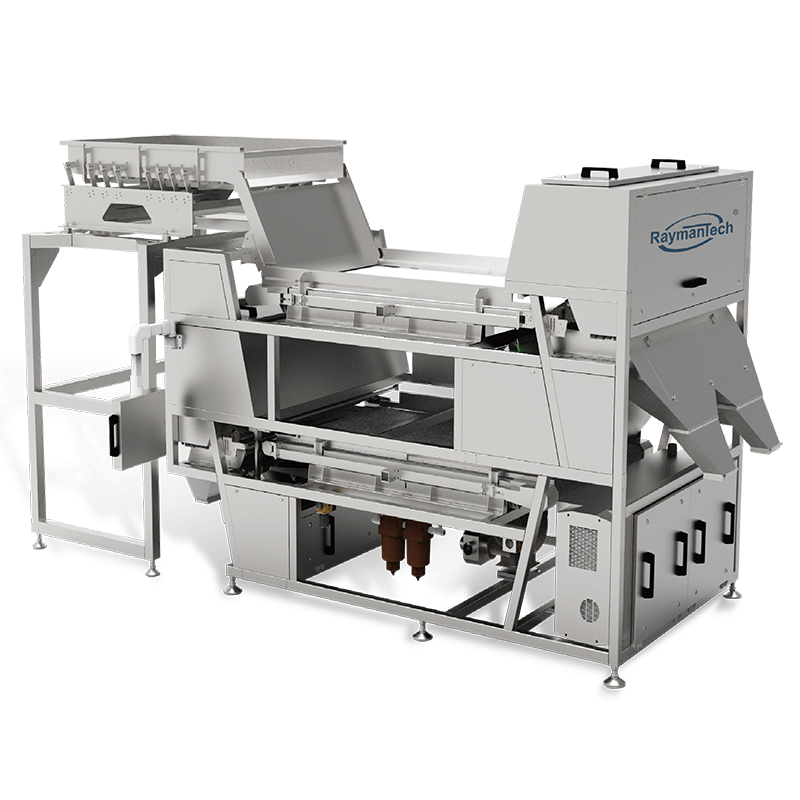
Recommedation: Chili, walnut, peanuts, soybeans, c...
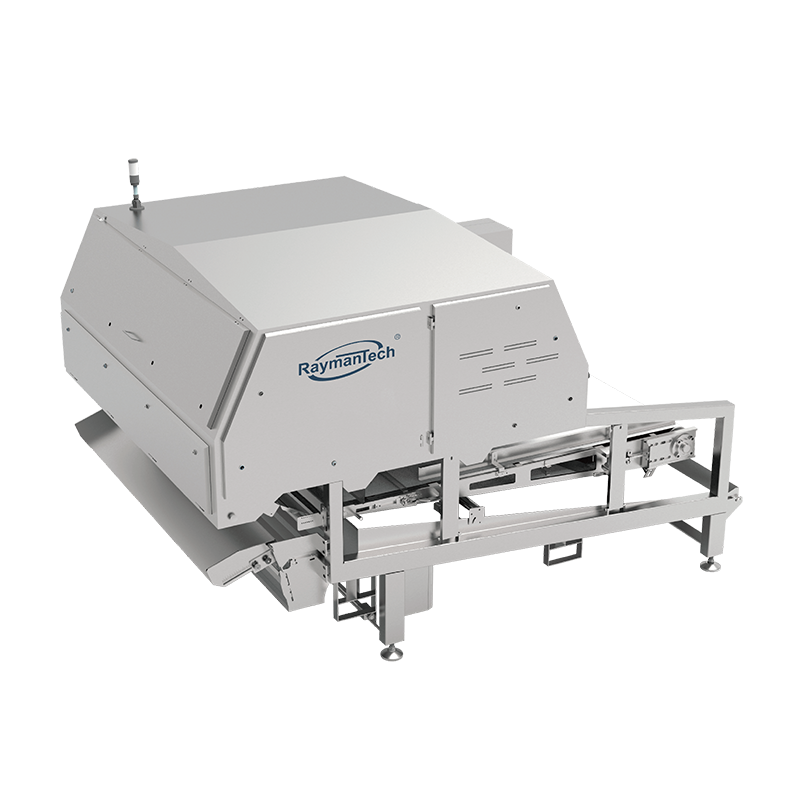
Recommedation: Frozen vegetables such as green be...
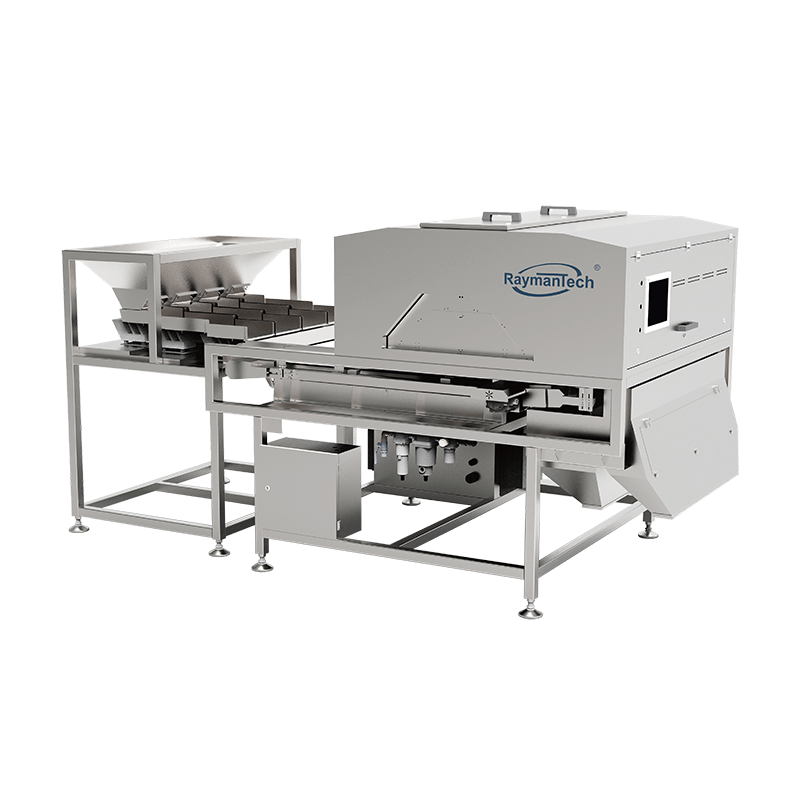
Recommedation: Small particle, flat products such...
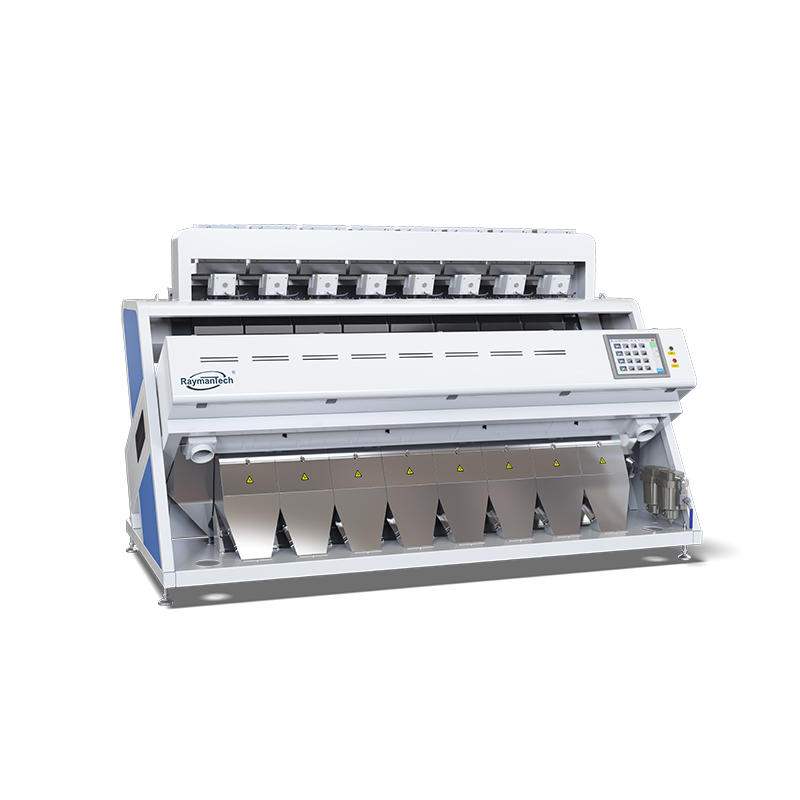
Recommedation: Rice, wheat, corn, grain, pulses, s...
Select the most popular foreign trade service products to meet your diverse needs
Select the most popular foreign trade service products to meet your diverse needs








User Comments
Service Experience Sharing from Real Customers
Michael Rodriguez
Quality Assurance ManagerThis X-ray inspection system has revolutionized our foreign object detection process. The false rejection rate is incredibly low, and the sensitivity settings are precise enough to detect minute contaminants in our packaged snacks without compromising production speed.
Sarah Chen
Production SupervisorAs a frozen food manufacturer, we needed reliable contaminant detection that could handle our low-temperature environment. This X-ray machine has exceeded expectations with consistent performance, easy integration into our existing line, and excellent technical support when needed.
David Thompson
Plant ManagerThe automated rejection system and user-friendly interface make this X-ray machine ideal for our bakery operations. While the initial investment was significant, the reduction in product recalls and enhanced food safety compliance has provided excellent ROI within the first year.
Jennifer Williams
Food Safety DirectorThis X-ray detection equipment has been instrumental in maintaining our HACCP compliance in meat processing. The ability to detect bones, metal fragments, and other contaminants in various product densities has significantly improved our quality control measures and customer satisfaction.